Inspection and treatment for scale, aphids, bagworms, powdery mildew, leaf spot and other problems that stress your landscape plants.
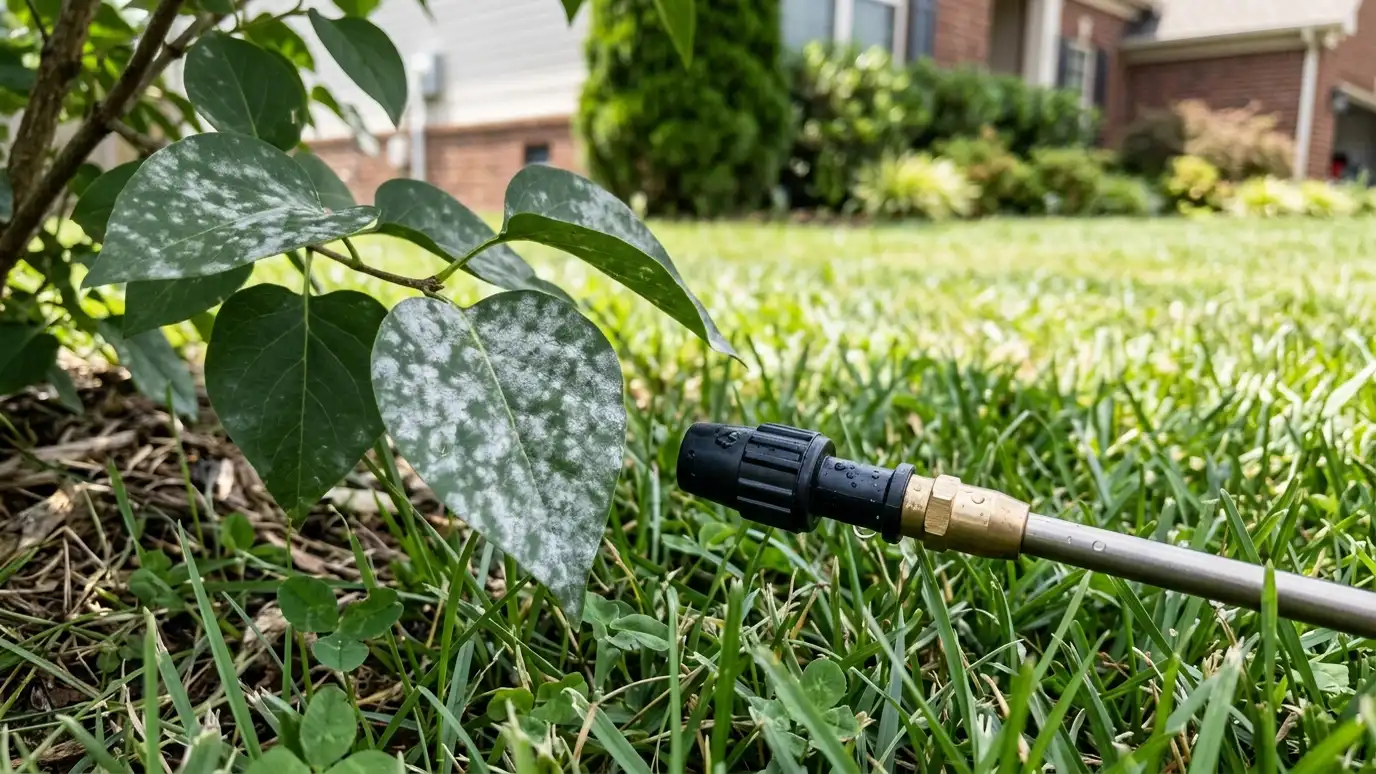
Landscape plants have their own pests and diseases, and spotting them early makes treatment simpler and more effective. Bagworms hang on evergreens, scale insects make leaves sticky and sooty, aphids curl new growth, powdery mildew coats leaves with white, and leaf spot dots foliage in humid weather. In Middle Tennessee, warm, damp summers make these problems common, and stressed plants are the first to suffer. Many issues are cosmetic, but some can weaken or kill a plant if ignored.
We inspect your trees and shrubs, identify the problem and recommend the right response. That may be a targeted insect or fungicide treatment, pruning out affected growth, improving airflow or adjusting watering. We time treatments to the pest life cycle, because bagworm and scale control depend on catching the right stage. We follow label directions, and we are upfront about which problems need action and which are simply part of a normal season. A little attention can save a valuable plant. If we find nothing that needs treatment, we tell you that too, because a quick inspection that saves an unnecessary spray is worth just as much to your plants and your budget as one that catches a real problem.
The wrong product wastes money and can harm the plant. We confirm the problem first.
Bagworms, scale and aphids are easiest to control at certain stages, so we time treatments carefully.
Pruning, airflow and watering changes often reduce disease as much as sprays do.
Some problems are cosmetic and some are serious. We tell you which is which.
Drag the handle to compare.
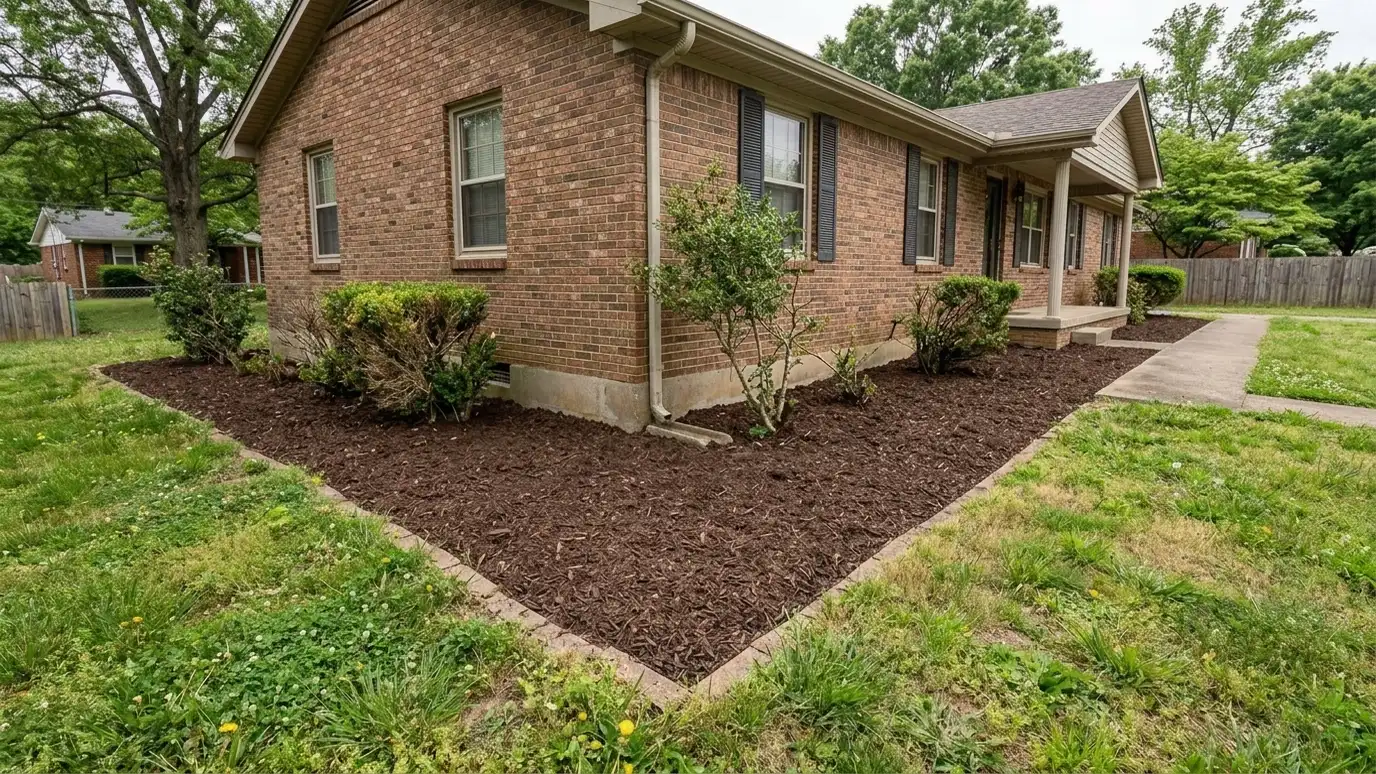
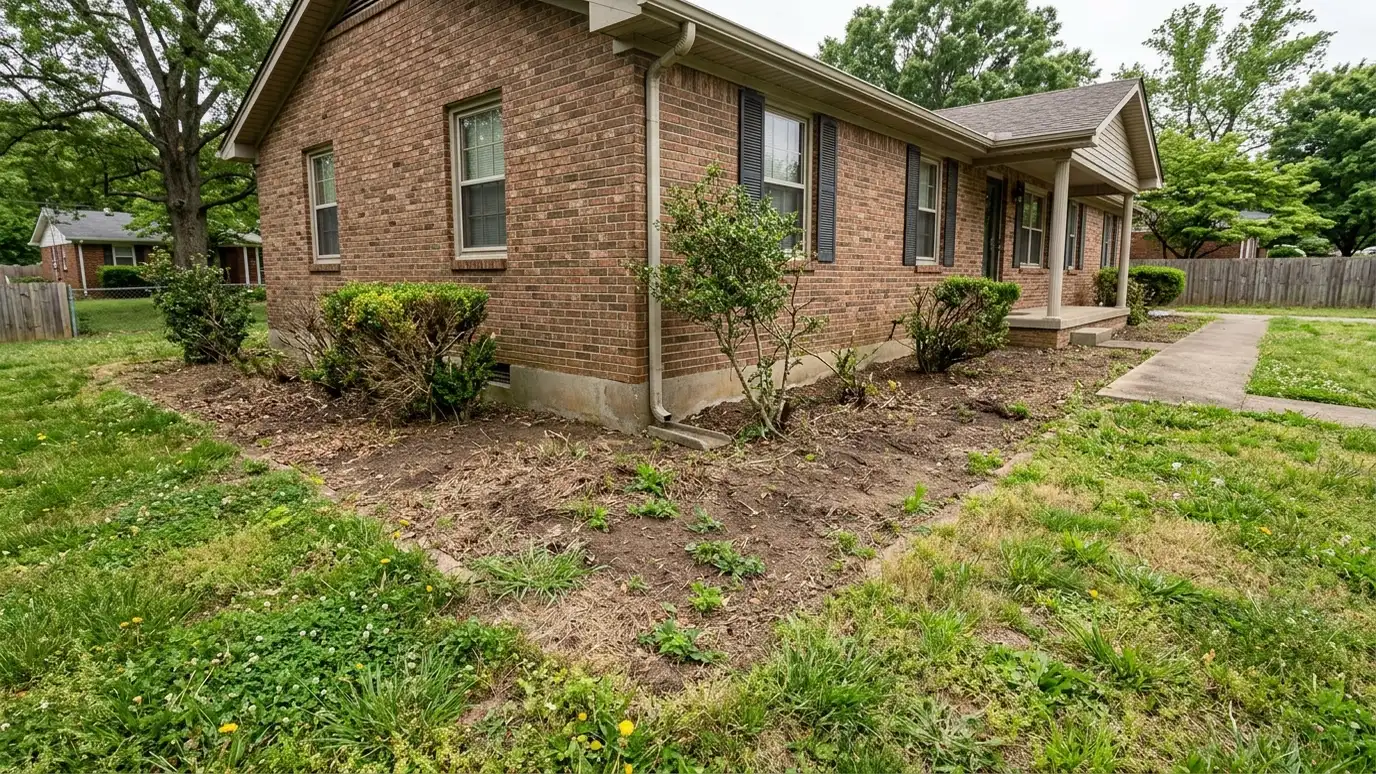 BeforeAfter
Before treating.
Right product.
Better control.
Cultural fixes.
Early action.
What matters.
Every topic has its own page with what to expect and how we approach it.
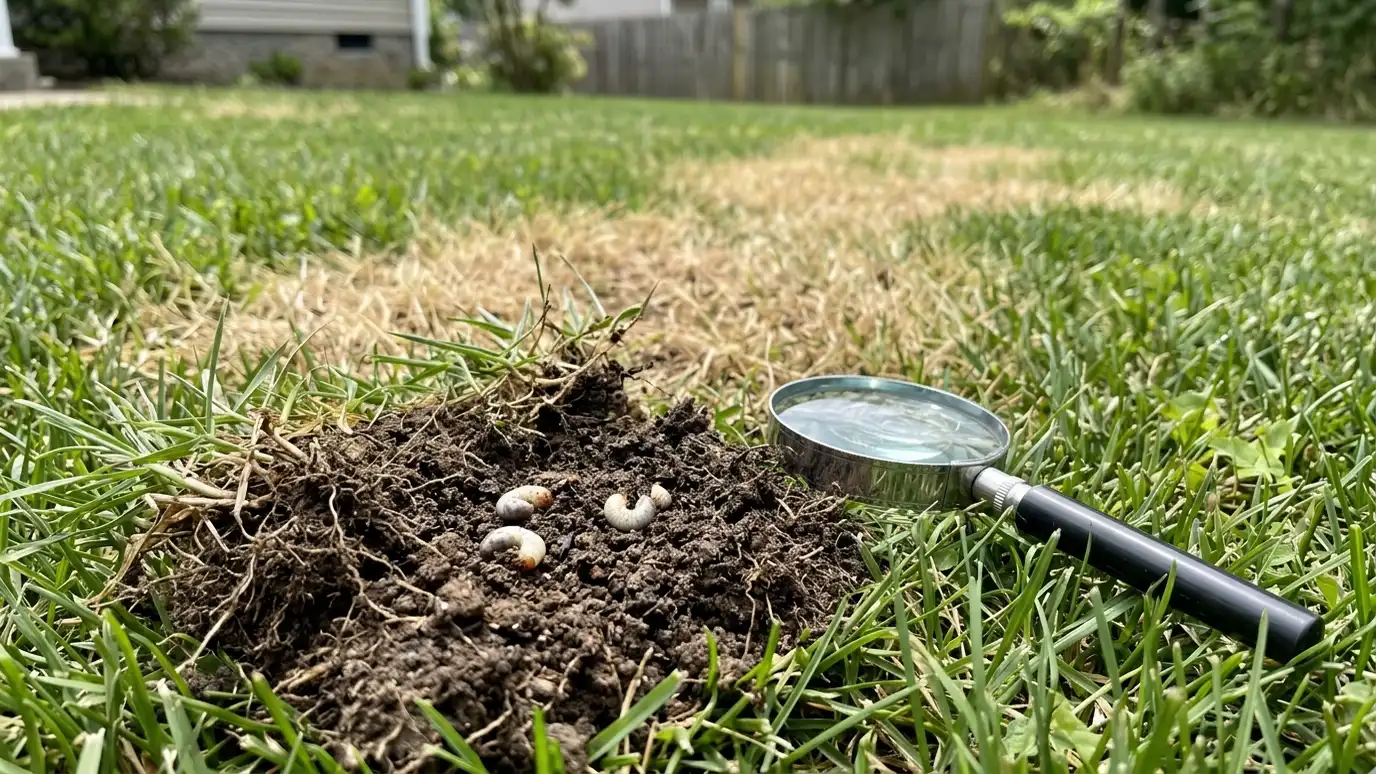 Topic guideDiseases and Pests GuideBrown patch, dollar spot, grubs, armyworms, chinch bugs and fire ants: signs, timing and what to do about…Learn more
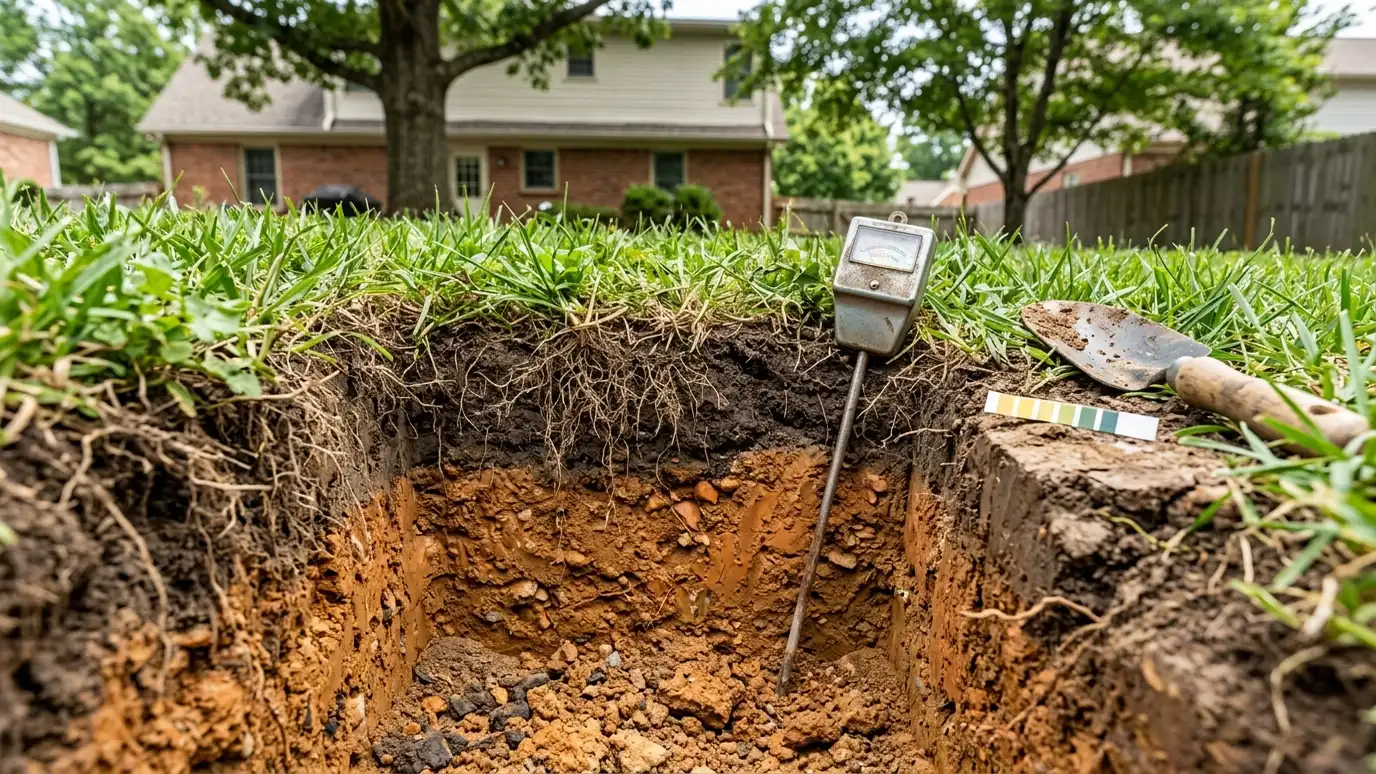 Topic guideSoil and pH GuideClay, compaction, organic matter and pH explained, with simple ways to test and improve the soil under your…Learn more
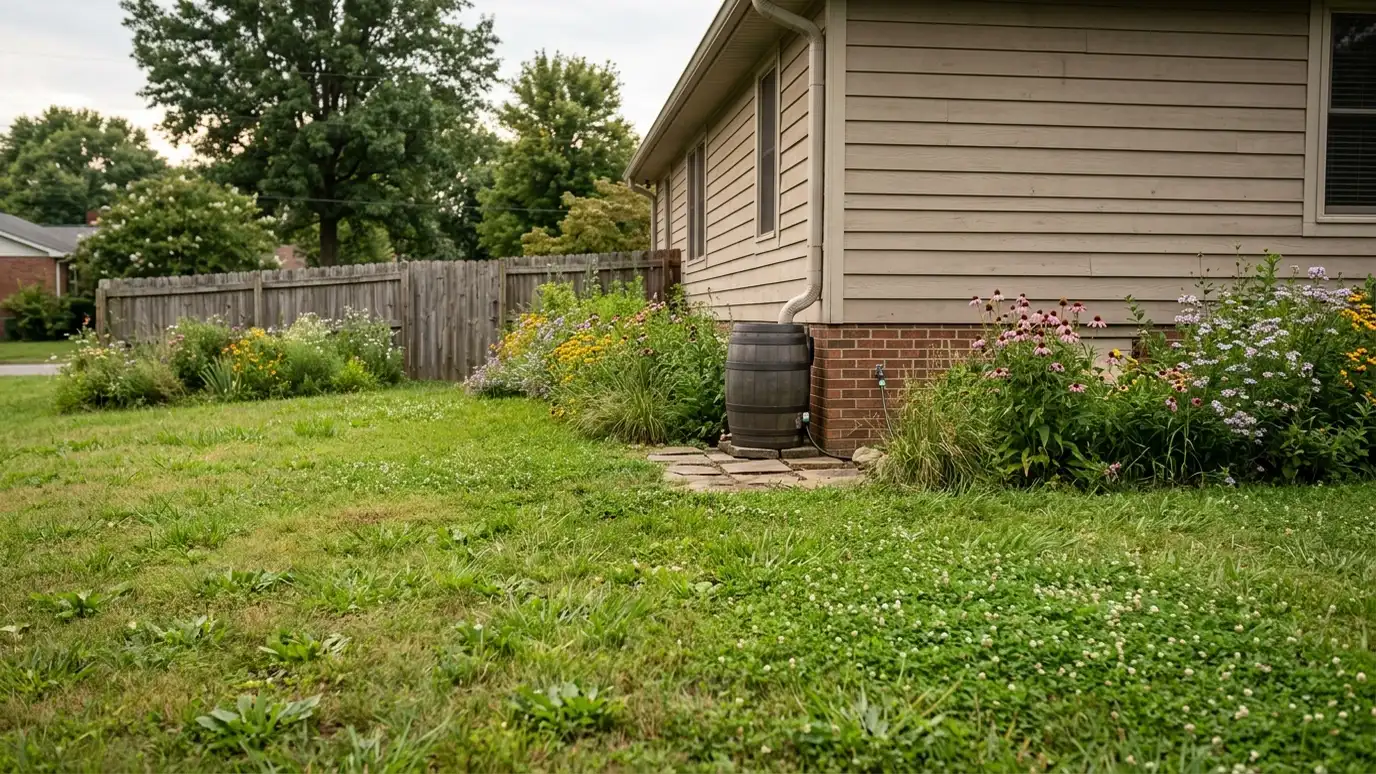 Lawn typeEco-Friendly LawnsA greener approach: compost, clover, native borders and smarter water use, without giving up a good-looking yard.Learn more
Tick what you see in your lawn and get a priority list and a plain recommendation: care, treat, renew or renovate.
You tell us about your lawn and what you want to change, from weeds to a full program, and we set a visit that fits your day.
We walk the lawn, identify the grass, check the soil, weeds, pests and drainage and talk through your goals.
We build a calendar of treatments for your grass type and give you an itemized written estimate with options.
Visits are scheduled by season and weather, and any gates, pets or irrigation are noted.
Crews apply products and perform services with calibrated equipment and leave notes after each visit.
Each season we review the results with you and adjust the plan for the next one.
Caterpillars that build hanging bags on evergreens and chew foliage. Early control works best.
It is usually powdery mildew, common in humid weather. Treatment and airflow help.
Sticky leaves can mean scale or aphids. We inspect to confirm.
Often yes, if the problem is caught early.
No. Some problems are minor, and cultural changes may be enough.
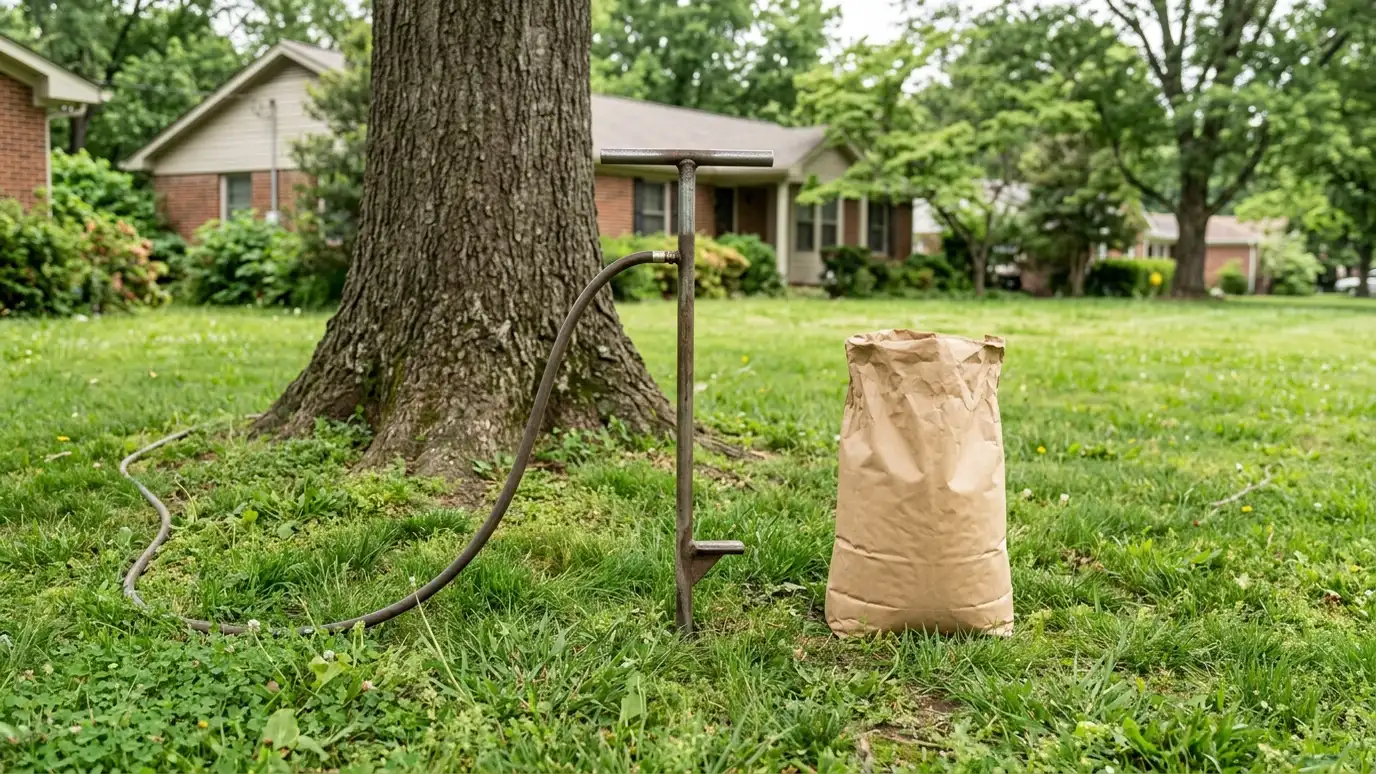 Tree and Shrub FertilizationDeep root feeding and slow release fertilizer that supports healthy growth in trees and shrubs, especially in compacted…Explore
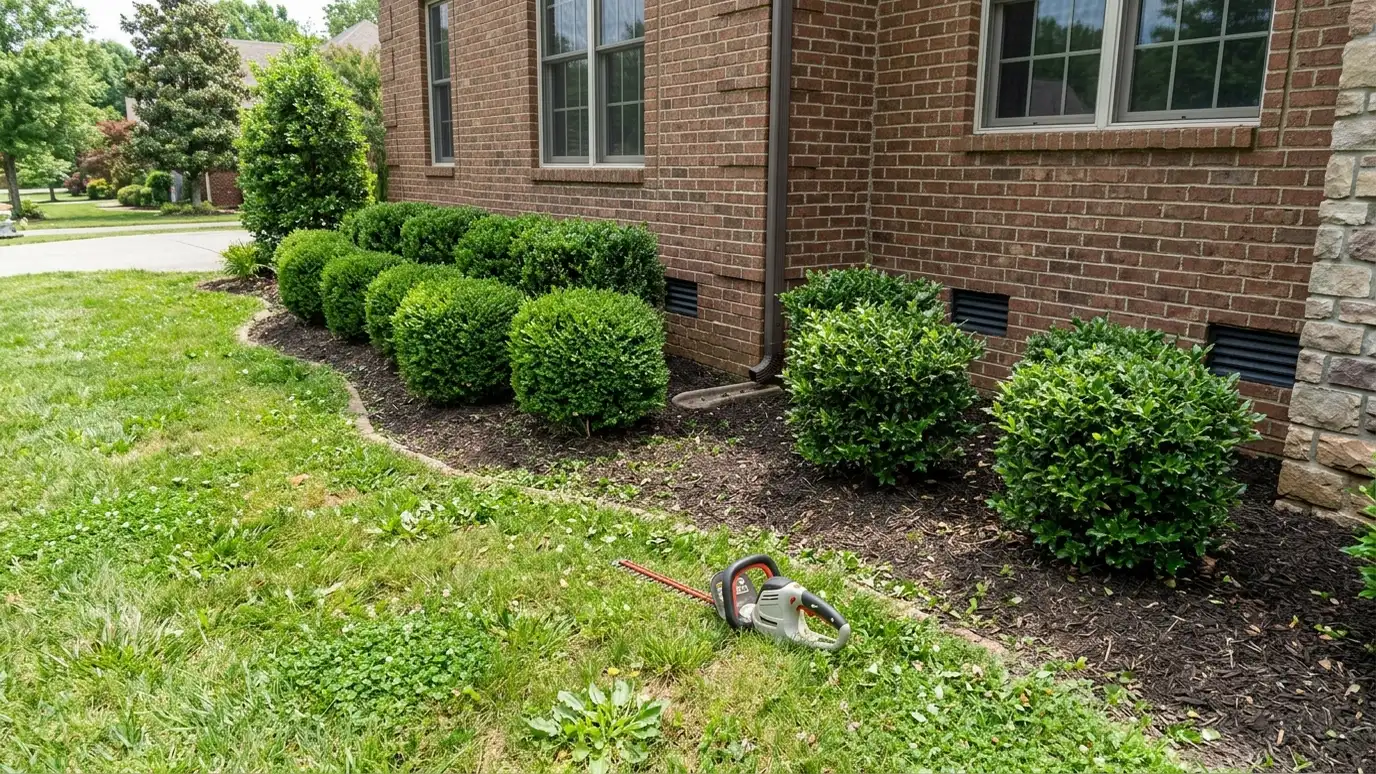 Shrub Trimming and PruningShaping, thinning and renewal pruning at the right time of year, so shrubs stay healthy, neat and in…Explore
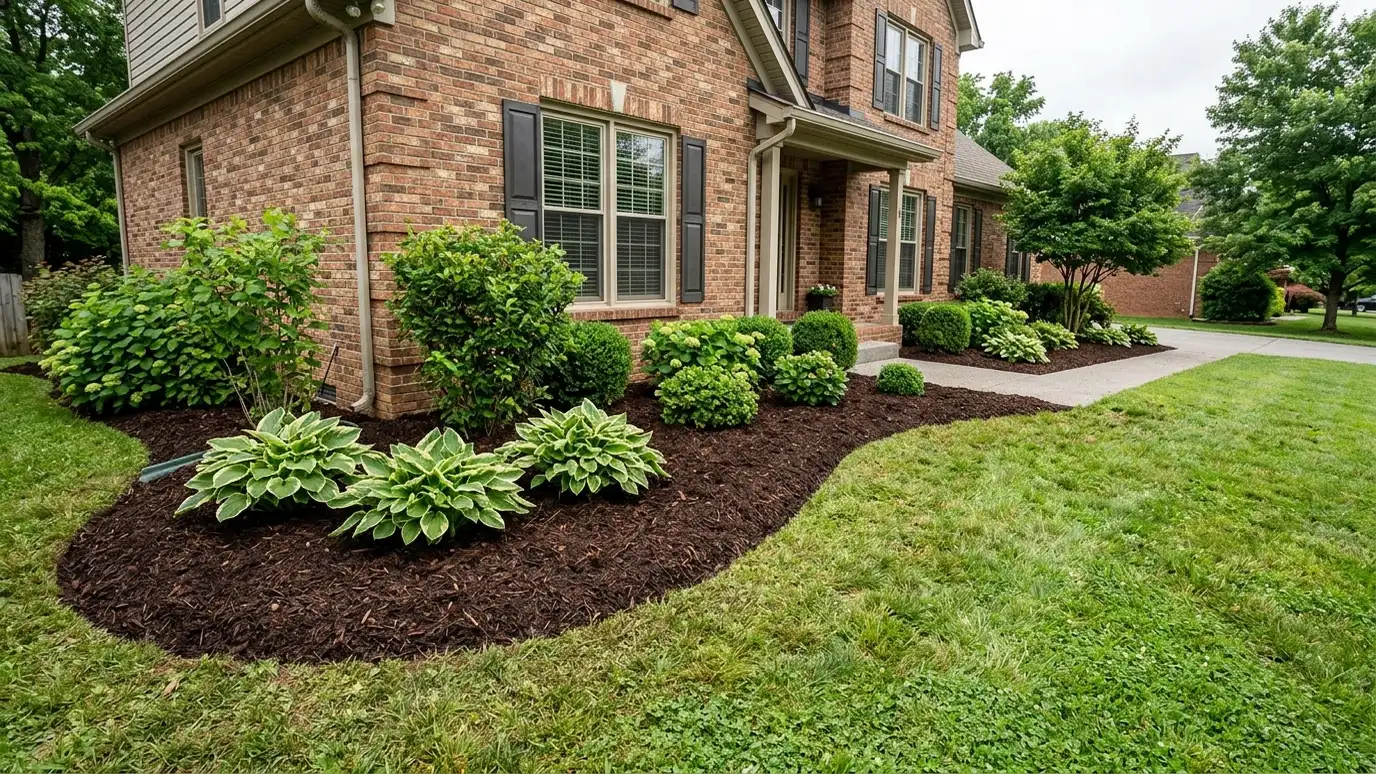 Mulching and Bed MaintenanceFresh mulch, crisp bed edges and regular weeding that keep landscape beds healthy and looking sharp all season.Explore
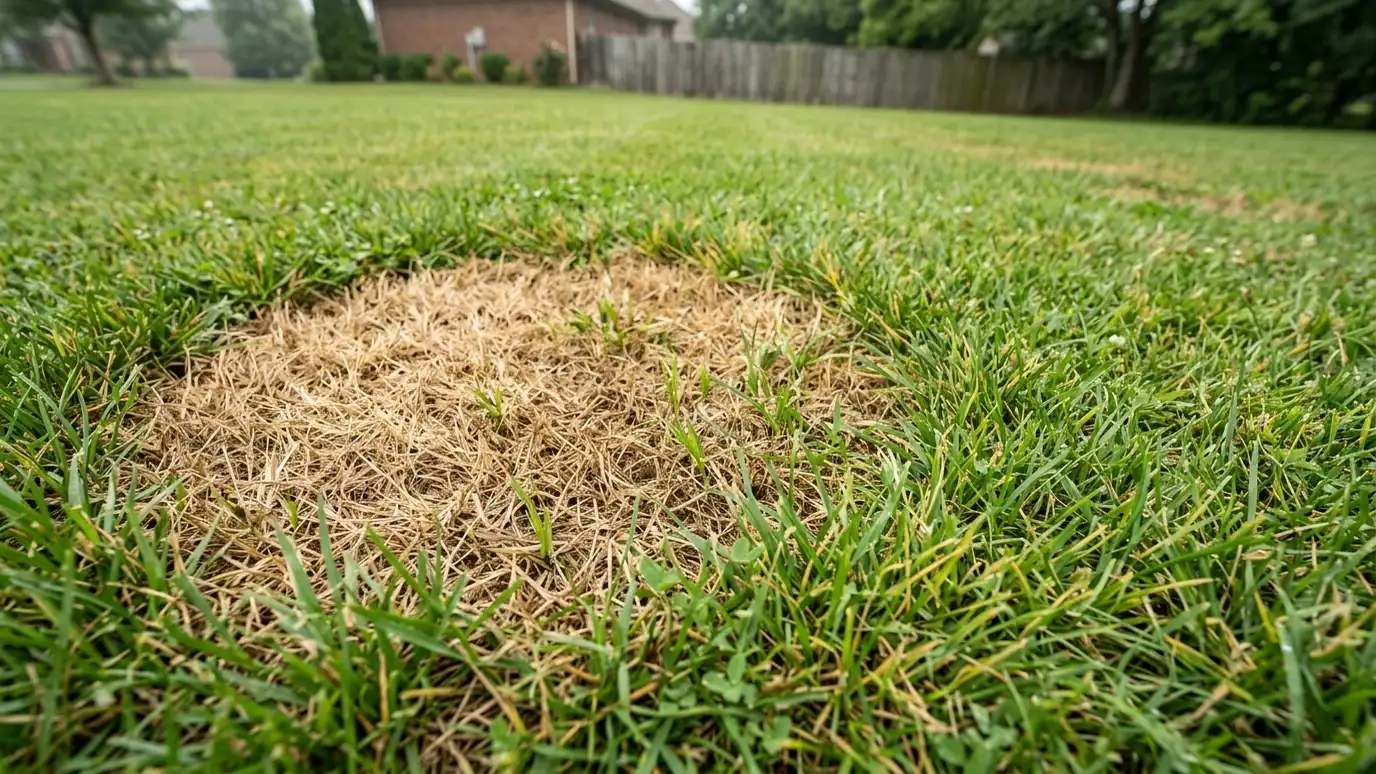 Lawn Disease ControlIdentification and treatment of lawn diseases such as brown patch, dollar spot and leaf spot, plus the habits…Explore
Tell us about your lawn and we will call you back to set up a visit.
Or call (615) 357-7797 to talk now.