The one-inch rule
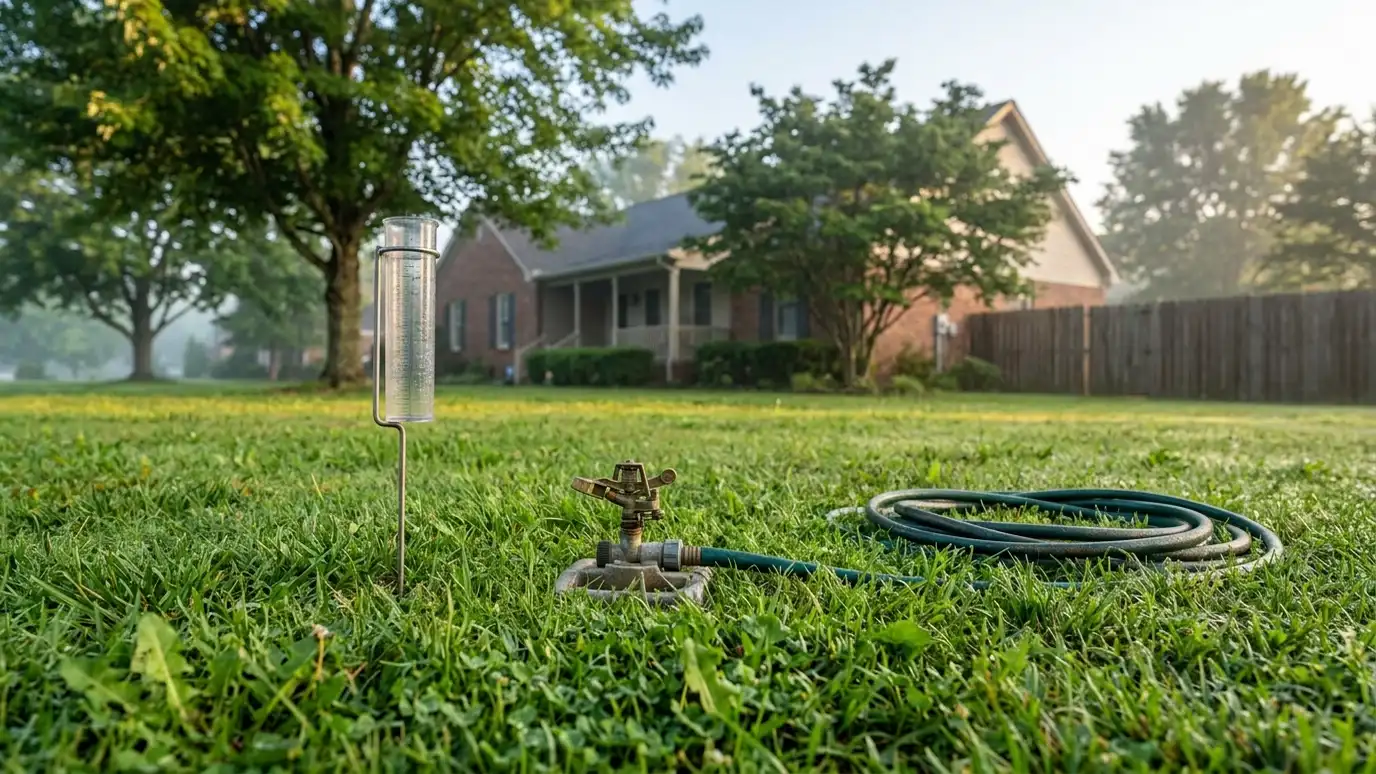
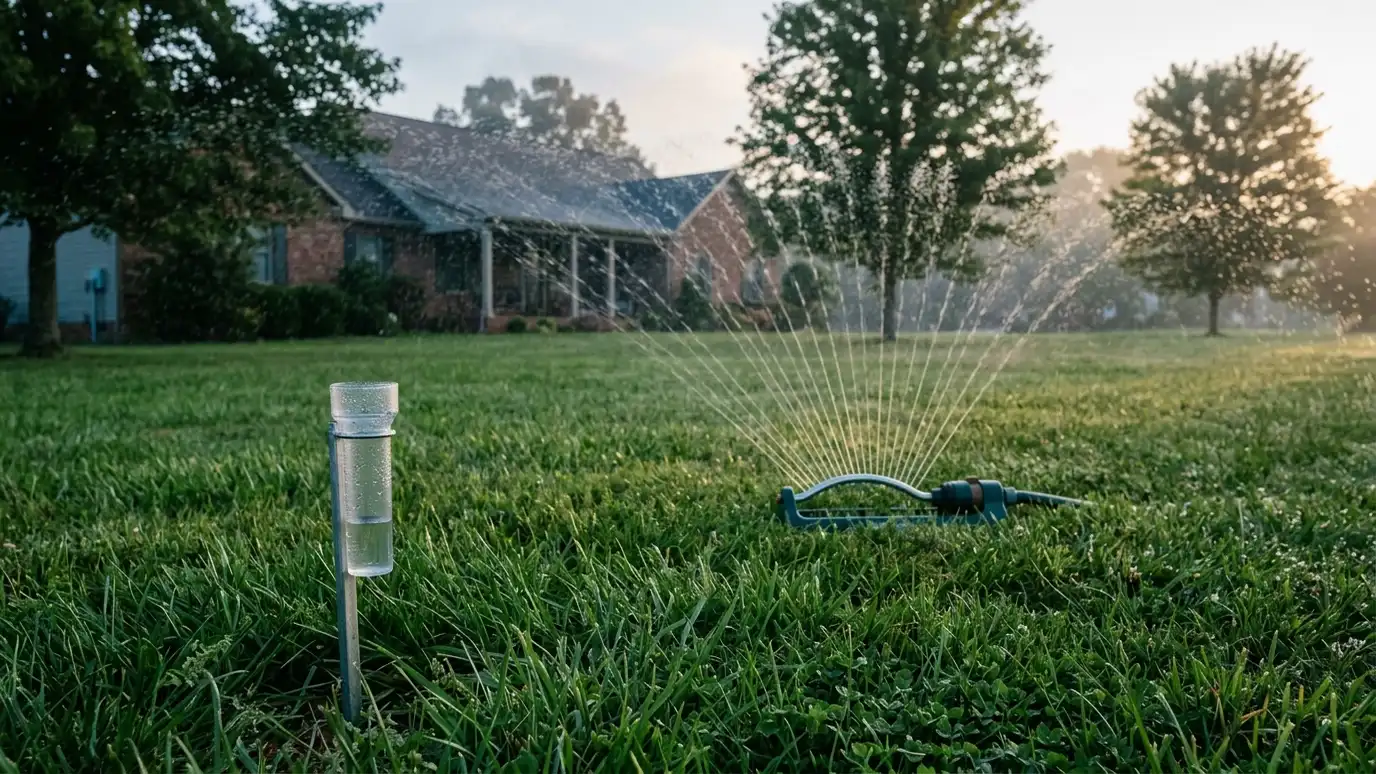
Most established lawns need about an inch of water a week, counting rain. Measure with a rain gauge or empty tuna cans. Water that soaks six to eight inches deep builds strong roots.
Adjust upward in extreme heat and downward after rain.
Place a few empty cans around the yard and run your sprinklers for thirty minutes. Measuring the depth in each can shows how long you need to run to reach an inch.
Deep and infrequent
Watering deeply two or three times a week is better than a little every day. Deep watering pushes roots down, where soil stays cooler and moister. Shallow watering keeps roots near the surface and weakens the lawn.
Let the lawn show slight signs of dryness before you water again.
Try the screwdriver test. If it pushes easily into the soil six inches deep, you have watered enough. If it stops short, water longer next time.
Best time of day
Early morning is best. Water soaks in before heat arrives, and leaves dry out quickly, which reduces fungal disease. Afternoon watering loses water to evaporation, and evening watering leaves grass wet overnight.
A sprinkler timer makes early watering easy.
A timer is the simplest tool for morning watering. Set it for the early hours and let it do the work while you sleep.
New seed and sod
New seed needs light, frequent watering, often several times a day, to keep the top inch moist until it sprouts. New sod needs similar care for the first two weeks, then a gradual shift to deeper watering.
Dry spells in the first weeks are the most common cause of failure.
For new seed, consider setting an extra short cycle at midday during hot spells. Keeping the surface moist is more important than the total volume.
Summer heat and dormancy
Cool-season grass may go dormant in prolonged heat. A light watering every couple of weeks keeps crowns alive. Warm-season grass handles heat better but still needs water in dry spells.
Do not fertilize heavily during dormancy.
If your lawn goes dormant, note the date. Most cool-season grass recovers within a few weeks of the weather cooling and rain returning.
Sprinkler checks
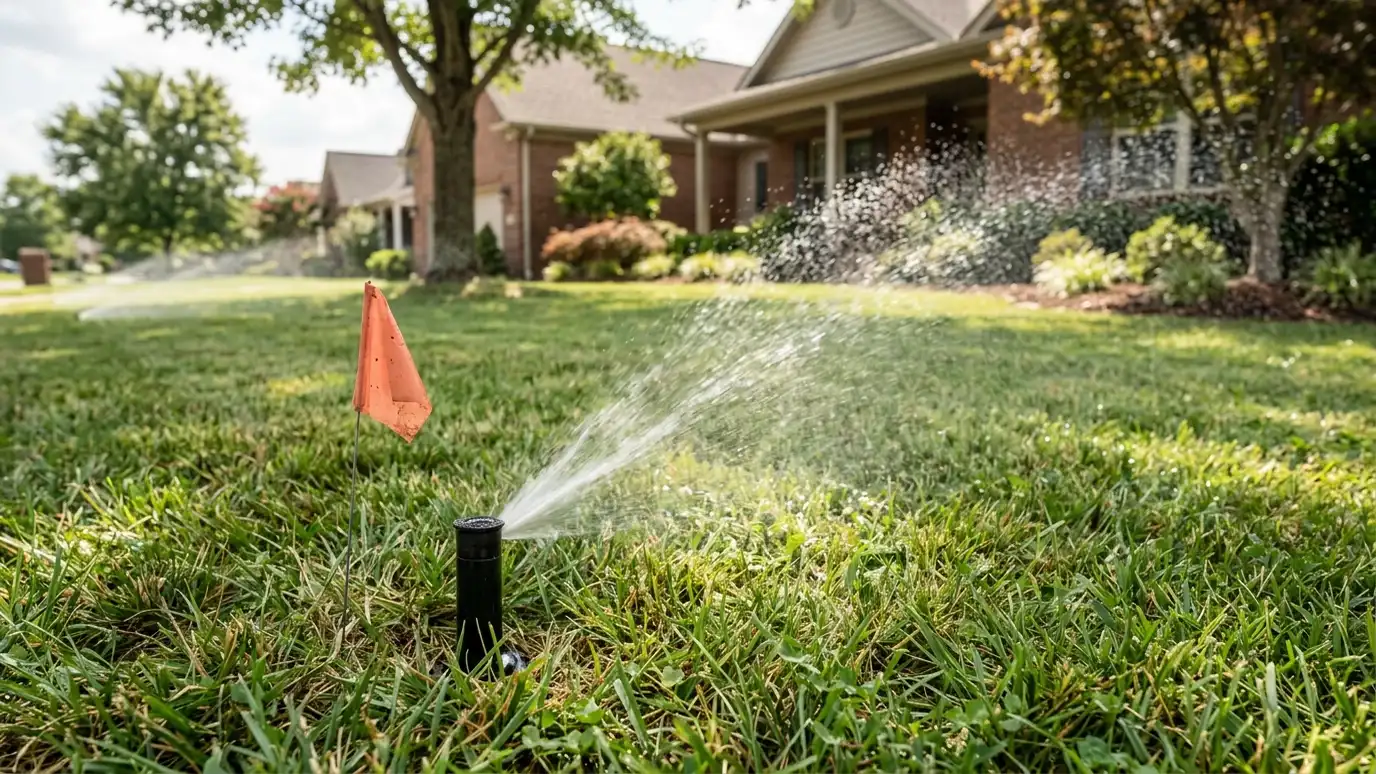
Run each zone and look for broken heads, clogged nozzles and overspray. Adjust arcs and heights for even coverage and set the controller for the season. Add a rain sensor if possible.
Even coverage prevents dry stripes and soggy spots.
Walk your zones monthly during the growing season. A broken head found early saves water and prevents brown patches.
Signs of over- and underwatering
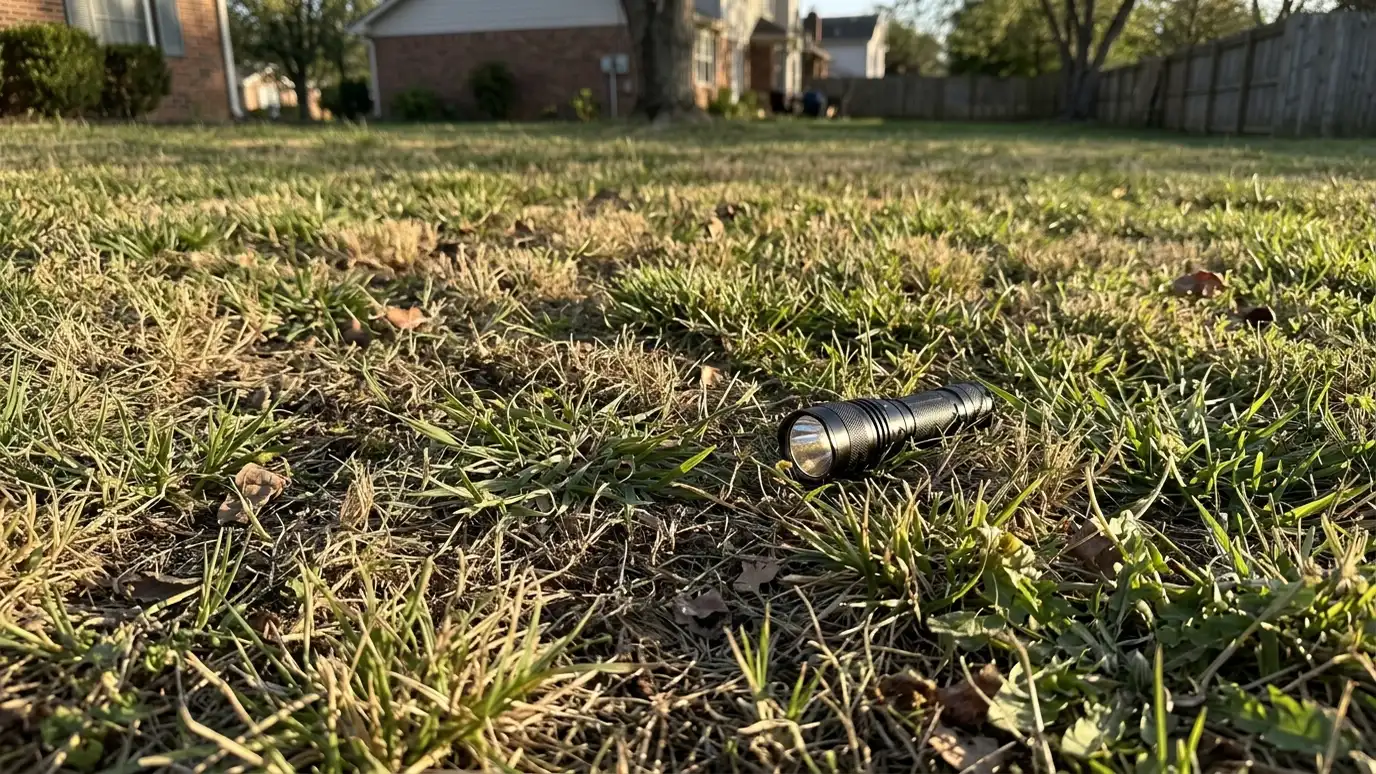
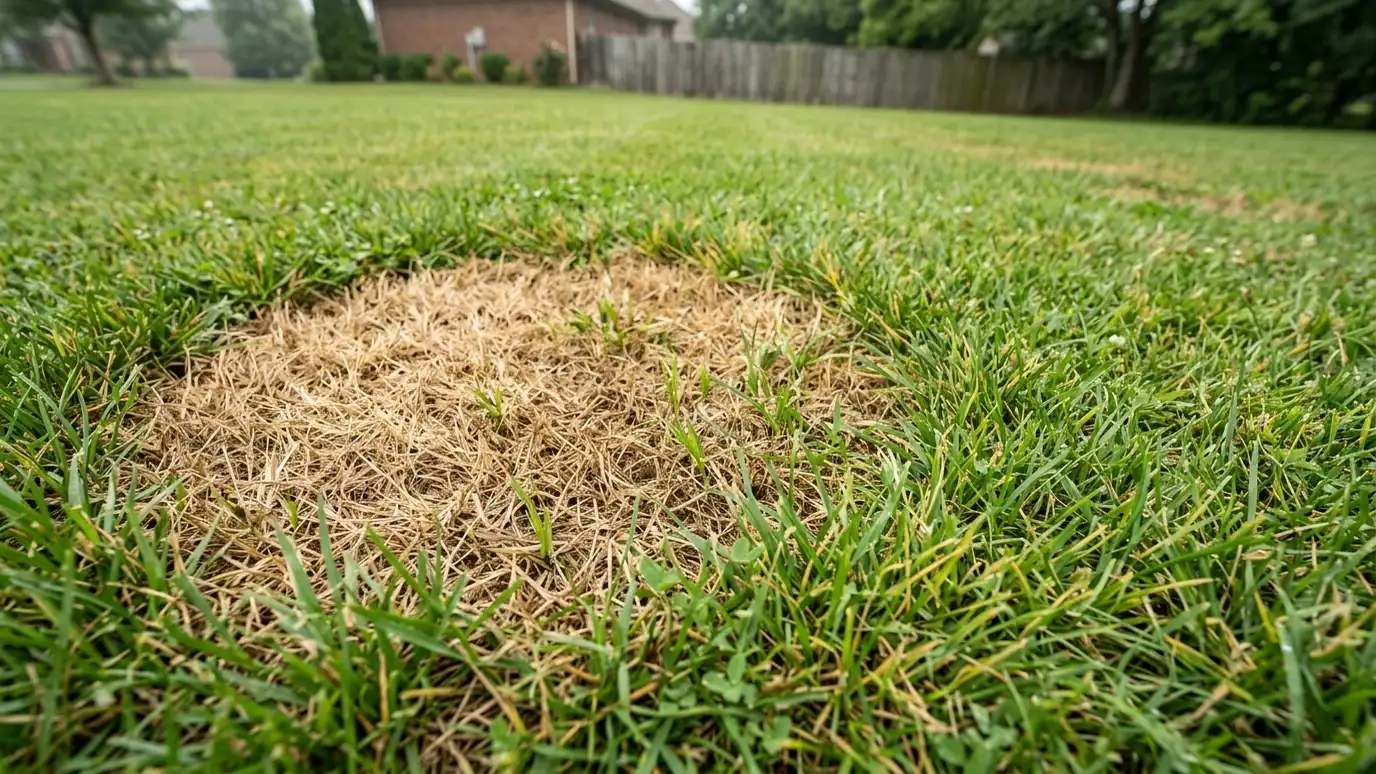
Footprints that stay pressed down and blue-gray color signal thirst. Mushrooms, moss and constant sogginess signal too much water. Fungus and shallow roots follow overwatering.
Watch the lawn and adjust with the weather.
Keep a simple log of rainfall and watering for a month. Seeing the numbers often shows that lawns need less water than people think.
Water deeply and less often, early in the morning, and measure how much your sprinklers deliver.