Identification and treatment of chinch bugs, mites and other turf insects that cause yellow, dying patches in hot weather.
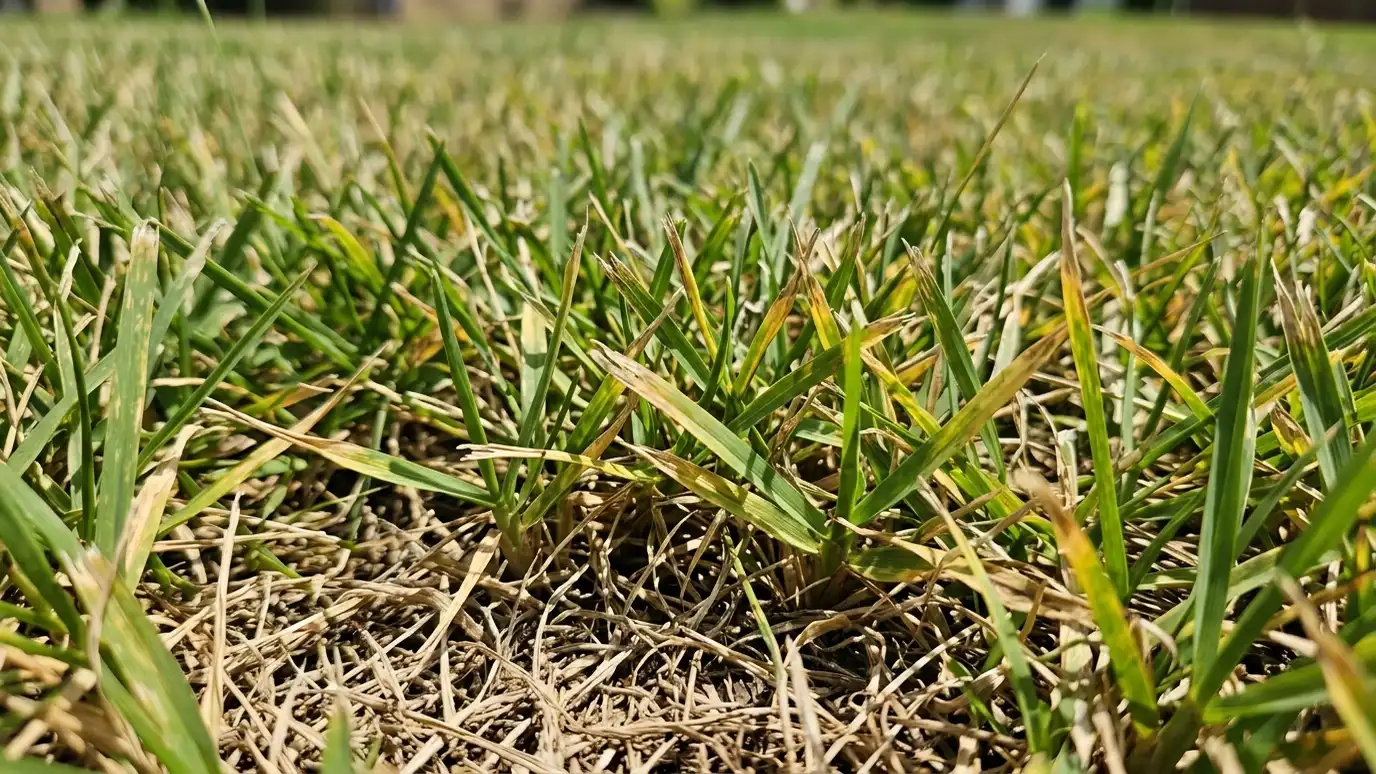
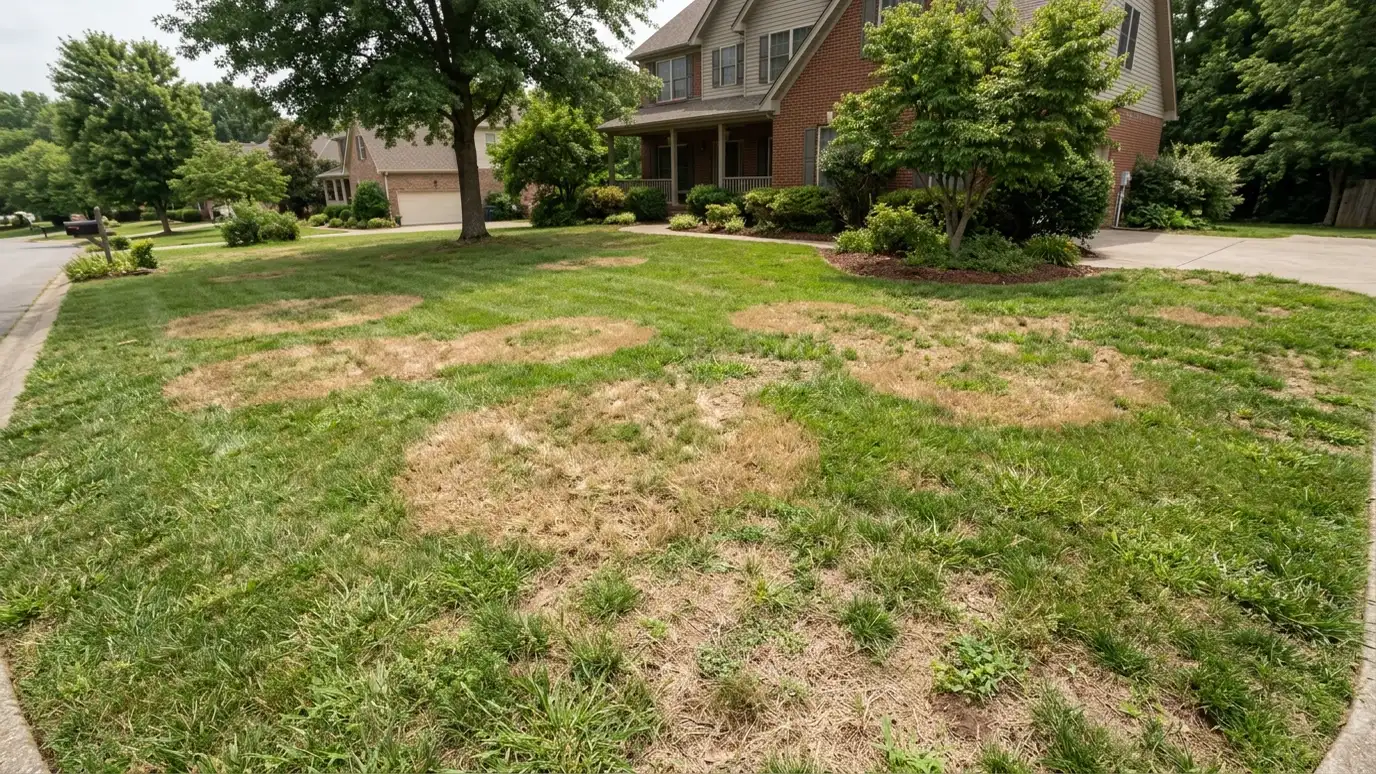
In the heat of summer, sunny parts of the lawn can turn yellow, then straw brown, and look like drought stress even when you water. One common cause is chinch bugs, tiny insects that suck sap from grass blades and inject a toxin that kills the plant. Mites, billbugs and other pests can cause similar damage, and the symptoms often appear along driveways, sidewalks and sunny slopes where the lawn heats up the most. Without a close look, it is easy to treat the wrong problem.
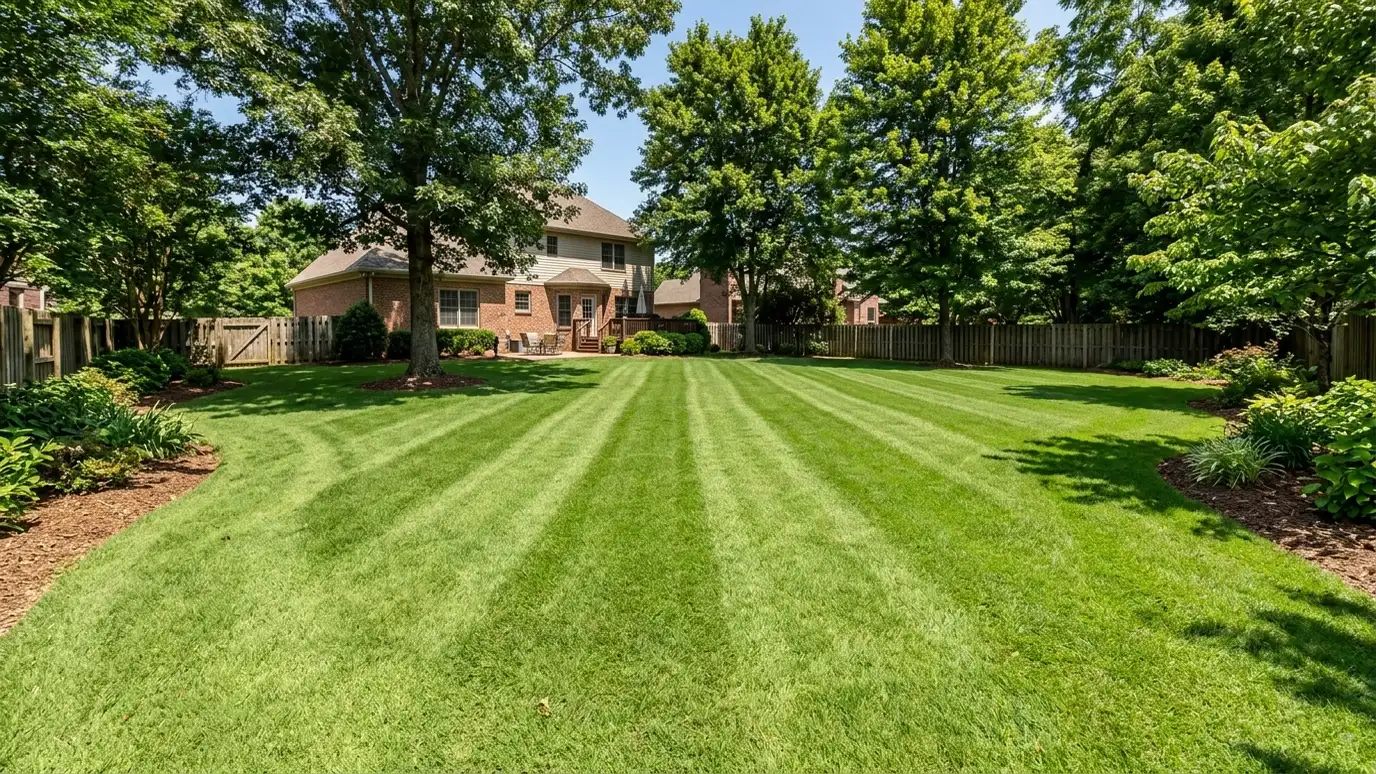
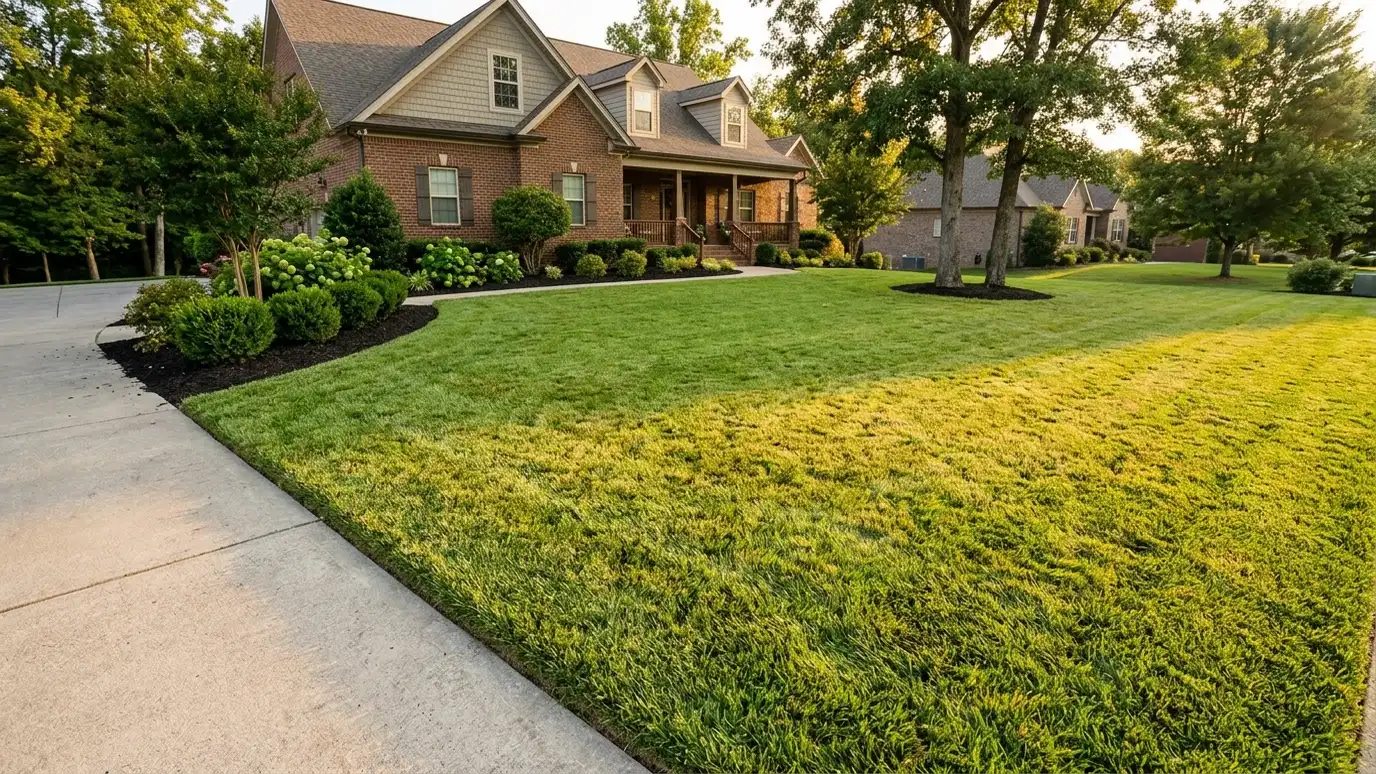
We inspect the turf and the thatch, and test for insects when damage matches the pattern. If a pest is found at damaging levels, we apply an insect control product suited to the species and the grass type, following the label. We also review watering, mowing height and feeding, because stressed lawns are more vulnerable. After treatment, we advise on recovery steps, including overseeding or patching, and recommend monitoring in hot weather. The sooner a lawn problem is correctly identified, the faster it recovers.
Insect damage can resemble drought, so we examine the turf before deciding what to treat.
Driveways, sidewalks and sunny slopes heat up and show chinch bug damage first.
The right product for the pest and grass protects the lawn without needless treatment.
Watering, mowing height and feeding help the lawn resist and recover from insect pressure.
Drag the handle to compare.
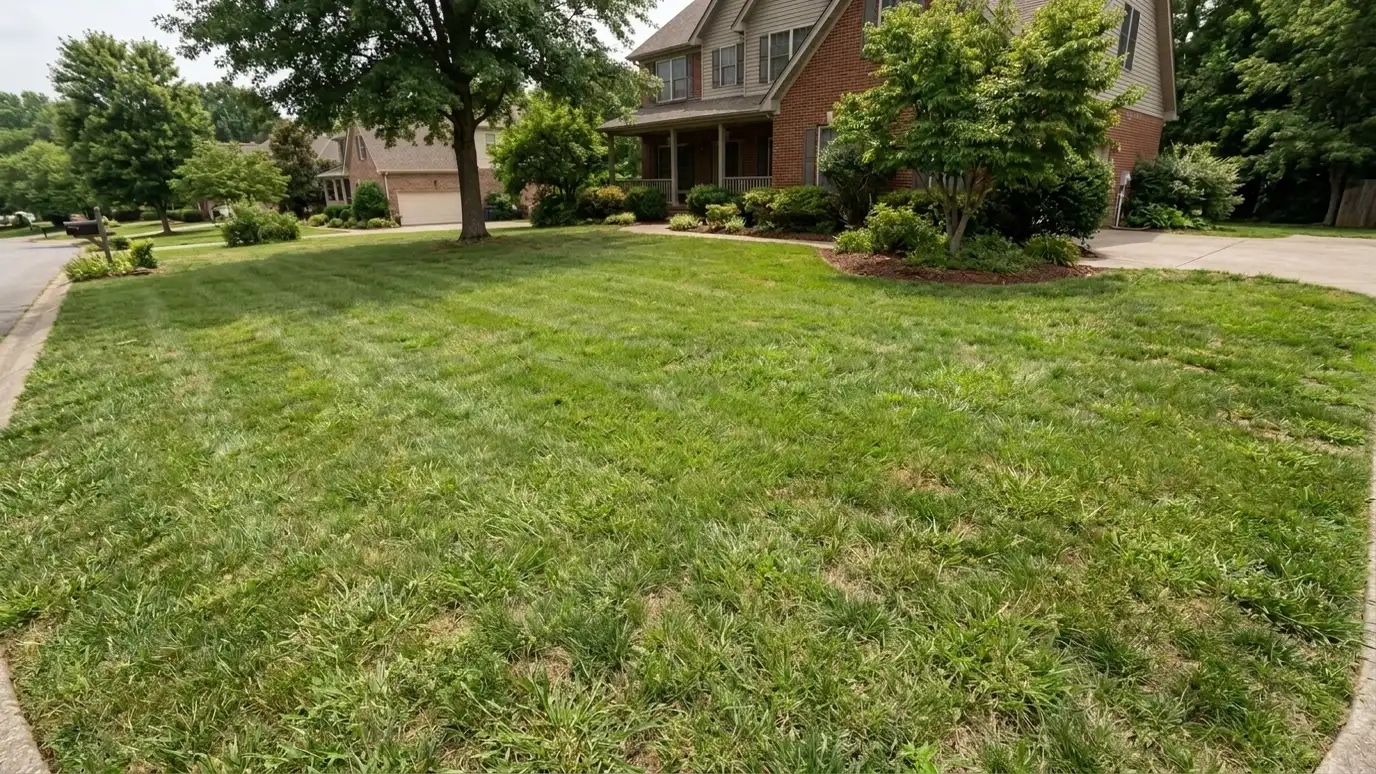
 BeforeAfter
Not just drought.
Edges and slopes.
Right product.
Reduce stress.
Seed or patch.
In hot weather.
Every topic has its own page with what to expect and how we approach it.
 Topic guideDiseases and Pests GuideBrown patch, dollar spot, grubs, armyworms, chinch bugs and fire ants: signs, timing and what to do about…Learn more
 Lawn typeBermudagrass LawnsA tough, fine-textured warm-season grass that loves full sun, heat and traffic, and rests brown through winter.Learn more
 Lawn typeZoysia LawnsA dense, plush warm-season turf with good shade tolerance for a warm-season grass and a soft feel underfoot.Learn more
Tick what you see in your lawn and get a priority list and a plain recommendation: care, treat, renew or renovate.
You tell us about your lawn and what you want to change, from weeds to a full program, and we set a visit that fits your day.
We walk the lawn, identify the grass, check the soil, weeds, pests and drainage and talk through your goals.
We build a calendar of treatments for your grass type and give you an itemized written estimate with options.
Visits are scheduled by season and weather, and any gates, pets or irrigation are noted.
Crews apply products and perform services with calibrated equipment and leave notes after each visit.
Each season we review the results with you and adjust the plan for the next one.
Drought patches respond to watering. Insect damage keeps spreading, especially in sunny areas.
Sunny lawns in hot weather, especially thin or stressed turf.
Often with treatment, watering and overseeding for dead areas.
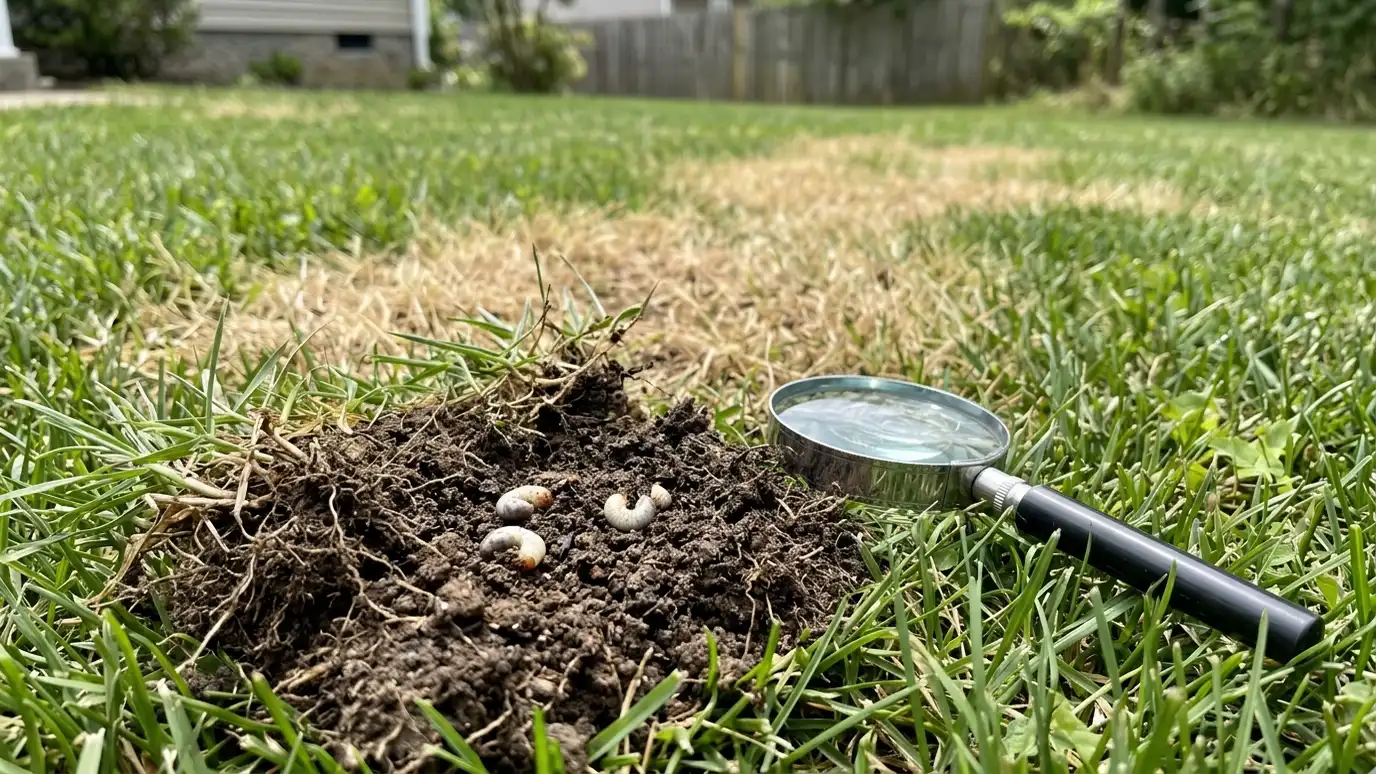
We examine the thatch edge of damaged areas and use a flotation test.
Healthy turf, proper watering and monitoring in hot weather help.
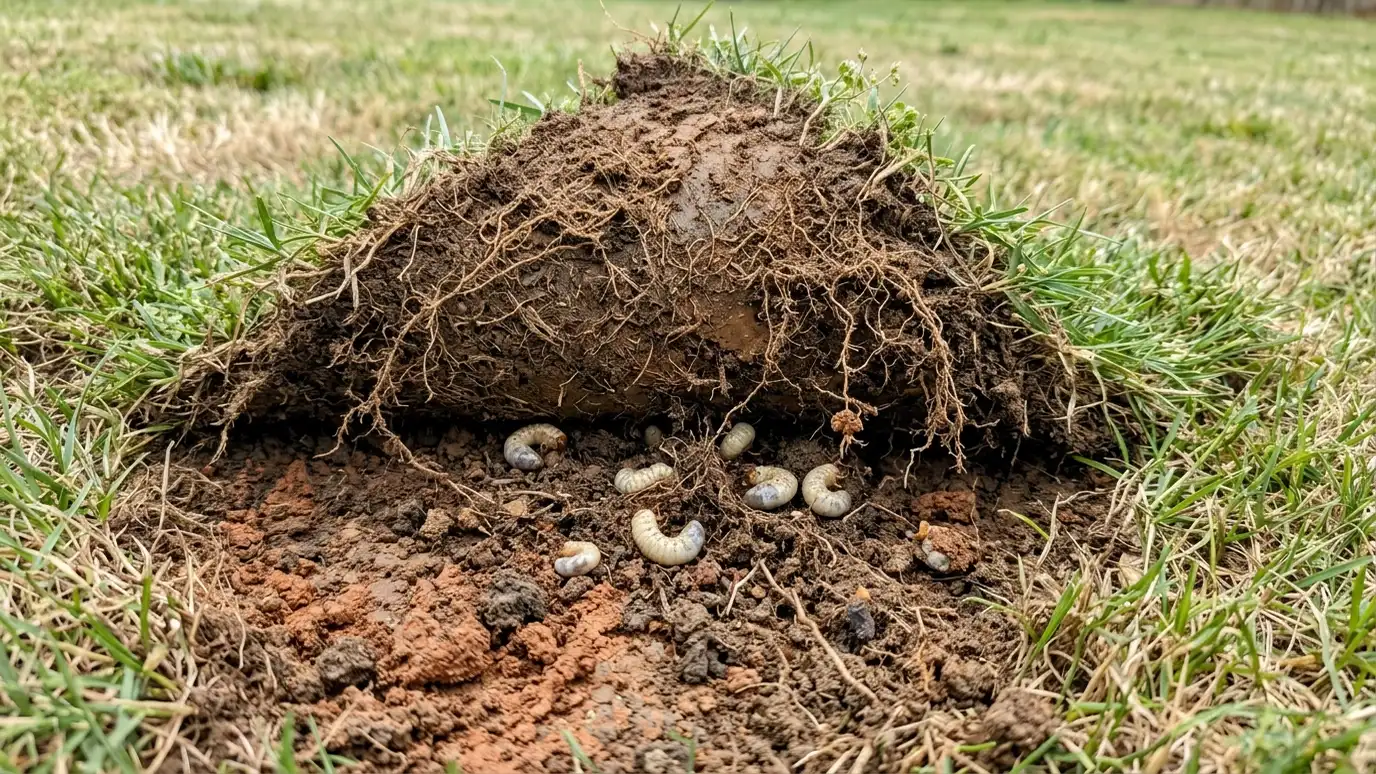 Grub ControlPreventive and curative grub treatment to protect your turf from white grubs that feed on roots and ruin…Explore
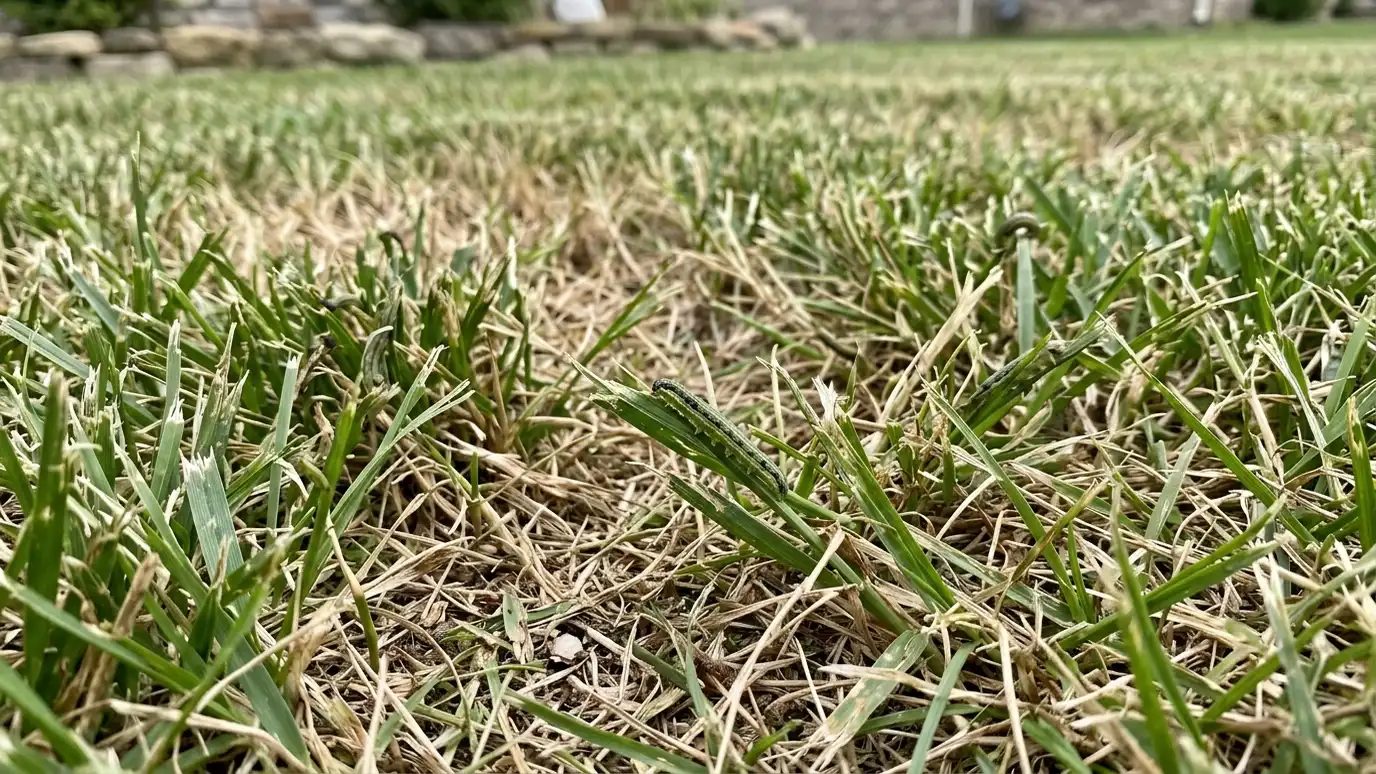 Armyworm and Sod Webworm ControlQuick response to caterpillars that chew grass blades, with scouting, treatment and recovery advice for the late-summer season.Explore
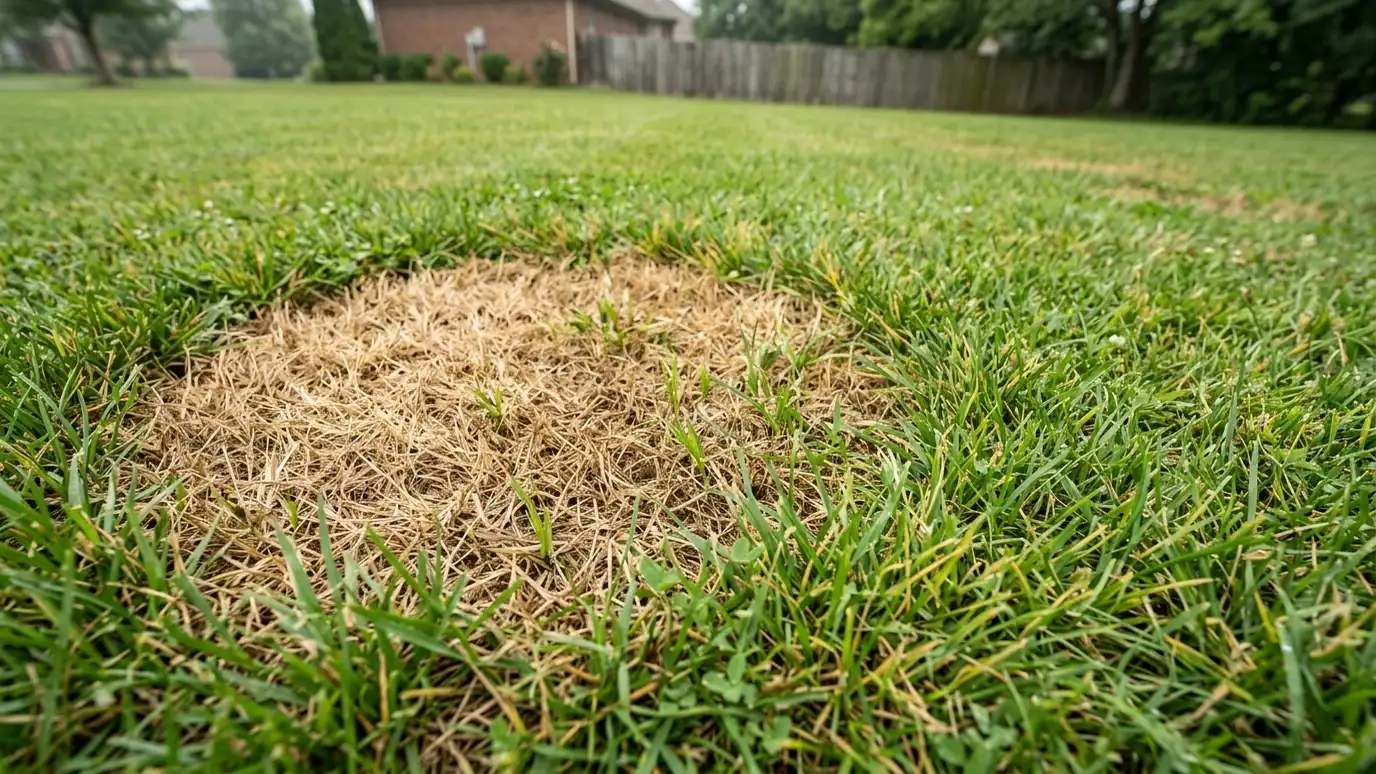 Lawn Disease ControlIdentification and treatment of lawn diseases such as brown patch, dollar spot and leaf spot, plus the habits…Explore
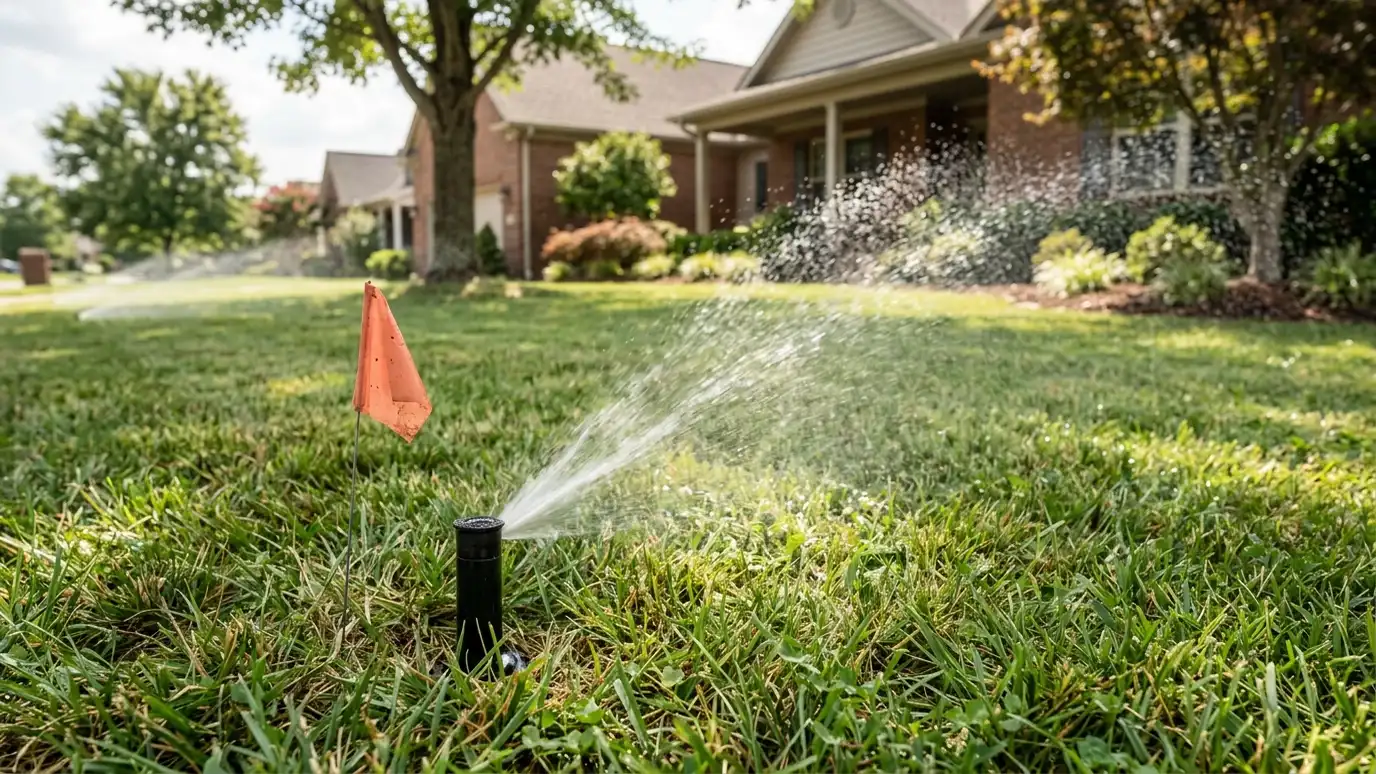 Irrigation Checkups and AdjustmentsZone-by-zone sprinkler inspections that find broken heads, poor coverage and wasted water, with adjustments for your lawn.Explore
Tell us about your lawn and we will call you back to set up a visit.
Or call (615) 357-7797 to talk now.