How much, how often and when to water a Tennessee lawn, with tips for new seed, summer heat and sprinklers.
Most lawns need about an inch of water a week, including rain, but the way you deliver it matters more than the number. Deep, infrequent watering pushes roots down and makes grass tougher, while daily light sprinkling keeps roots shallow and invites disease. Early morning is the best time, because water soaks in before the heat and leaves dry out during the day. Evening and night watering leave grass wet for hours, which fungus loves.
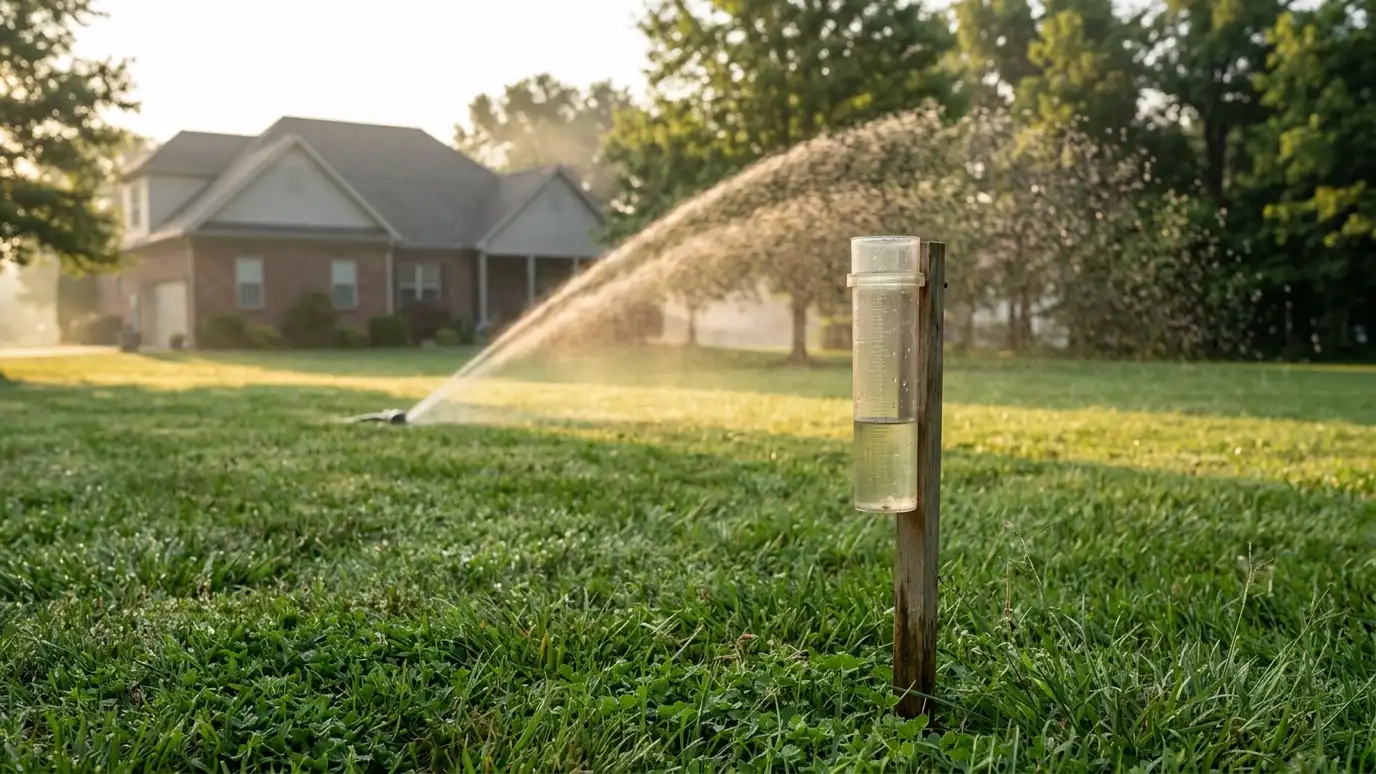
New seed and sod are different. They need frequent light watering until roots establish, then a gradual shift to deeper, less frequent cycles. In hot spells, cool-season grasses may go dormant without enough water, and warm-season grasses cope better. A simple rain gauge or tuna can in the lawn shows how much your sprinklers deliver. If you have an irrigation system, a seasonal checkup keeps it efficient and prevents dry stripes and soggy spots.
Including rain.
Dries by day.
Builds roots.
Frequent and light.
Rain gauge or can.
Even coverage.
 Seasonal Treatment SchedulesA clear calendar of what your lawn needs each month in Middle Tennessee, for cool-season and warm-season grasses.Explore
 Scheduling and CoordinationOne contact for visit timing, reminders and changes, so treatments, mowing and extras happen on time without you…Explore
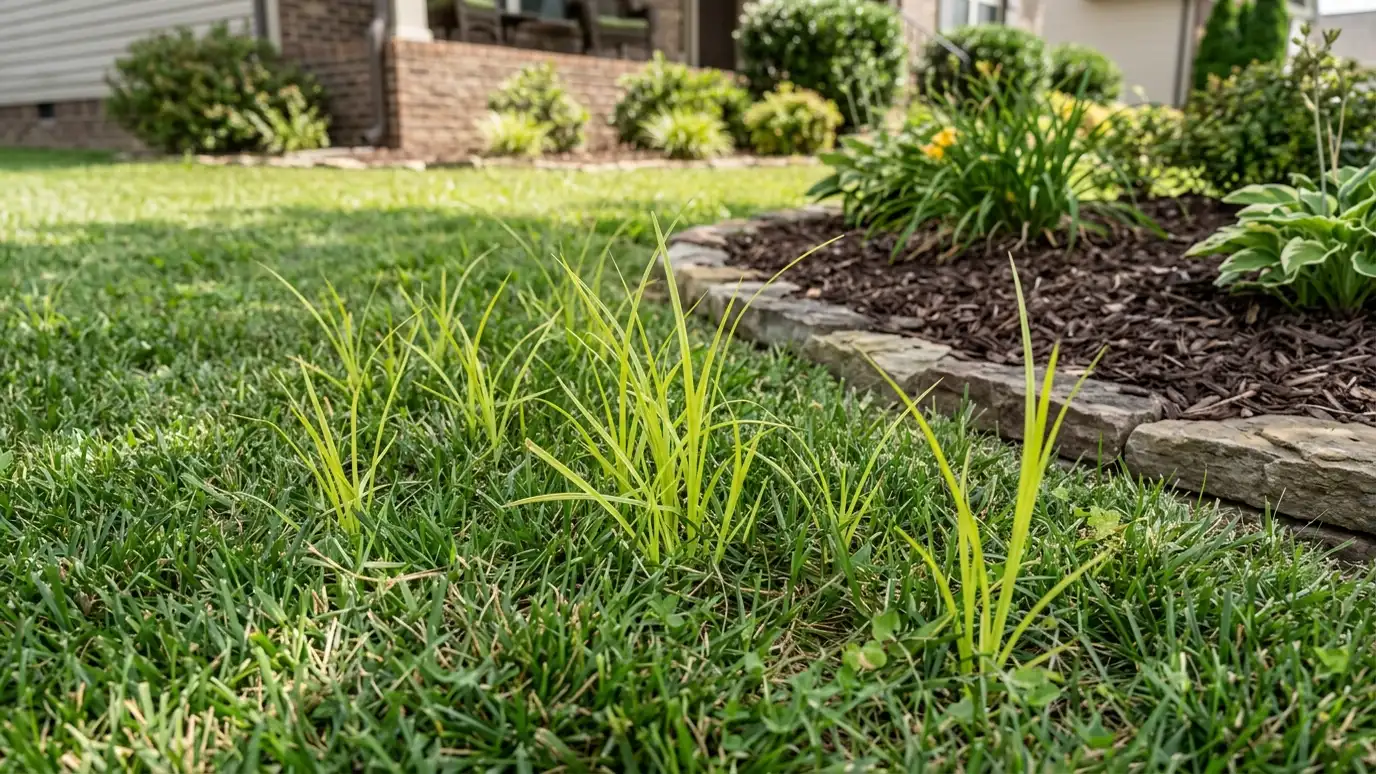 Nutsedge and Grassy Weed ControlSpecialized control for yellow nutsedge, wild garlic, goosegrass and other tough weeds that ordinary treatments miss.Explore
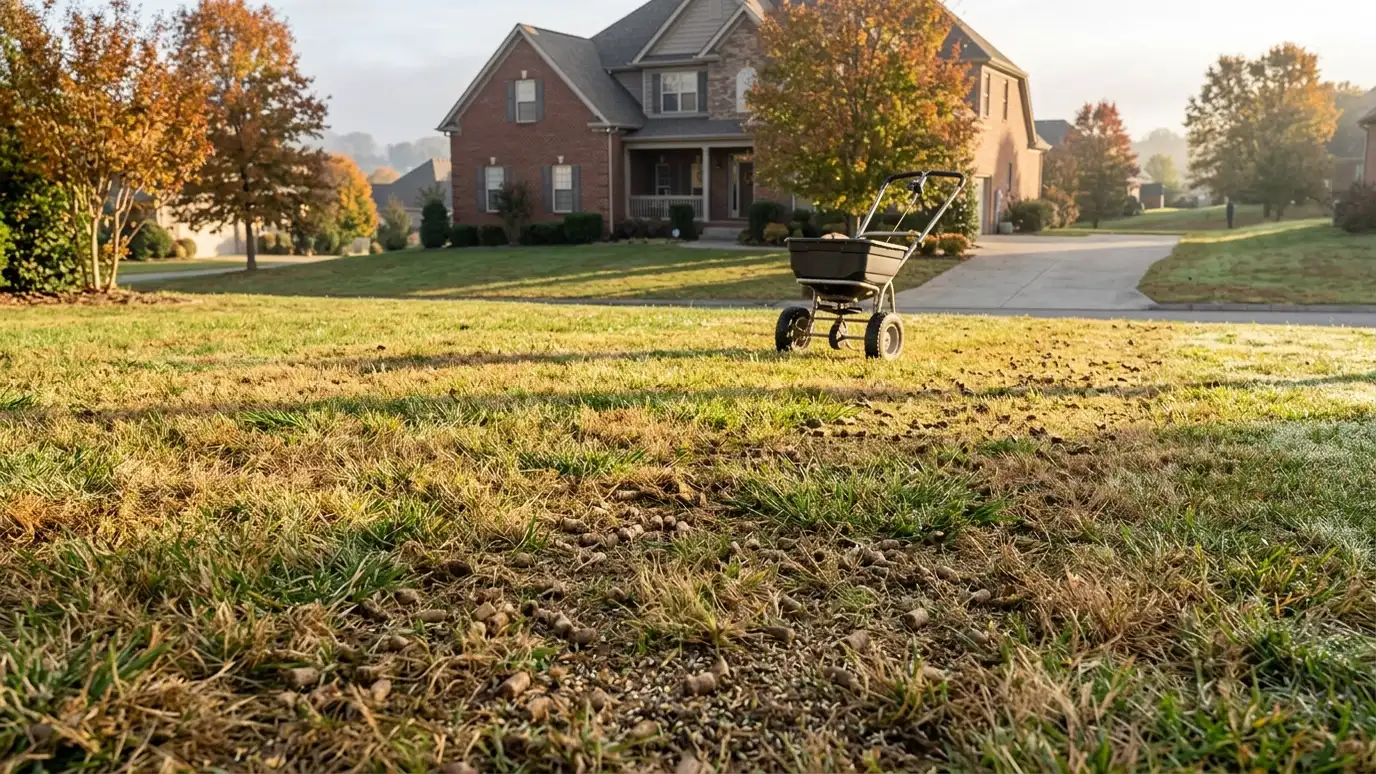 Aeration and Overseeding PackagesCore aeration, premium seed, starter fertilizer and aftercare in one fall package, the most effective way to renew…Explore
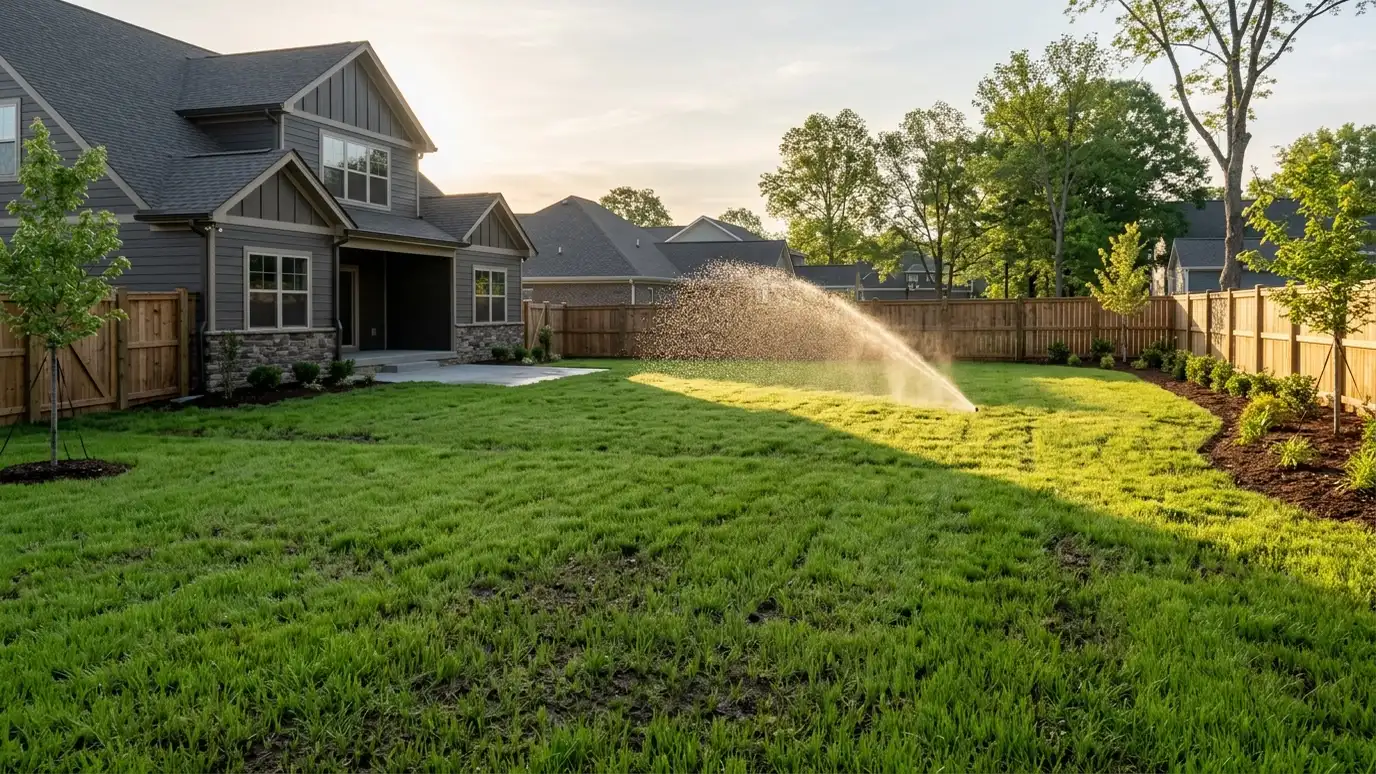 New Lawn EstablishmentEverything a new lawn needs in its first year: soil prep, planting, starter feeding, watering guidance and early…Explore
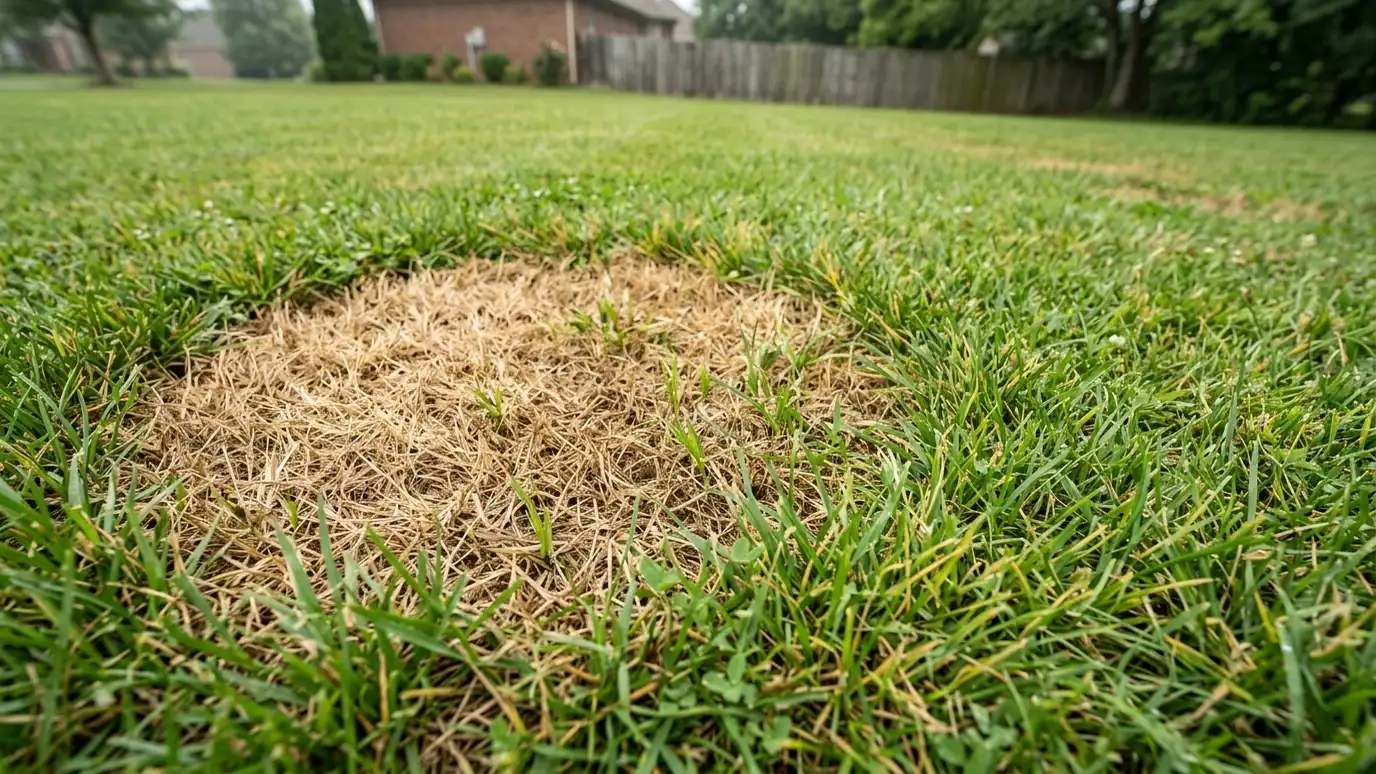 Lawn Disease ControlIdentification and treatment of lawn diseases such as brown patch, dollar spot and leaf spot, plus the habits…Explore
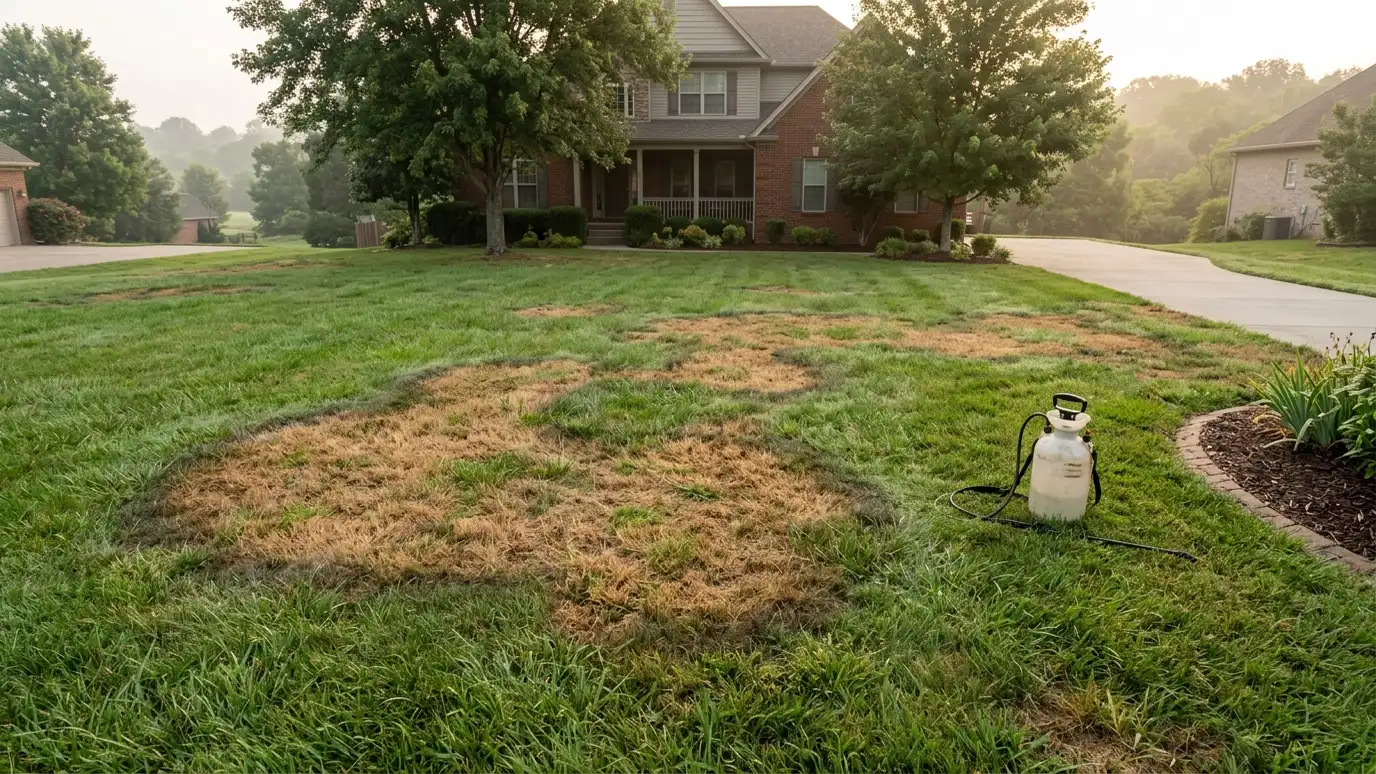 Brown Patch TreatmentTargeted treatment and prevention of brown patch, the summer fungus that leaves circular tan patches in fescue lawns.Explore
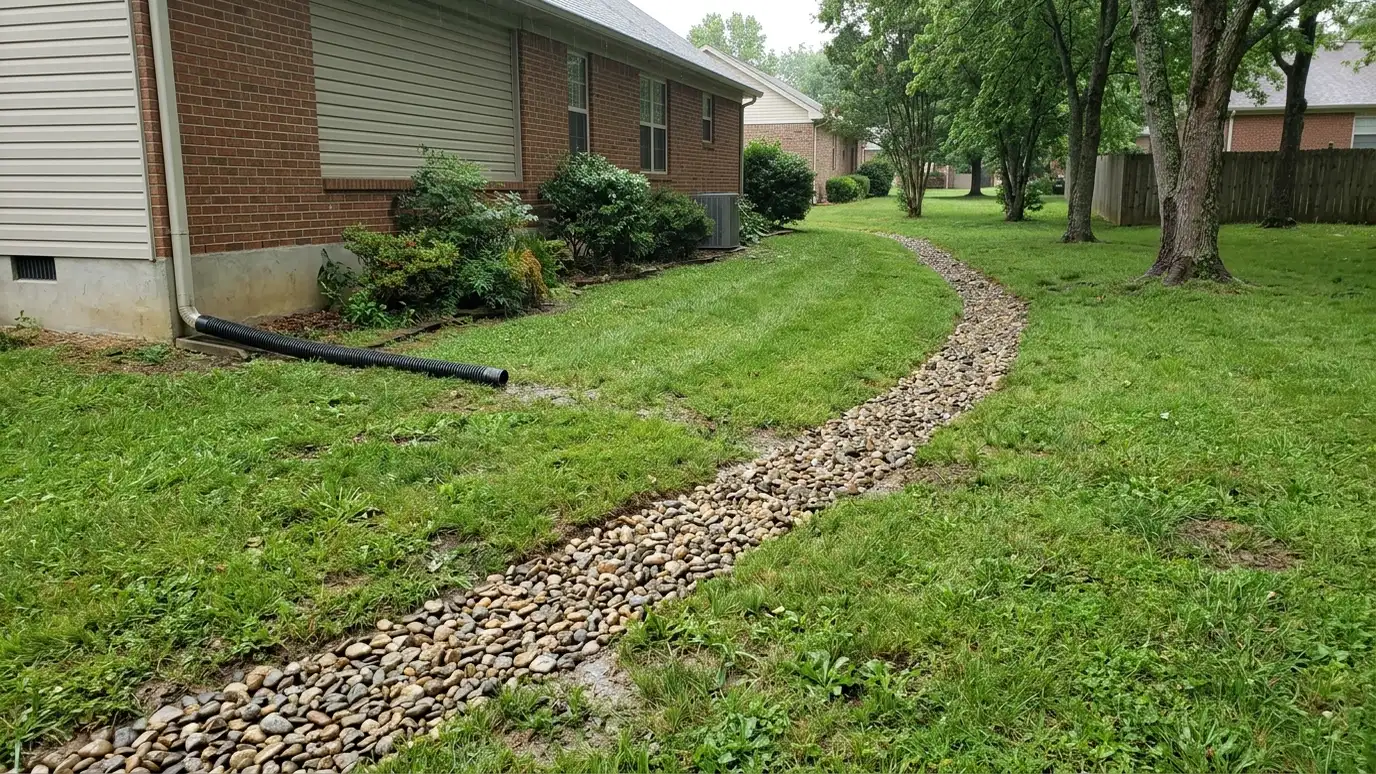 Drainage and Grading FixesSolutions for soggy spots, standing water and runoff: regrading, swales, French drains and downspout extensions.Explore
Take the quiz, check your lawn or ballpark a budget.
 Which Lawn Service Do I Need? QuizAnswer five questions about your lawn, your goals and your budget to see which lawn services to start with.Try it
 Lawn Condition Checker: Treat or Renovate?Tick what you see in your lawn and get a priority list and a plain recommendation: care, treat, renew or renovate.Try it
 Lawn Care Budget PlannerPick a service, set the lawn size and add extras to see a ballpark planning range for your lawn care.Try it
Early morning, so leaves dry quickly and less water evaporates.
Set empty tuna cans on the lawn and measure after a cycle.
A light drink every few weeks can keep crowns alive in prolonged drought.
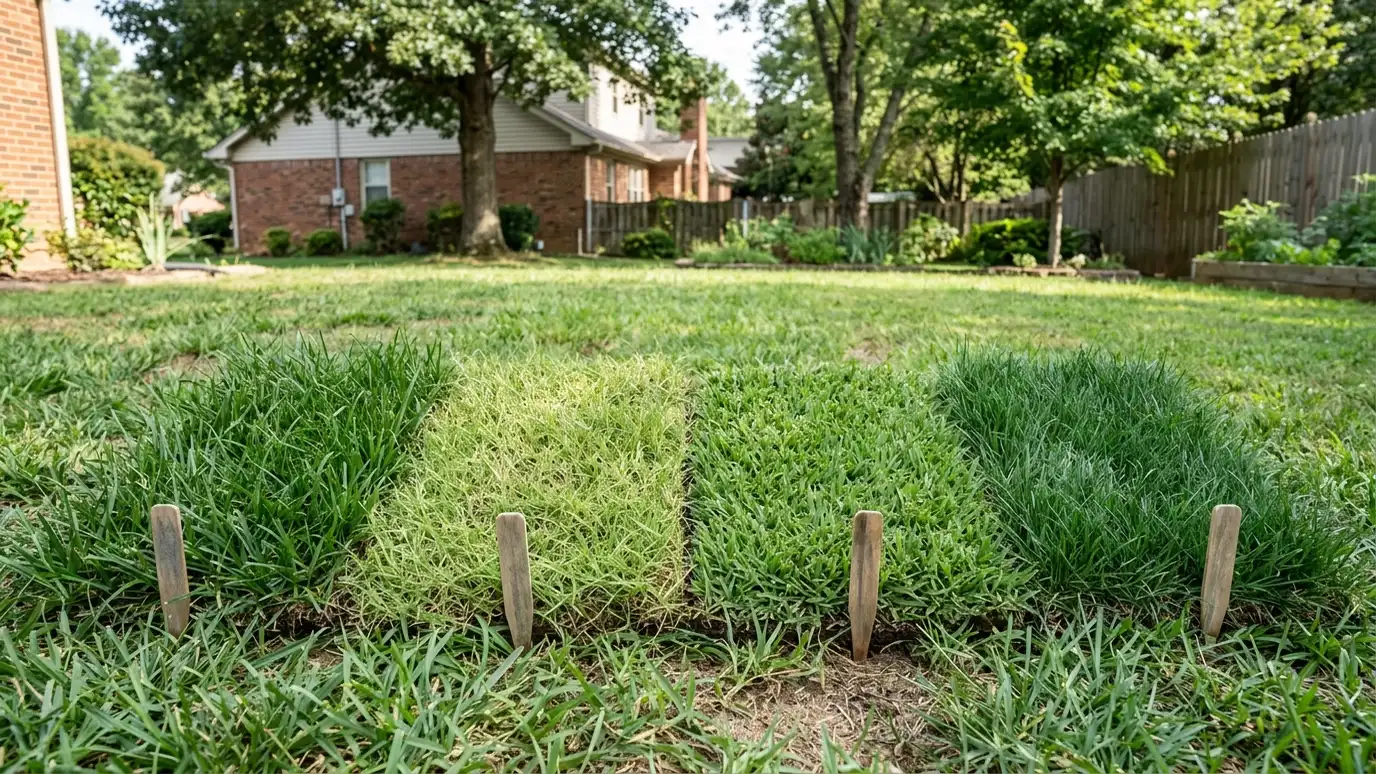 Topic guideGrass Types ComparedTall fescue, bermuda, zoysia and Kentucky bluegrass compared on sun, shade, wear, water, color and winter look.Learn more
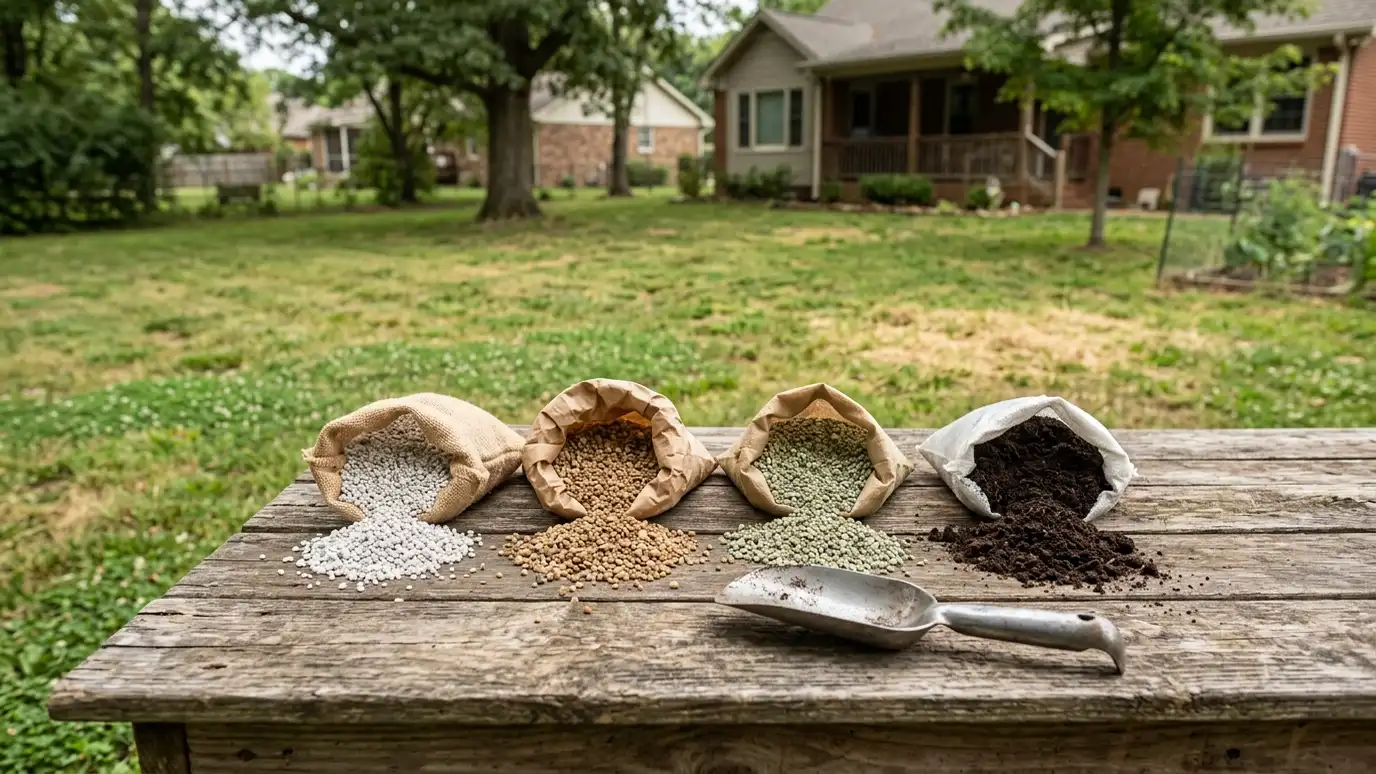 Topic guideFertilizer Types ComparedQuick release, slow release, liquid, granular and organic fertilizers compared on speed, cost, risk and results.Learn more
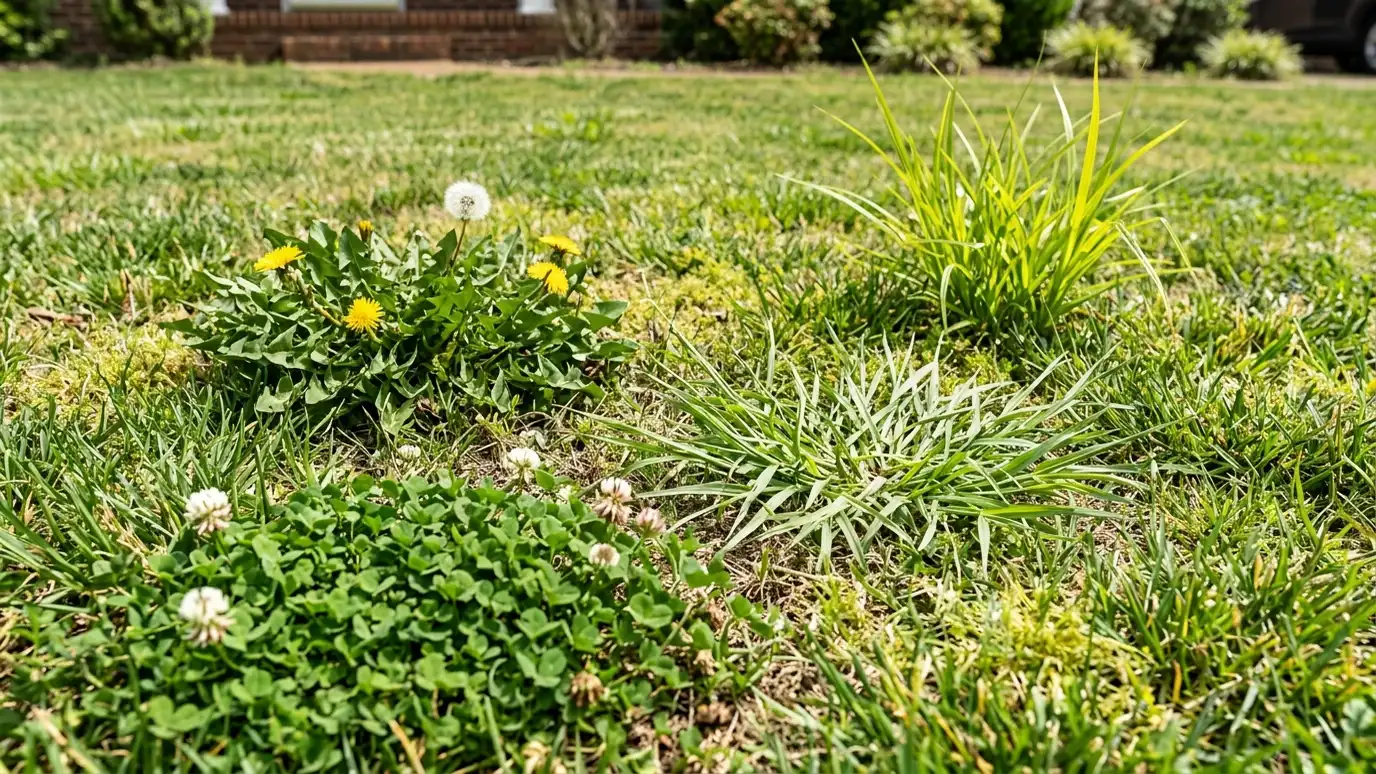 Topic guideWeed Types and ControlsCrabgrass, dandelion, clover, nutsedge, chickweed and more: how to tell them apart and what controls each.Learn more
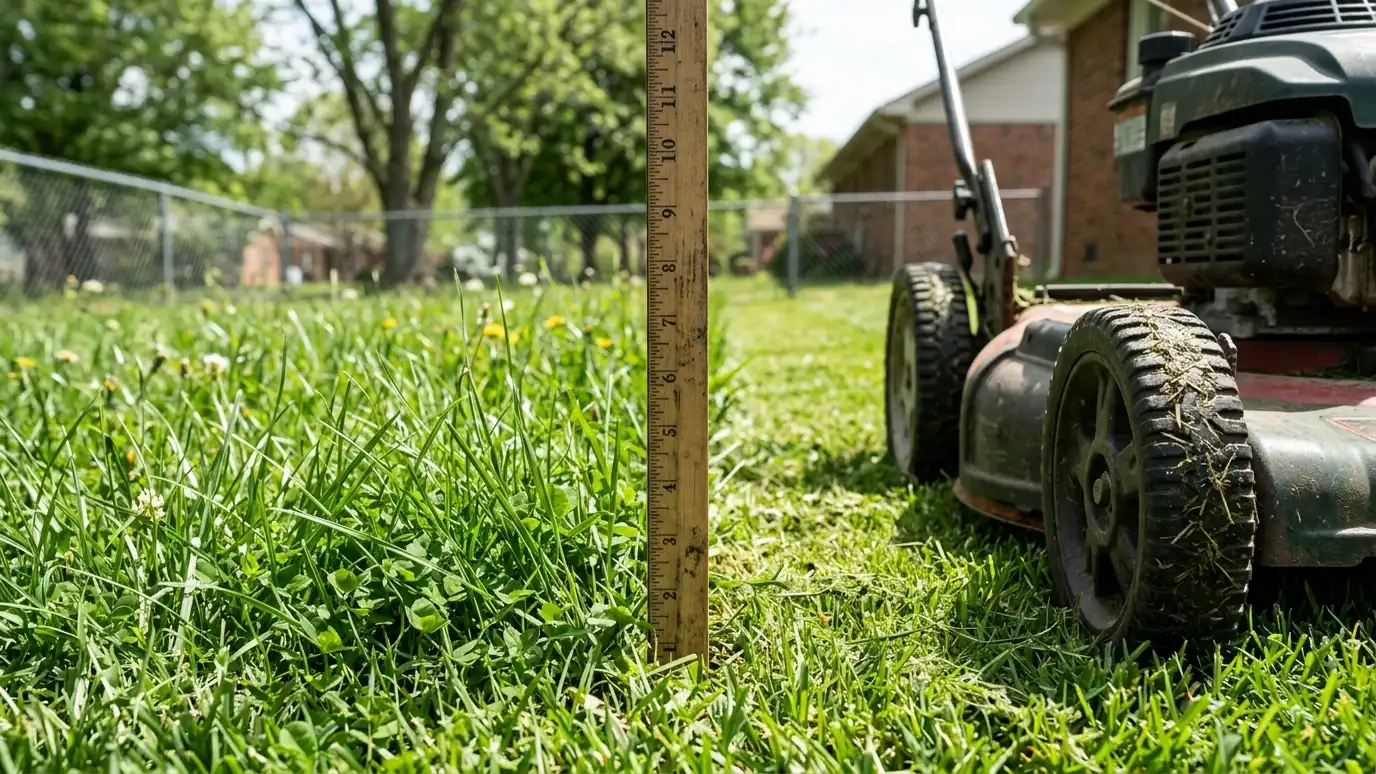 Topic guideMowing Heights and ScheduleThe right cutting height by grass type and season, how often to mow and the one-third rule that…Learn more
Call us and we will walk your lawn, check the turf and soil and give you an itemized written estimate.