Deep root feeding and slow release fertilizer that supports healthy growth in trees and shrubs, especially in compacted clay soil.
Trees and shrubs in a typical yard live in far from natural conditions. Their roots compete with turf for water and nutrients, and many sit in compacted clay or soil scraped clean of organic matter during construction. Over time, that shows as thin leaves, early fall color, small growth and vulnerability to pests and storms. In Middle Tennessee, mature oaks, maples and dogwoods all benefit from occasional feeding, and young plantings need extra support to establish.
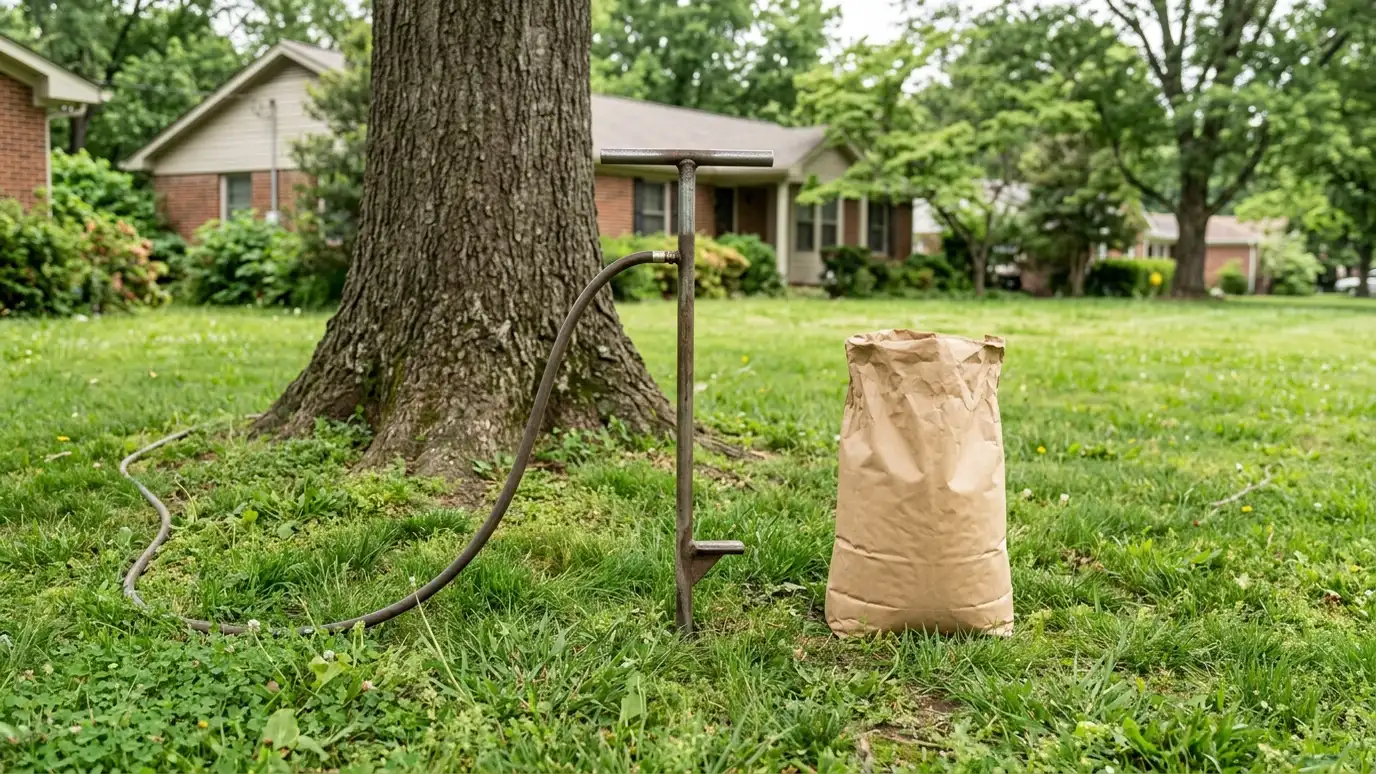
We feed trees and shrubs with a slow release fertilizer placed in the root zone, using deep root feeding equipment where it helps and a soil-test approach where possible. Timing is usually early spring or fall, when roots are active. We choose products suited to the plant type, such as acid-loving blends for azaleas and hollies, and follow label directions. We also look at mulch, watering and compaction, because fertilizer cannot fix poor conditions on its own. The result is steadier growth, better leaf color and a stronger plant.
Deep root feeding places nutrients where roots can reach them, below the competing turf.
Gradual feeding supports steady growth without a harmful surge.
Acid-loving shrubs such as azaleas, hollies and camellias get blends designed for them.
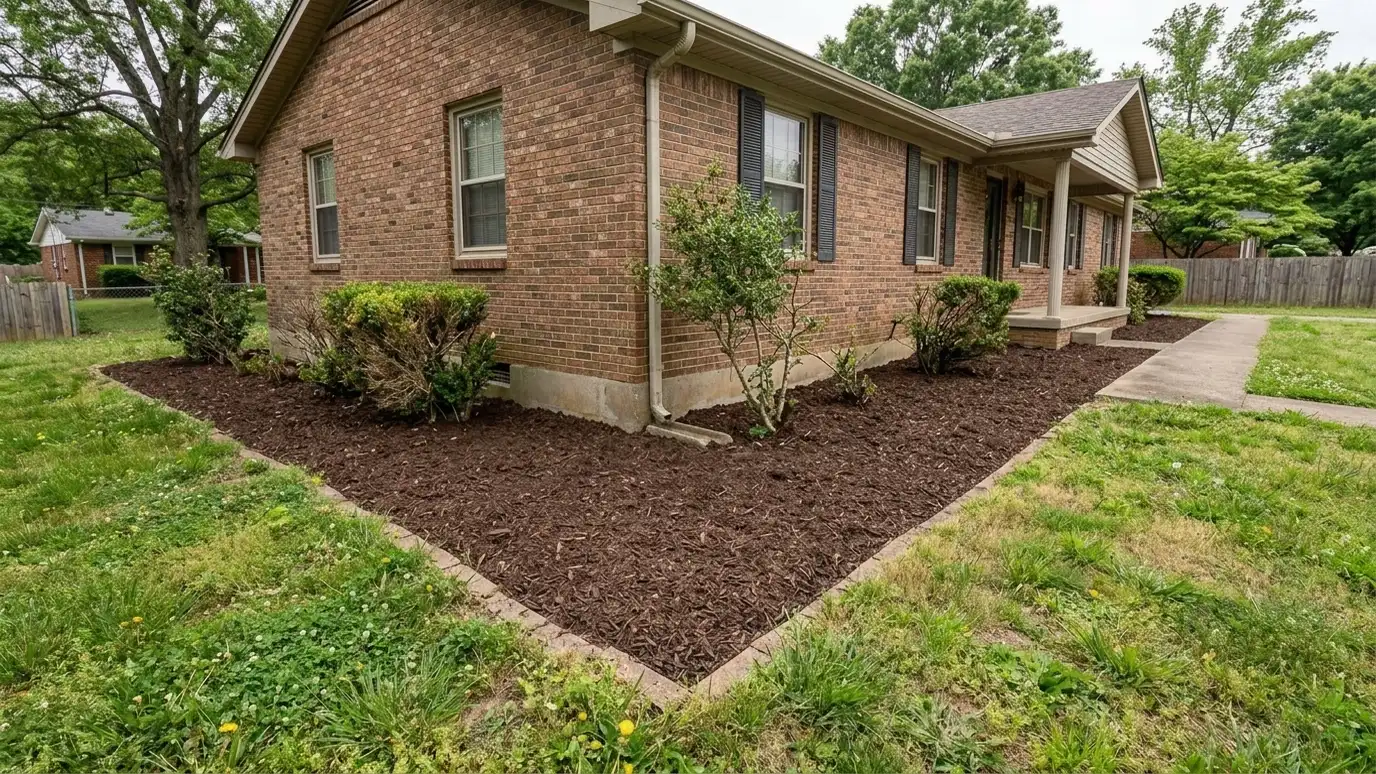
Mulch, watering and compaction are reviewed, because fertilizer cannot fix poor growing conditions.
Drag the handle to compare.
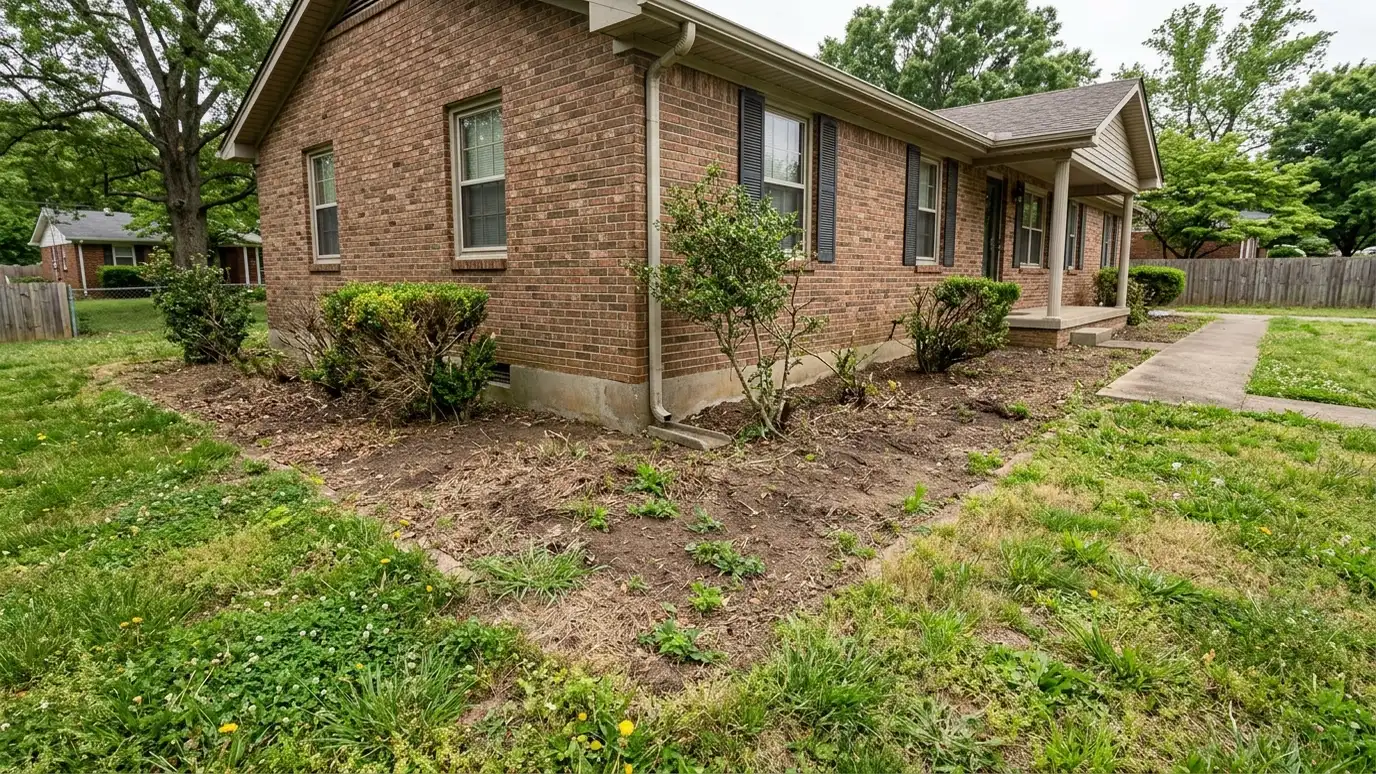 BeforeAfter
Better leaf color.
Where roots are.
Steady growth.
Acid-loving shrubs.
Mulch and water.
Spring or fall.
Every topic has its own page with what to expect and how we approach it.
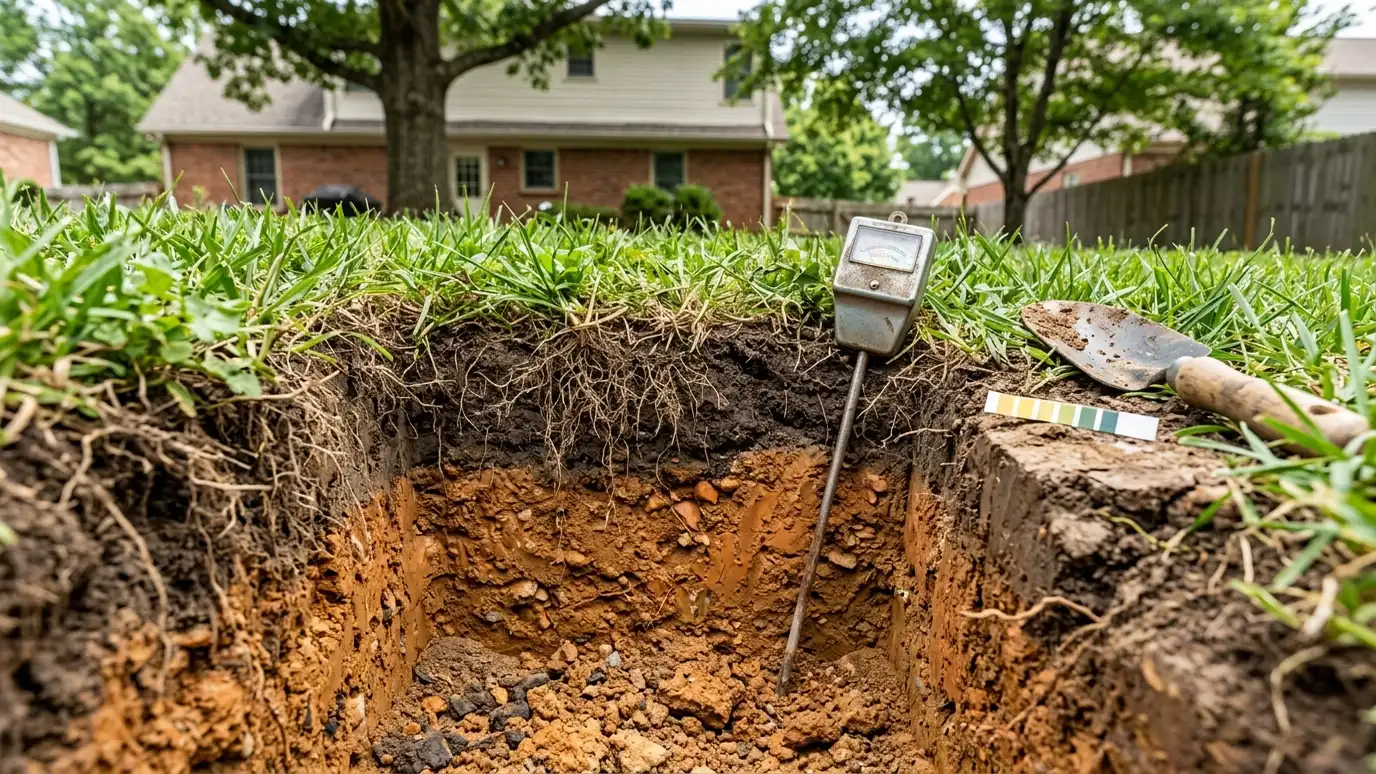 Topic guideSoil and pH GuideClay, compaction, organic matter and pH explained, with simple ways to test and improve the soil under your…Learn more
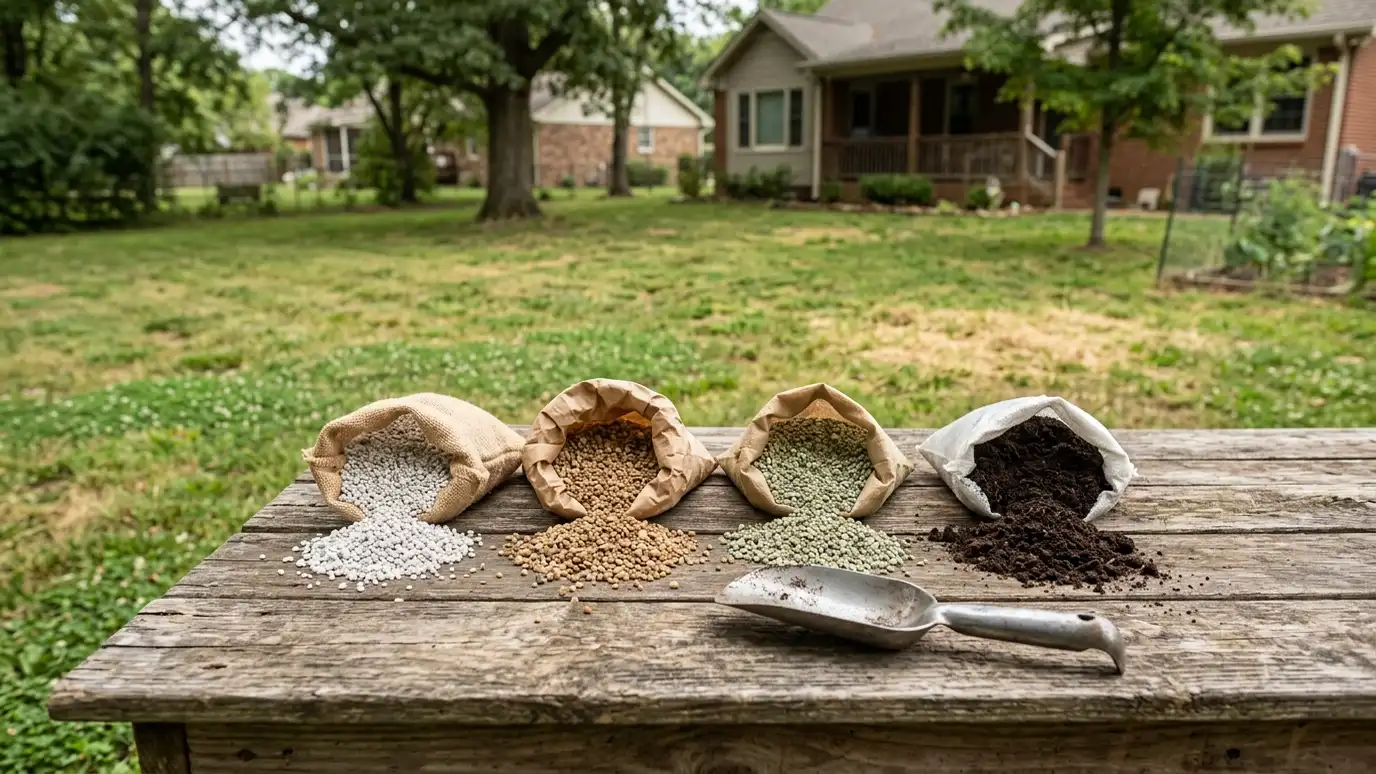 Topic guideFertilizer Types ComparedQuick release, slow release, liquid, granular and organic fertilizers compared on speed, cost, risk and results.Learn more
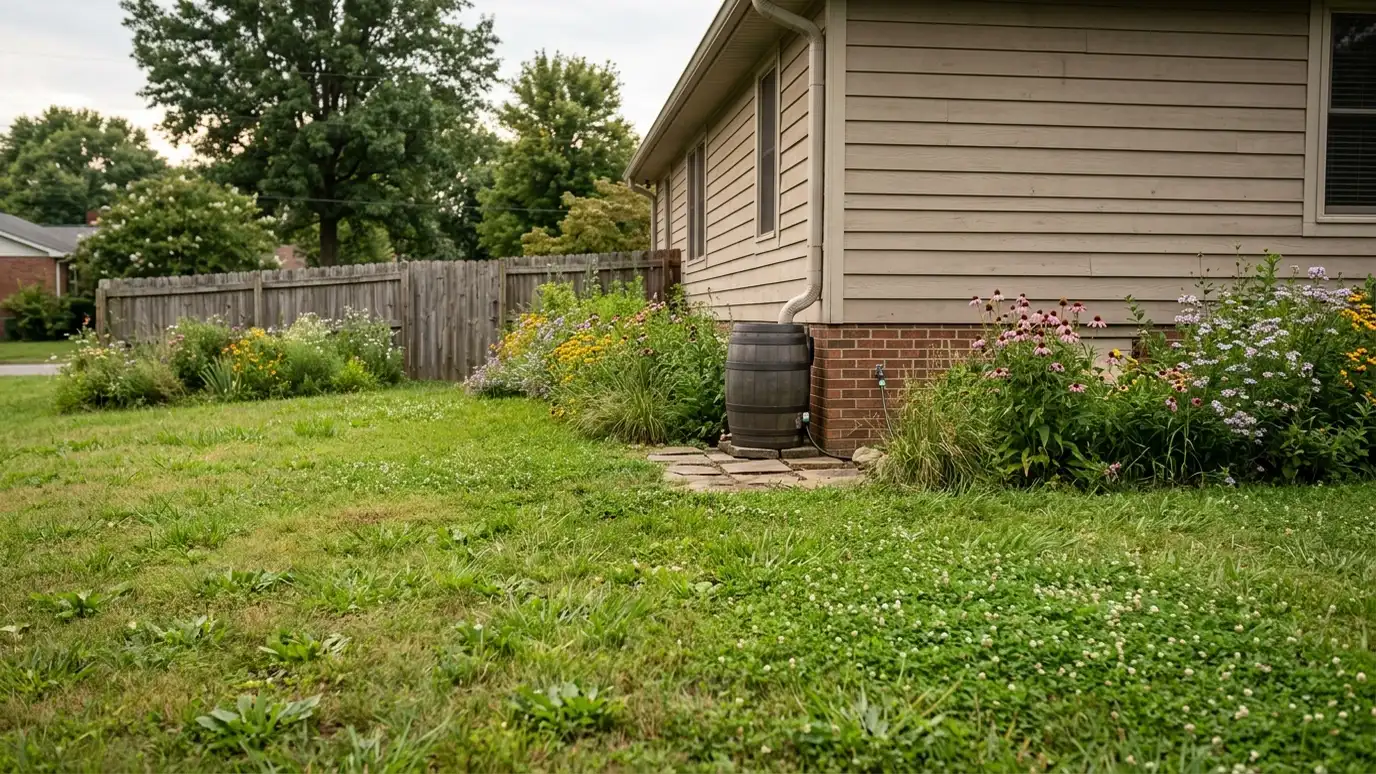 Lawn typeEco-Friendly LawnsA greener approach: compost, clover, native borders and smarter water use, without giving up a good-looking yard.Learn more
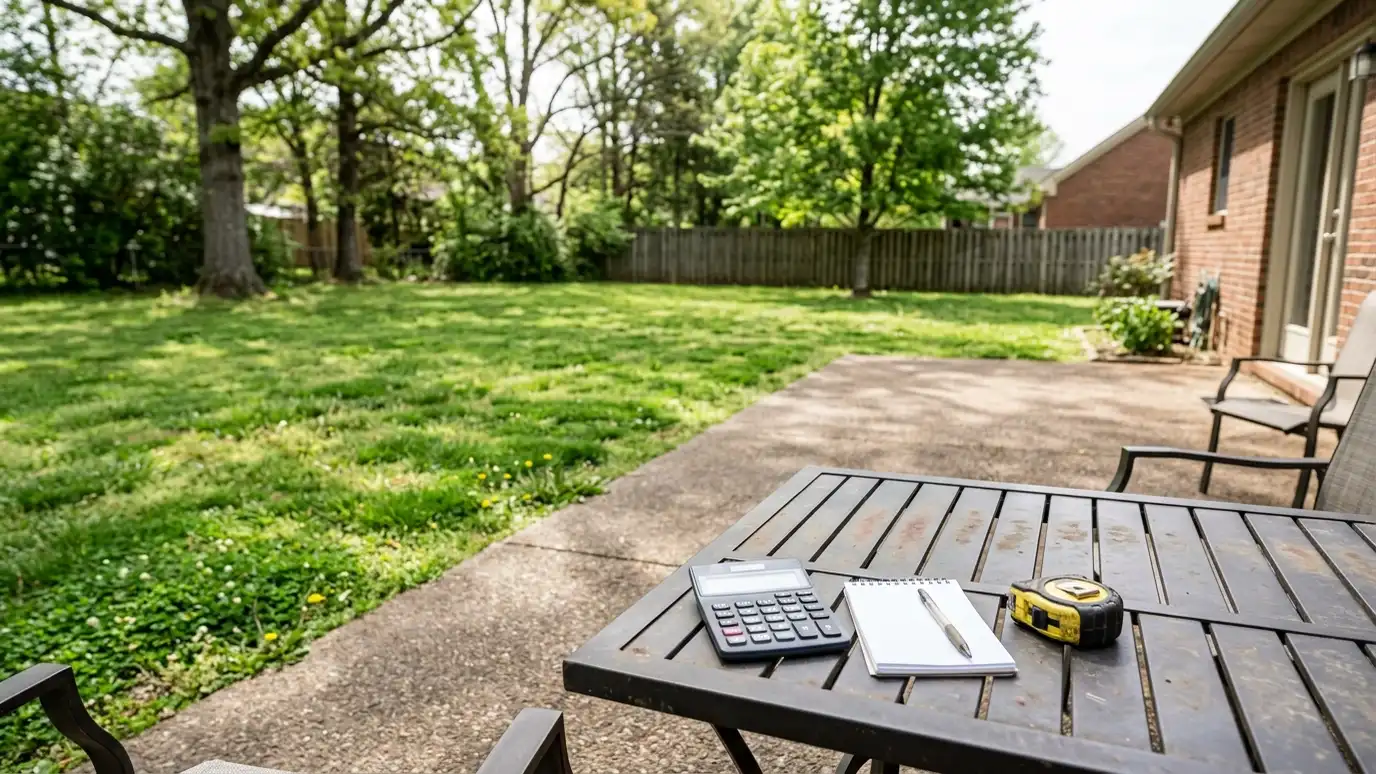
Enter the lengths and widths of your lawn sections to see square feet, fertilizer bags, seed, sod and a planning range.
You tell us about your lawn and what you want to change, from weeds to a full program, and we set a visit that fits your day.
We walk the lawn, identify the grass, check the soil, weeds, pests and drainage and talk through your goals.
We build a calendar of treatments for your grass type and give you an itemized written estimate with options.
Visits are scheduled by season and weather, and any gates, pets or irrigation are noted.
Crews apply products and perform services with calibrated equipment and leave notes after each visit.
Each season we review the results with you and adjust the plan for the next one.
Many trees in yards benefit, especially young trees and those in compacted or stripped soil.
Early spring or fall, when roots are active.
Some of it does, but dedicated feeding is more effective for woody plants.
Yes. Too much can harm the plant. We use label rates and soil information.
Often over a season, as growth and leaf color improve.
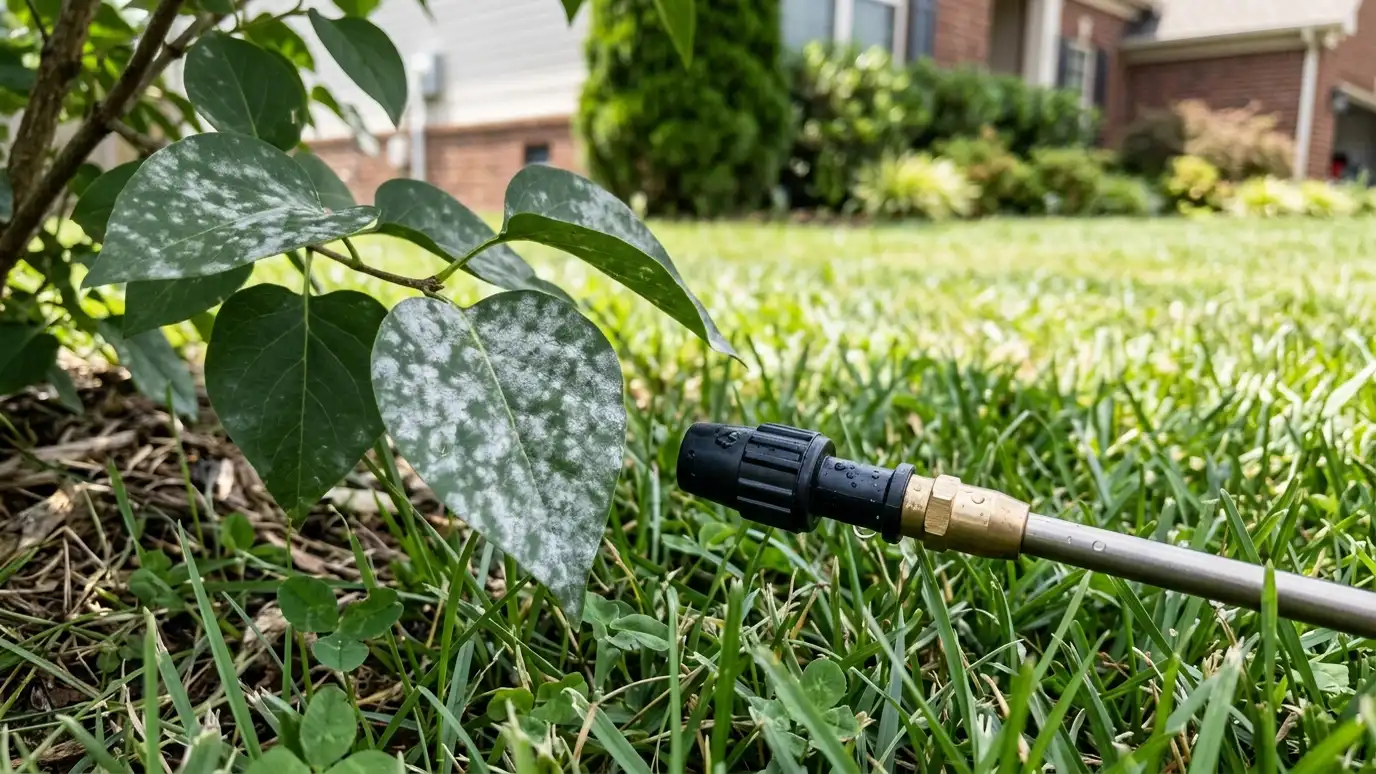 Tree and Shrub Pest and Disease CareInspection and treatment for scale, aphids, bagworms, powdery mildew, leaf spot and other problems that stress your landscape…Explore
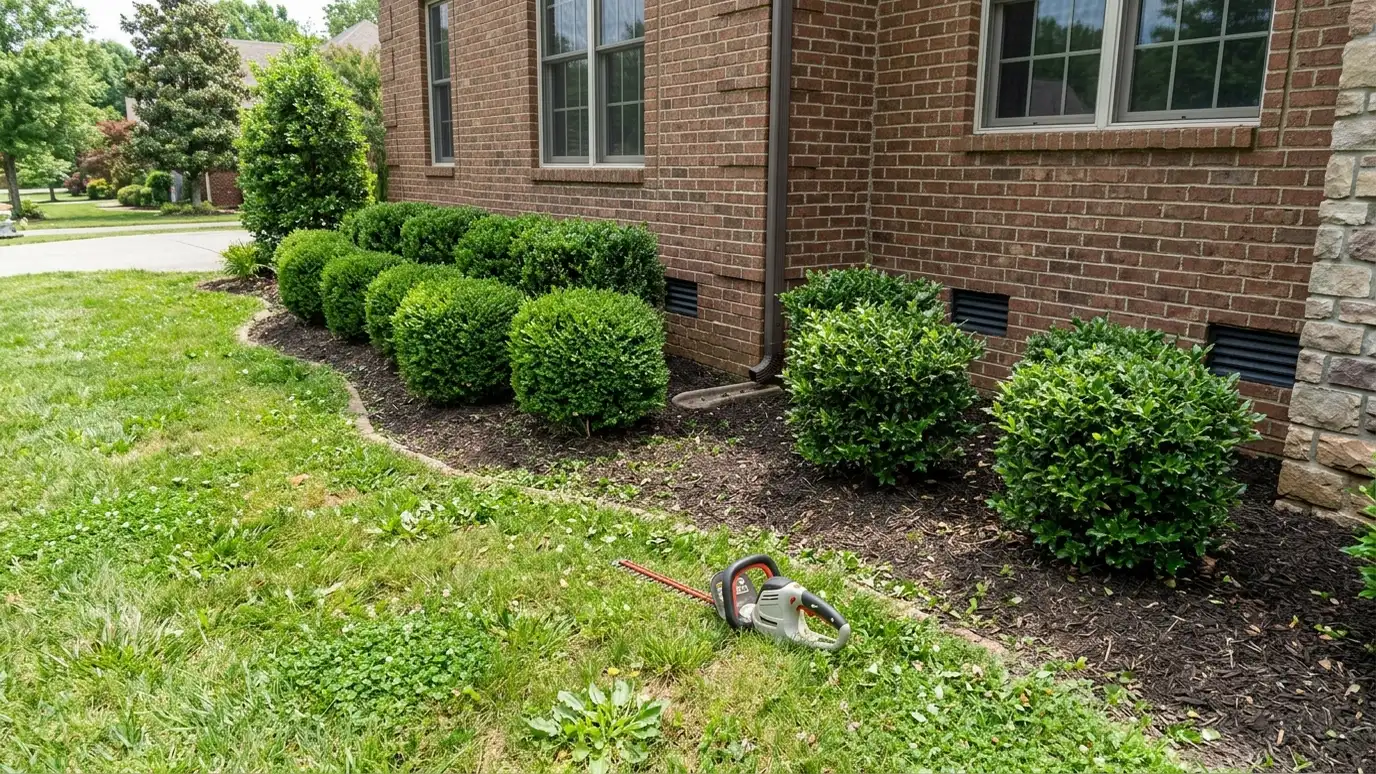 Shrub Trimming and PruningShaping, thinning and renewal pruning at the right time of year, so shrubs stay healthy, neat and in…Explore
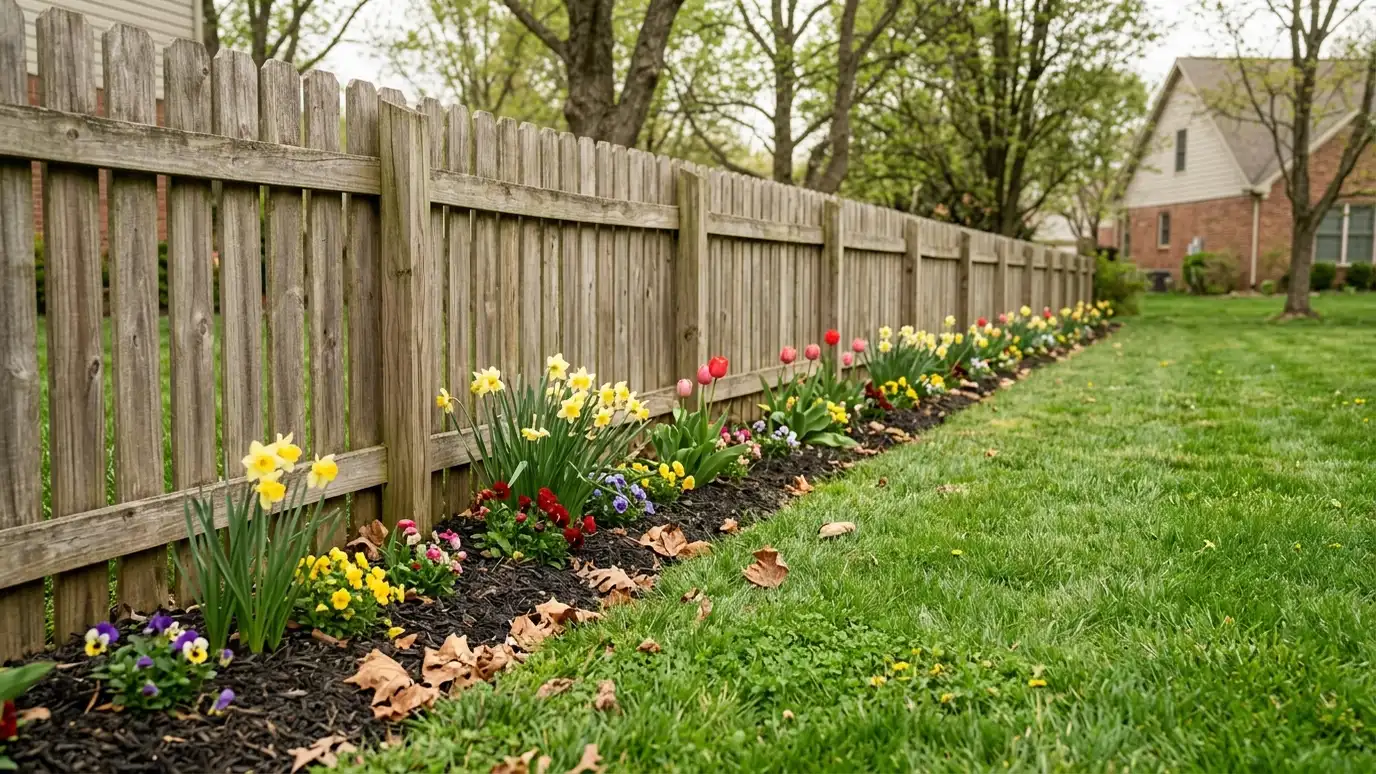
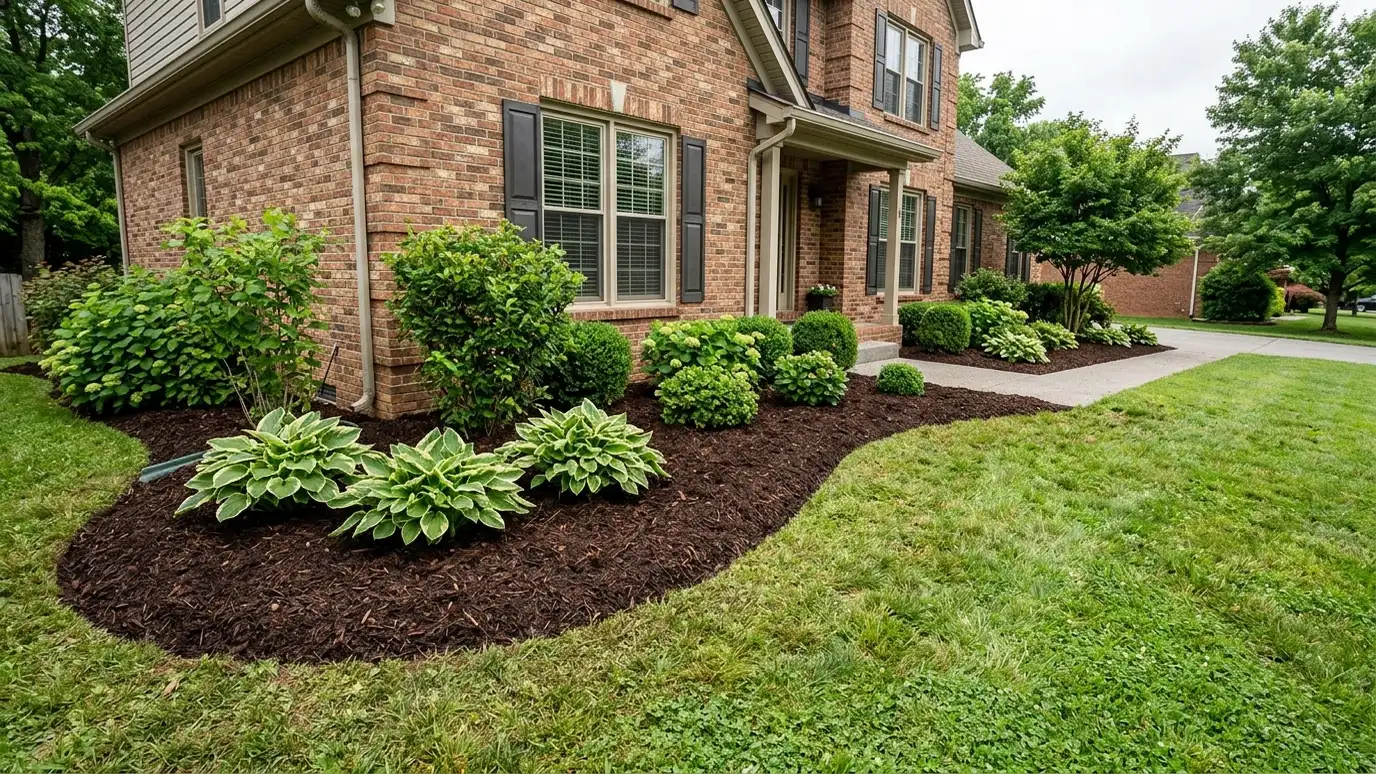 Mulching and Bed MaintenanceFresh mulch, crisp bed edges and regular weeding that keep landscape beds healthy and looking sharp all season.Explore
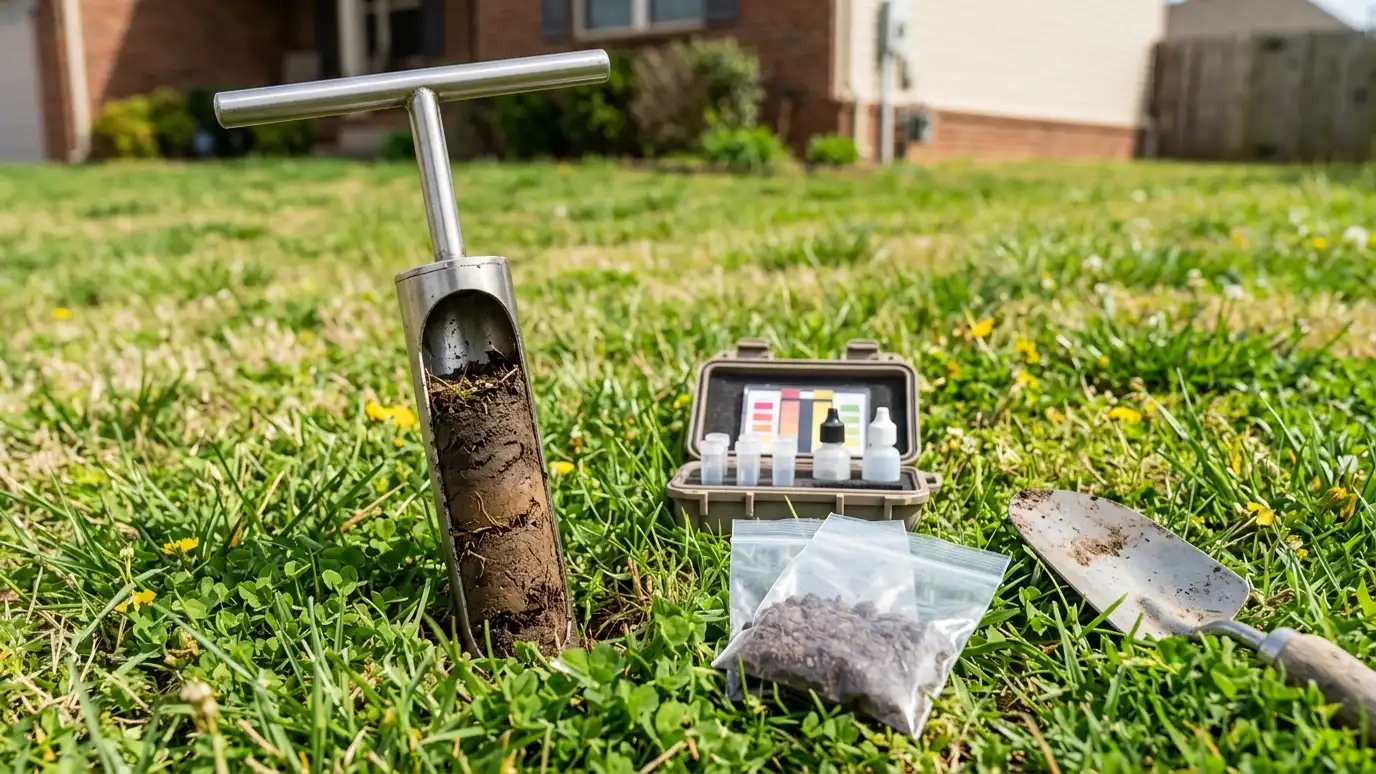 Lawn Analysis and Soil TestingSoil samples, pH and nutrient checks and a turf inspection, so treatments match what your lawn actually needs.Explore
Tell us about your lawn and we will call you back to set up a visit.
Or call (615) 357-7797 to talk now.