Winter: plan and prevent
In late winter, apply pre-emergent for crabgrass as soil approaches the mid fifties. Service mowers, sharpen blades and test soil. Avoid walking on frozen turf, and clear storm debris.
Warm-season lawns are dormant, so leave them alone.
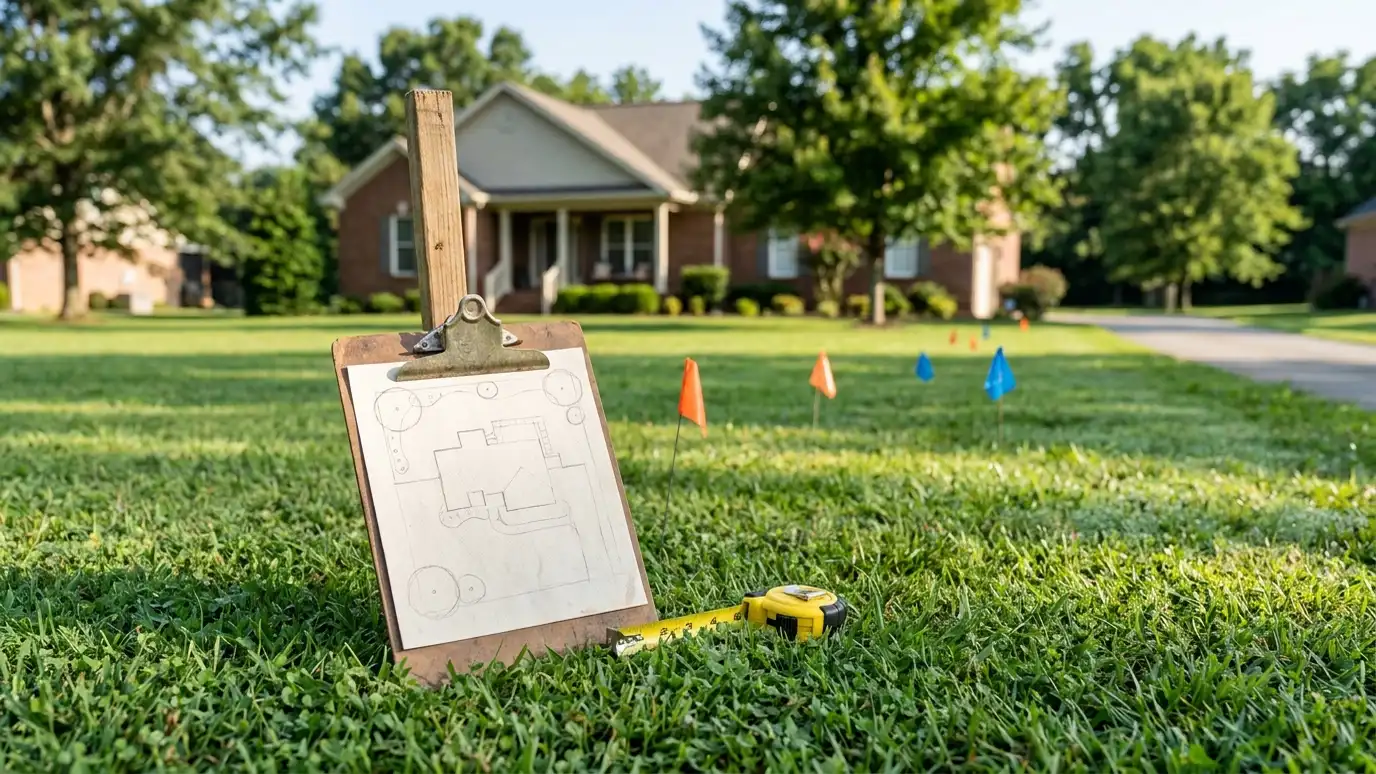
Print the calendar and tape it inside a shed or garage door. A visible plan beats a good intention every time.
Spring: wake up and feed
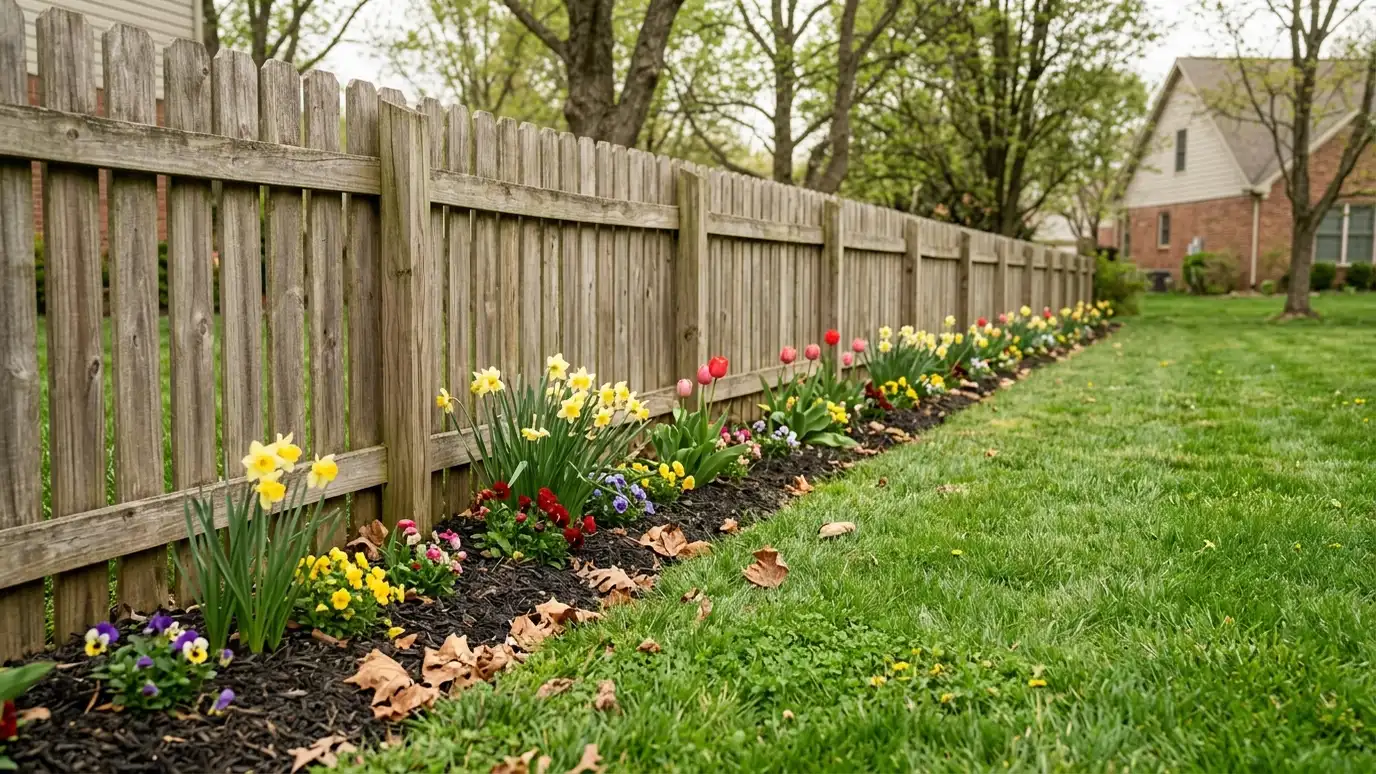
Cool-season lawns get a balanced feeding in early spring. Treat broadleaf weeds, begin mowing and edge beds. Warm-season lawns green up and get their first feeding after they are growing.
Avoid heavy nitrogen on cool-season grass in late spring.
Mark soil temperature checks on your calendar in late winter. An inexpensive soil thermometer helps you time pre-emergent well.
Early summer: protect
Apply grub preventive and a second pre-emergent round if needed. Raise the mowing height, water deeply and watch for brown patch. Warm-season lawns thrive and get regular feeding.
Aerate warm-season lawns in late spring or early summer.
Plan mowing, edging and spring cleanup as a package. Doing them together at the start of the season saves effort.
Midsummer: monitor
Scout for disease, armyworms and chinch bugs. Keep mowing high, water in the morning and avoid heavy fertilizer on fescue. Control fire ants and mosquitoes as needed.
Do not fertilize drought-stressed cool-season grass.
Watch the weather for heat waves and storms in summer. Adjust watering and mowing to the forecast instead of the calendar.
Early fall: renew
Aerate and overseed cool-season lawns, apply starter fertilizer and keep seed moist. Treat broadleaf weeds before seeding or after seedlings mature, depending on the product. Warm-season lawns get a light, early fall feeding.
This is the most important season for fescue.
Reserve a weekend each early fall for lawn renewal. Aeration, seed and watering are far easier with a plan.
Late fall: finish strong
Apply a winterizer fertilizer to cool-season lawns, clear leaves regularly and make a last mowing at the right height. Winterize irrigation before hard freezes.
Leaves left in thick mats smother the lawn.
Schedule your last mowing and leaf cleanup for the week before the first hard frost. Finishing early prevents winter matting.
Year-round habits
Keep blades sharp, mow at the right height, water deeply, watch the weather and adjust. Review the year in winter and plan changes for the next season.
A calendar is a guide. Weather moves the dates.
Write a short note at the end of each season about what worked. It becomes your own local calendar over time.
Follow the season for your grass type, and let soil temperature and weather fine-tune the dates.