A timed barrier applied before weed seeds sprout, to stop crabgrass and other summer weeds before they start.
The easiest weed to control is the one that never germinates. A pre-emergent herbicide forms a thin barrier in the top layer of soil that interferes with seeds as they sprout. It does not kill weeds that are already growing, so timing is everything. In Middle Tennessee, crabgrass seed starts to germinate as soil temperatures climb into the mid fifties, which often happens in late winter or early spring, well before most people think about their lawn. Apply too late and the barrier misses the first wave of weeds.
We schedule your pre-emergent by soil temperature, not by the calendar, and we often follow it with a second round to extend protection through summer. The product is spread evenly and watered in so the barrier forms properly. We also explain what to avoid, such as heavy raking or core aeration right after application, which can break the barrier. If you plan to seed, we choose the order of services carefully, because most pre-emergents also stop grass seed from sprouting.
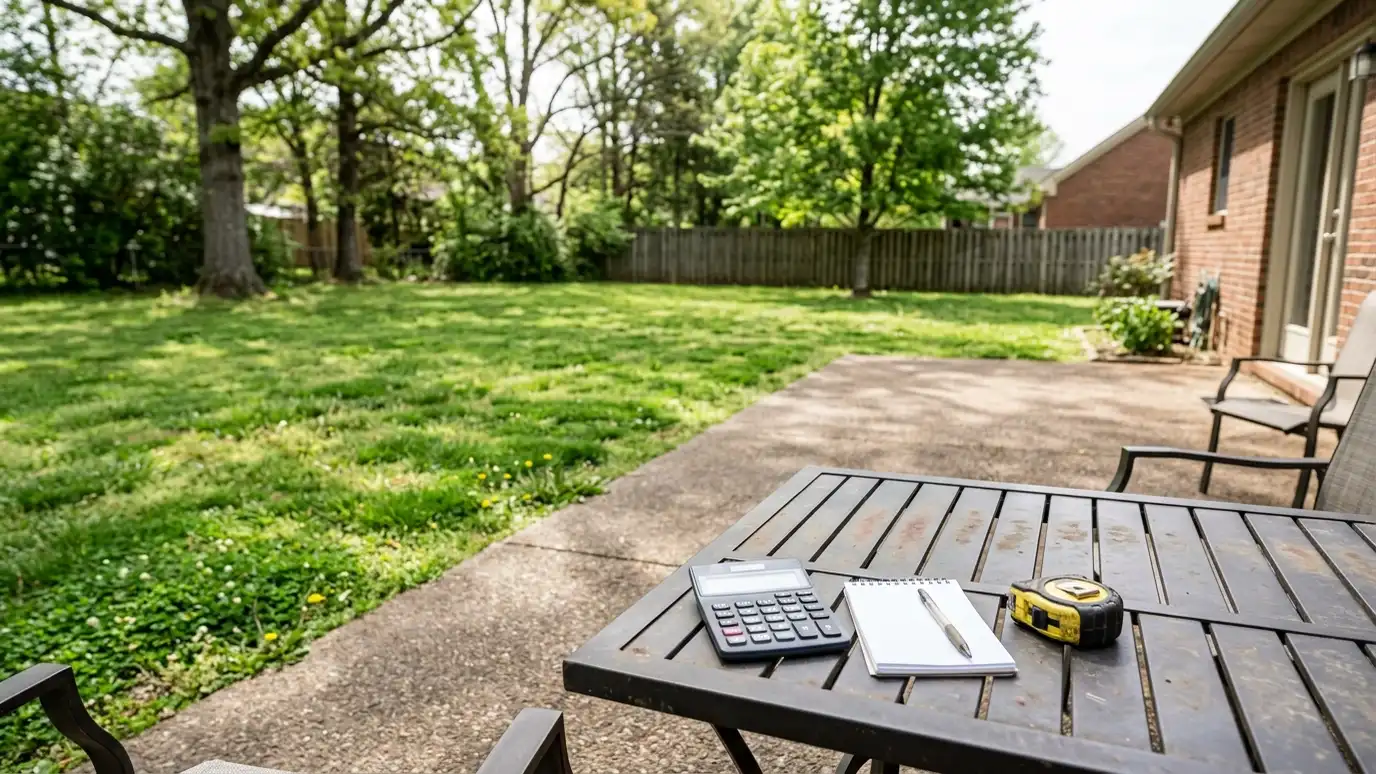
The barrier must be in place before germination, so we watch soil temperature rather than a date.
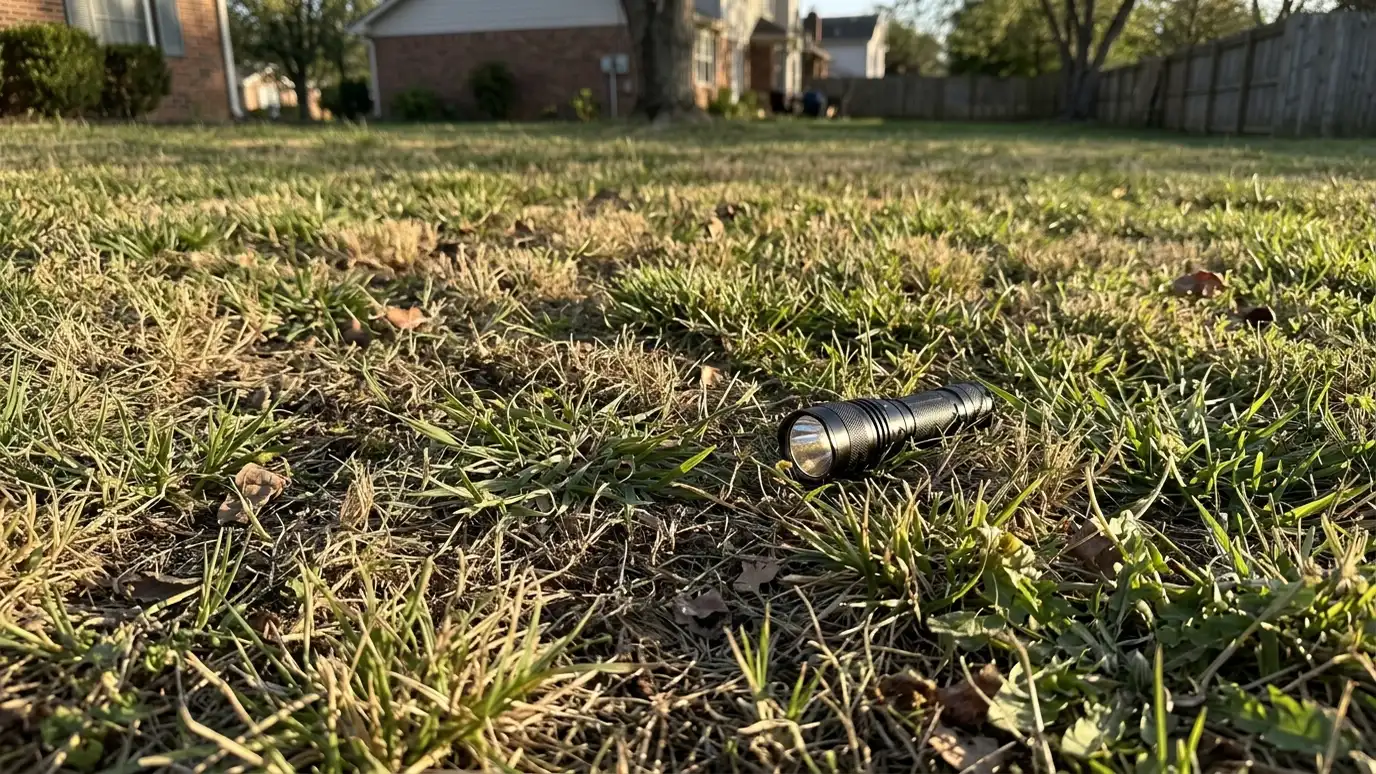
A second round extends protection through the long Tennessee summer, when one application can wear thin.
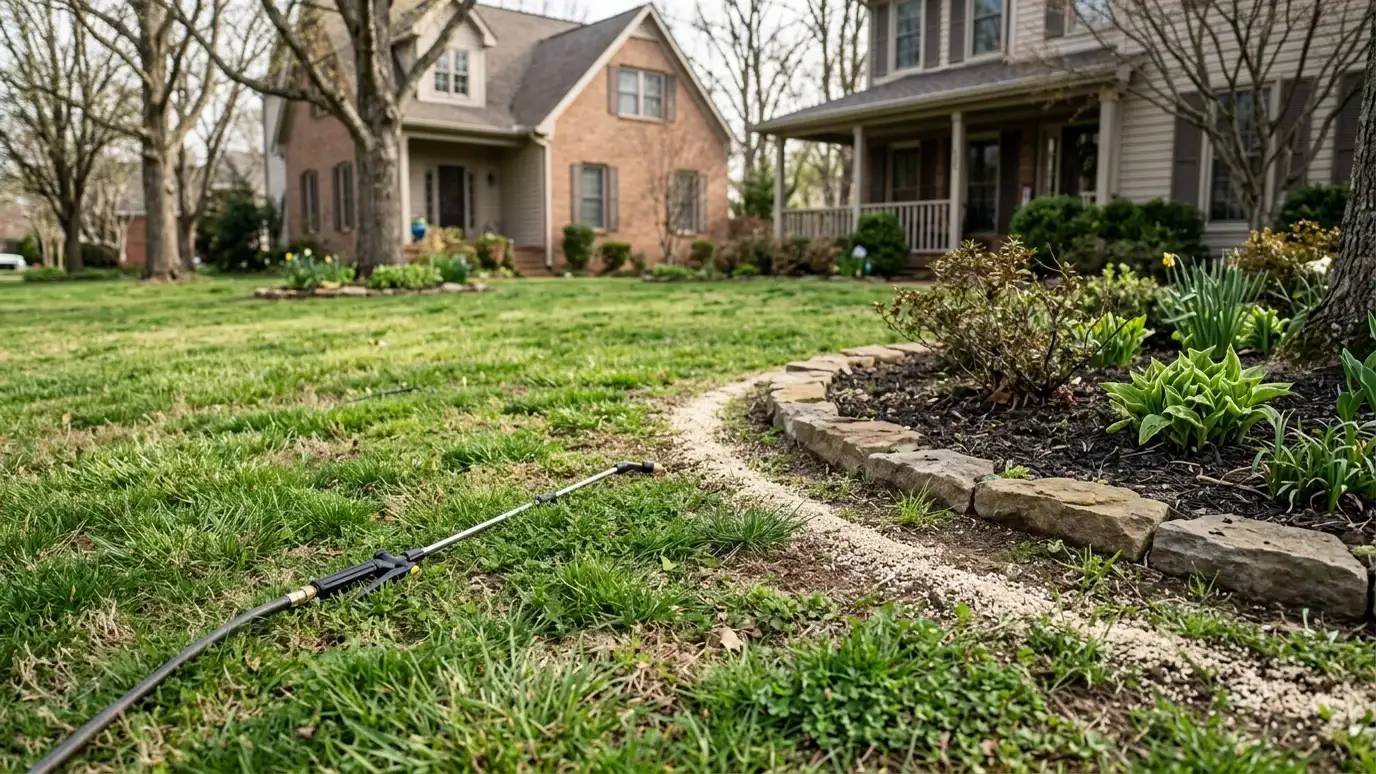
Irrigation or rainfall moves the product into the soil, where it forms the barrier.
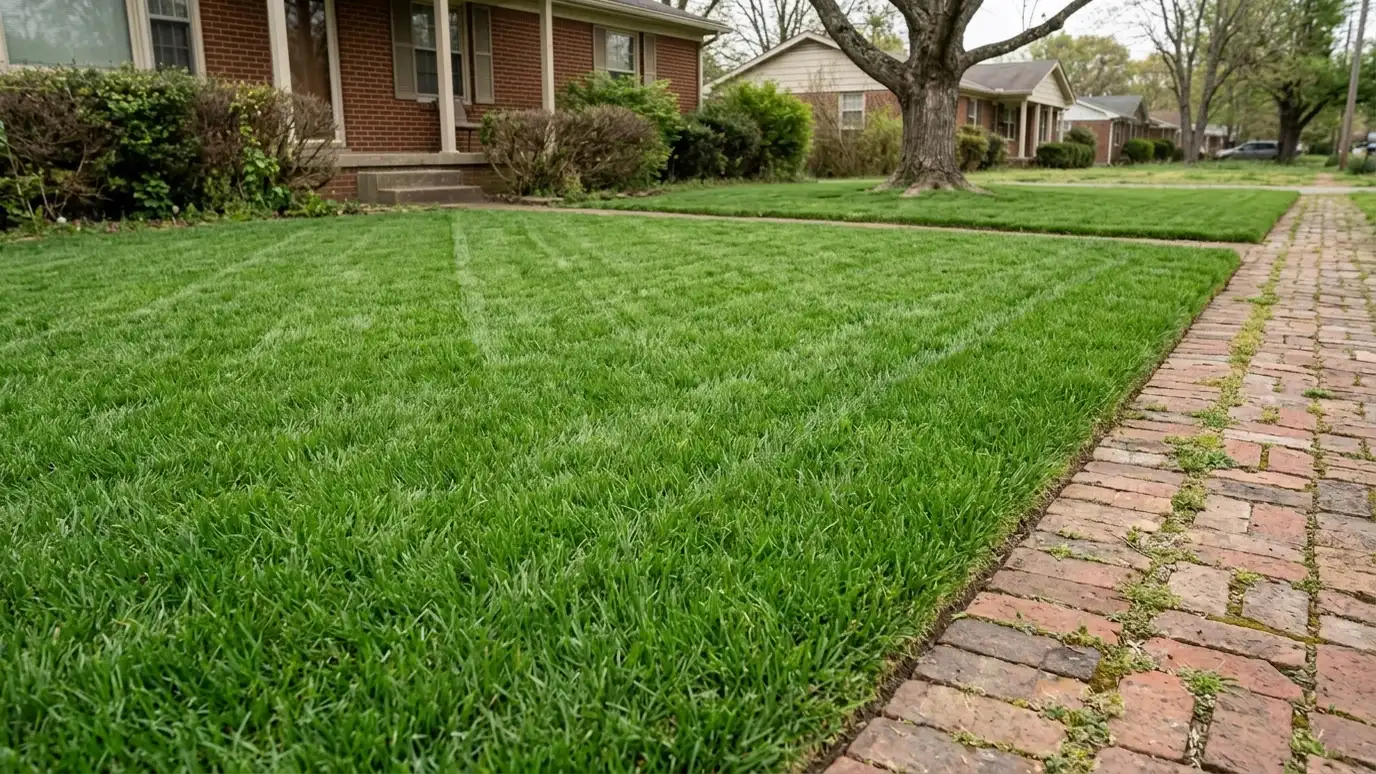
Most pre-emergents stop grass seed as well, so we plan seeding and prevention in the right order.
Drag the handle to compare.
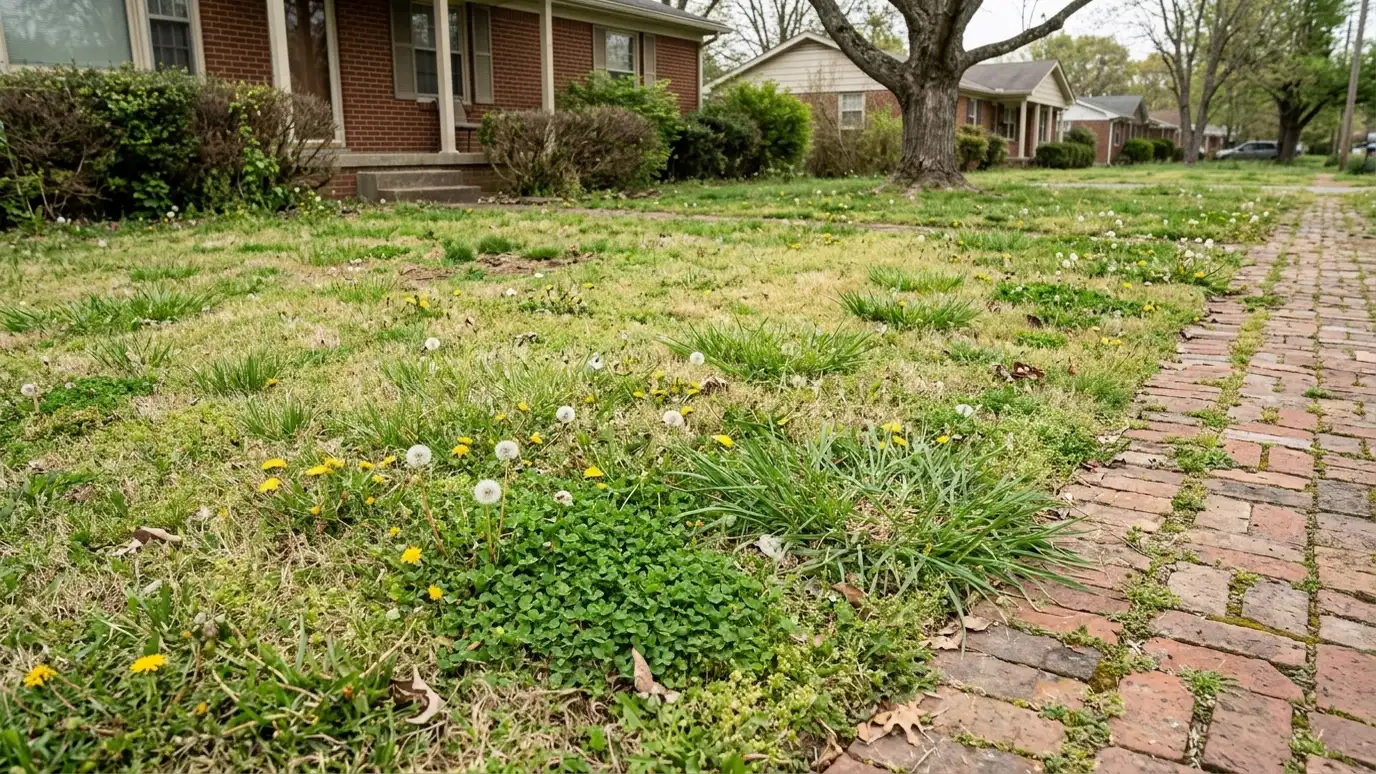 BeforeAfter
Before they sprout.
Soil-temperature based.
Longer protection.
Barrier forms.
Right order.
What to avoid.
Every topic has its own page with what to expect and how we approach it.
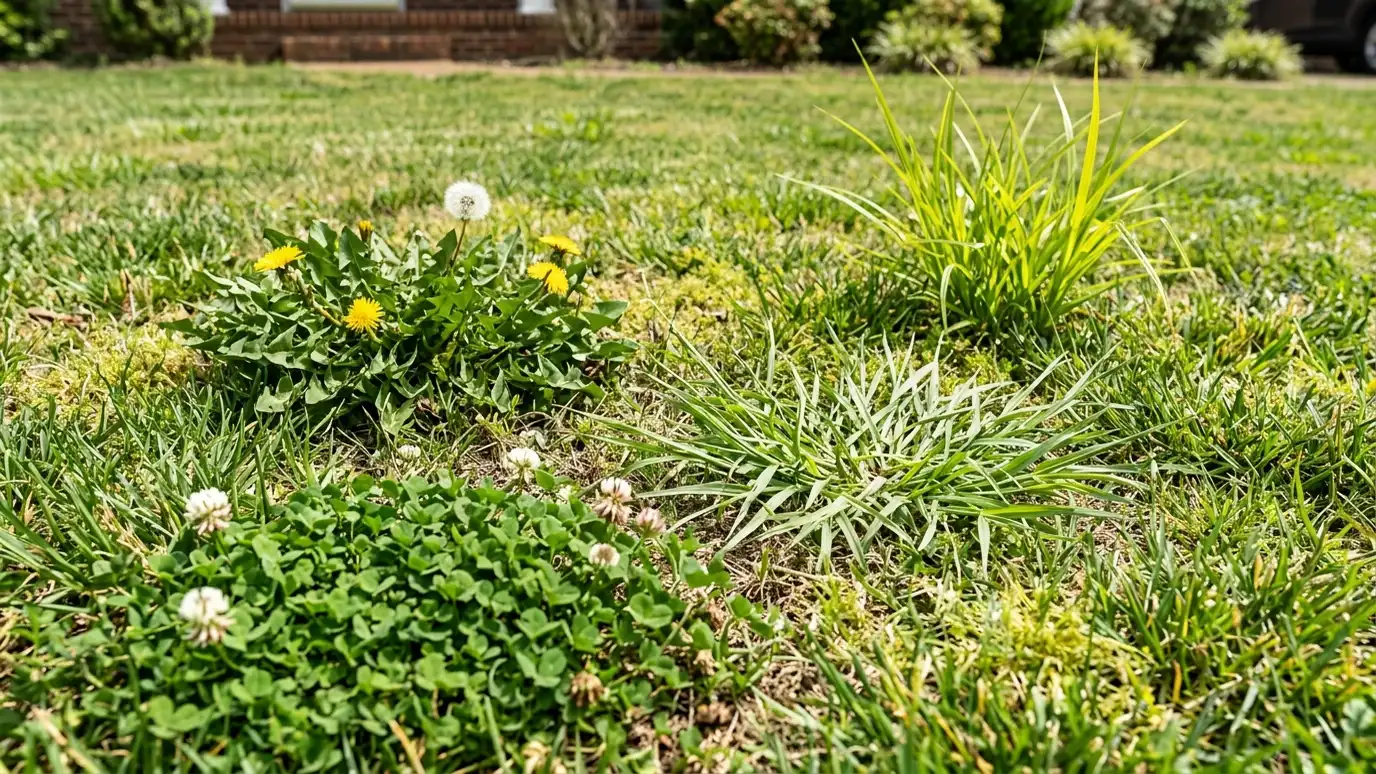 Topic guideWeed Types and ControlsCrabgrass, dandelion, clover, nutsedge, chickweed and more: how to tell them apart and what controls each.Learn more
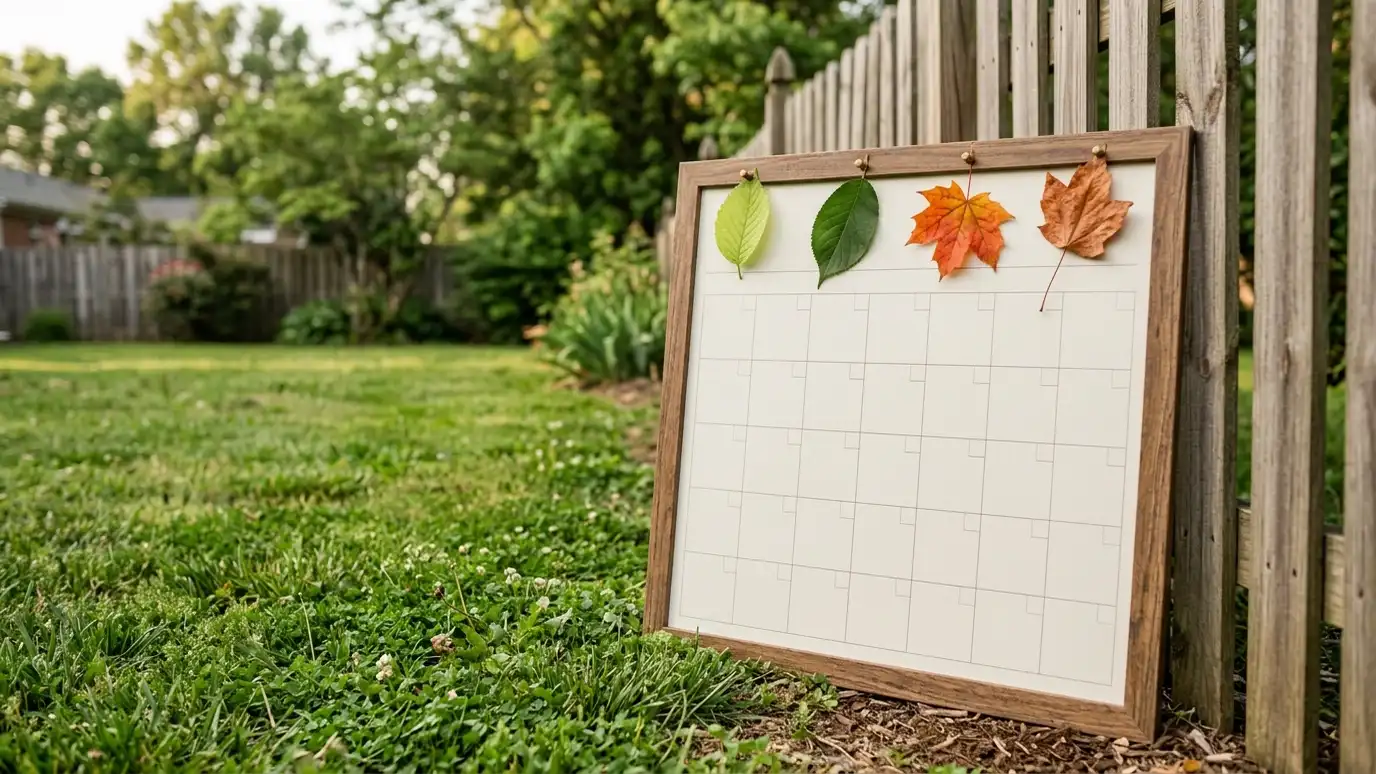 Topic guideLawn Care CalendarA season-by-season guide to feeding, weed control, seeding, aeration, pest watch and winter prep for Middle Tennessee lawns.Learn more
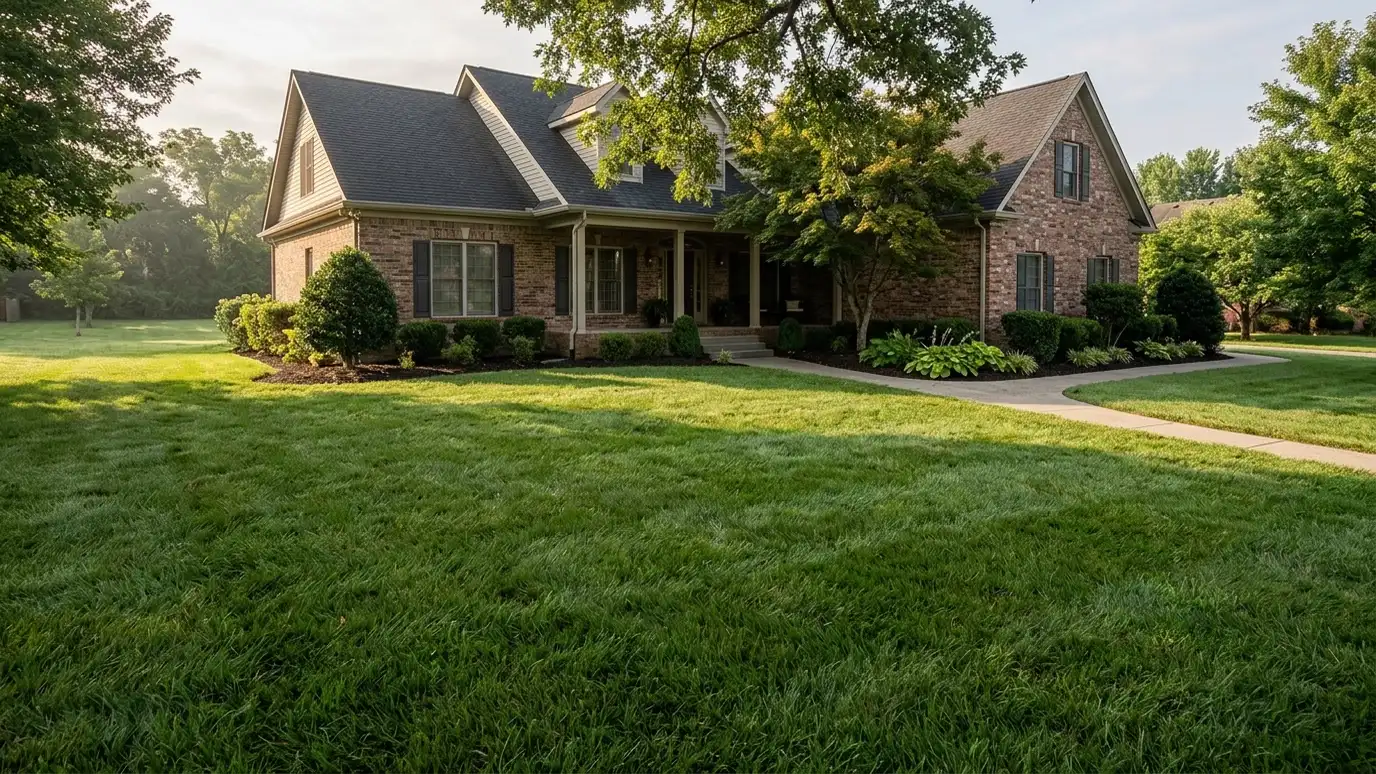 Lawn typeTall Fescue LawnsThe most common Middle Tennessee lawn: deep green, fine to medium texture and happiest in the cool seasons…Learn more
Choose your grass type and program level to see which treatments happen in each season of the year.
You tell us about your lawn and what you want to change, from weeds to a full program, and we set a visit that fits your day.
We walk the lawn, identify the grass, check the soil, weeds, pests and drainage and talk through your goals.
We build a calendar of treatments for your grass type and give you an itemized written estimate with options.
Visits are scheduled by season and weather, and any gates, pets or irrigation are noted.
Crews apply products and perform services with calibrated equipment and leave notes after each visit.
Each season we review the results with you and adjust the plan for the next one.
Before soil temperatures reach the mid fifties in spring, which is often late winter in Tennessee.
No. It prevents new seeds from sprouting. Existing weeds need a post-emergent treatment.
Usually not right away, because most products stop seed. We plan the order.
It may only partly work. We can add post-emergent control for escaped weeds.
Often a second round is helpful for a long summer.
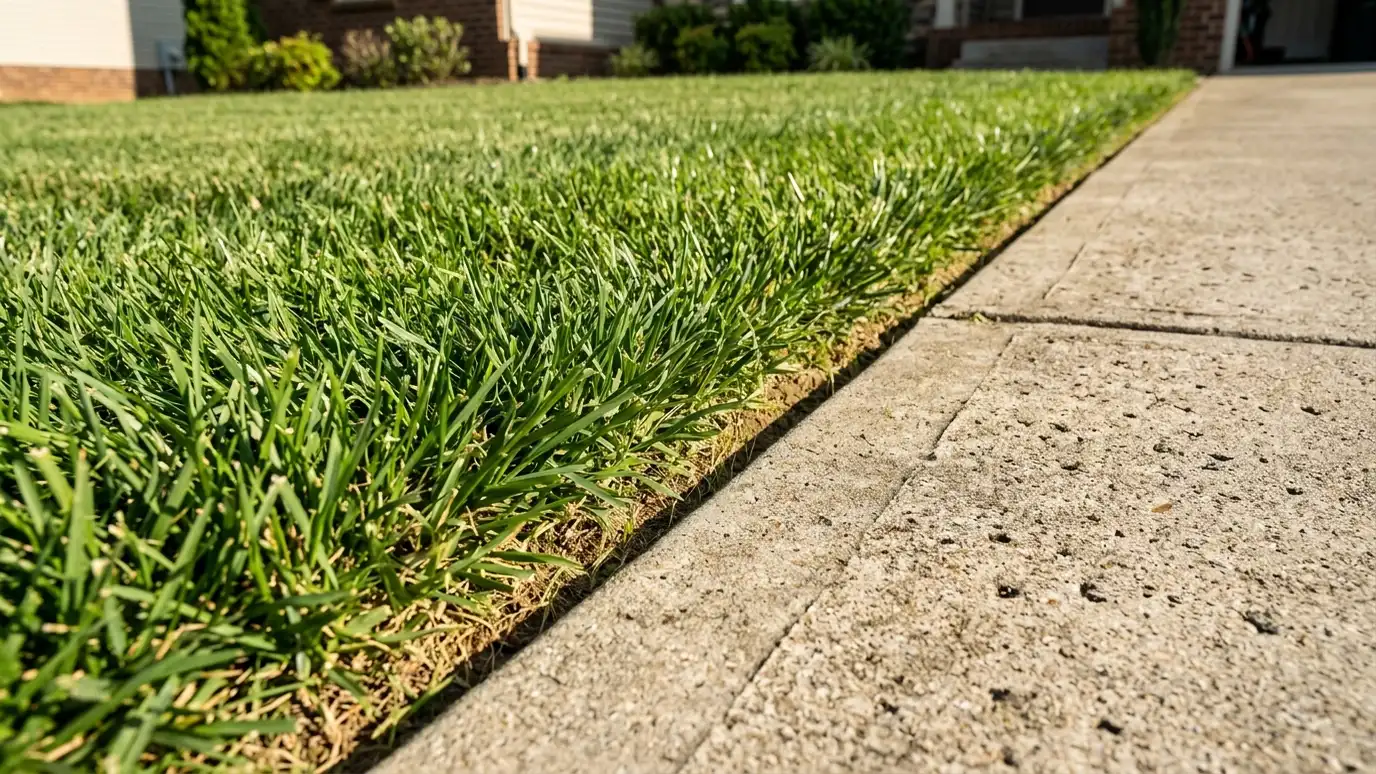 Crabgrass ControlA two-part plan to stop crabgrass before it sprouts and clean up what escapes, so thin spots do…Explore
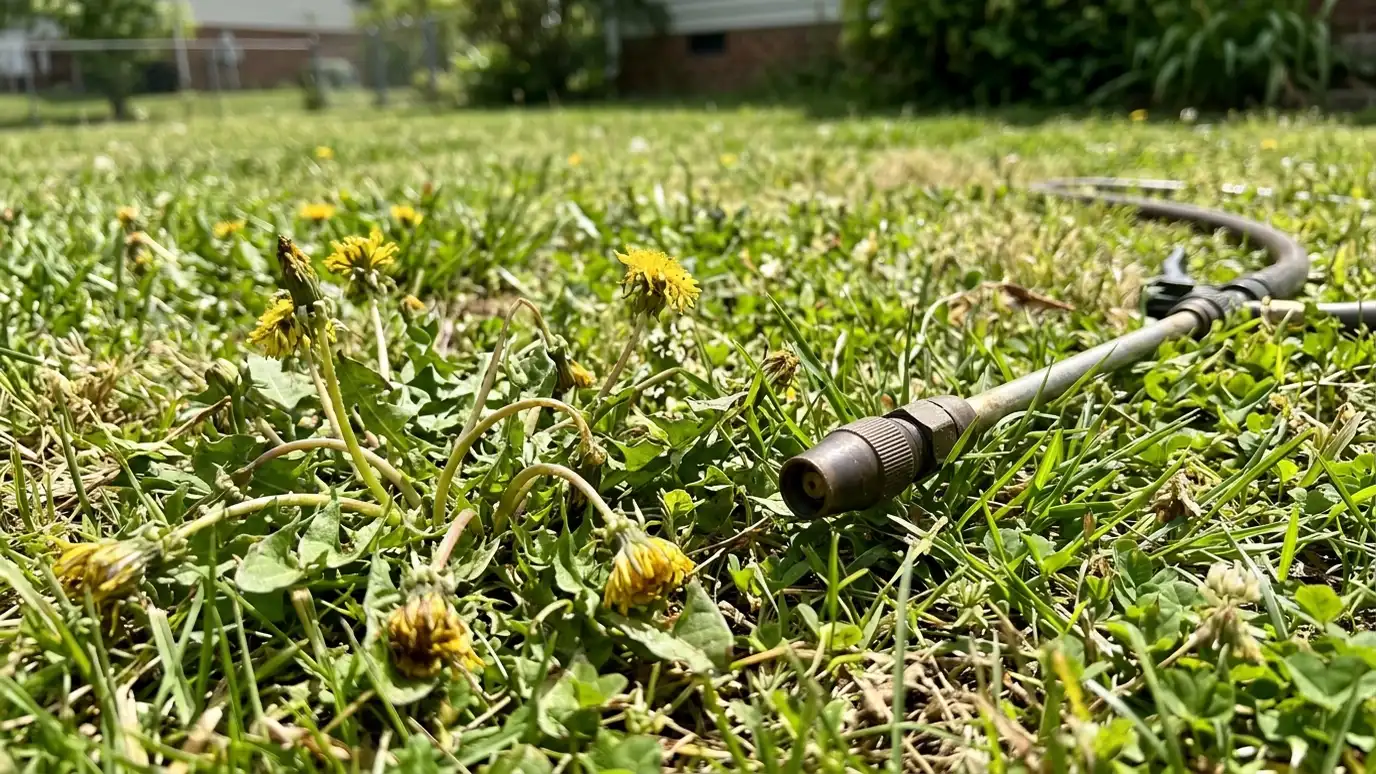 Post-Emergent Weed ControlTargeted treatments for weeds that are already growing in your lawn, matched to the weed and the turf.Explore
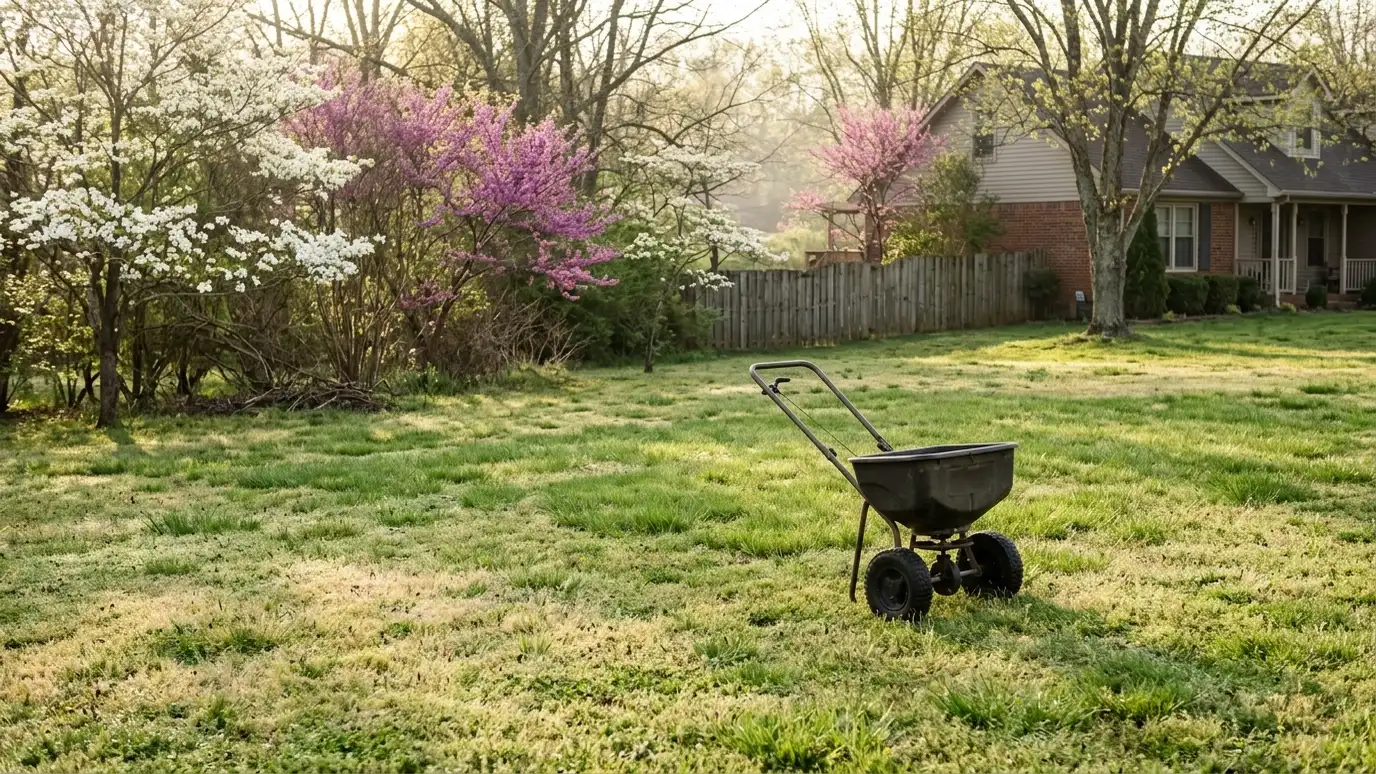 Spring Lawn FertilizationAn early spring feeding that wakes up the lawn, supports a healthy green-up and pairs with weed prevention.Explore
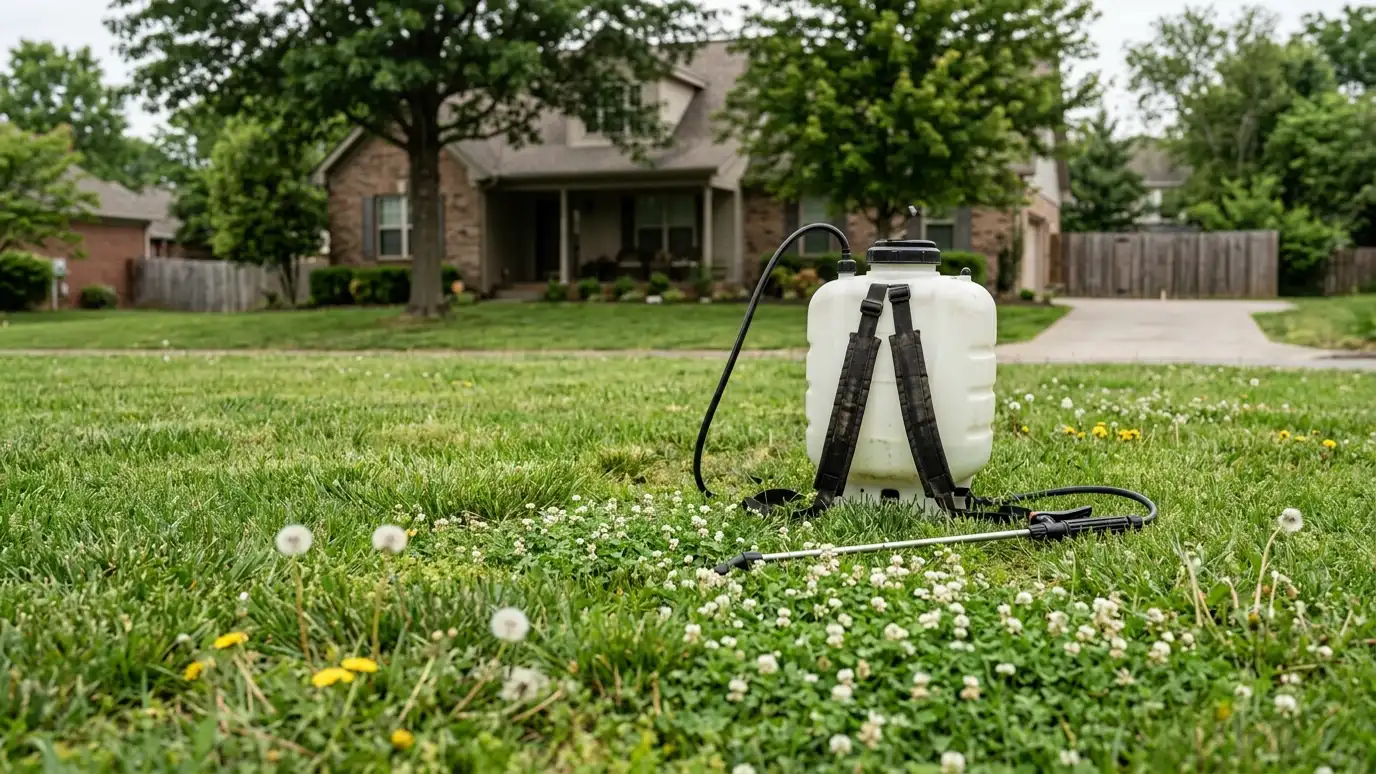 Broadleaf Weed ControlSelective treatment for dandelions, clover, chickweed, plantain and other broadleaf weeds, without harming the grass.Explore
Tell us about your lawn and we will call you back to set up a visit.
Or call (615) 357-7797 to talk now.