Understand the shade
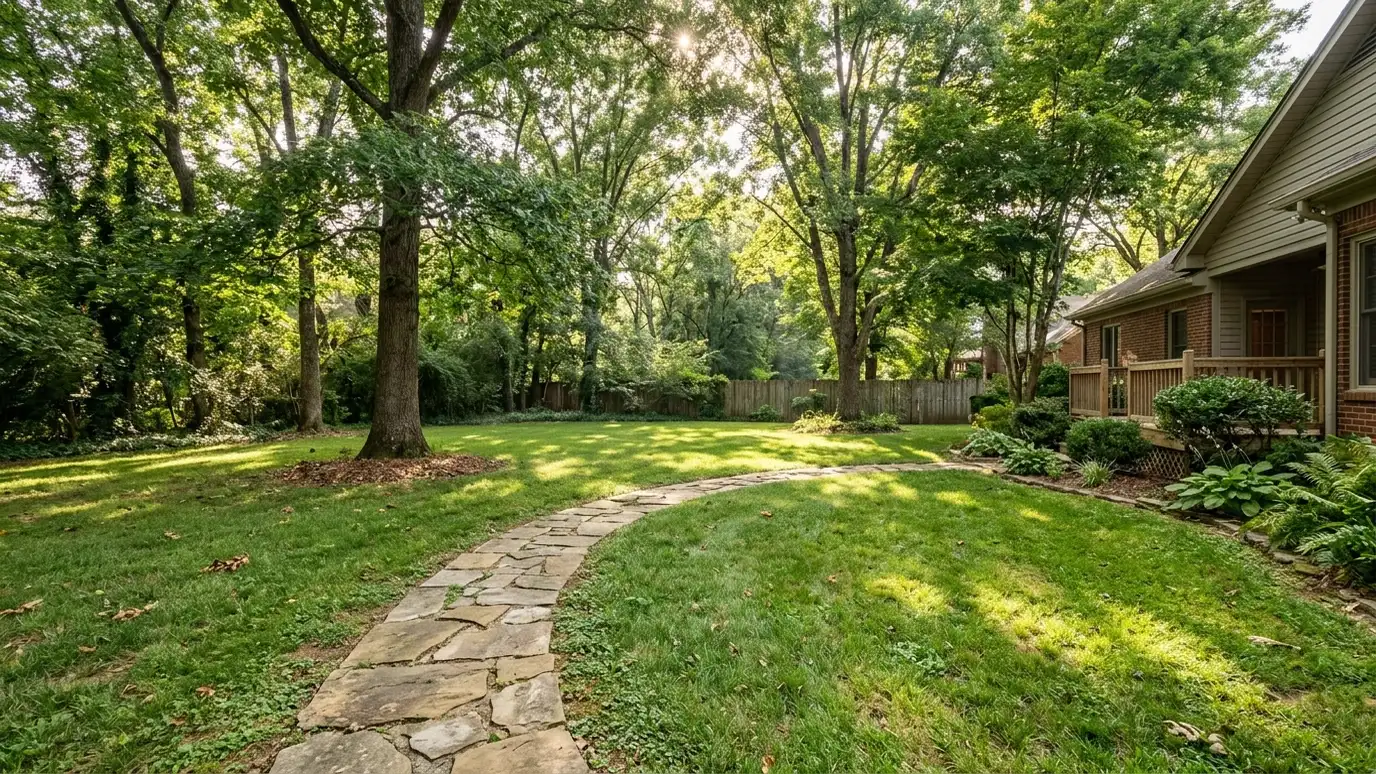
Light is the limiting factor. Full sun is six or more hours, partial shade is four to six and deep shade is less than four. Dappled shade from high branches is easier than dense shade from low branches.
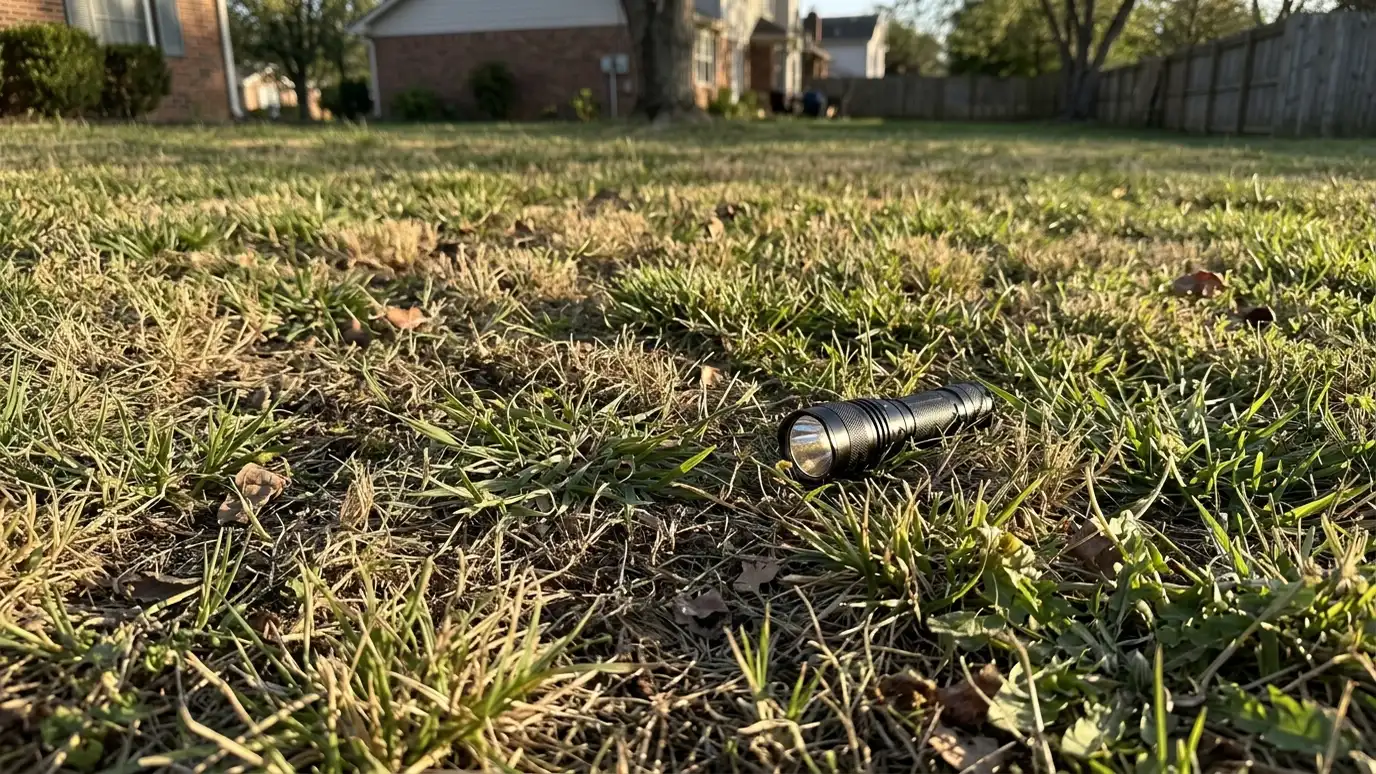
Measure how much light the area actually gets.
Observe the yard at different times of day and mark where light reaches the ground. A simple sketch makes planning much easier.
Choose shade-adapted grass
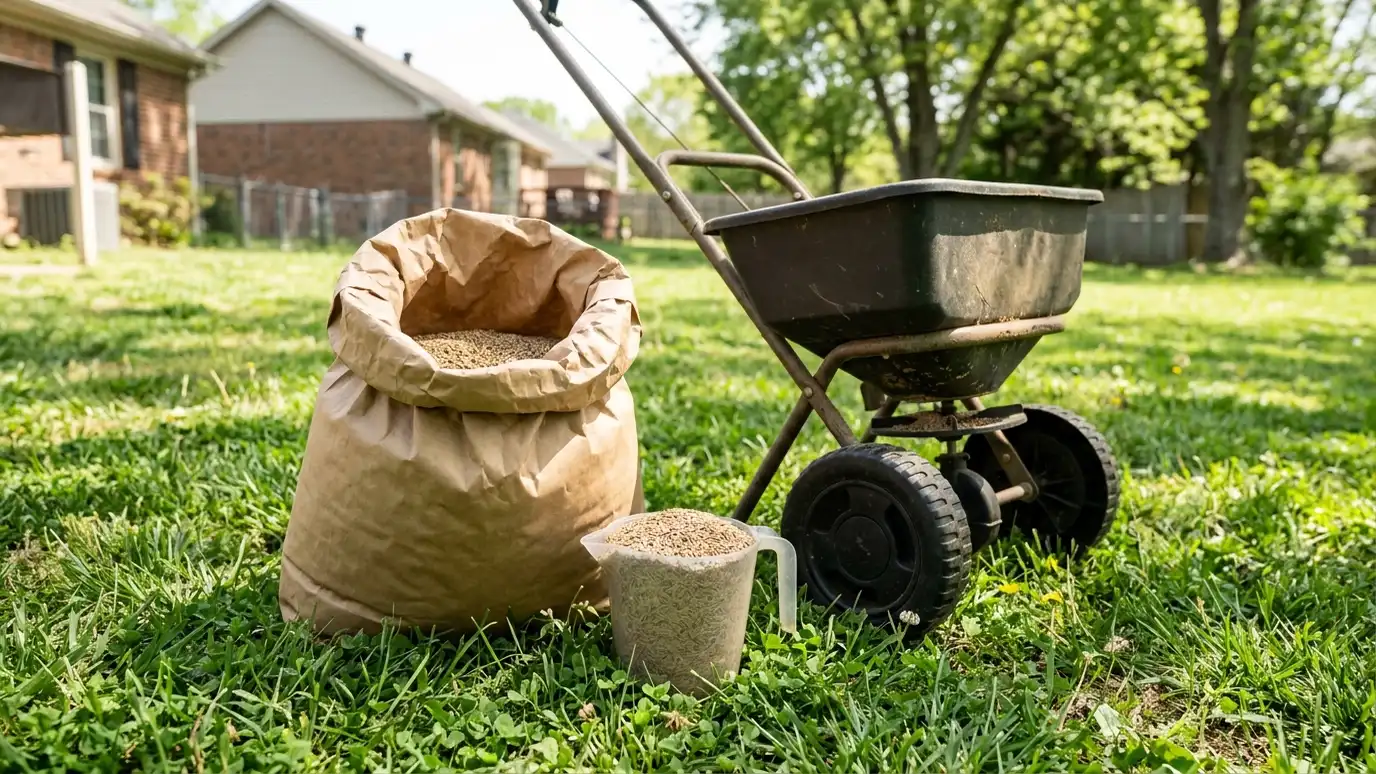
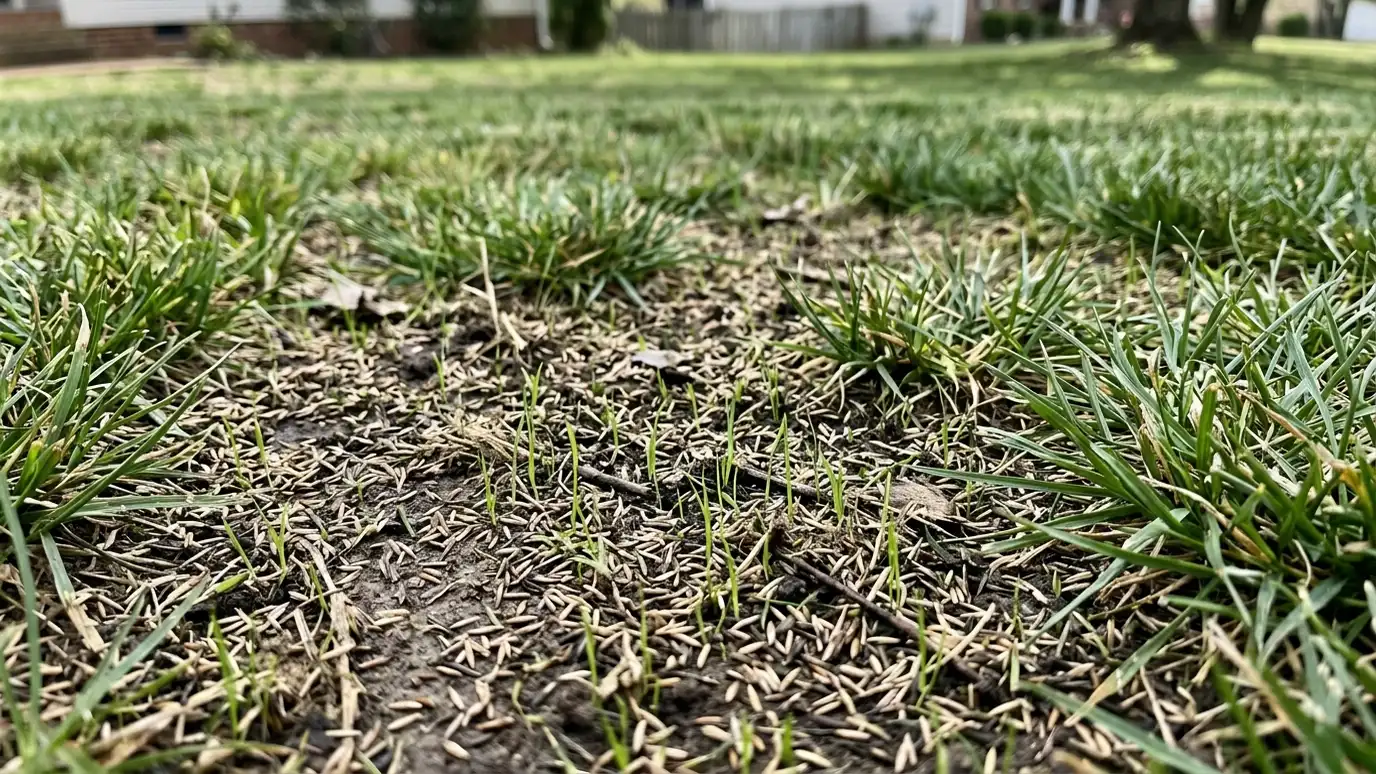
Fine and tall fescue blends handle shade better than bermuda or zoysia. Plant in early fall for best results. Even the best shade grass needs at least a few hours of light.
Check seed labels for shade blends.
Ask a local arborist about thinning rather than removing a tree. A well-pruned canopy often lets in enough light to help the grass.
Let in more light
Prune low branches and thin dense canopies. Raising the canopy lets in light without removing the tree. A certified arborist can help with large trees.
A little more light can transform a thin lawn.
Choose seed from a reputable supplier and read the label for shade blends. Bargain mixes often contain sun-loving grasses that will not survive.
Mow high
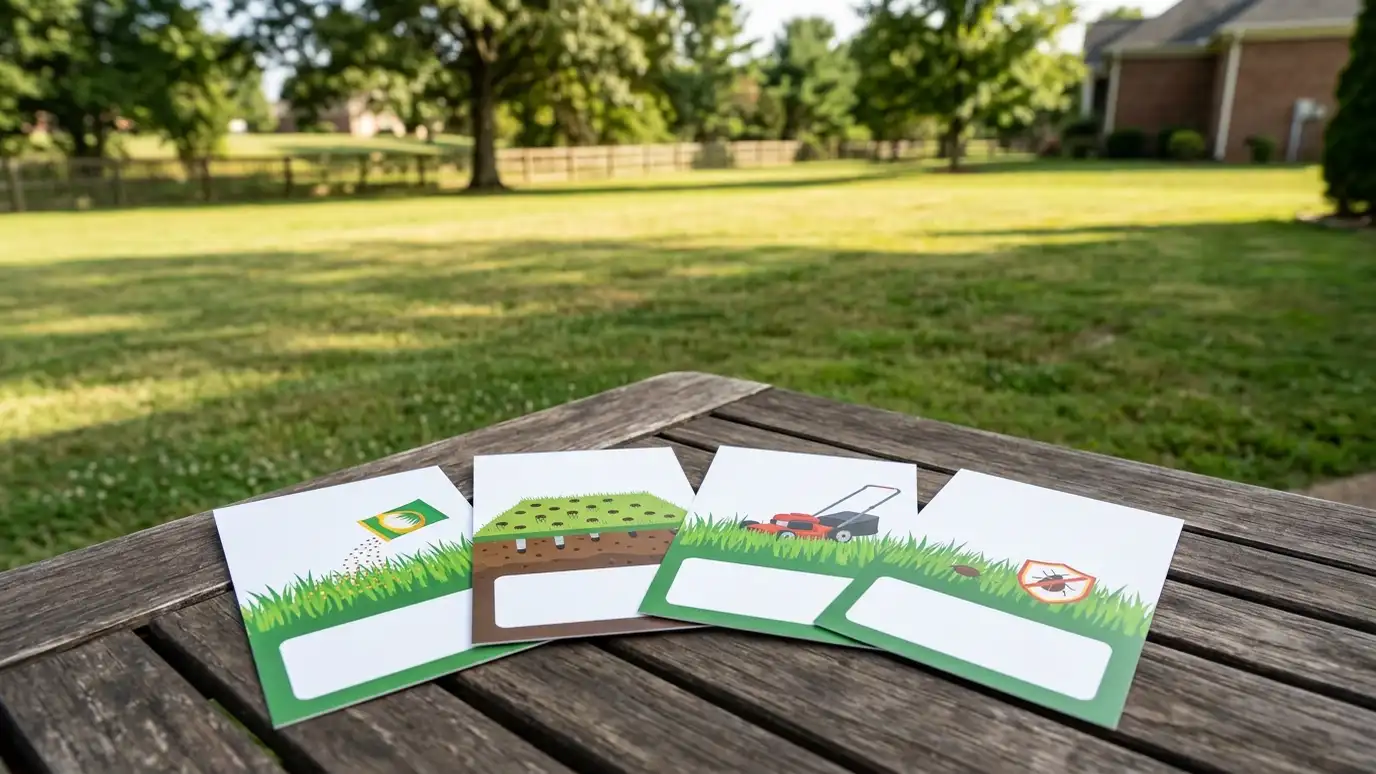
Taller grass means more leaf area to capture light. Mow shade lawns at the high end of the range, usually four inches for fescue. Never scalp shade turf.
Keep mower blades sharp.
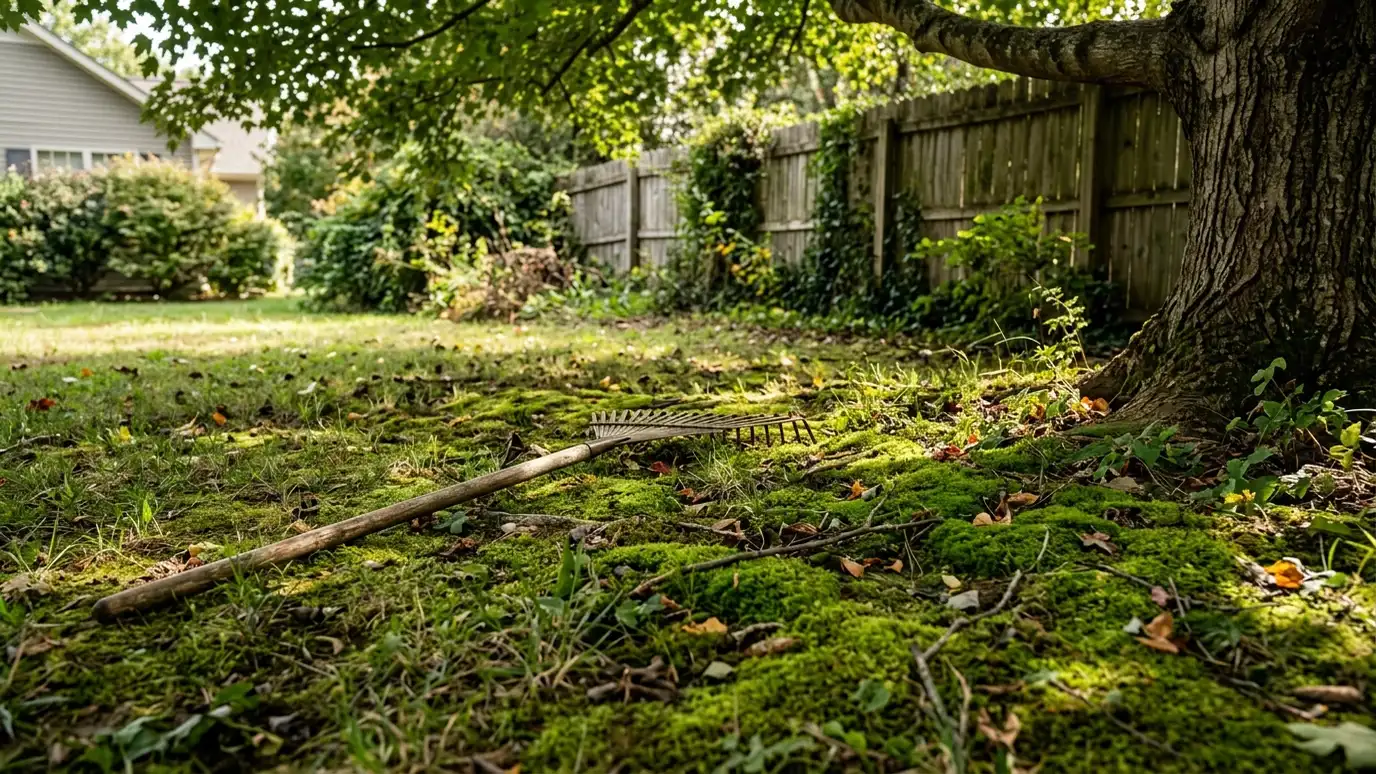
Keep a rake handy in fall. A quick pass every week or two is easier than a mountain of wet leaves in November.
Water and feed wisely
Shade lawns need less water because they lose less to evaporation, but tree roots compete for it. Water deeply and less often. Feed lightly, since low light limits how much nitrogen the grass can use.
Overfeeding shade turf invites disease.
Water shade areas by hand if needed, and avoid constant sprinkling. A gentle, deep soak once or twice a week is plenty.
Manage leaves and moss
Clear leaves promptly so they do not smother the grass. Moss thrives in damp, compacted, acidic shade, so aerate and test pH. Treat moss, then fix the conditions behind it.
Moss is a symptom, not the cause.
Use a soil test to check pH in shady spots. Acidic soil under trees is common and easy to correct with lime.
When to choose a bed
In deep shade, grass may not be the best answer. A mulched bed, ground cover, hostas or ferns can look better and need less work. A hybrid, with grass in lighter areas and beds in the darkest spots, is common.
Honest planning saves effort and money.
Try a ground cover trial in one corner before converting a whole area. It shows how it looks and how much care it needs.
Give shade lawns more light, taller mowing and lighter feeding, and use beds where grass will not grow.