Scheduled fertilizer rounds matched to your grass type and soil, to build thick, deep green turf through every season.
Grass is a crop, and like any crop it needs steady feeding to stay thick. Nitrogen drives leaf growth and color, phosphorus and potassium support roots and stress tolerance and micronutrients fill the gaps. When a lawn is fed on a good schedule, it grows denser, recovers from summer stress faster and leaves less room for weeds. In Nashville, where clay soils can hold nutrients unevenly and summers are hard on cool-season grass, a planned fertilization program is the backbone of a good lawn.
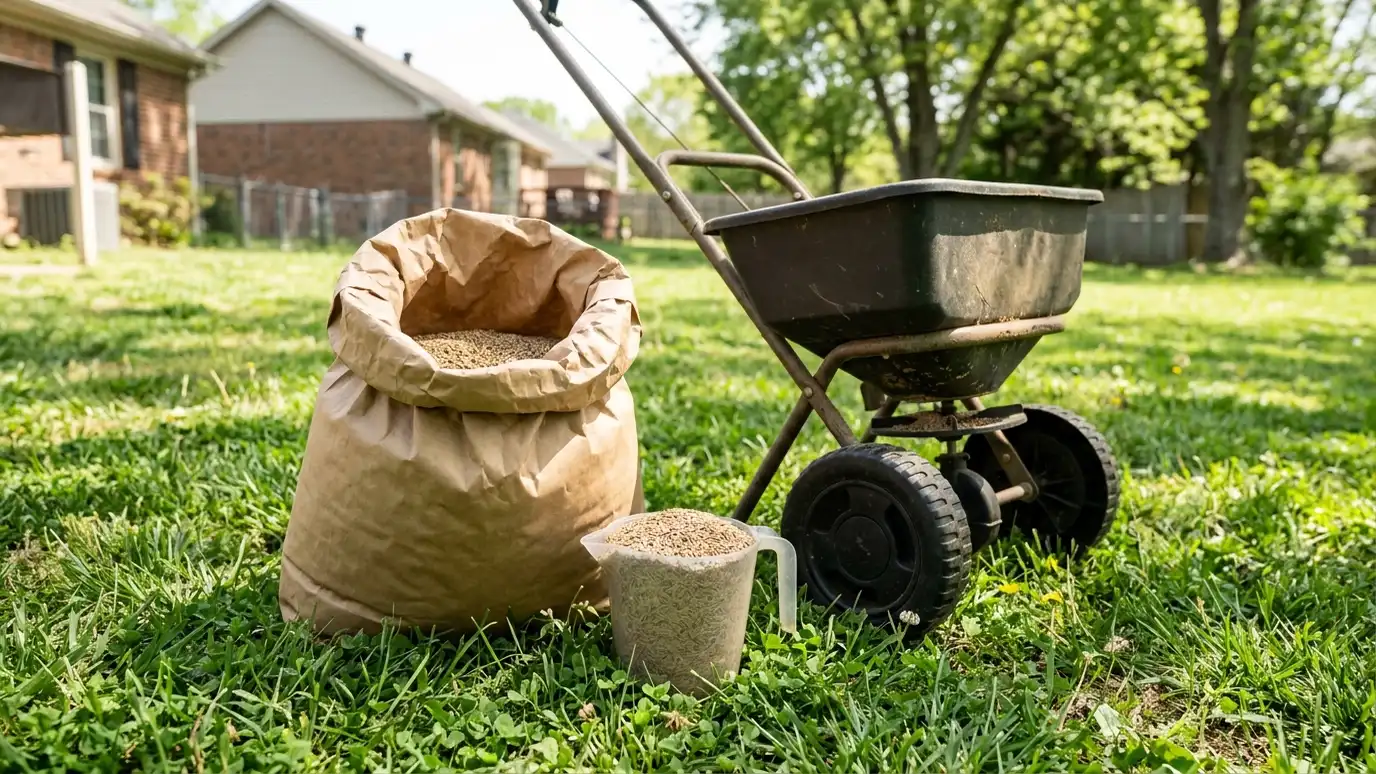
We build your program from the soil test and your turf type. Cool-season lawns such as tall fescue are usually fed in early spring and again in fall, with lighter support in between. Warm-season lawns such as bermuda and zoysia are fed from late spring through summer. We use a mix of quick and slow release products, calibrate the spreader for even coverage and follow label directions and local rules. After each visit you get a note on what was applied and what to expect in the weeks ahead.
Fescue, bluegrass, bermuda and zoysia each have their own feeding windows, so the schedule is built for the turf you have.
A blend gives early color and steady feeding over weeks, which supports growth without a harsh surge.
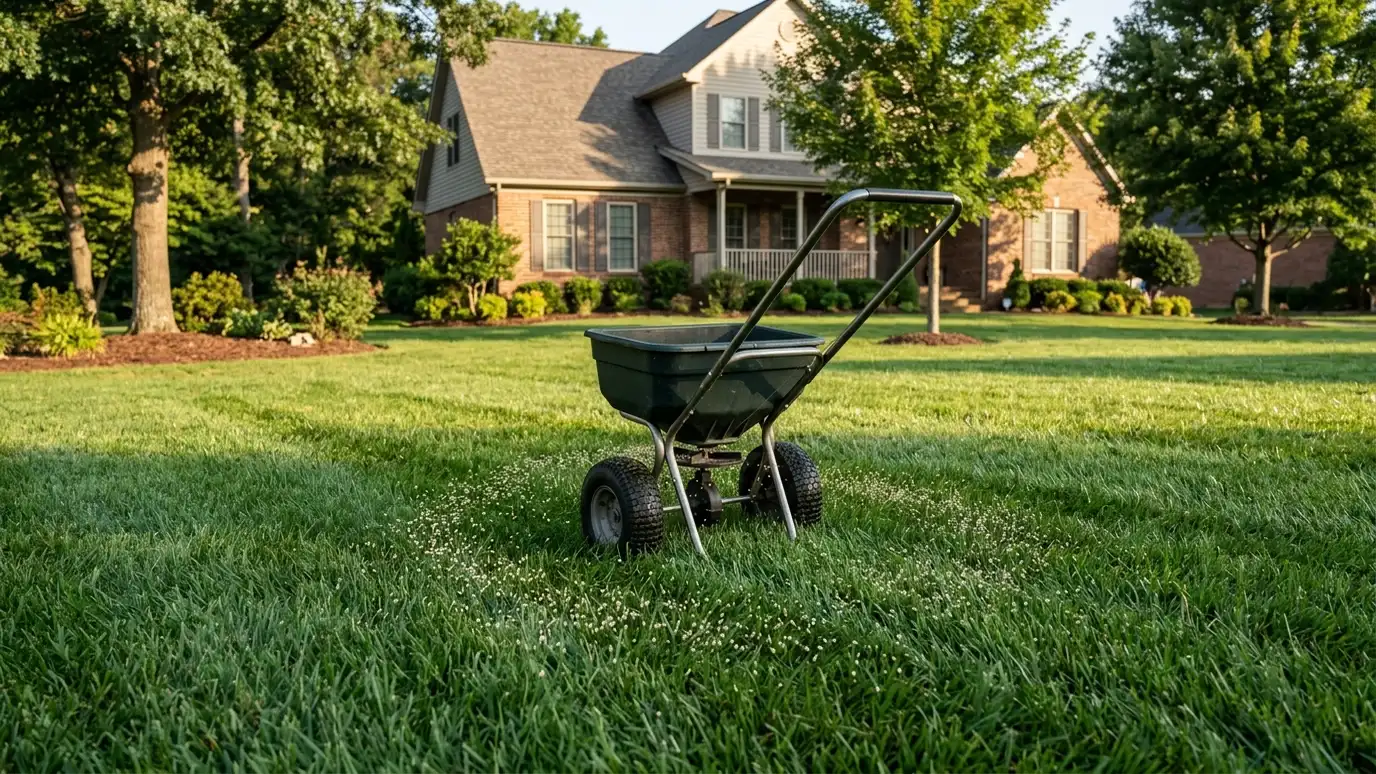
Spreaders are calibrated and applications are overlapped carefully to avoid stripes and burn.
Phosphorus, potassium and pH are adjusted based on the test rather than assumed.
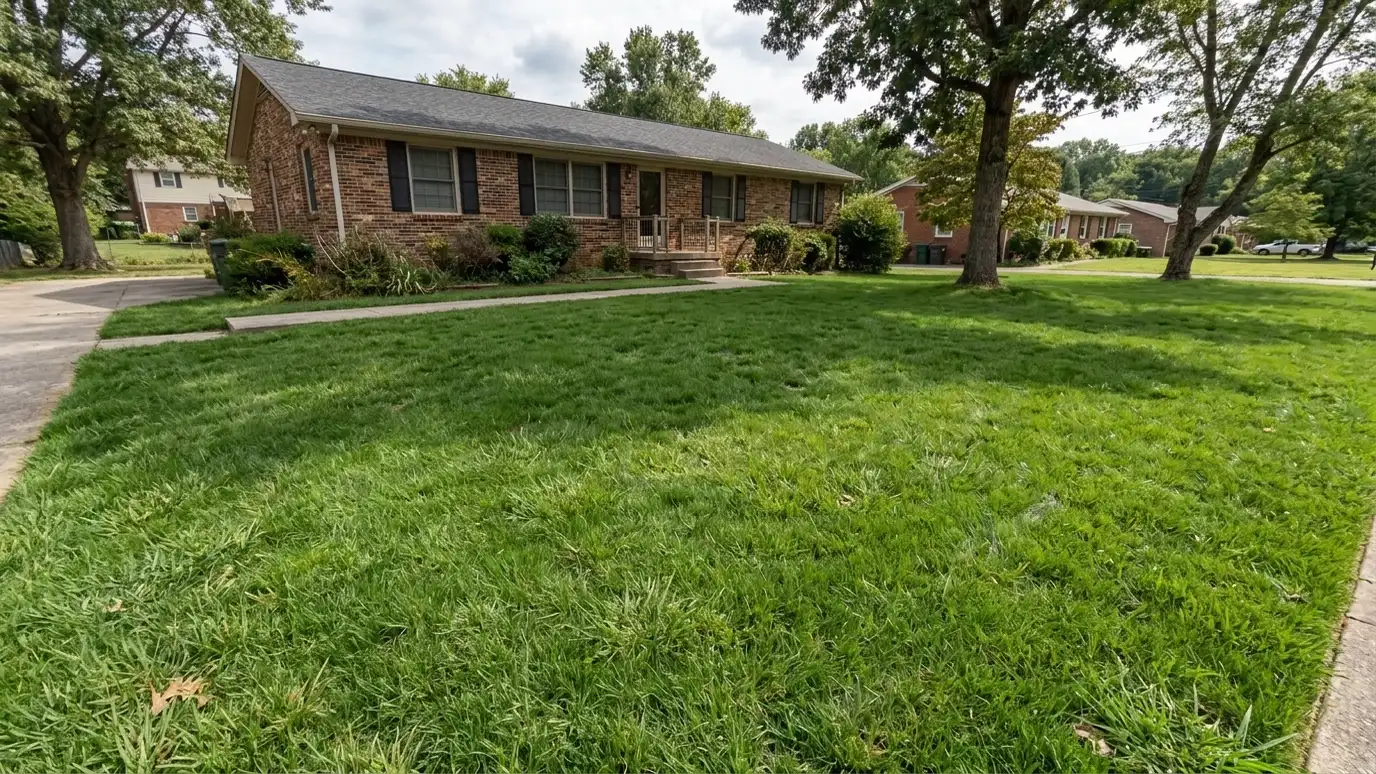
Drag the handle to compare.
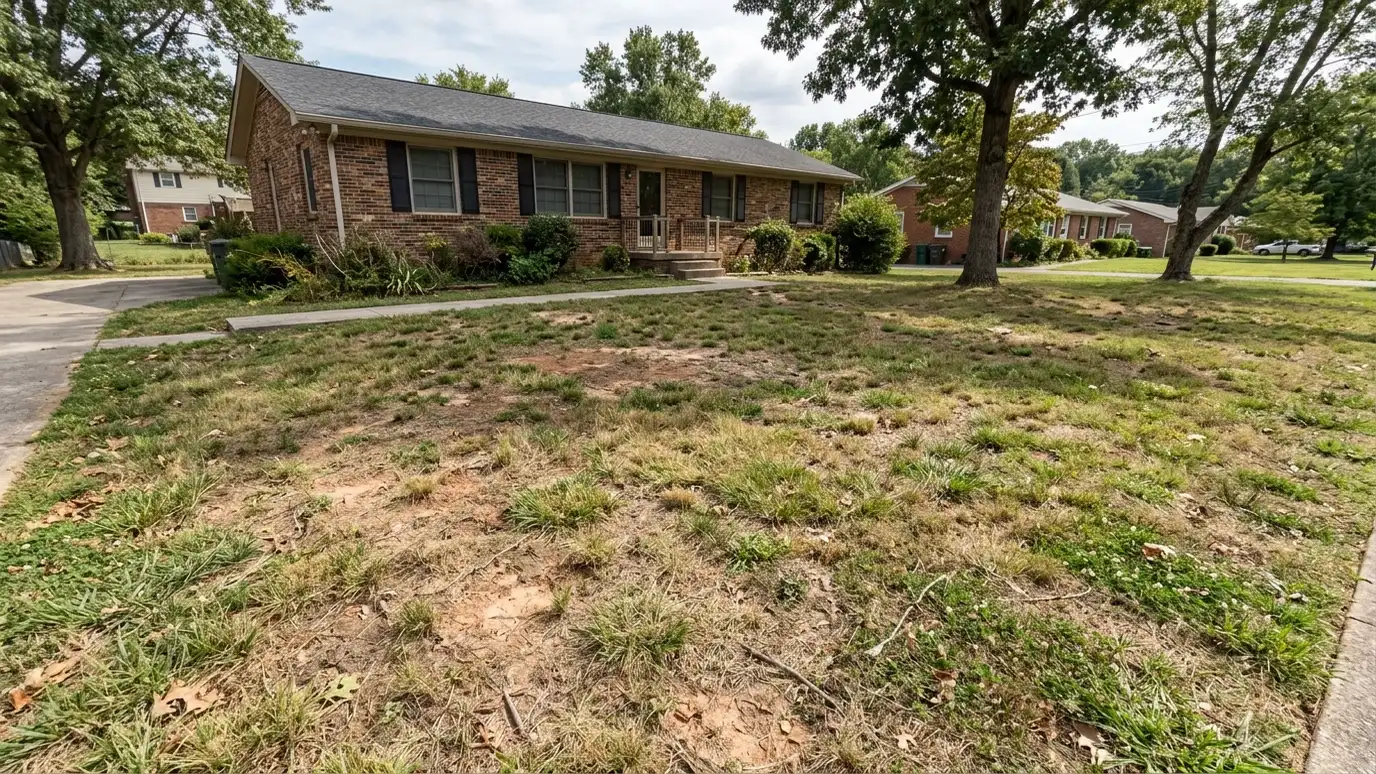 BeforeAfter
Steady feeding.
Denser, greener grass.
Stronger roots.
Even coverage.
Feed what is needed.
What was applied.
Every topic has its own page with what to expect and how we approach it.
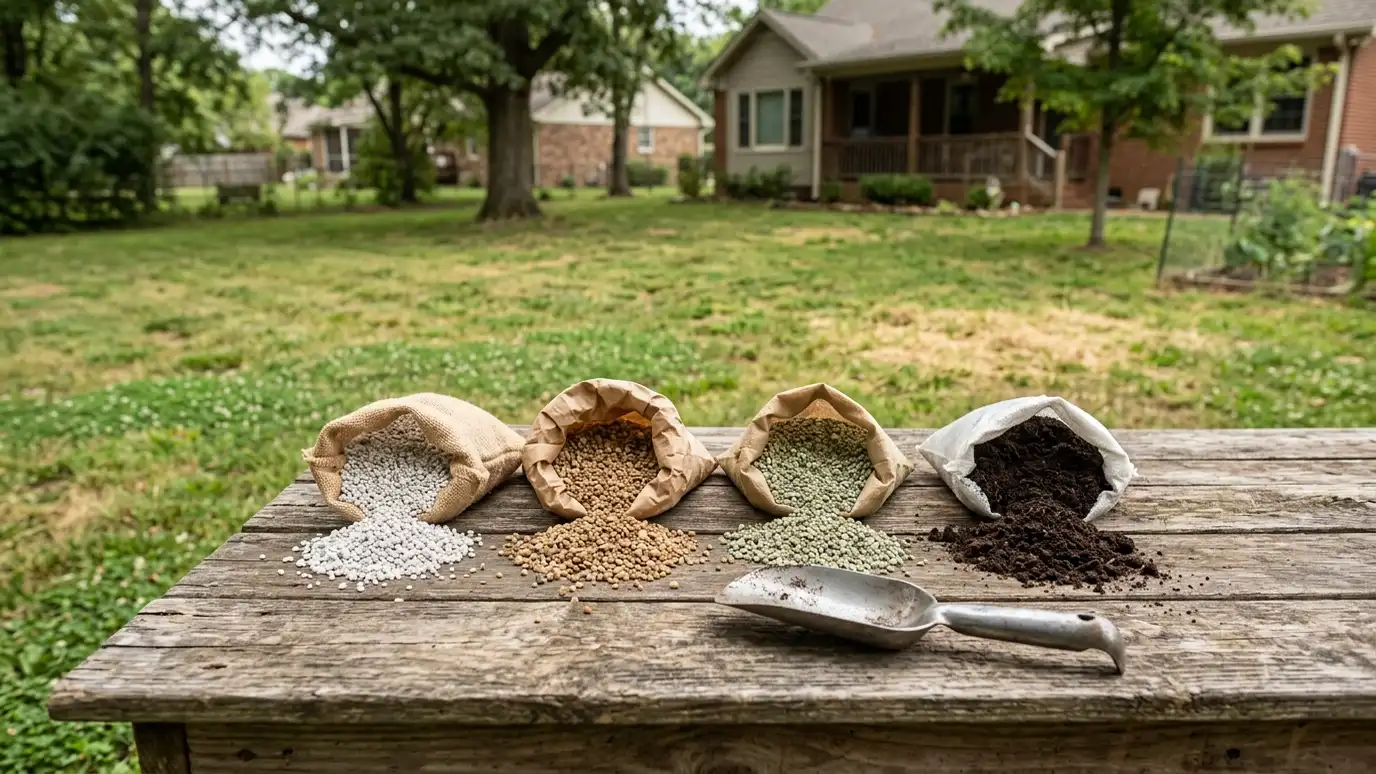 Topic guideFertilizer Types ComparedQuick release, slow release, liquid, granular and organic fertilizers compared on speed, cost, risk and results.Learn more
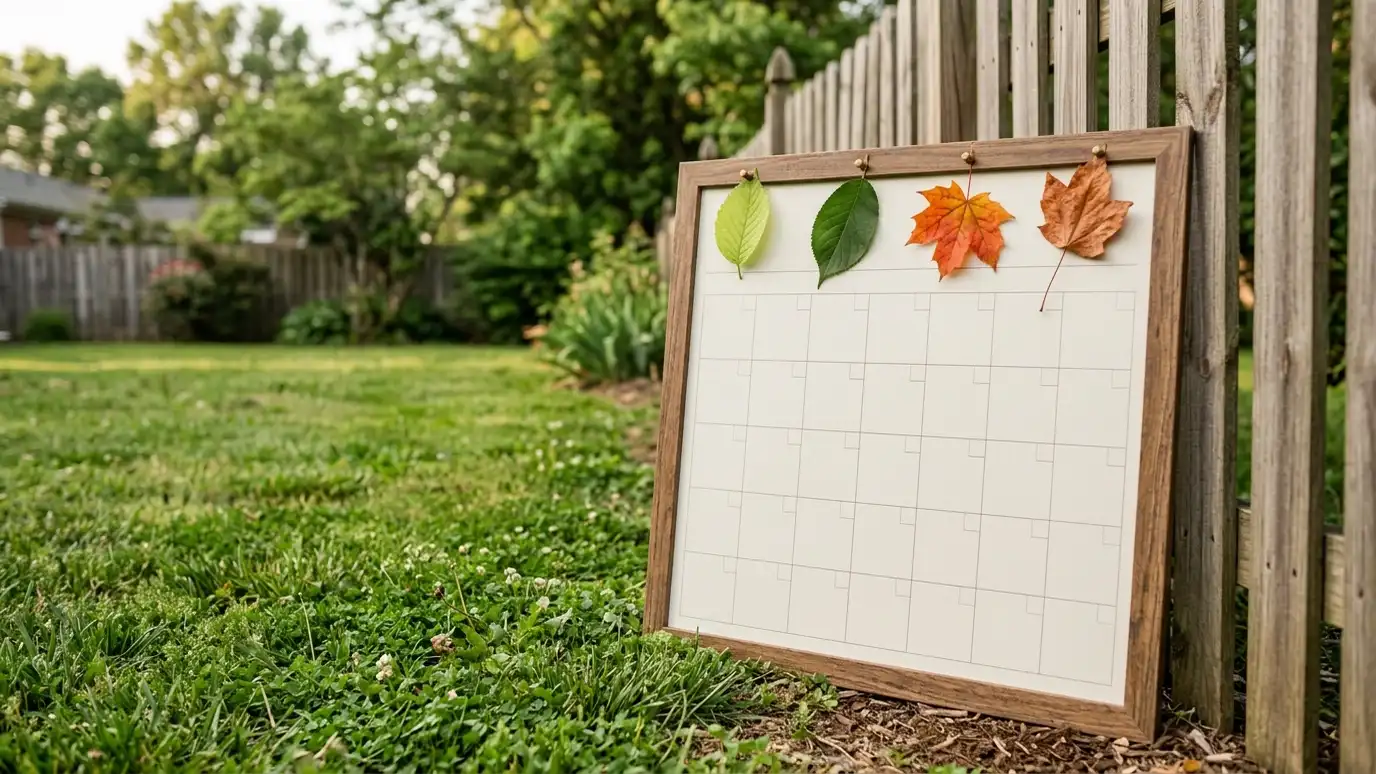 Topic guideLawn Care CalendarA season-by-season guide to feeding, weed control, seeding, aeration, pest watch and winter prep for Middle Tennessee lawns.Learn more
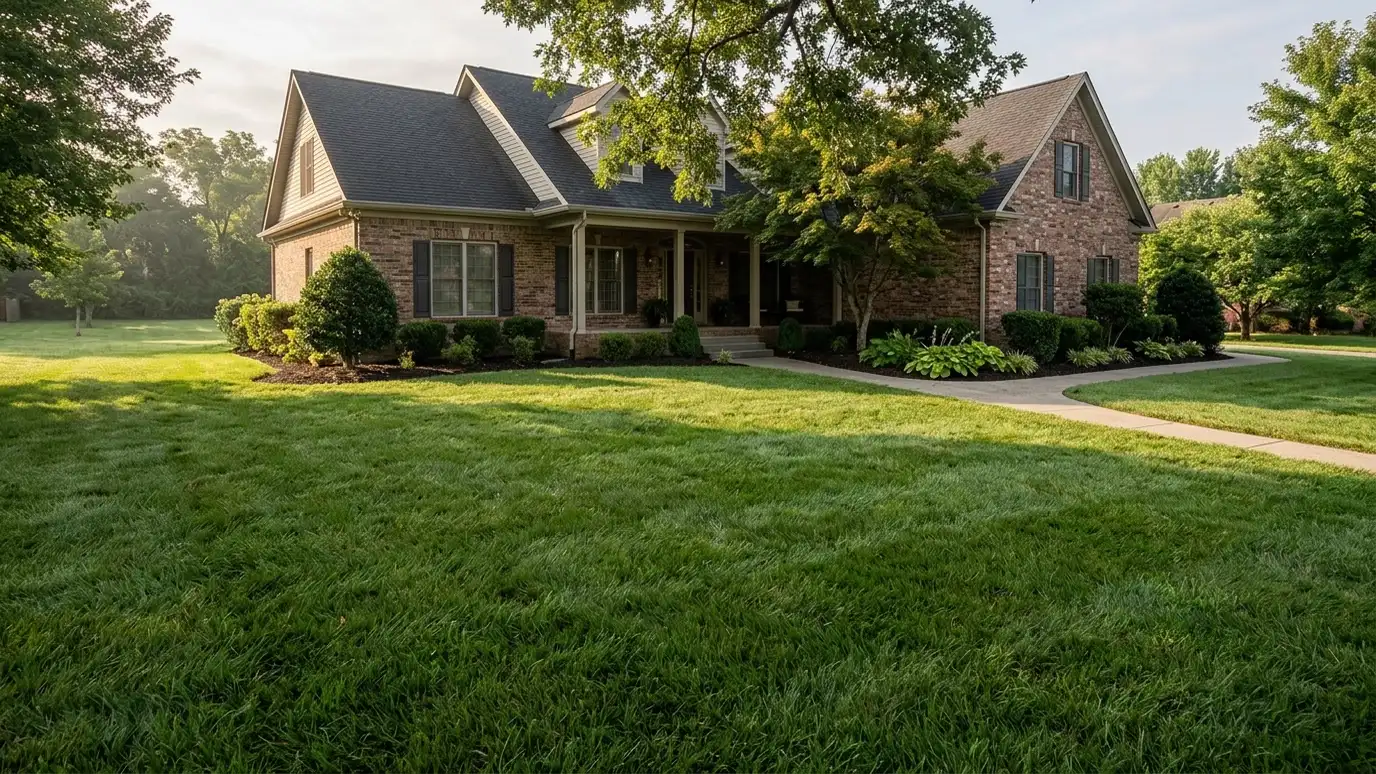 Lawn typeTall Fescue LawnsThe most common Middle Tennessee lawn: deep green, fine to medium texture and happiest in the cool seasons…Learn more
Choose your grass type and program level to see which treatments happen in each season of the year.
You tell us about your lawn and what you want to change, from weeds to a full program, and we set a visit that fits your day.
We walk the lawn, identify the grass, check the soil, weeds, pests and drainage and talk through your goals.
We build a calendar of treatments for your grass type and give you an itemized written estimate with options.
Visits are scheduled by season and weather, and any gates, pets or irrigation are noted.
Crews apply products and perform services with calibrated equipment and leave notes after each visit.
Each season we review the results with you and adjust the plan for the next one.
It depends on the grass. Cool-season lawns are usually fed in spring and fall, and warm-season lawns through summer.
Over-application can. We calibrate equipment and follow label rates to avoid it.
Often a light watering helps. We tell you what to do for each product.
No. Too much feeds weeds and disease and can hurt turf. Timing and balance matter.
Color often improves within a couple of weeks. Thickness builds over a season.
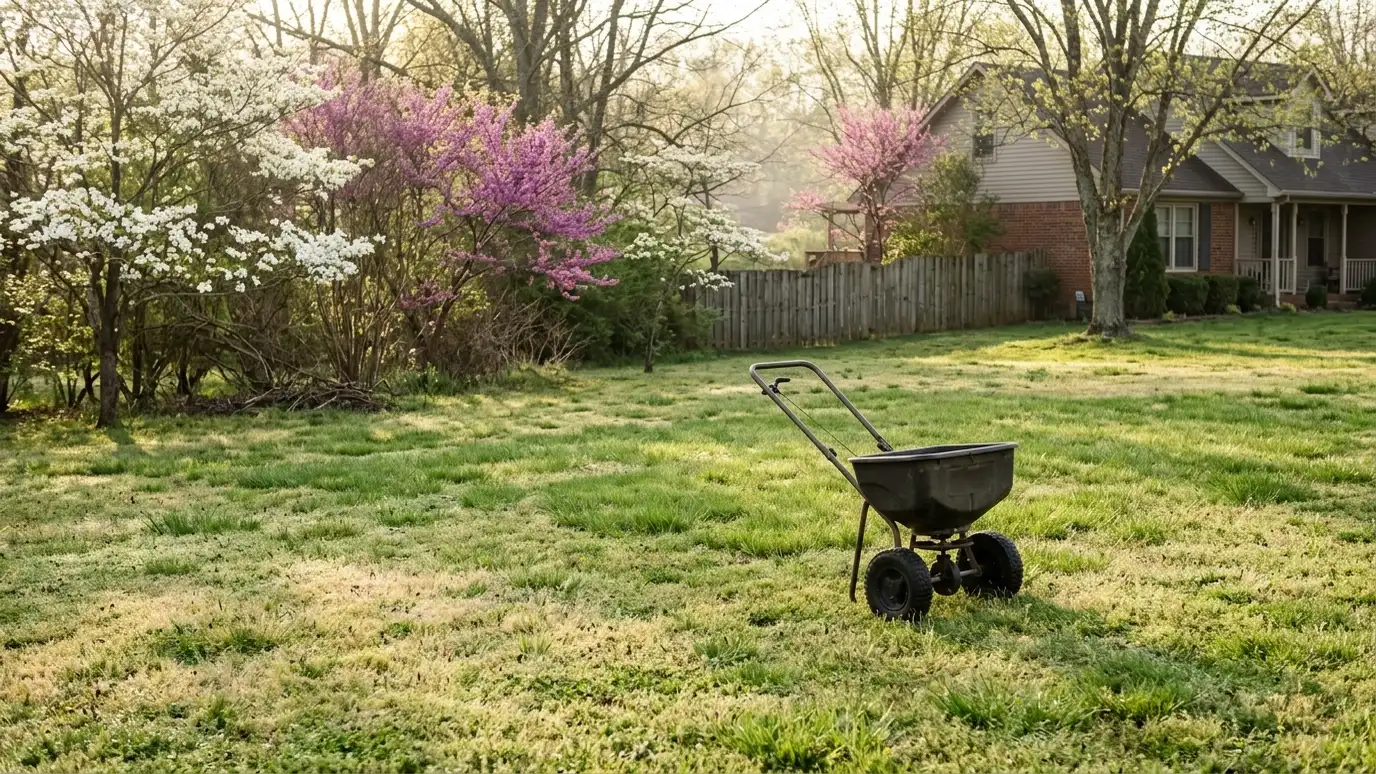 Spring Lawn FertilizationAn early spring feeding that wakes up the lawn, supports a healthy green-up and pairs with weed prevention.Explore
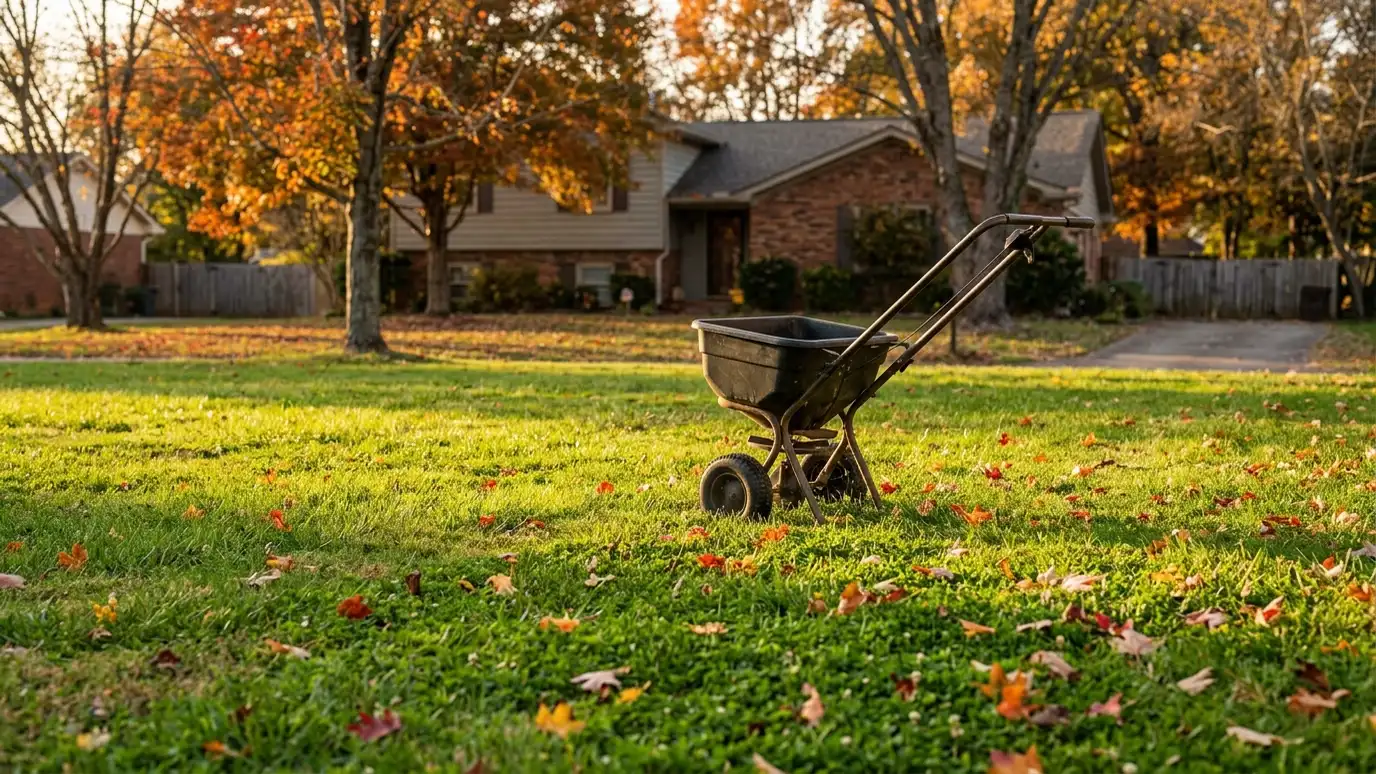 Fall Fertilization and WinterizerAutumn feeding that builds roots, repairs summer damage and sets up a faster, greener spring.Explore
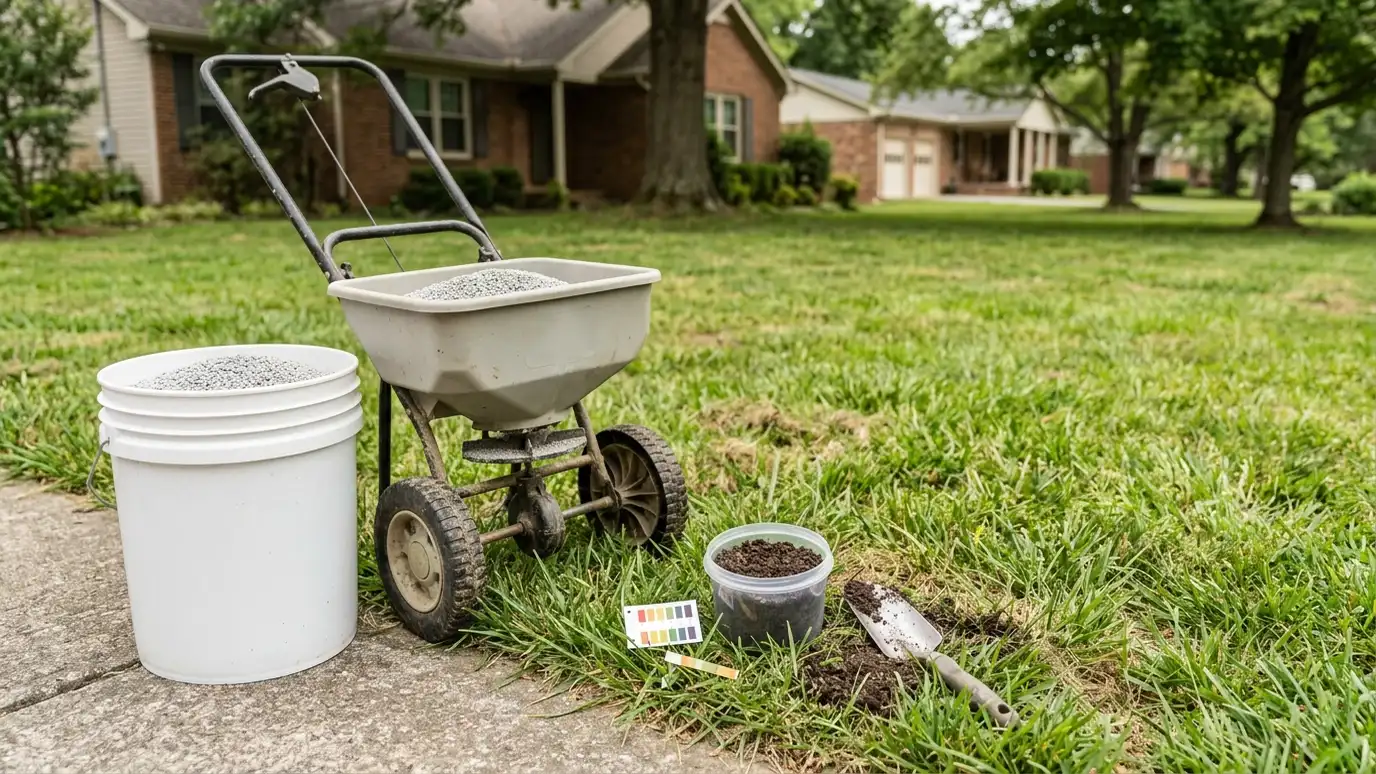 Lime and Soil pH TreatmentsLime or sulfur applications guided by soil tests, so your lawn can actually use the fertilizer you apply.Explore
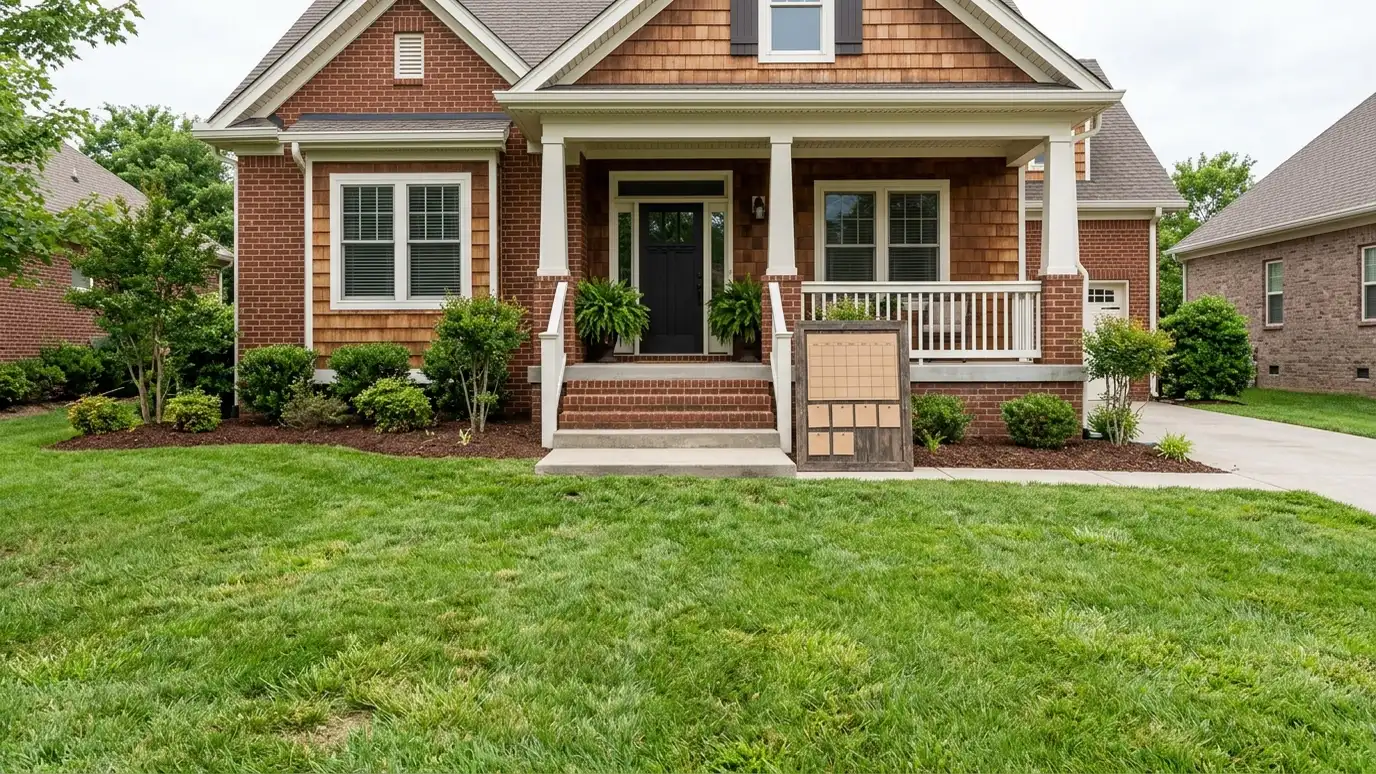 Annual Lawn Care PlansA full year of treatments, mowing and seasonal services on one schedule, so your lawn is cared for…Explore
Tell us about your lawn and we will call you back to set up a visit.
Or call (615) 357-7797 to talk now.