Quick response to caterpillars that chew grass blades, with scouting, treatment and recovery advice for the late-summer season.
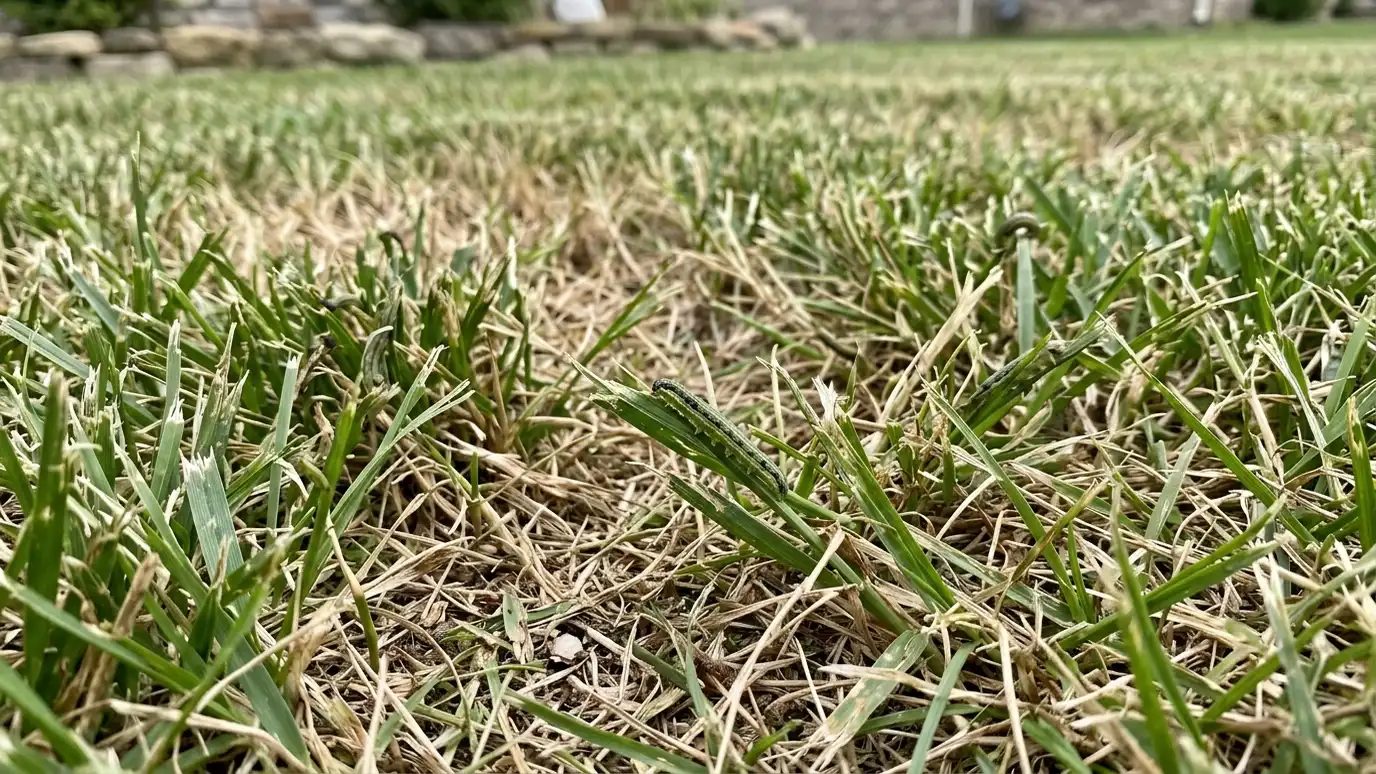
Armyworms and sod webworms are caterpillars that feed on grass blades, and they can strip a lawn quickly when conditions favor them. Damage often appears in late summer, when patches of grass look chewed, ragged or tan, and birds flock to the yard. Armyworms can move across a lawn in waves, while sod webworms live in silk-lined tunnels in the thatch and feed at night. Because the damage can look like drought or disease, many homeowners do not realize what is happening until the lawn is already thinned.
We confirm the pest by examining the thatch and soapy-flush testing a small area to bring caterpillars to the surface. If numbers are high, we apply an insect control product suited to the pest and the grass, following the label and timing treatment for the evening or the right weather. Because grass crowns usually survive, the lawn often recovers with watering and feeding, and we recommend overseeding for severely thinned areas. We also advise on regular scouting through late summer, when these pests are most active.
Damage looks like drought or disease. A simple flush test shows whether caterpillars are present.
Insect control applied when pests are active protects the lawn from further damage.
Crowns often survive, so water and feeding bring the lawn back. Overseeding helps severely thinned areas.
Regular checks catch pests early, before the damage is widespread.
Drag the handle to compare.
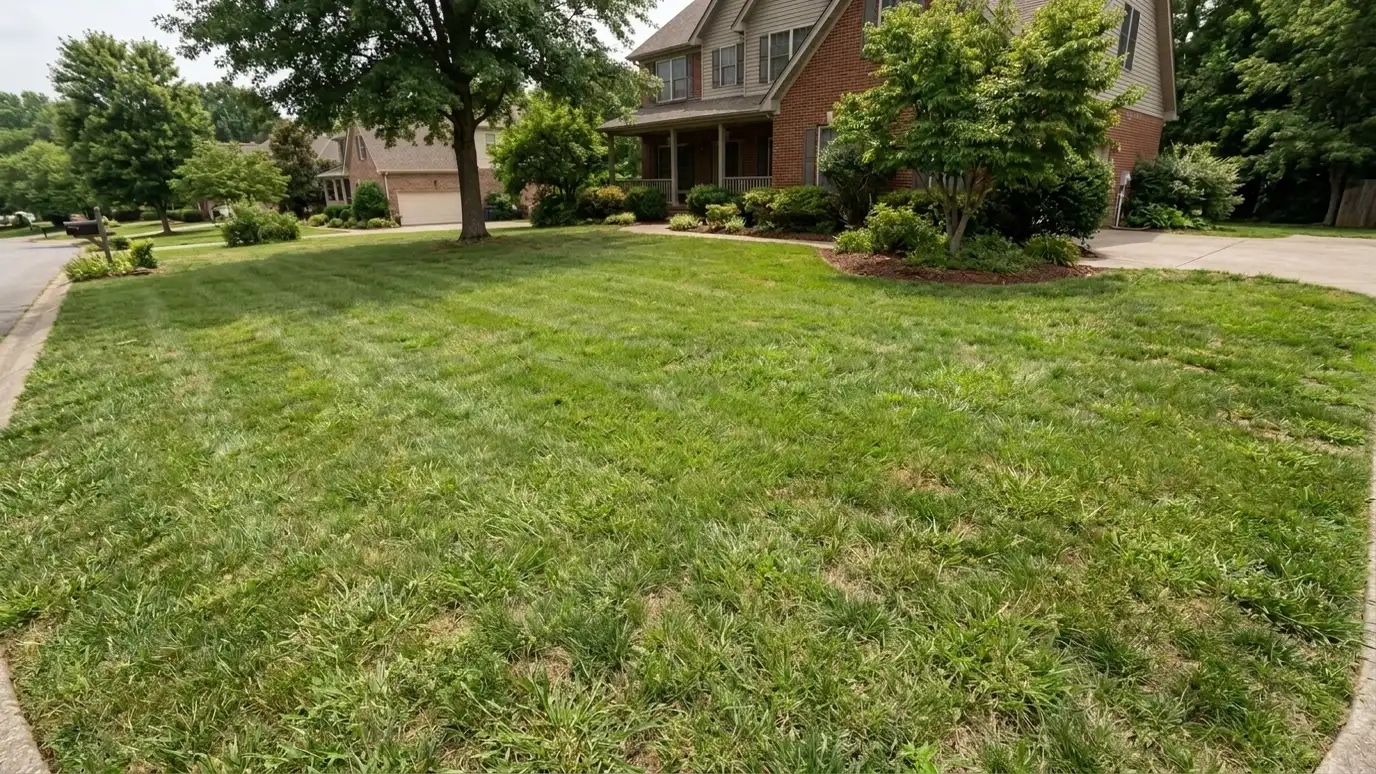
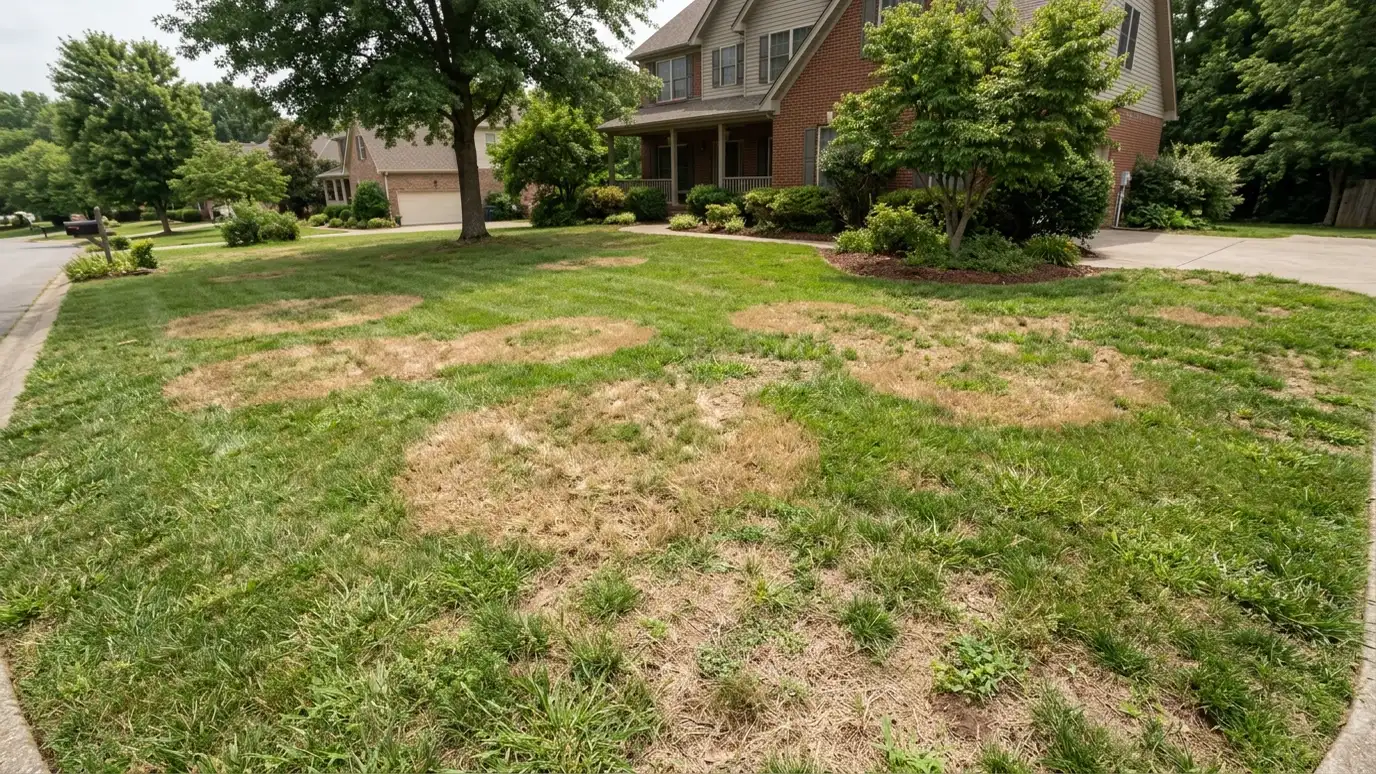 BeforeAfter
Flush test.
Right product.
Feed and water.
For thin areas.
Catch it early.
What to watch.
Every topic has its own page with what to expect and how we approach it.
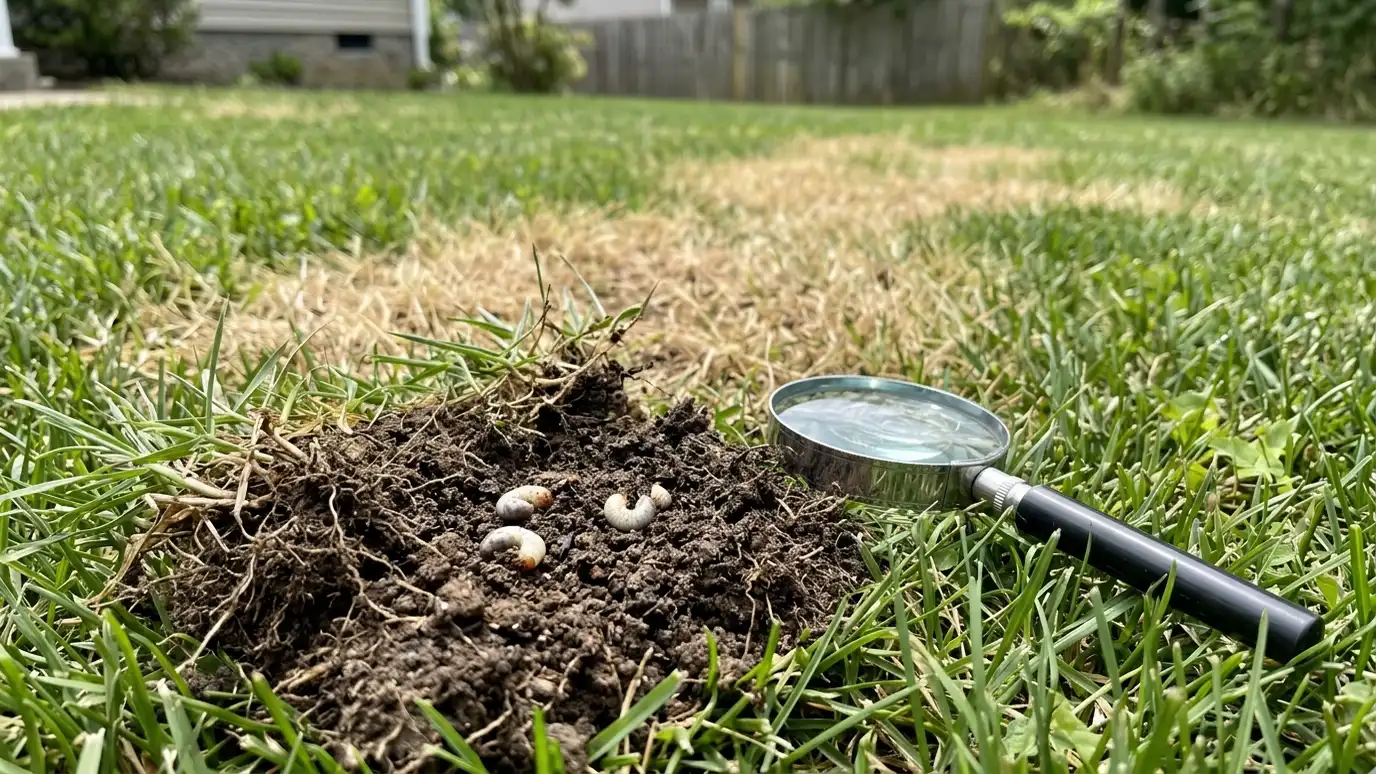 Topic guideDiseases and Pests GuideBrown patch, dollar spot, grubs, armyworms, chinch bugs and fire ants: signs, timing and what to do about…Learn more
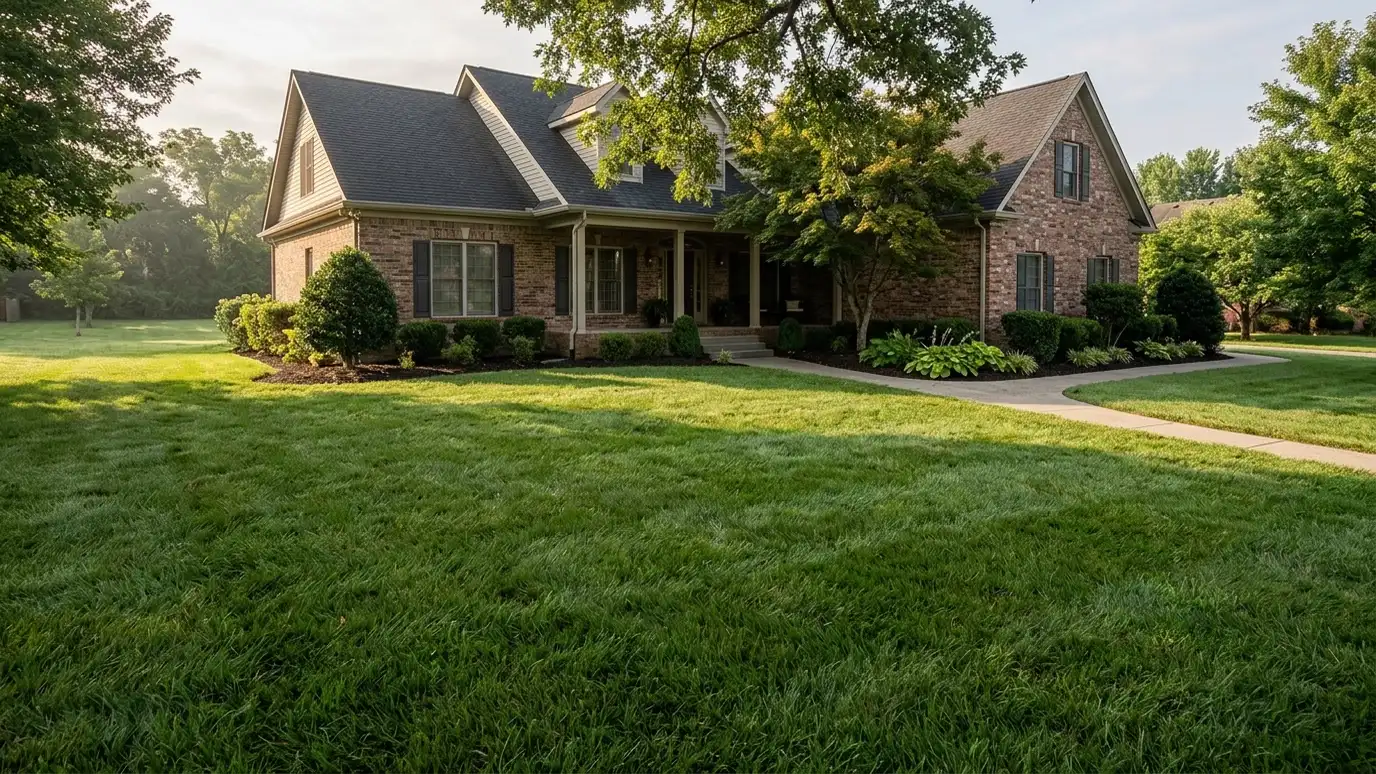 Lawn typeTall Fescue LawnsThe most common Middle Tennessee lawn: deep green, fine to medium texture and happiest in the cool seasons…Learn more
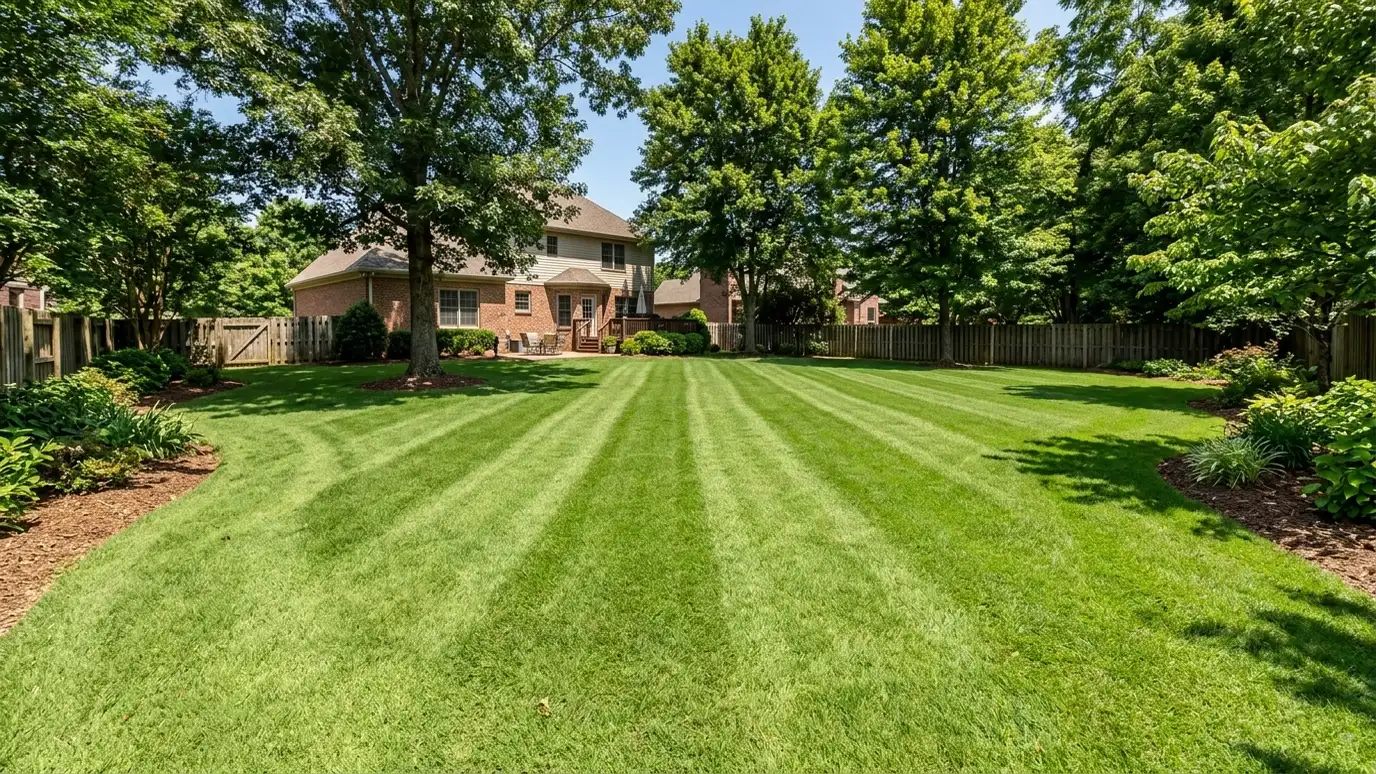 Lawn typeBermudagrass LawnsA tough, fine-textured warm-season grass that loves full sun, heat and traffic, and rests brown through winter.Learn more
Tick what you see in your lawn and get a priority list and a plain recommendation: care, treat, renew or renovate.
You tell us about your lawn and what you want to change, from weeds to a full program, and we set a visit that fits your day.
We walk the lawn, identify the grass, check the soil, weeds, pests and drainage and talk through your goals.
We build a calendar of treatments for your grass type and give you an itemized written estimate with options.
Visits are scheduled by season and weather, and any gates, pets or irrigation are noted.
Crews apply products and perform services with calibrated equipment and leave notes after each visit.
Each season we review the results with you and adjust the plan for the next one.
Chewed grass, birds feeding in the lawn and caterpillars found in a soapy water test are clues.
Often yes. Grass crowns usually survive and regrow with water and feeding.
Typically from midsummer into early fall.
Only if numbers are high enough to cause damage. We scout first.
Regular scouting and good turf health help. Preventive treatments exist for some pests.
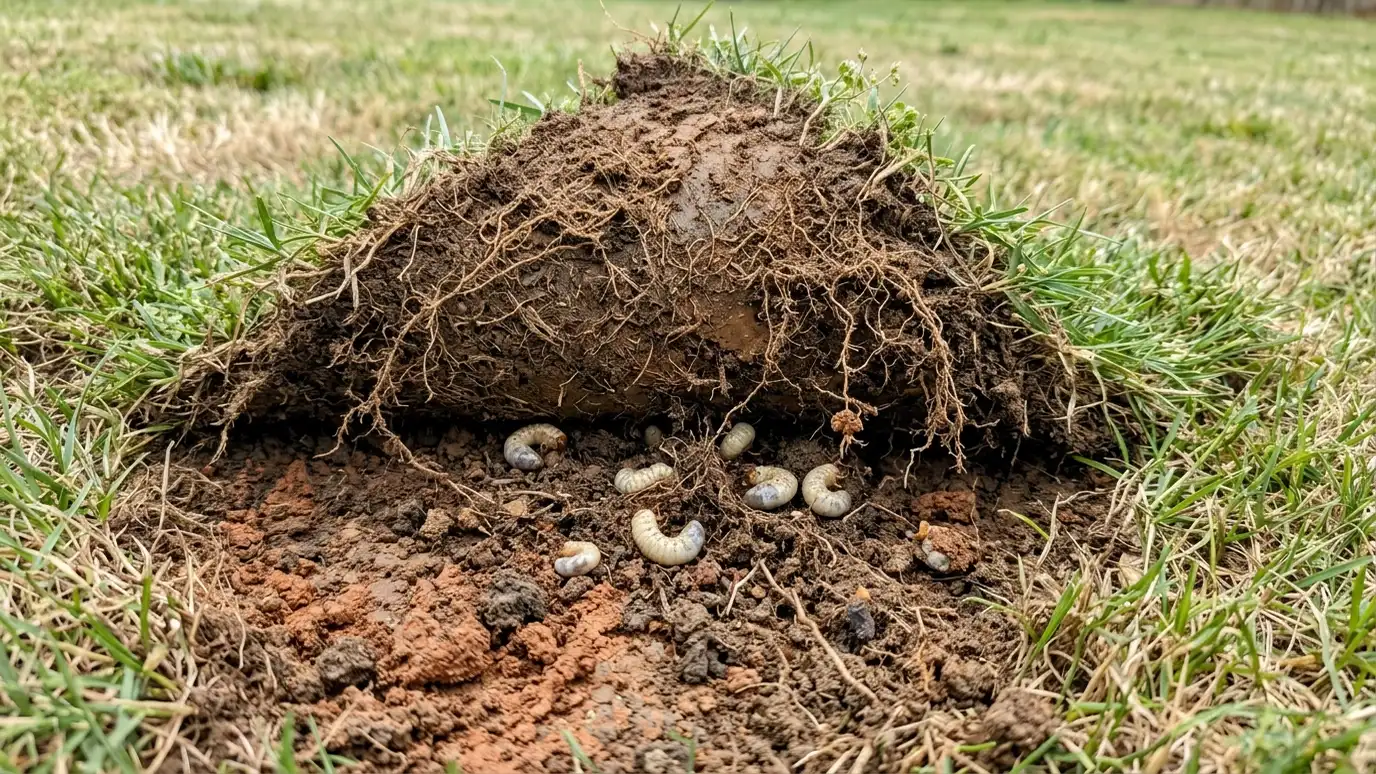 Grub ControlPreventive and curative grub treatment to protect your turf from white grubs that feed on roots and ruin…Explore
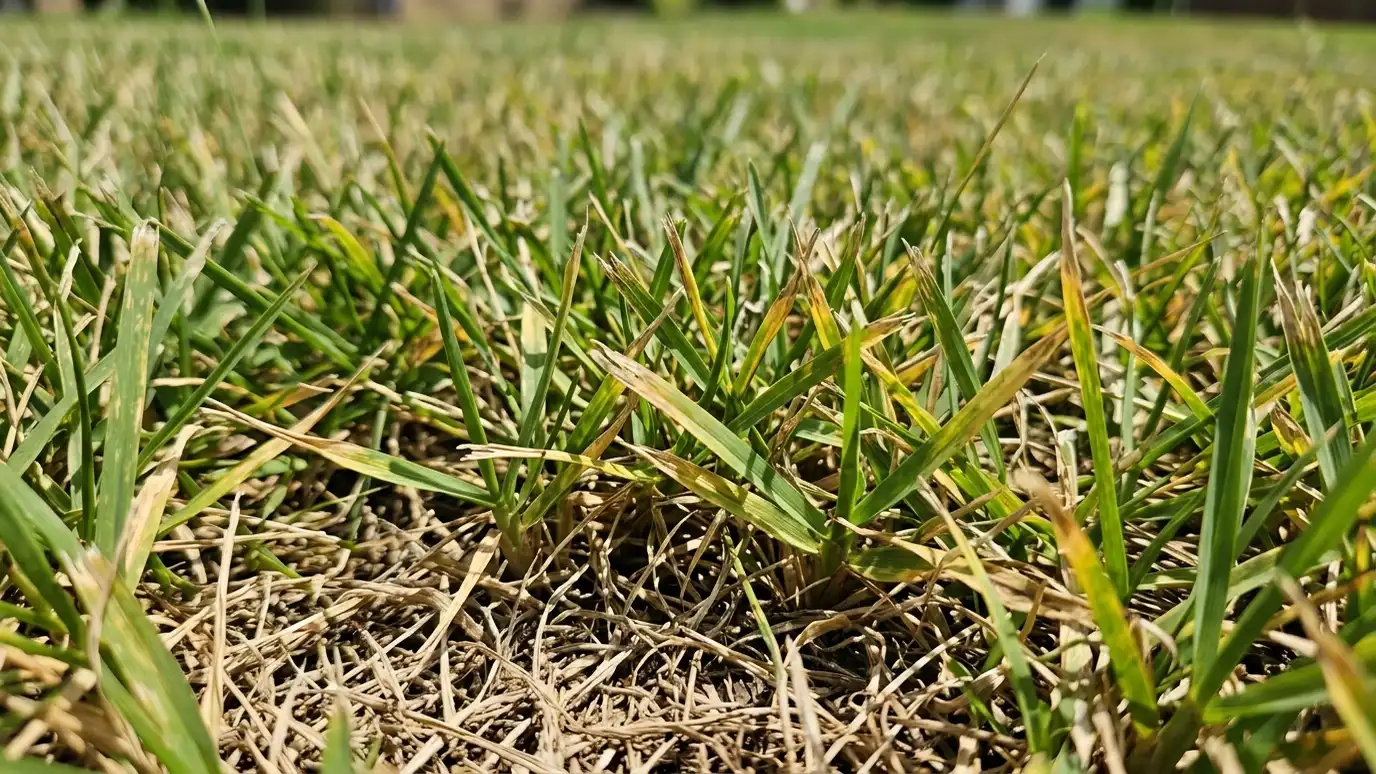 Chinch Bug and Insect ControlIdentification and treatment of chinch bugs, mites and other turf insects that cause yellow, dying patches in hot…Explore
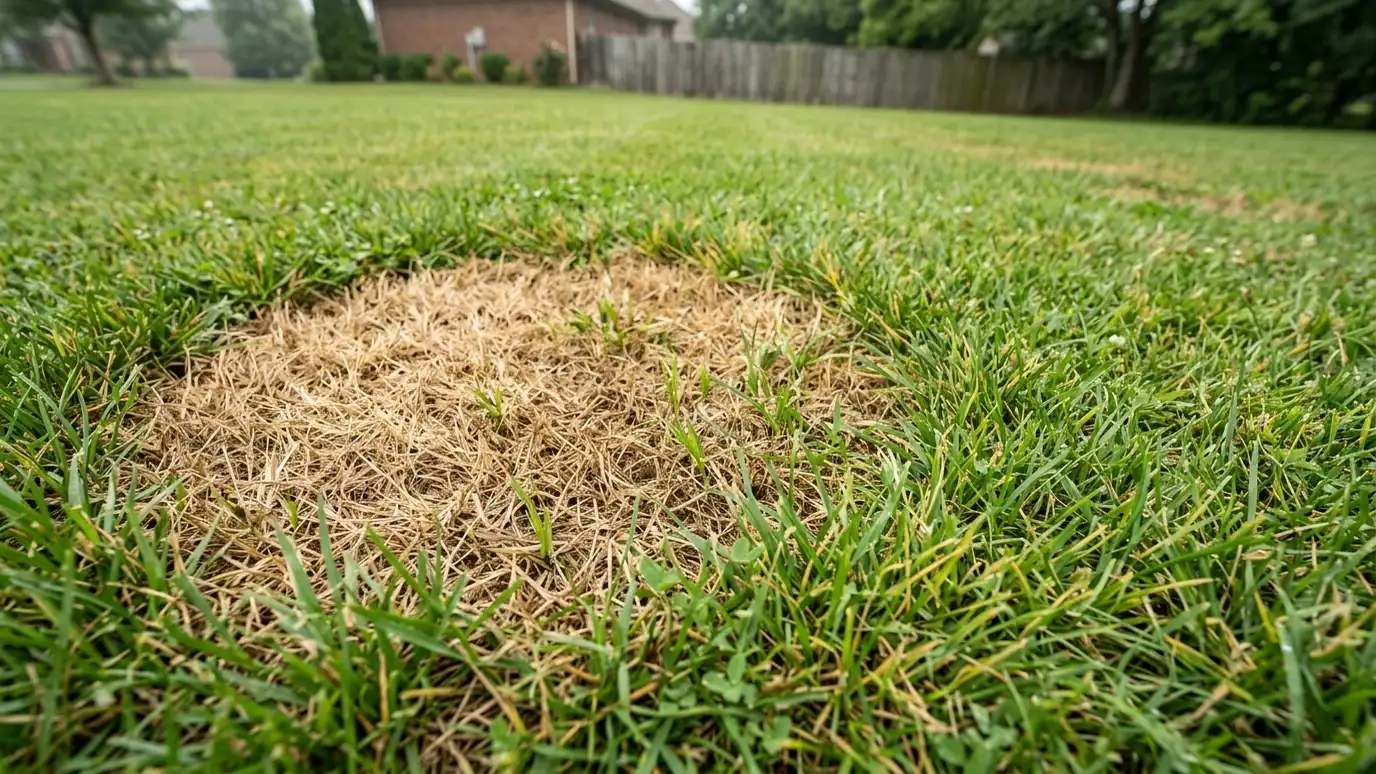 Lawn Disease ControlIdentification and treatment of lawn diseases such as brown patch, dollar spot and leaf spot, plus the habits…Explore
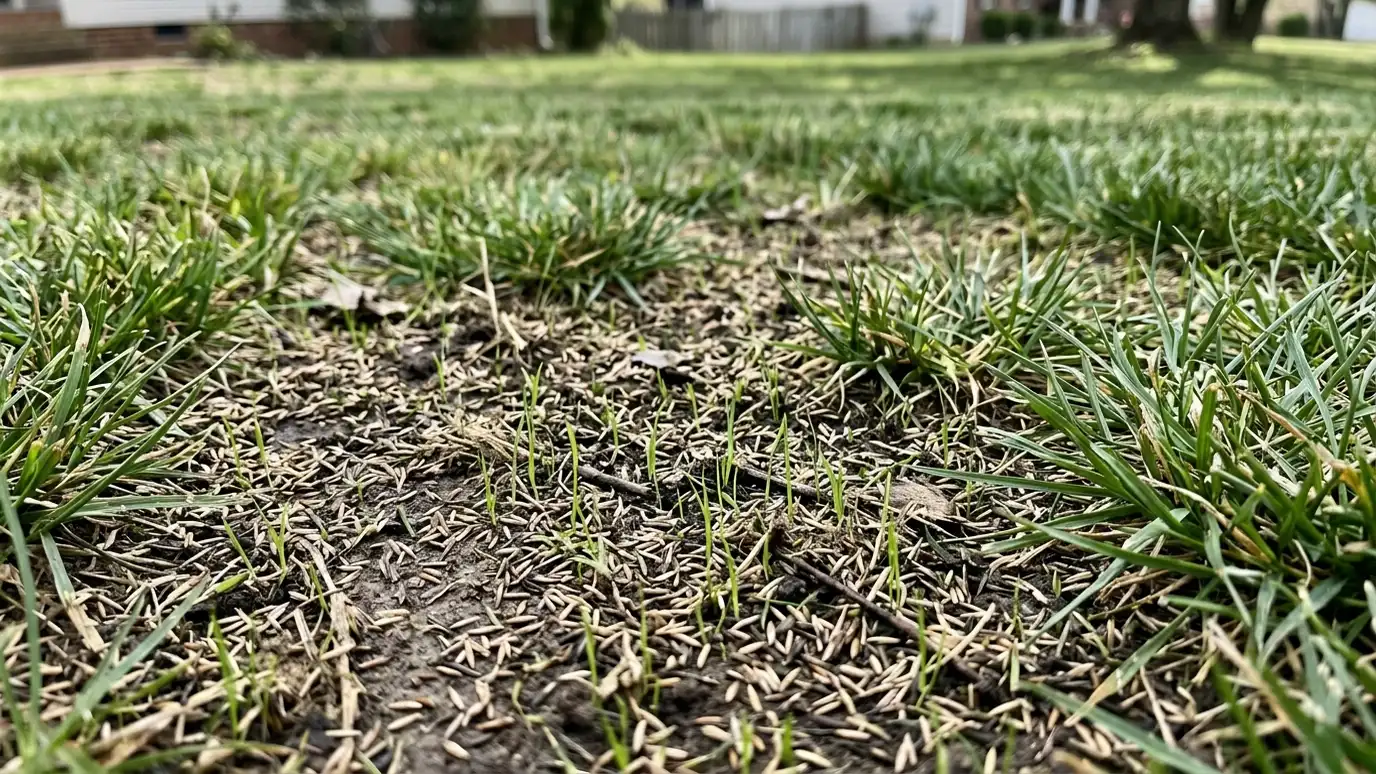 OverseedingNew seed spread across your existing lawn to thicken thin areas, repair summer damage and renew aging turf.Explore
Tell us about your lawn and we will call you back to set up a visit.
Or call (615) 357-7797 to talk now.