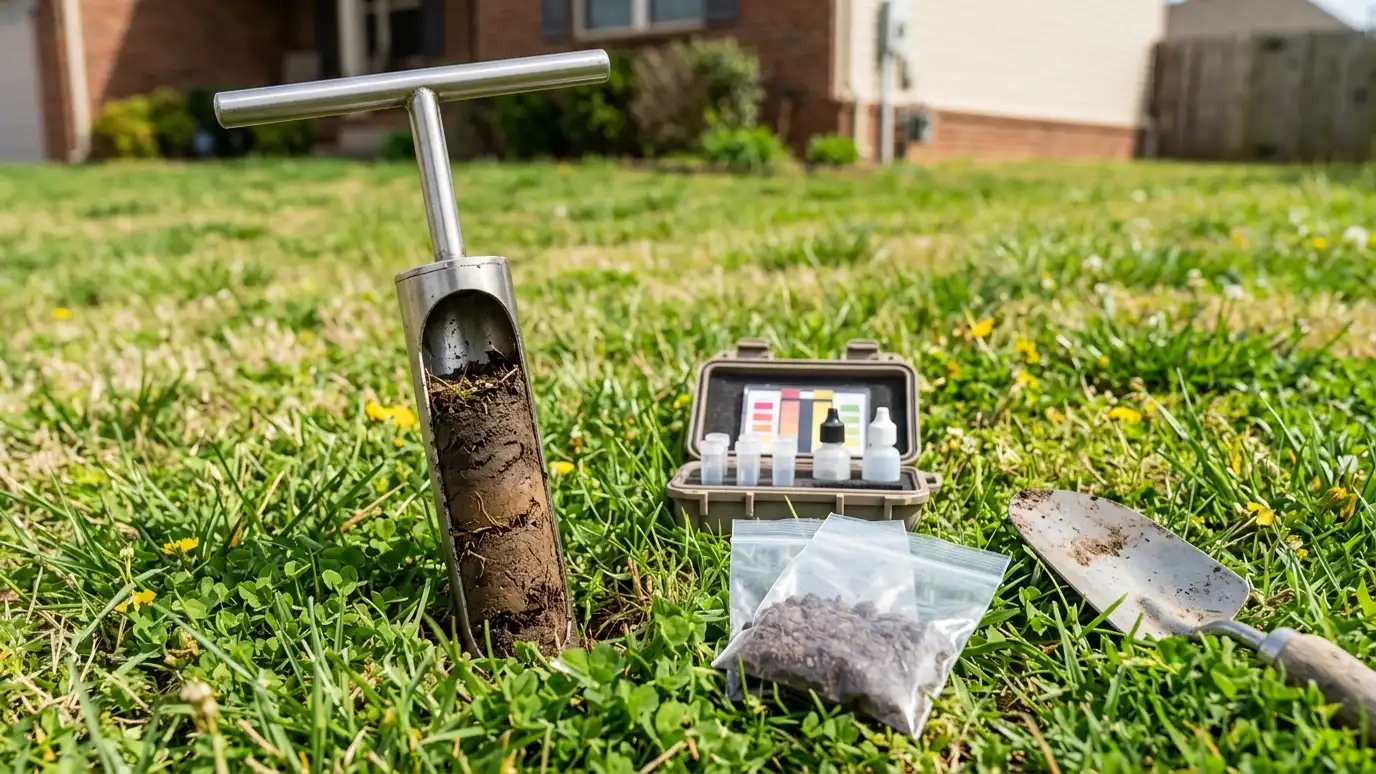
Soil samples, pH and nutrient checks and a turf inspection, so treatments match what your lawn actually needs.
Guessing is the most expensive way to feed a lawn. A soil test tells you whether the ground is acidic or alkaline, which nutrients are low and which are already plentiful, and whether lime or a specific fertilizer ratio will help. In Middle Tennessee, soils range from heavy red clay to thin rocky topsoil, and many yards are in the way of builder fill or compaction left behind by heavy equipment. The same fertilizer bag can work wonders on one lawn and do almost nothing on the next.
We pull small core samples from several areas of your lawn, send them for analysis and read the results with you. We also inspect the turf itself for thatch depth, root length, disease signs, insect damage and compaction. The outcome is a short written summary with clear recommendations, such as when to lime, what fertilizer ratio to use and whether aeration would help. It becomes the foundation for every treatment that follows, and it keeps you from paying for products your soil does not need.
Front, back, sunny and shady areas can have different soil. Several cores make the result more reliable.
If pH is off, even the right fertilizer is partly wasted. Lime or sulfur corrections are planned from the test.
We check thatch, roots, compaction and pests, because soil numbers alone do not explain every problem.
You get plain recommendations, not a page of numbers, so the plan is easy to follow.
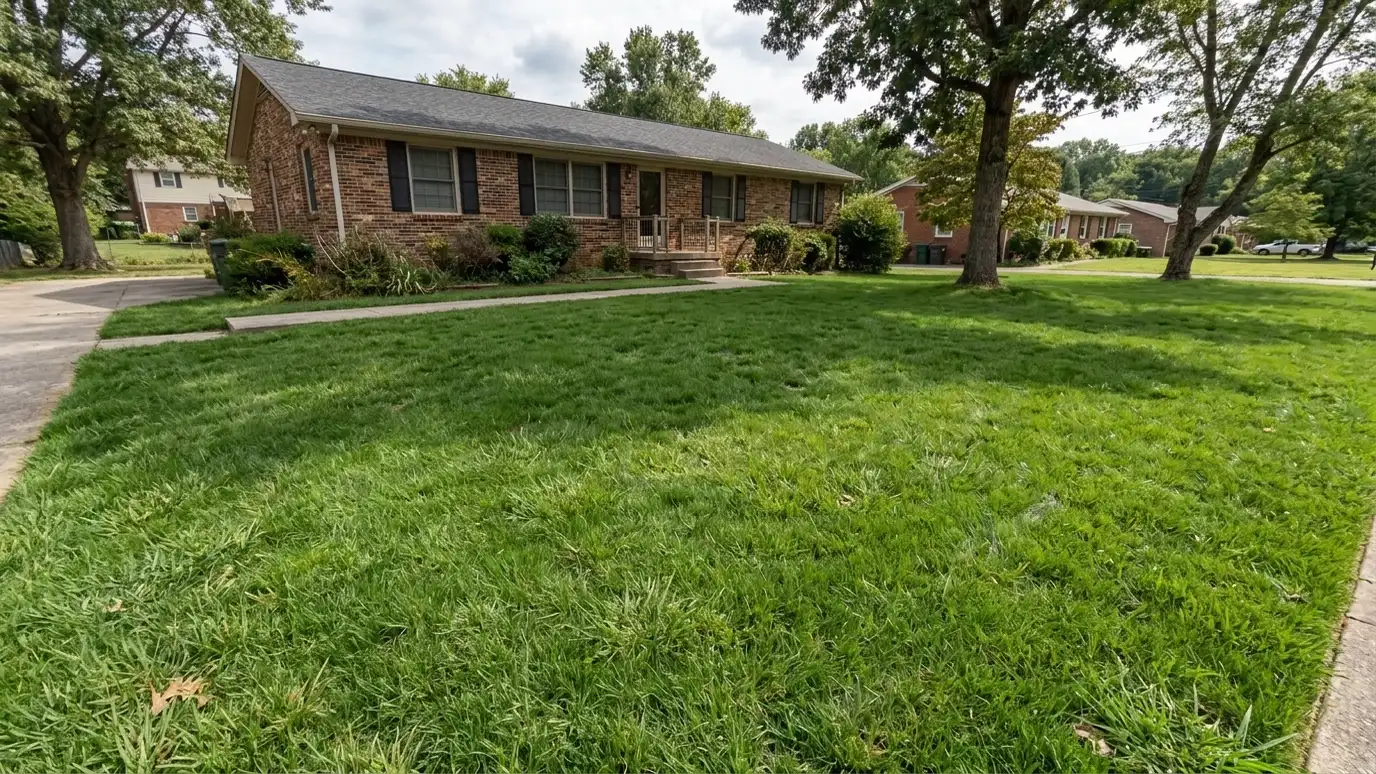
Drag the handle to compare.
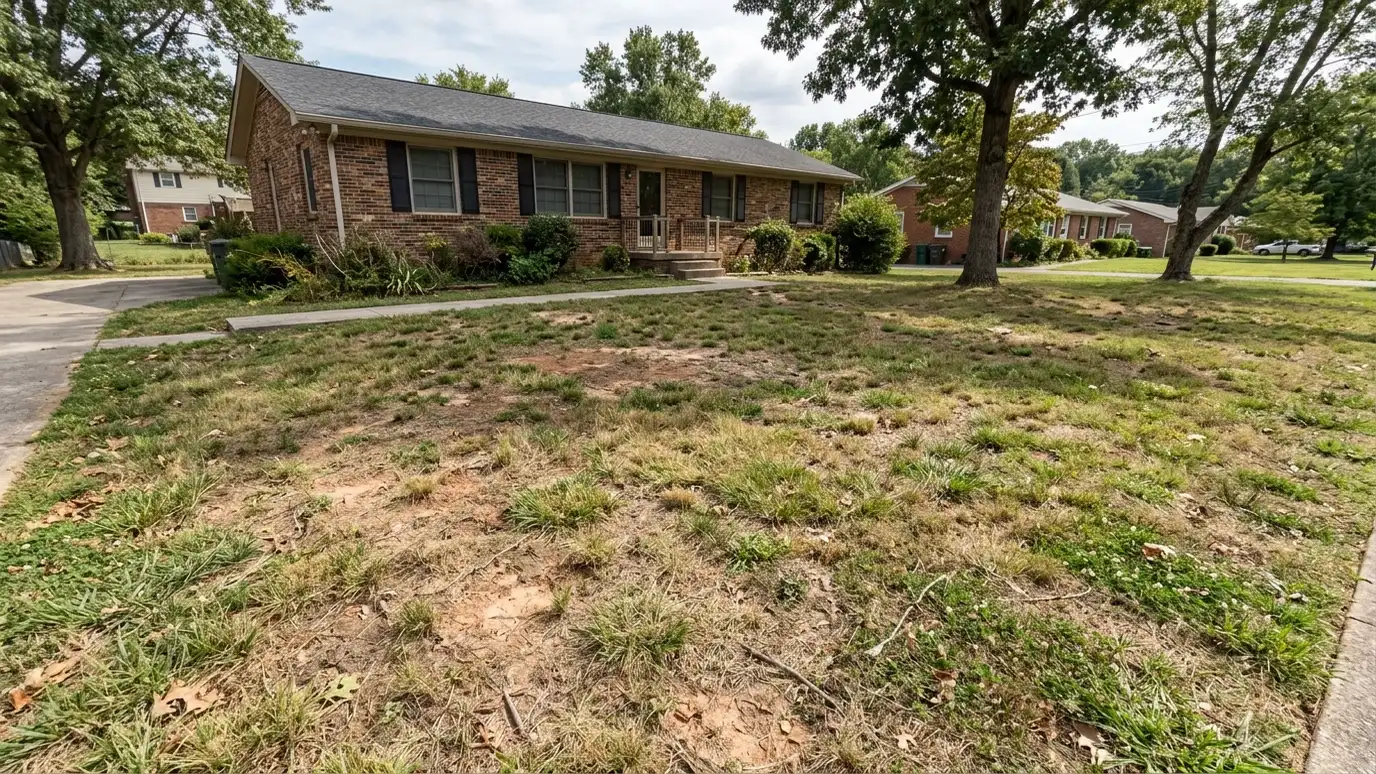 BeforeAfter
Not guesses.
Lime when needed.
Feed what is low.
Aeration guidance.
Skip what is not needed.
Easy to follow.
Every topic has its own page with what to expect and how we approach it.
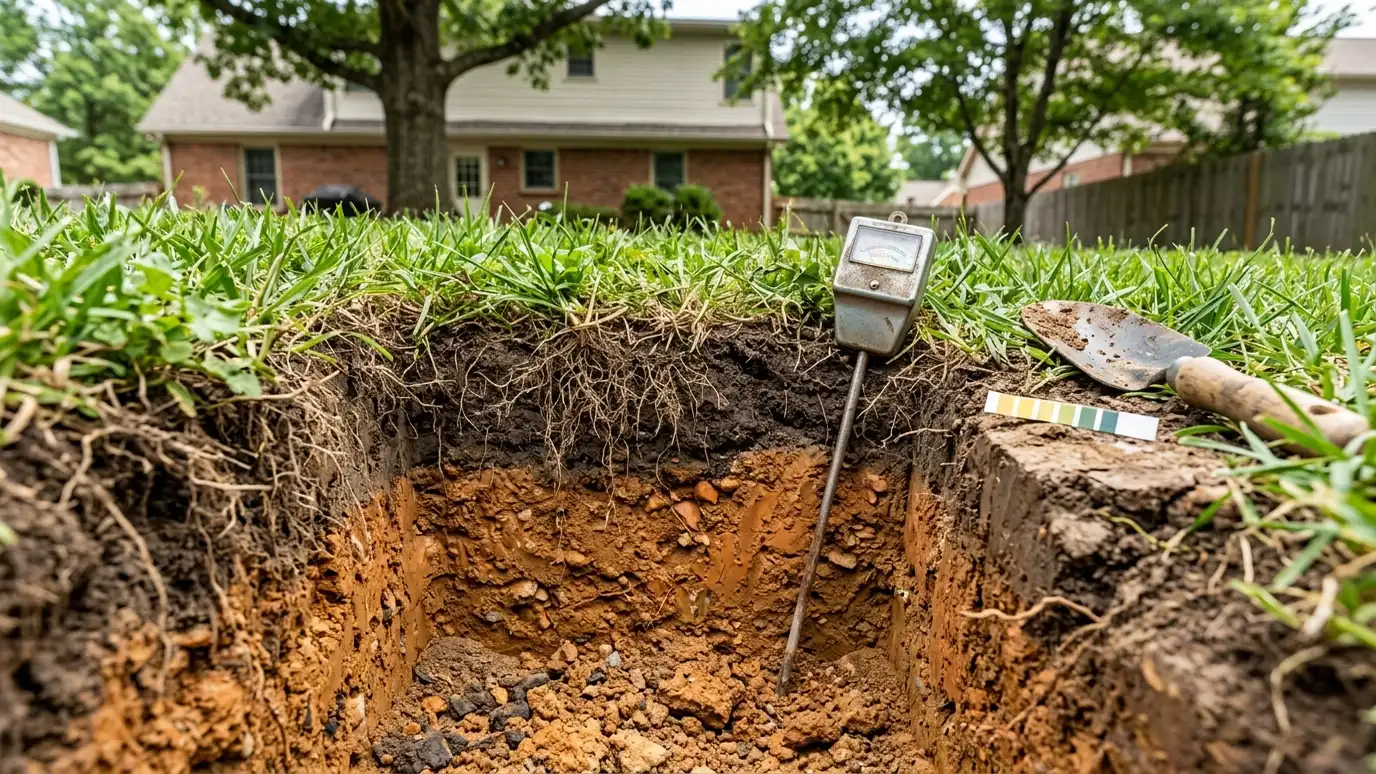 Topic guideSoil and pH GuideClay, compaction, organic matter and pH explained, with simple ways to test and improve the soil under your…Learn more
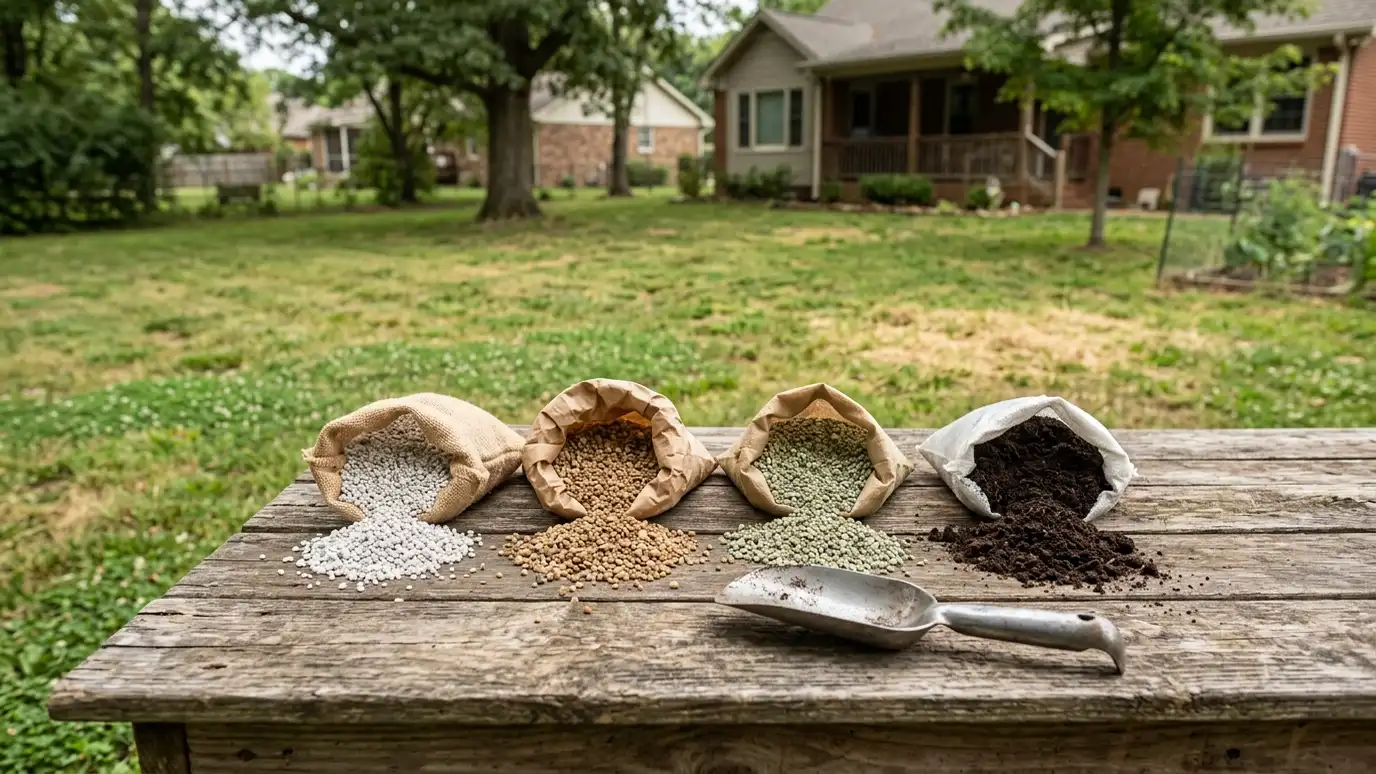 Topic guideFertilizer Types ComparedQuick release, slow release, liquid, granular and organic fertilizers compared on speed, cost, risk and results.Learn more
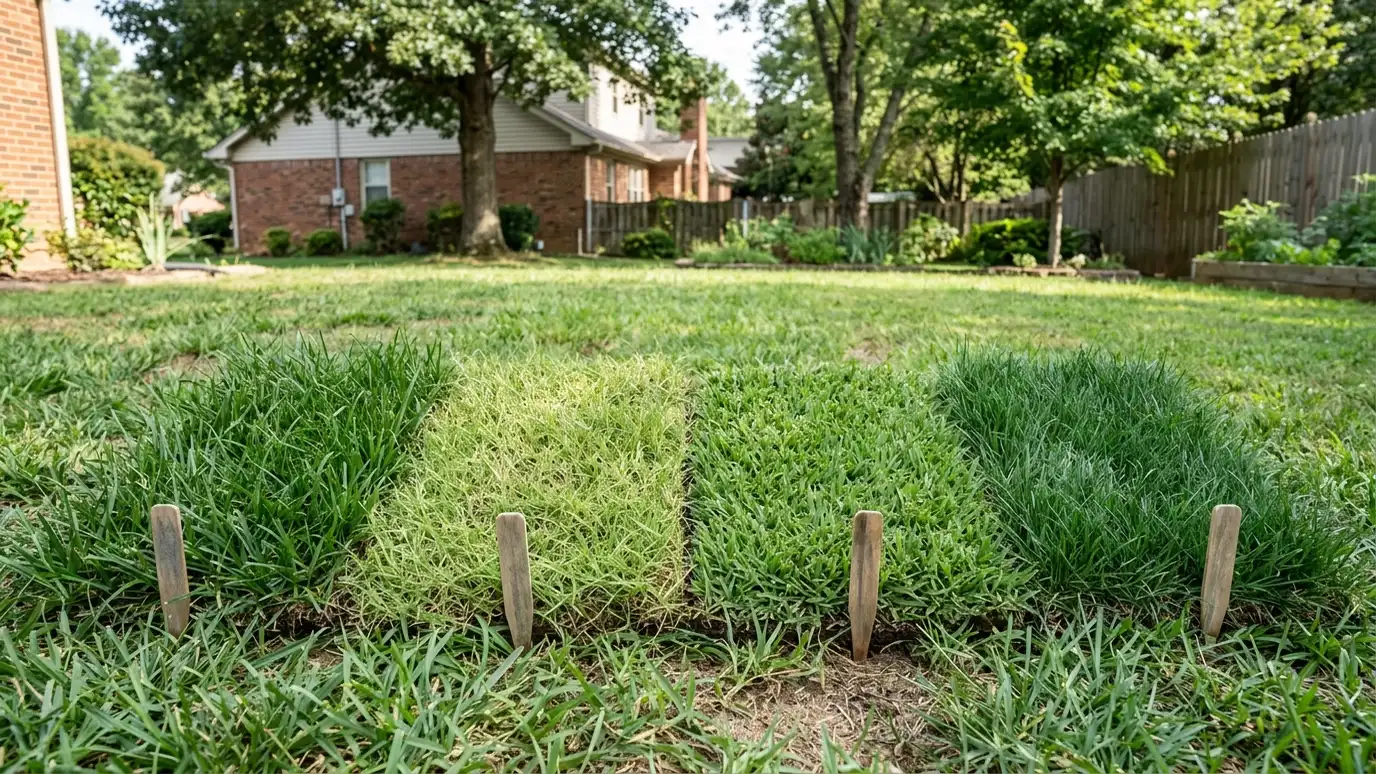 Topic guideGrass Types ComparedTall fescue, bermuda, zoysia and Kentucky bluegrass compared on sun, shade, wear, water, color and winter look.Learn more
Tick what you see in your lawn and get a priority list and a plain recommendation: care, treat, renew or renovate.
You tell us about your lawn and what you want to change, from weeds to a full program, and we set a visit that fits your day.
We walk the lawn, identify the grass, check the soil, weeds, pests and drainage and talk through your goals.
We build a calendar of treatments for your grass type and give you an itemized written estimate with options.
Visits are scheduled by season and weather, and any gates, pets or irrigation are noted.
Crews apply products and perform services with calibrated equipment and leave notes after each visit.
Each season we review the results with you and adjust the plan for the next one.
Every two to three years is common, or after major changes such as grading, new sod or heavy construction.
It shows pH and levels of key nutrients, and it guides lime and fertilizer choices.
Home kits give a rough idea. Laboratory results are more accurate and easier to act on.
Any time the ground is not frozen. Early spring or fall lets you act on the results quickly.
We include the details in your estimate so there are no surprises.
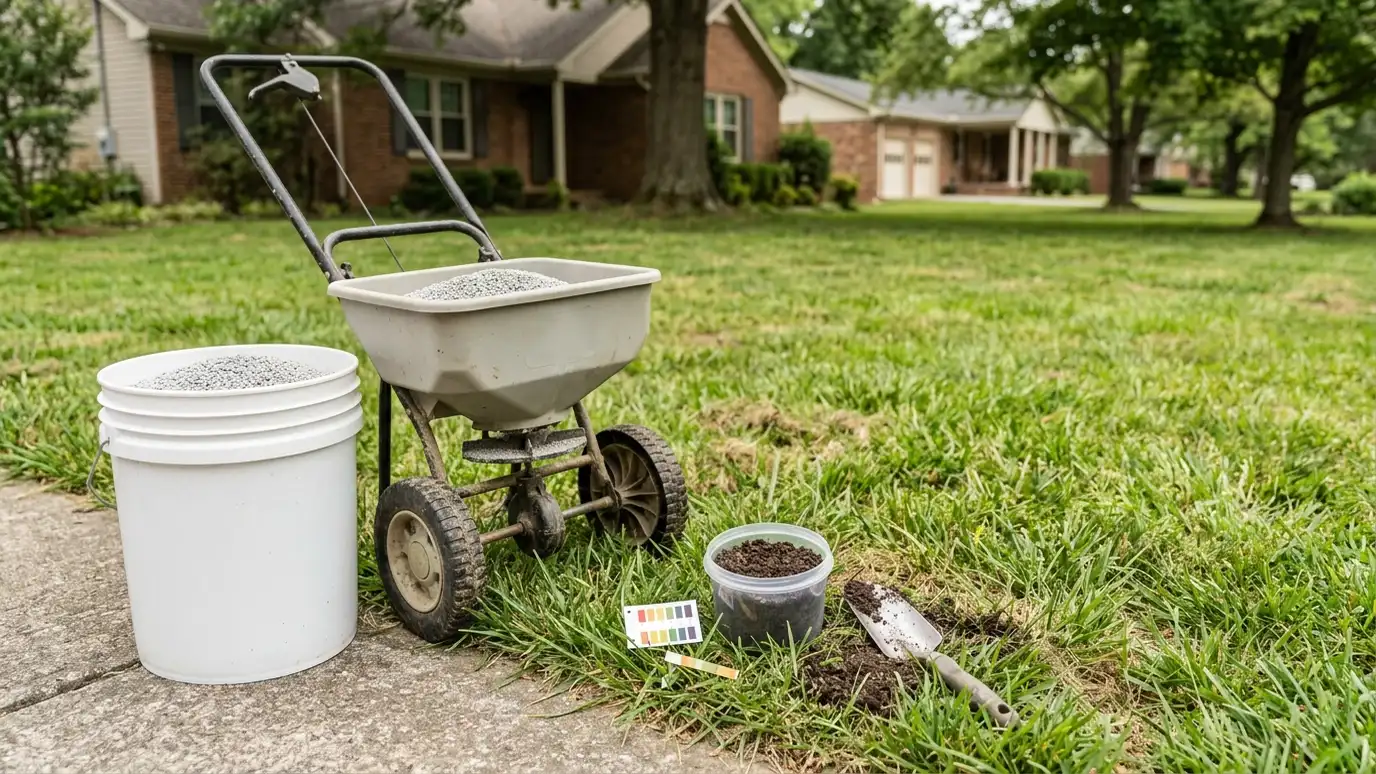 Lime and Soil pH TreatmentsLime or sulfur applications guided by soil tests, so your lawn can actually use the fertilizer you apply.Explore
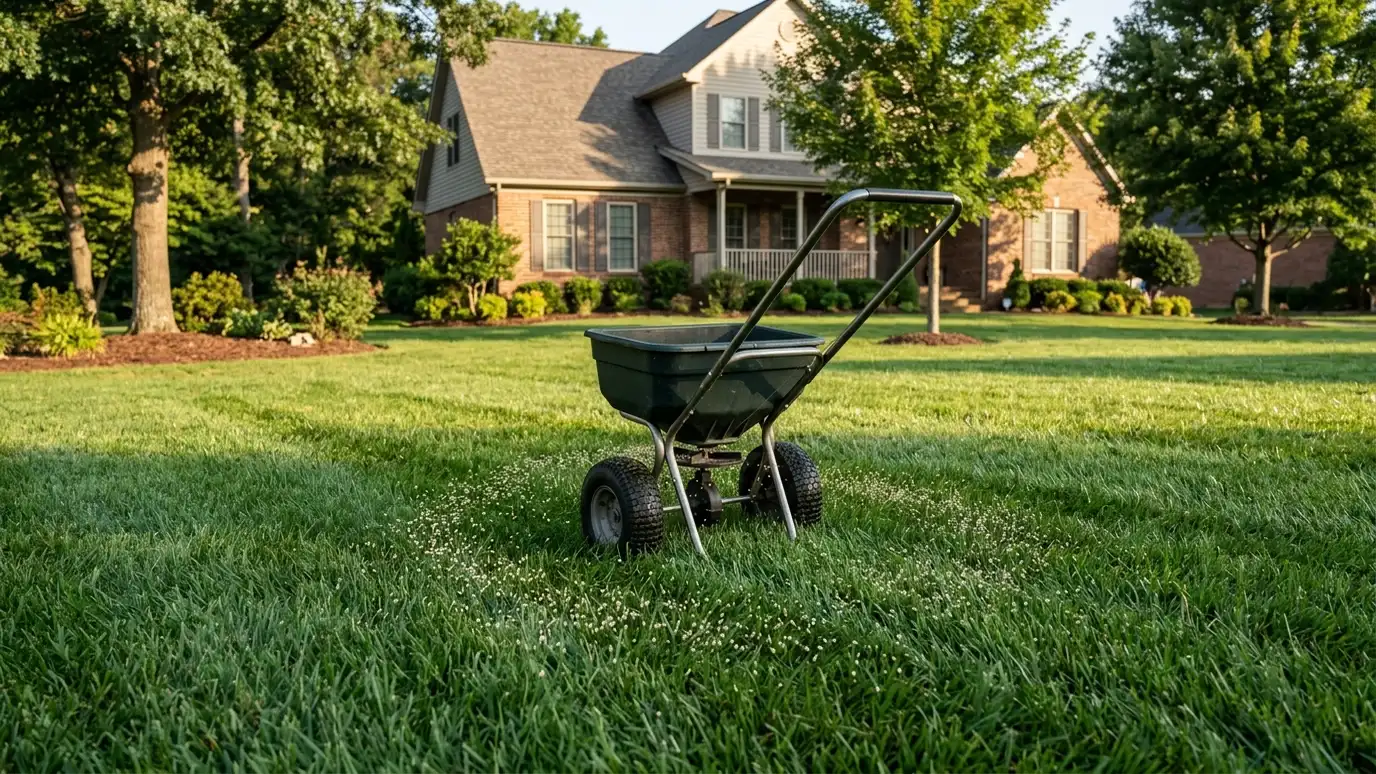 Lawn Fertilization ProgramsScheduled fertilizer rounds matched to your grass type and soil, to build thick, deep green turf through every…Explore
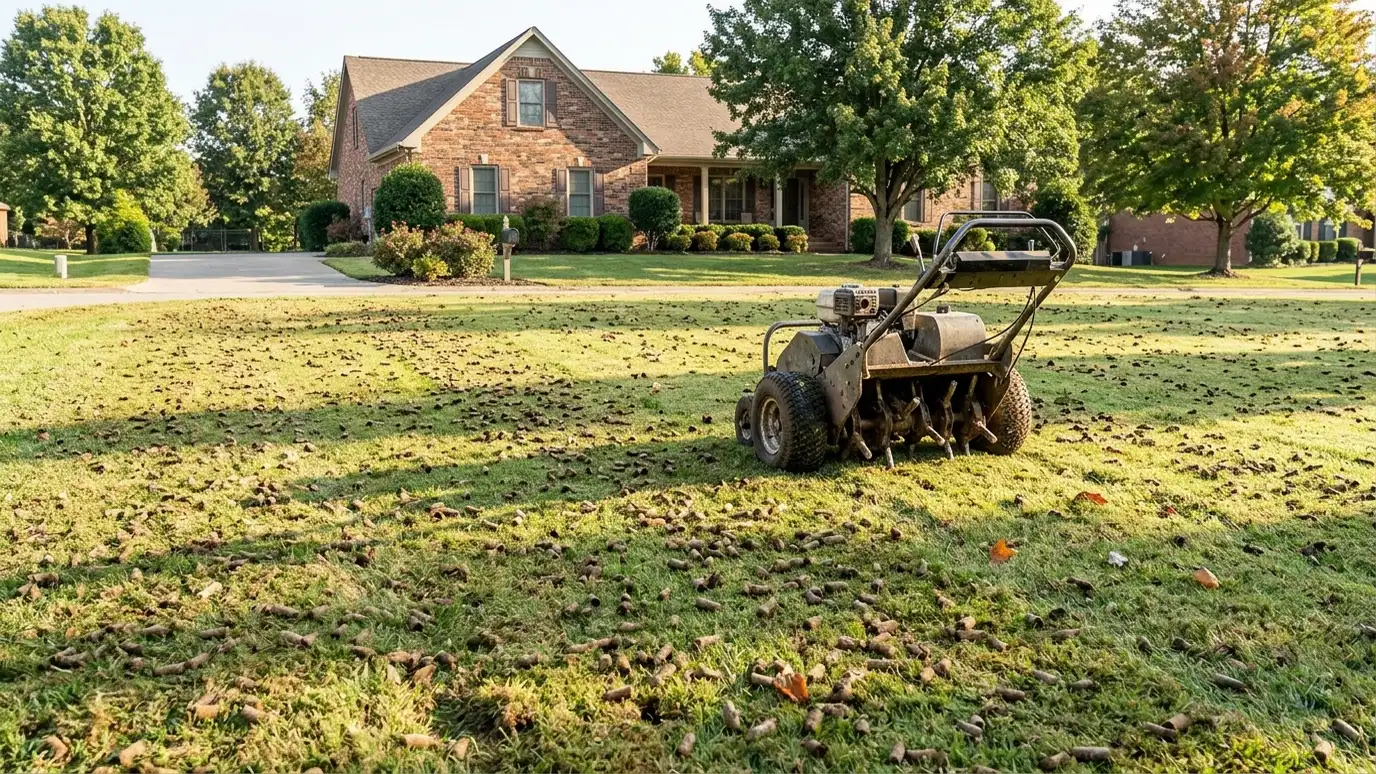 Core AerationMachine aeration that pulls small soil plugs to relieve compaction, so water, air and nutrients reach the roots.Explore
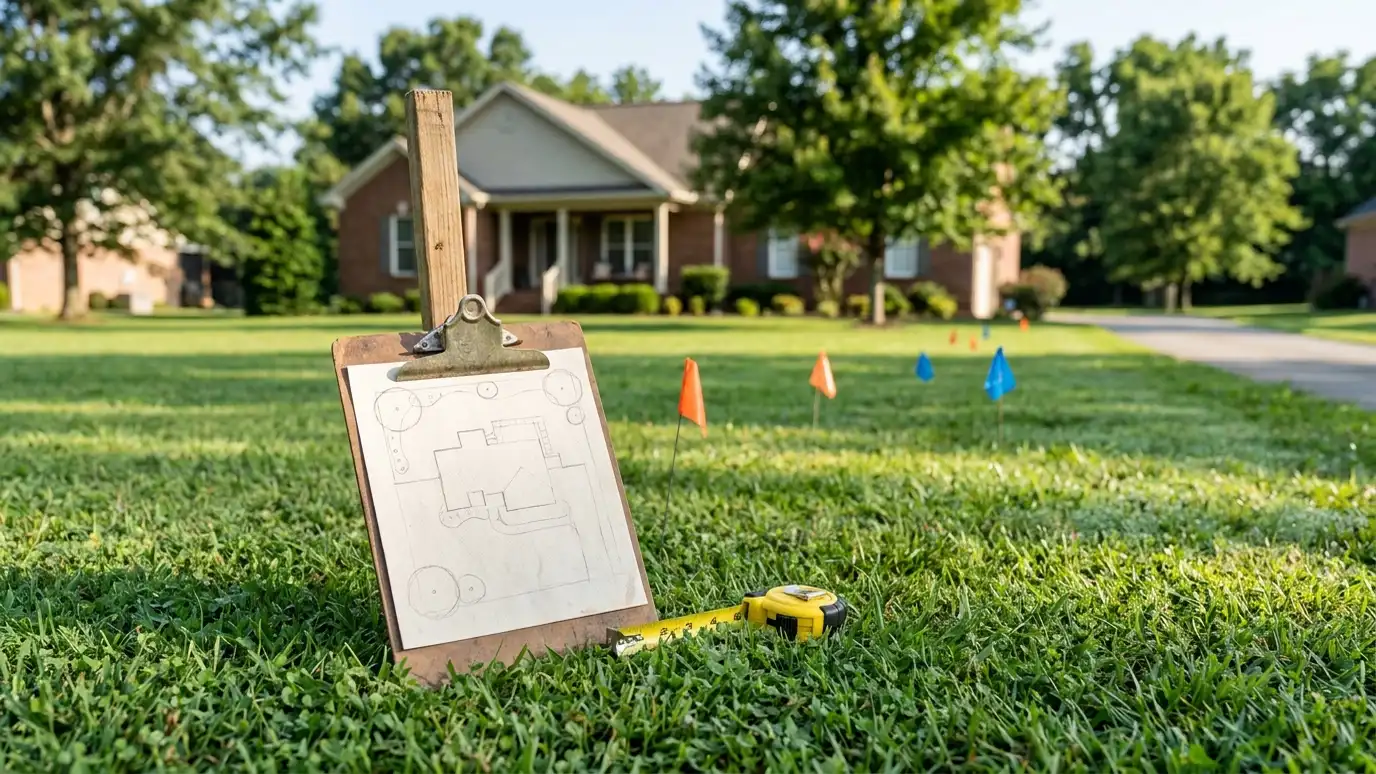 Custom Lawn Care ProgramsA treatment plan built for your turf type, soil and goals, with the right products at the right…Explore
Tell us about your lawn and we will call you back to set up a visit.
Or call (615) 357-7797 to talk now.