Identify what is tunneling in your lawn and reduce the damage with targeted control and turf repair.
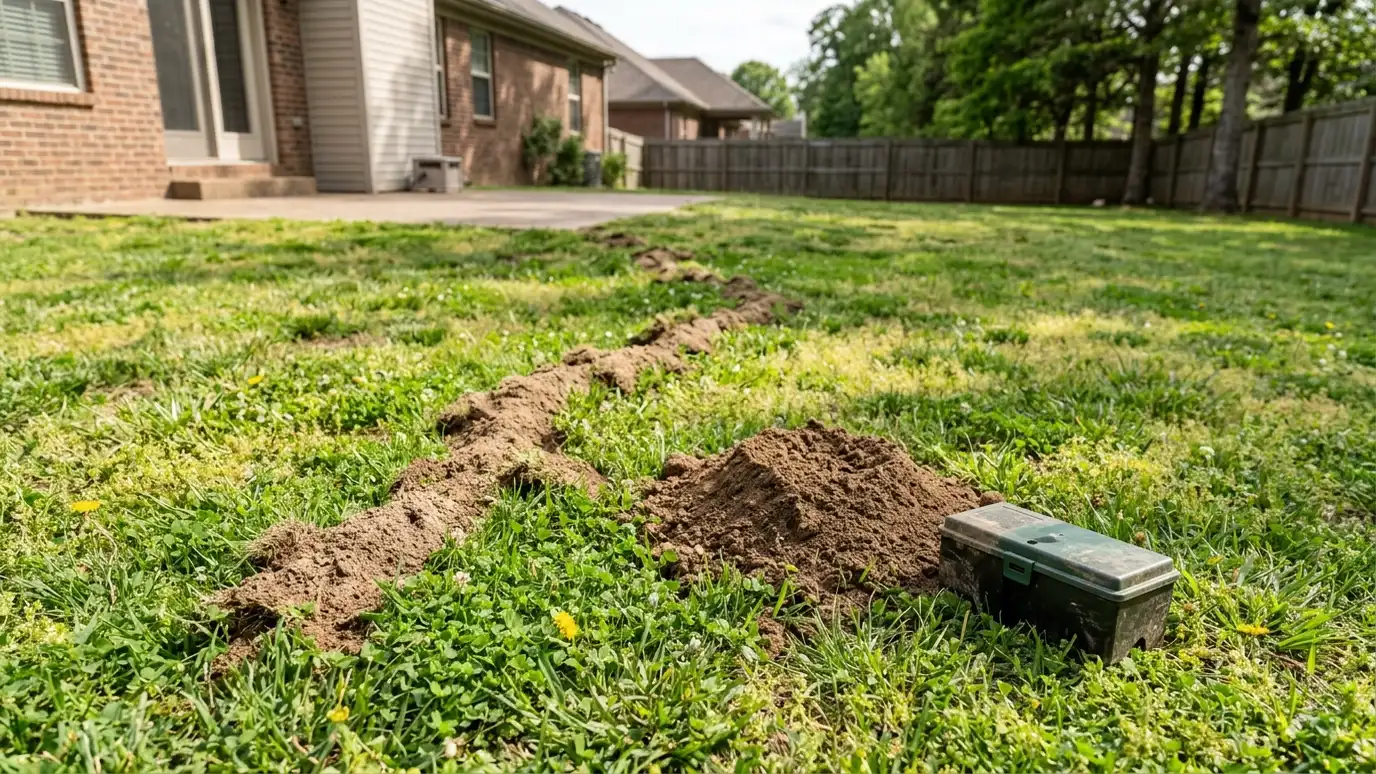
Raised ridges snaking across the lawn, scattered mounds of soil and dead strips of grass usually mean a mole, a vole or a gopher-like pest is at work. Moles tunnel in search of earthworms and grubs, pushing up ridges as they go, while voles use surface runways and chew grass crowns and plant roots. The damage looks similar but the controls are different, and the wrong approach just wastes time. In Middle Tennessee, moles are the most common culprit in lawns, especially after rain.
We start by identifying the animal from the signs. For moles, we reduce the food supply when grubs are a factor and use trapping or other approved methods where appropriate. For voles, we recommend cutting back dense cover, clearing mulch from tree bases and using suitable controls. We follow local rules and the label for any product. After control, we help you repair tunnels and bare areas, firming ridges and overseeding where needed. It takes persistence, and we are honest that no method works instantly or perfectly.
Moles push up ridges and mounds, and voles leave surface runways. The right control depends on which it is.
Grub control and removing dense cover make the yard less attractive to these animals.
Trapping or other suitable methods are used where appropriate, following local rules.
Firming tunnels and overseeding bare areas helps the turf recover once the animals are controlled.
Drag the handle to compare.
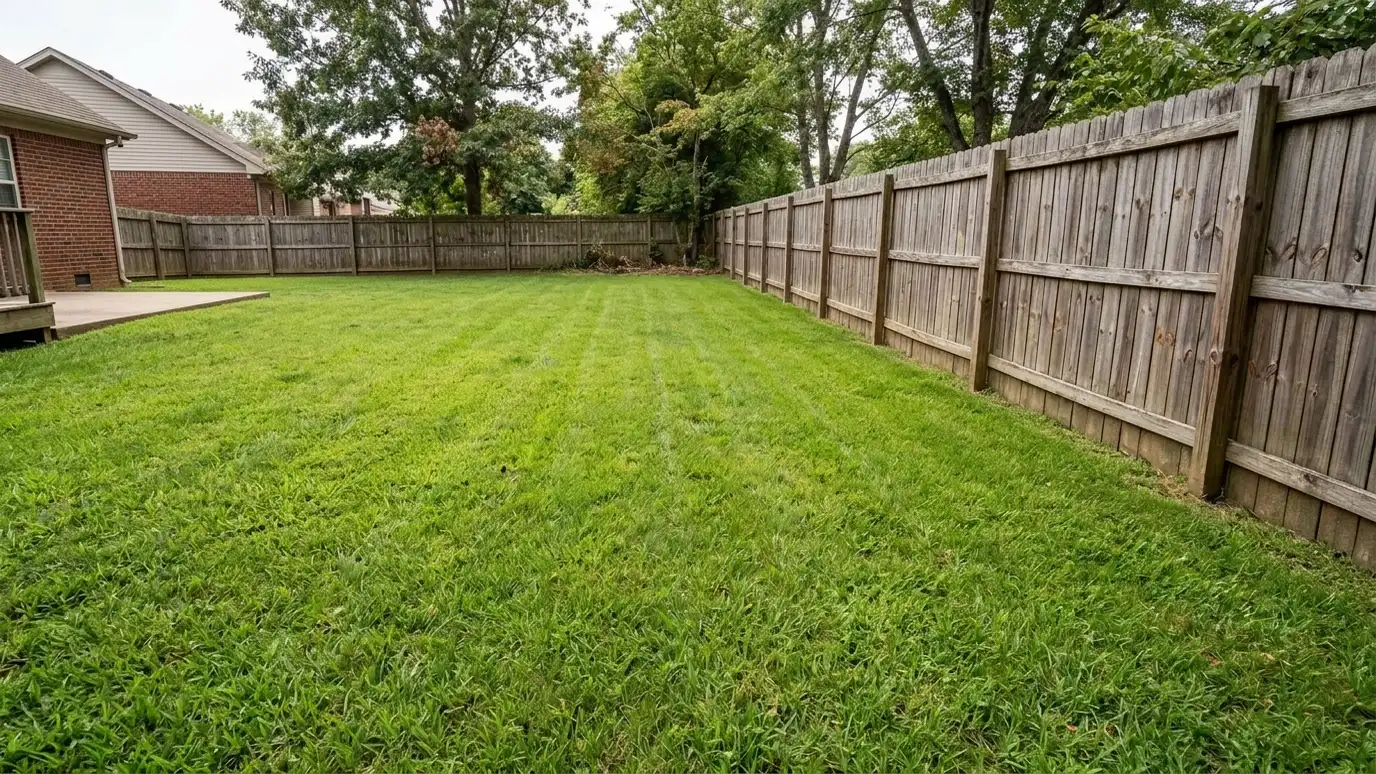
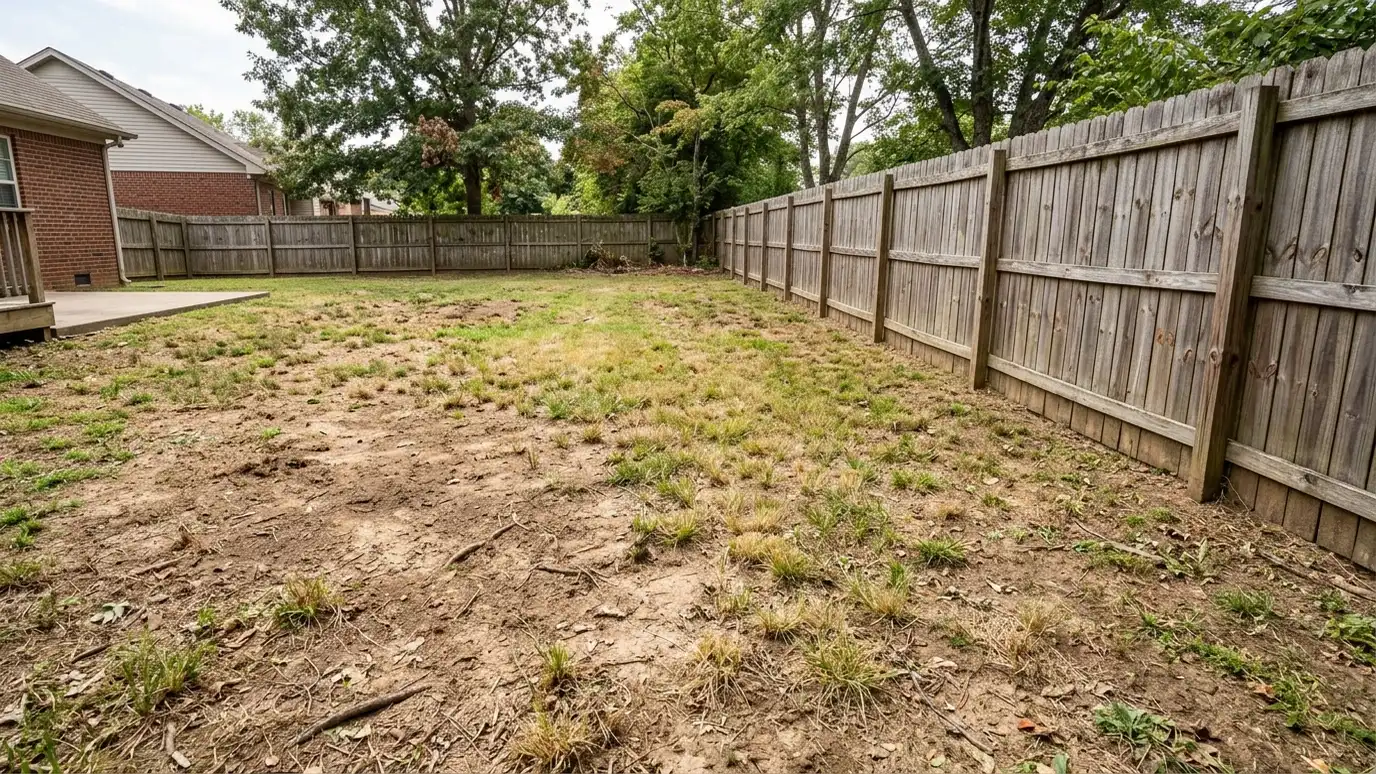 BeforeAfter
Where appropriate.
Mole or vole.
Grubs and cover.
Firm and reseed.
Persistence needed.
Keep them away.
Every topic has its own page with what to expect and how we approach it.
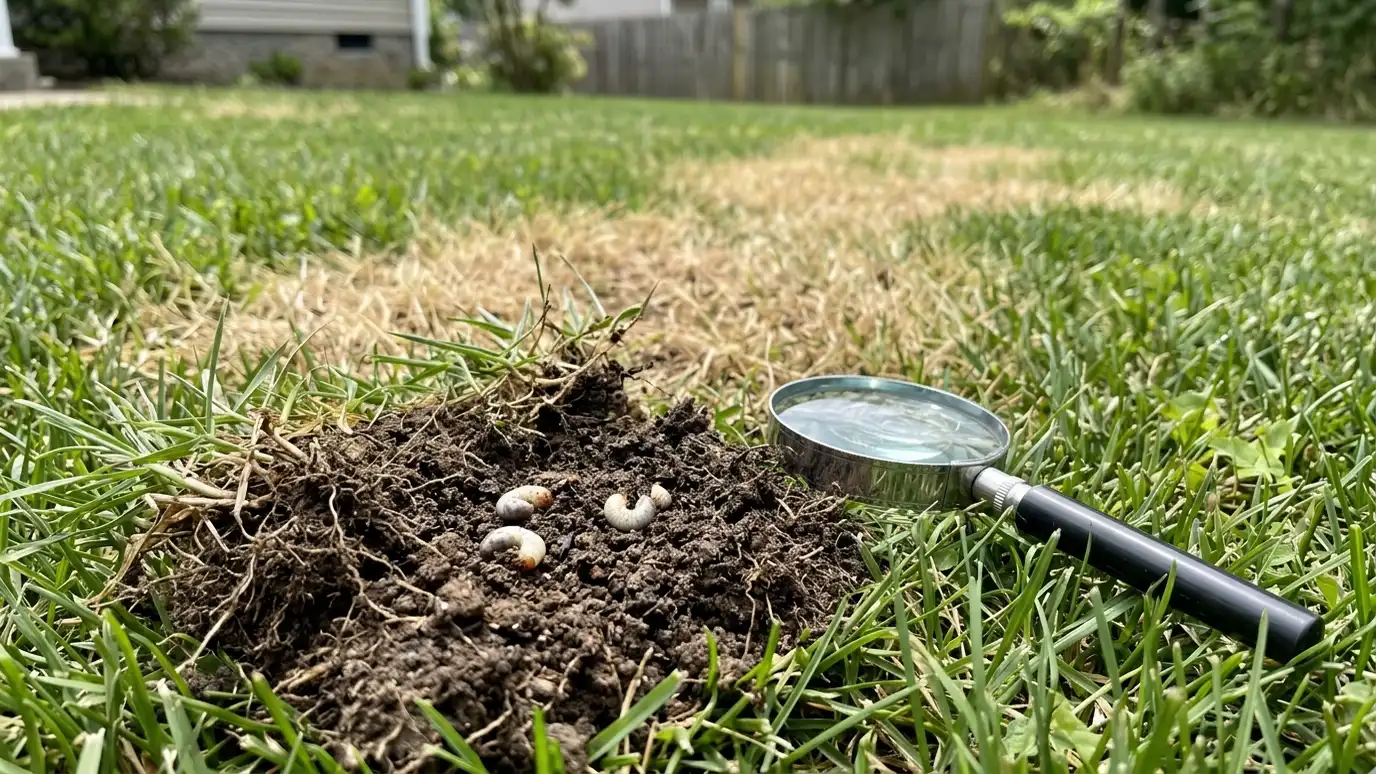 Topic guideDiseases and Pests GuideBrown patch, dollar spot, grubs, armyworms, chinch bugs and fire ants: signs, timing and what to do about…Learn more
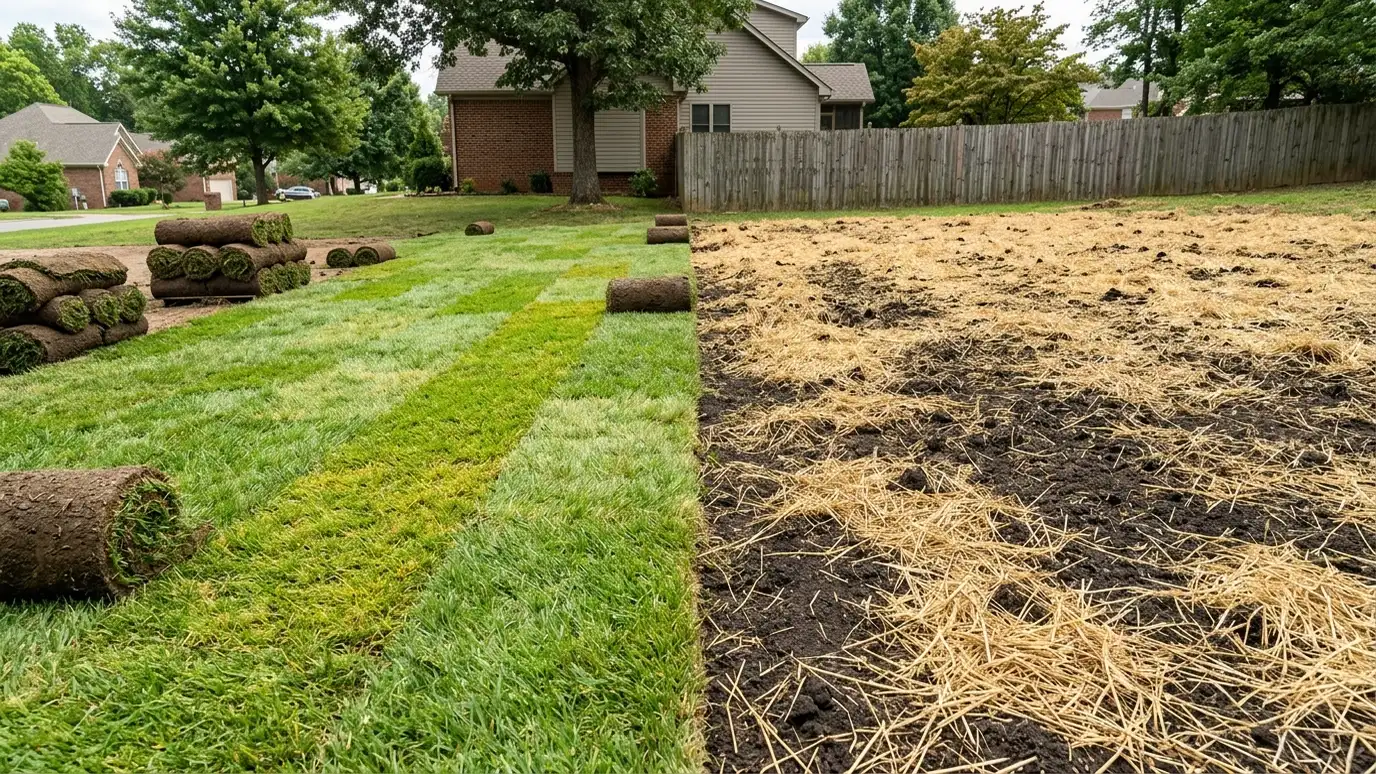 Topic guideSeeding vs Sod ComparedSeed, sod and hydroseed compared on cost, speed, grass choices, timing and the care each needs to succeed.Learn more
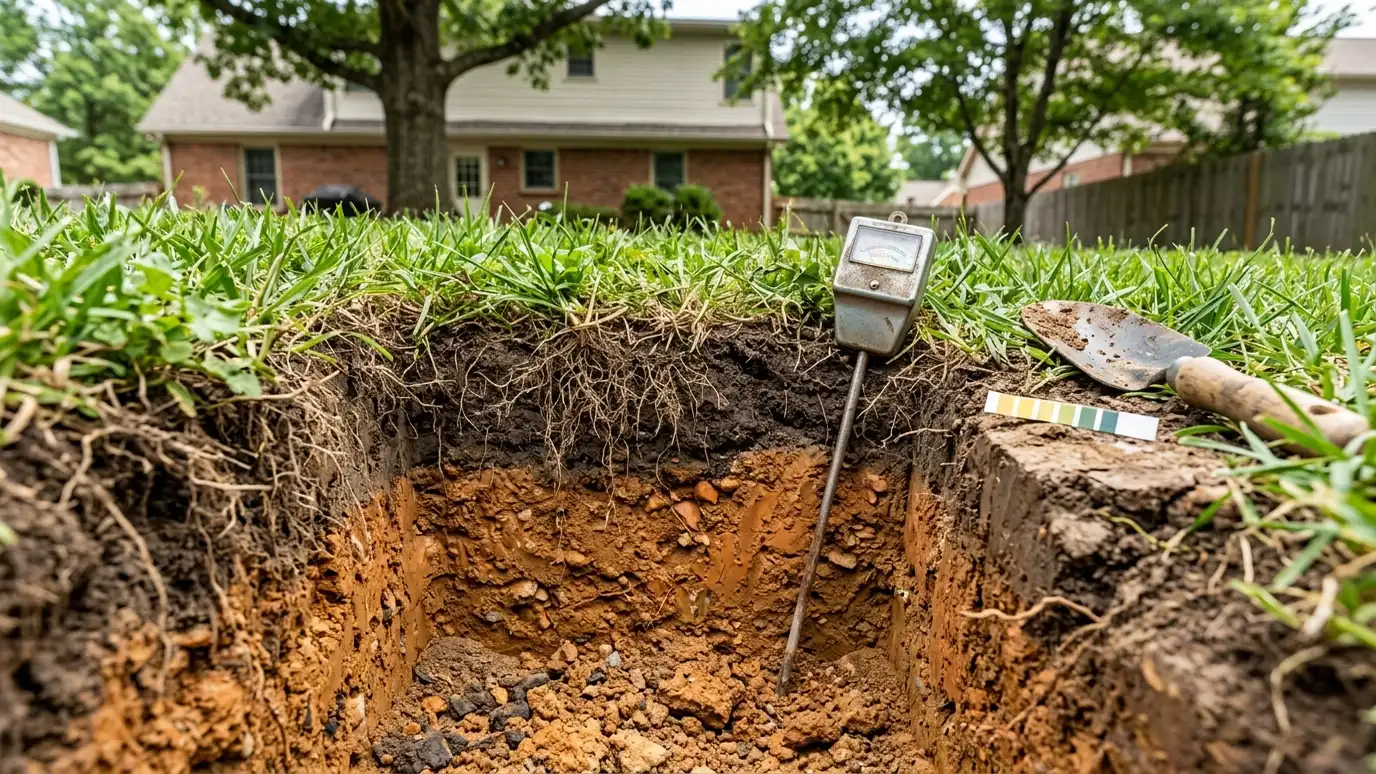 Topic guideSoil and pH GuideClay, compaction, organic matter and pH explained, with simple ways to test and improve the soil under your…Learn more
Tick what you see in your lawn and get a priority list and a plain recommendation: care, treat, renew or renovate.
You tell us about your lawn and what you want to change, from weeds to a full program, and we set a visit that fits your day.
We walk the lawn, identify the grass, check the soil, weeds, pests and drainage and talk through your goals.
We build a calendar of treatments for your grass type and give you an itemized written estimate with options.
Visits are scheduled by season and weather, and any gates, pets or irrigation are noted.
Crews apply products and perform services with calibrated equipment and leave notes after each visit.
Each season we review the results with you and adjust the plan for the next one.
Moles make raised ridges and mounds. Voles make shallow runways in the grass.
It can reduce their food, which may help, but it does not always remove them.
Yes. Firming tunnels and overseeding repair most damage.
It can be, when done correctly, which is why we use it where appropriate.
Often in spring and fall, especially after rain.
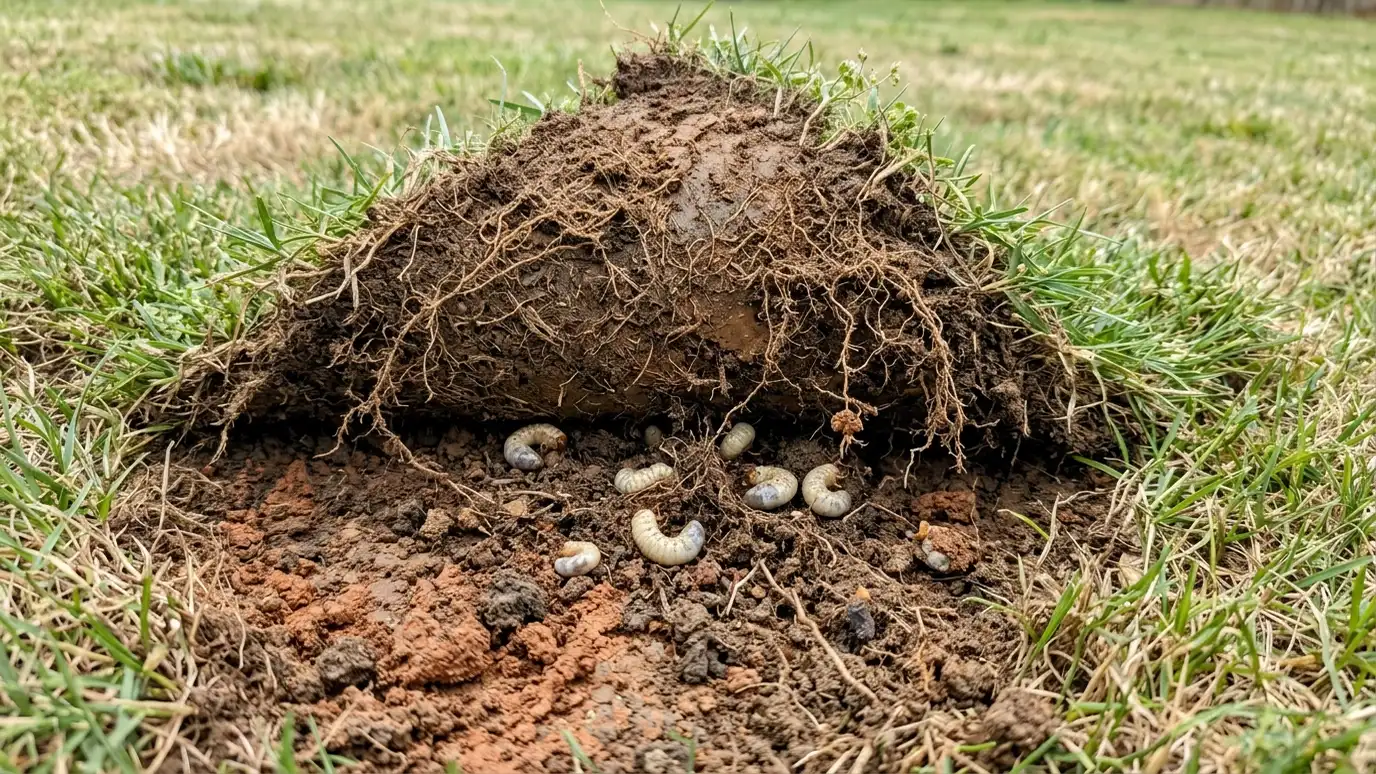 Grub ControlPreventive and curative grub treatment to protect your turf from white grubs that feed on roots and ruin…Explore
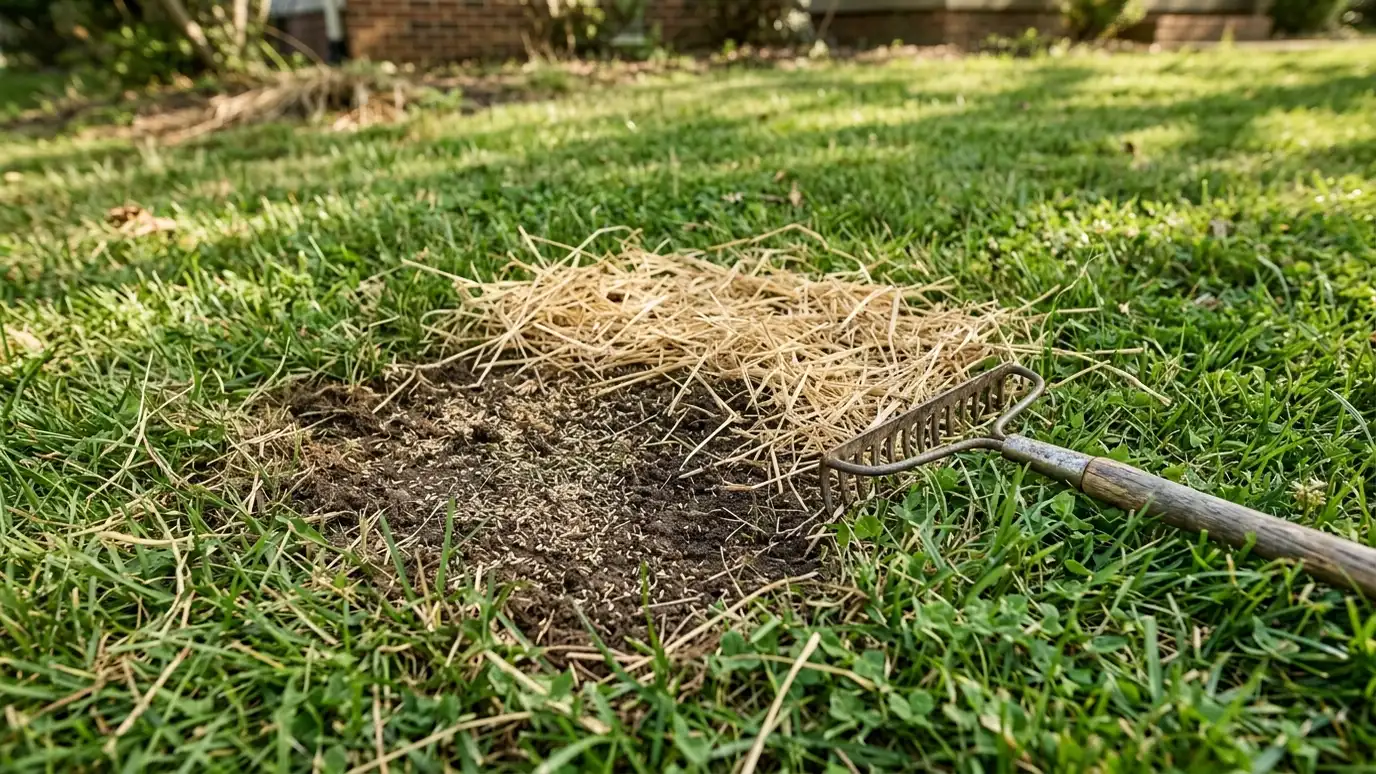 Bare Spot and Patch RepairTargeted repair of dead, thin or bare patches with new seed, sod or plugs, so small problems do…Explore
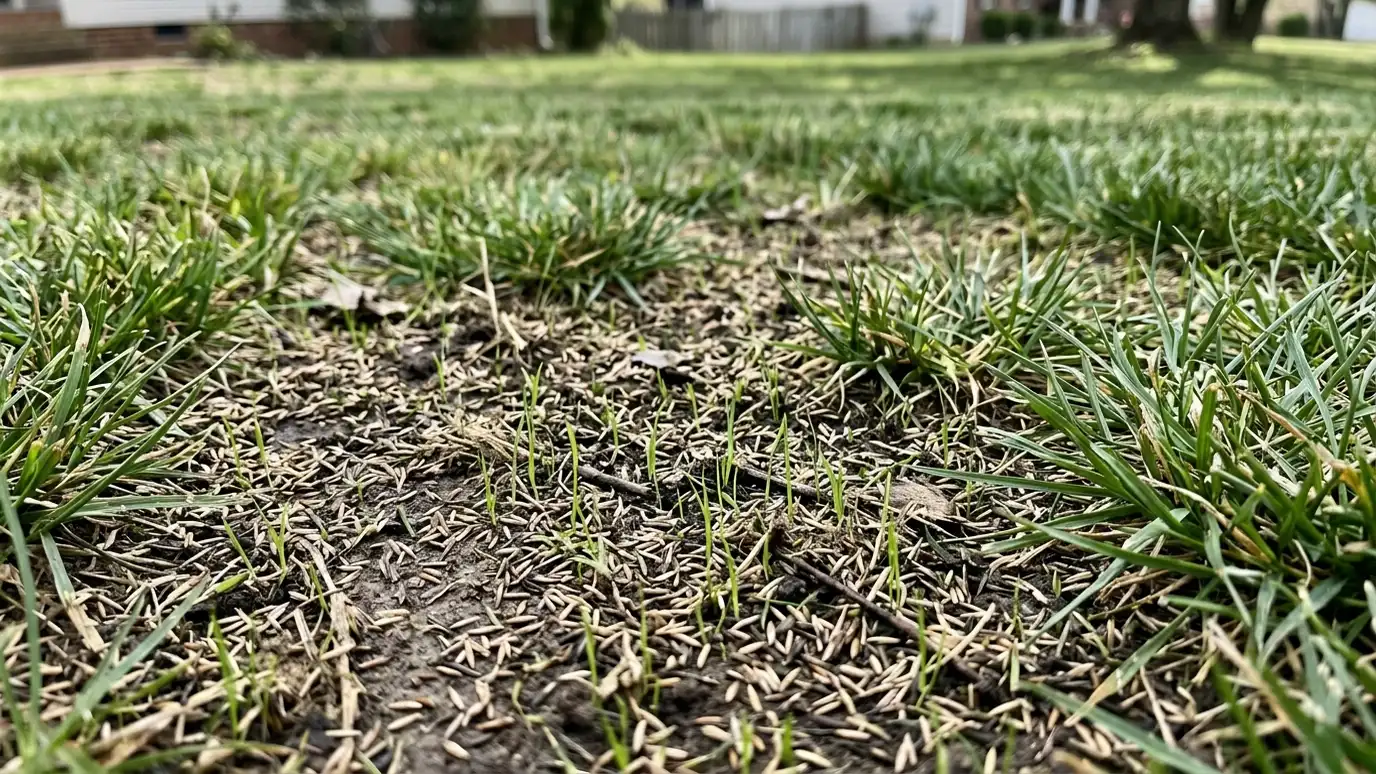 OverseedingNew seed spread across your existing lawn to thicken thin areas, repair summer damage and renew aging turf.Explore
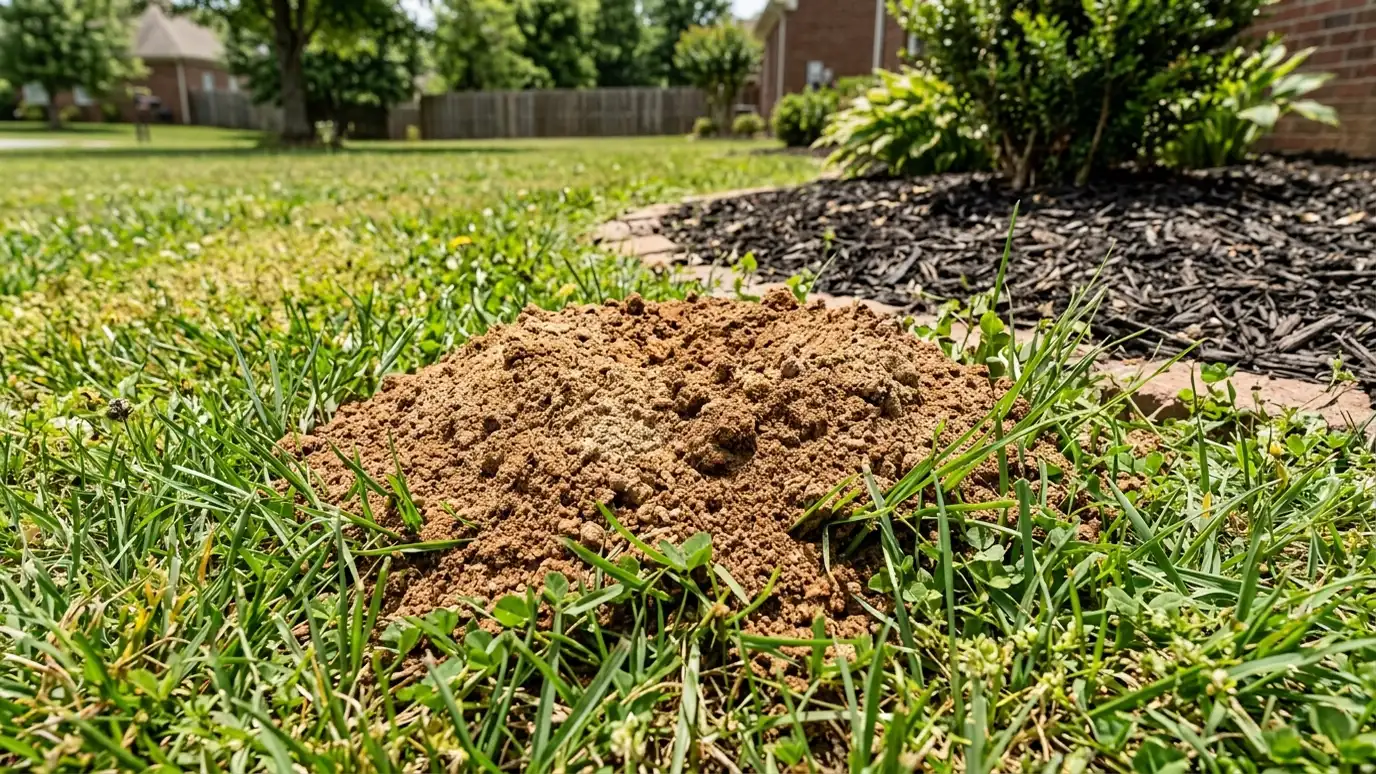 Fire Ant ControlMound treatment and broadcast baiting to reduce fire ants in lawns, play areas and beds, with a plan…Explore
Tell us about your lawn and we will call you back to set up a visit.
Or call (615) 357-7797 to talk now.