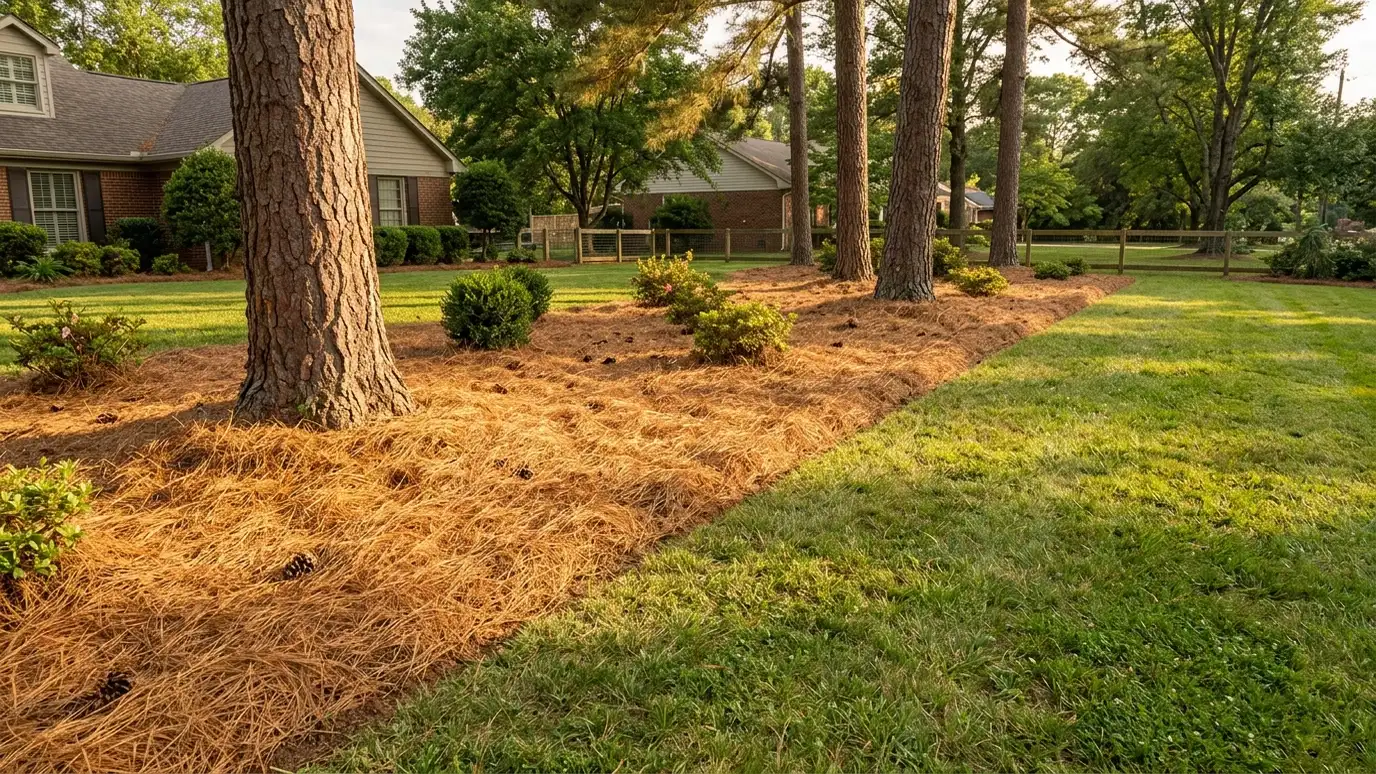
Fresh pine straw laid evenly in beds and around trees for a natural, long-lasting, easy-to-refresh mulch.
Pine straw has been a favorite landscape cover in the South for generations, and it is easy to see why. It is light and natural, stays in place on slopes, lets water through and gives beds a warm golden color that suits many homes. It also breaks down slowly, so one installation can last a long time with a simple annual refresh. In Middle Tennessee, pine straw looks especially at home under pines, around azaleas and in wooded or informal landscapes.
We install pine straw in beds, around trees and on slopes, with a layer about three to four inches deep when freshly laid, since it settles with time. We clear weeds and debris first, edge beds cleanly and bring in fresh bales, spreading evenly and tidying up as we go. We also help you decide whether pine straw or another mulch is better for a specific bed, because very windy or formal areas may suit something heavier. A simple yearly top-up keeps the look fresh and the weed suppression strong.
Pine straw lets water through and sits lightly on beds, which suits azaleas, hollies and many other plants.
The interlocking needles stay in place on slopes where other mulches wash away.
It lasts well with a simple annual top-up, which saves effort and money over time.
Windy or formal beds may be better served by a heavier mulch. We advise honestly.
Drag the handle to compare.
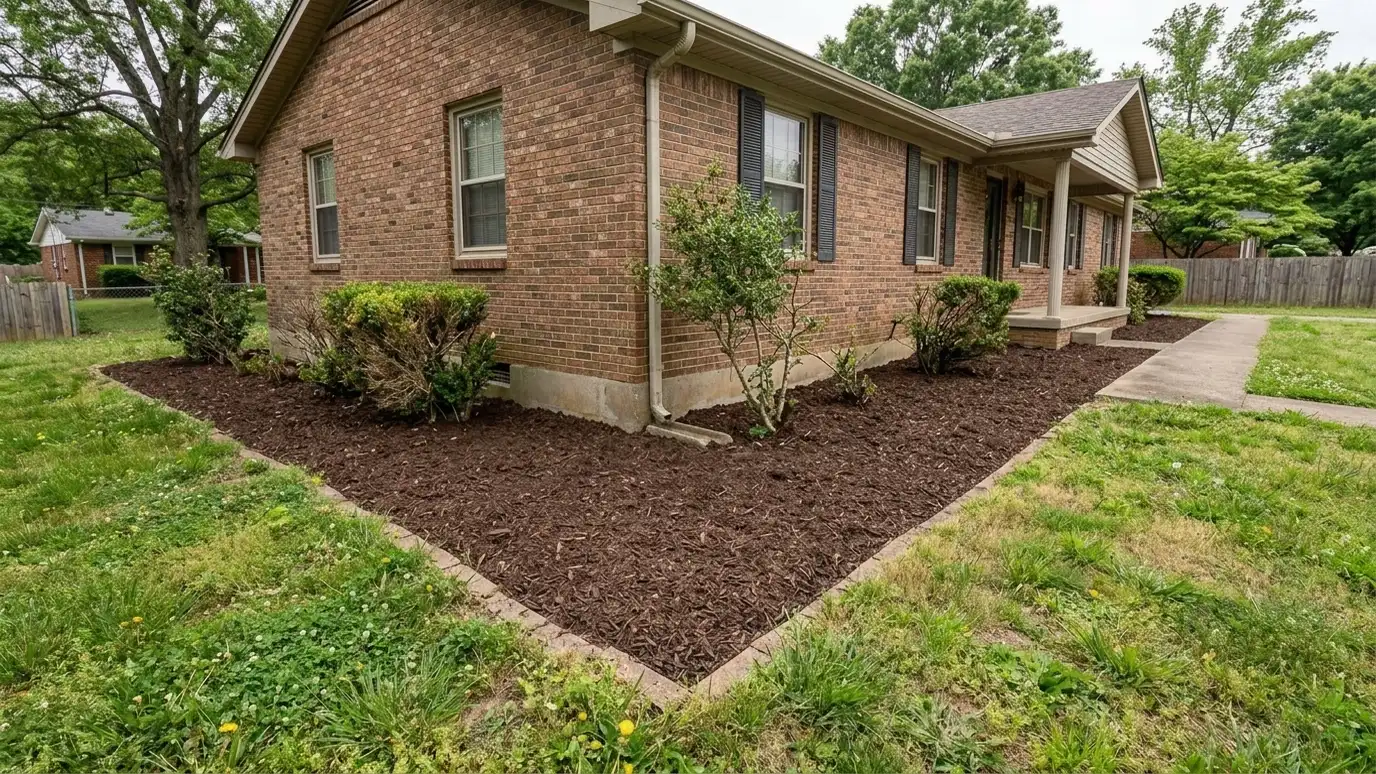
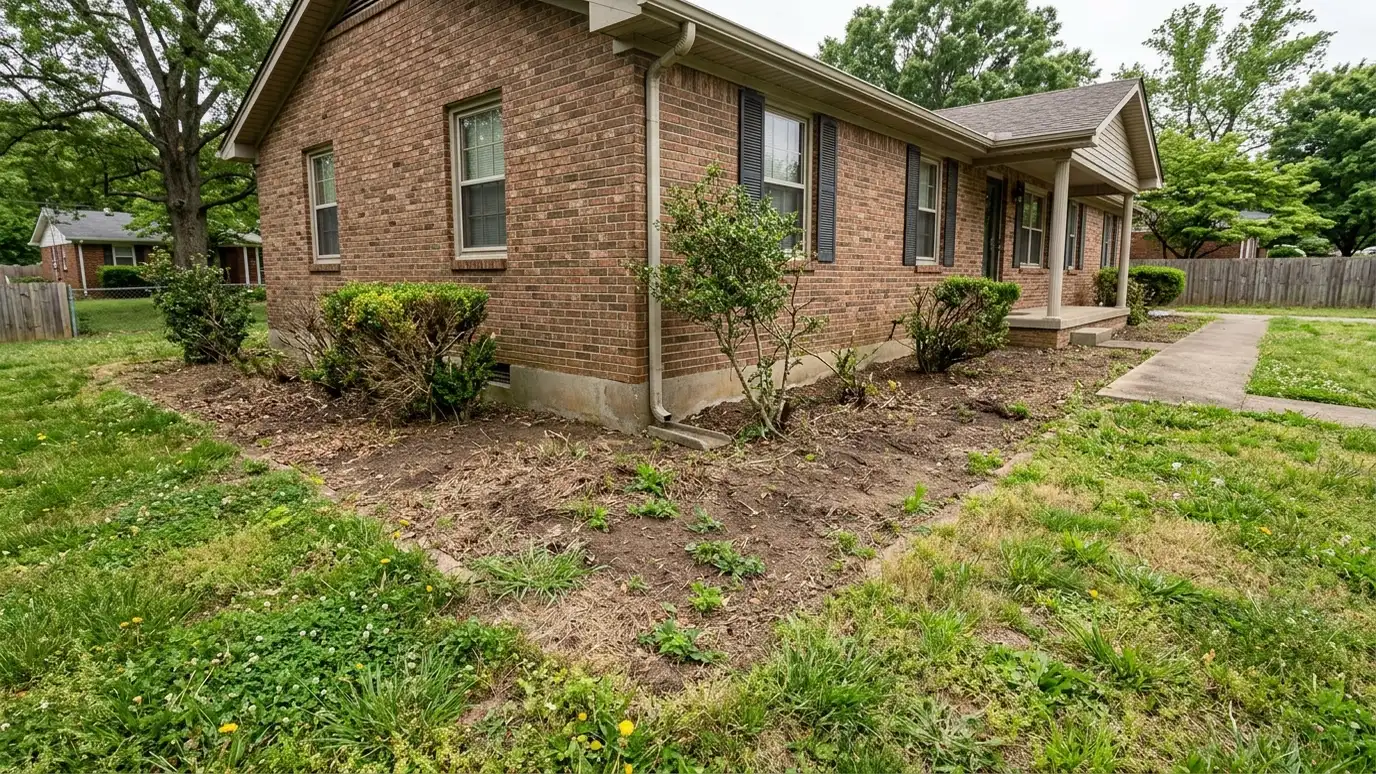 BeforeAfter
Warm golden color.
Healthy roots.
Interlocking needles.
Annual top-up.
Natural cover.
Right mulch, right bed.
Every topic has its own page with what to expect and how we approach it.
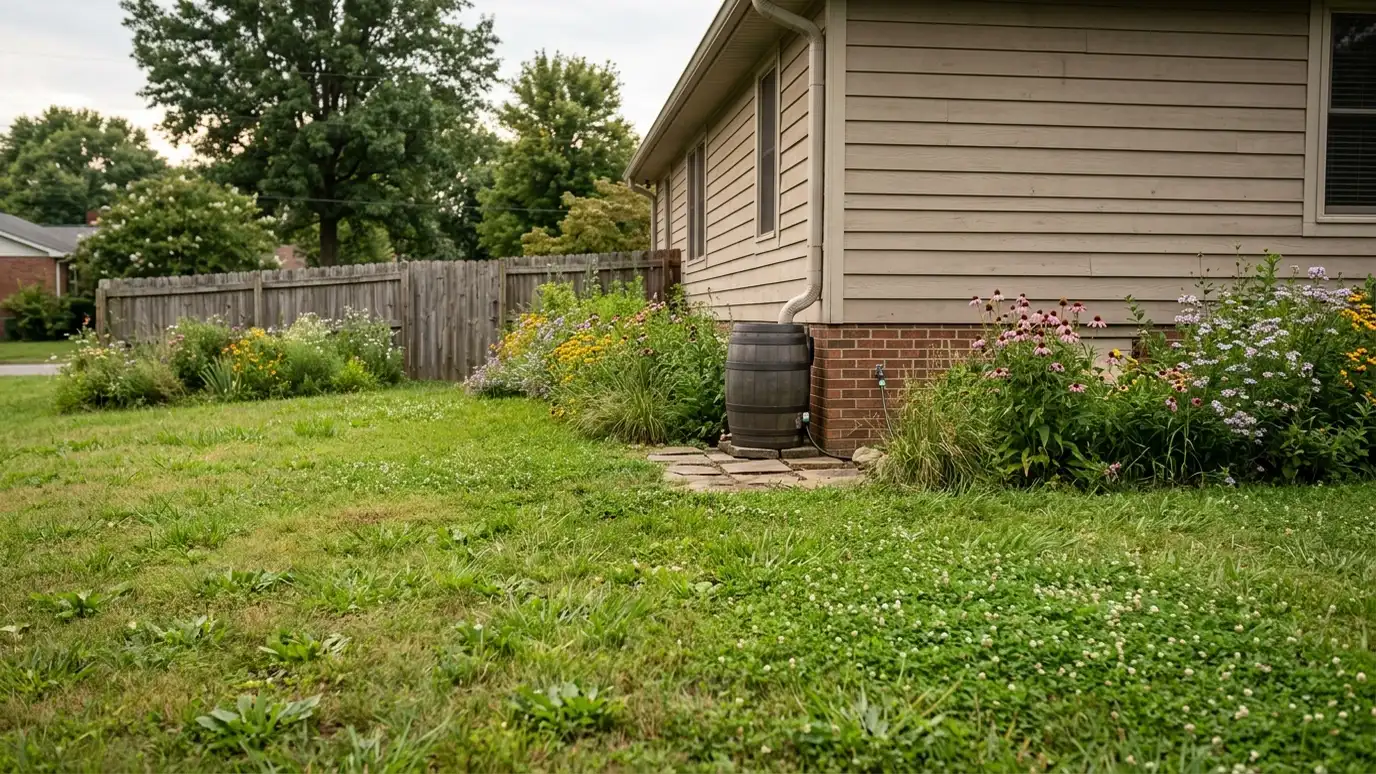 Lawn typeEco-Friendly LawnsA greener approach: compost, clover, native borders and smarter water use, without giving up a good-looking yard.Learn more
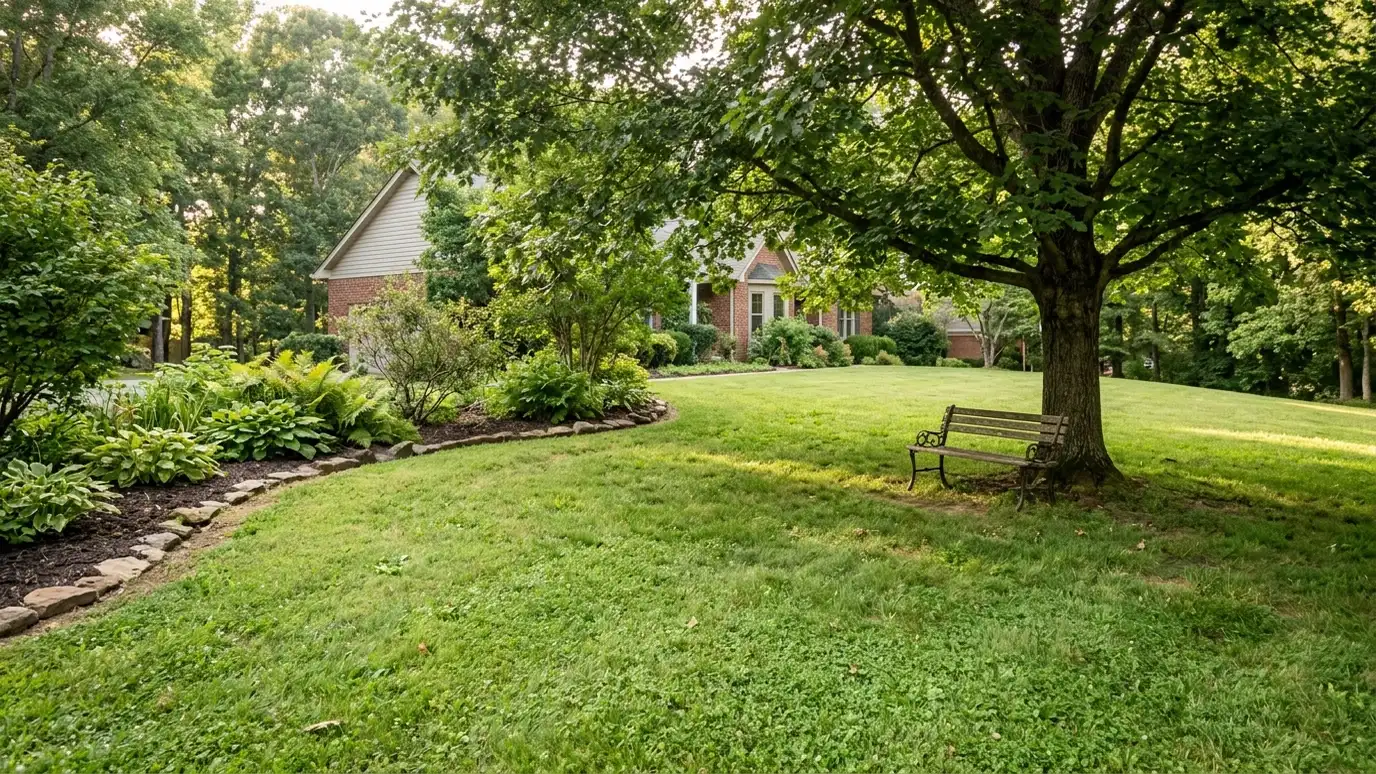 Lawn typeLow-Maintenance LawnsA tidy, healthy lawn that asks for less: fewer inputs, simple routines and realistic expectations.Learn more
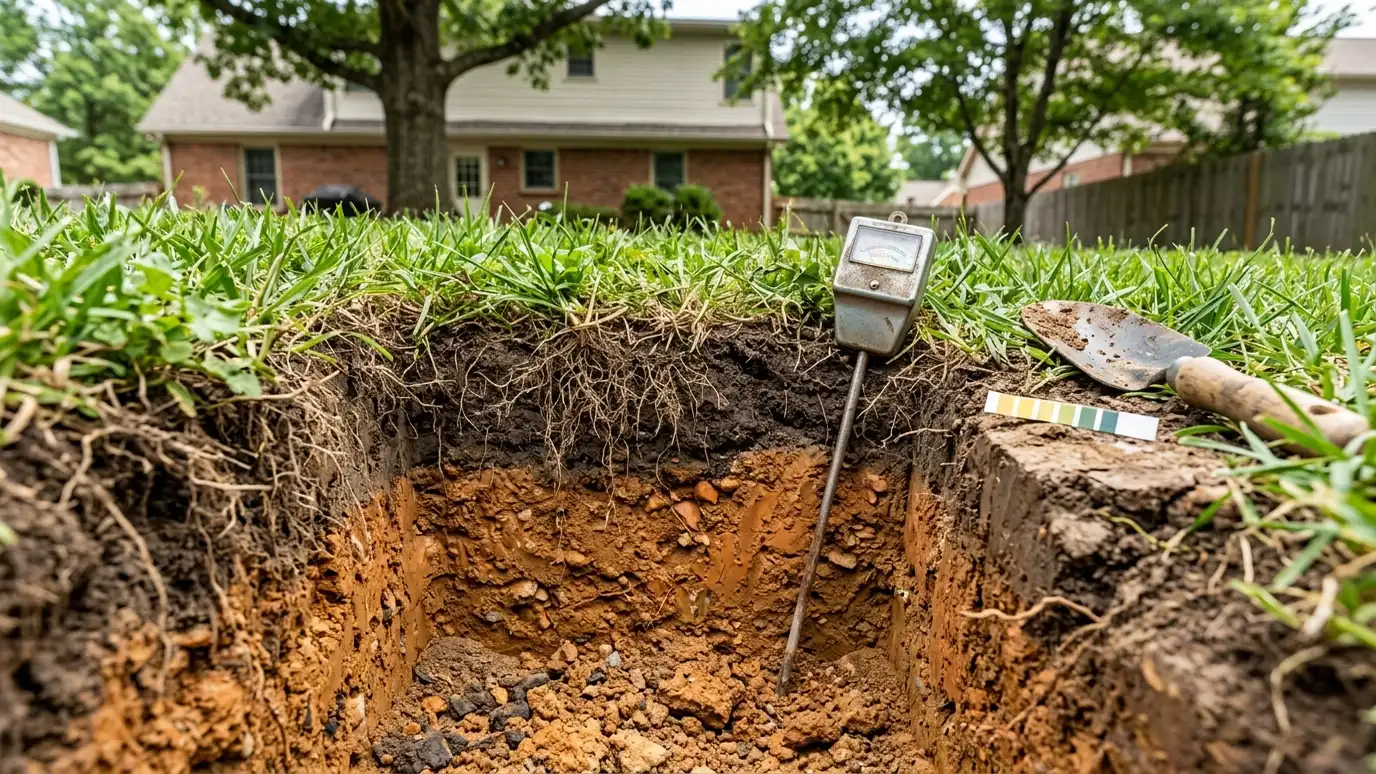 Topic guideSoil and pH GuideClay, compaction, organic matter and pH explained, with simple ways to test and improve the soil under your…Learn more
Enter the lengths and widths of your lawn sections to see square feet, fertilizer bags, seed, sod and a planning range.
You tell us about your lawn and what you want to change, from weeds to a full program, and we set a visit that fits your day.
We walk the lawn, identify the grass, check the soil, weeds, pests and drainage and talk through your goals.
We build a calendar of treatments for your grass type and give you an itemized written estimate with options.
Visits are scheduled by season and weather, and any gates, pets or irrigation are noted.
Crews apply products and perform services with calibrated equipment and leave notes after each visit.
Each season we review the results with you and adjust the plan for the next one.
Typically a year or more, with a top-up as it settles and fades.
Yes. It interlocks and stays in place better than many mulches.
The effect is small. It is generally fine for most plants.
Dry straw burns, so keep it away from the house foundation and grills.
About three to four inches when fresh, since it settles.
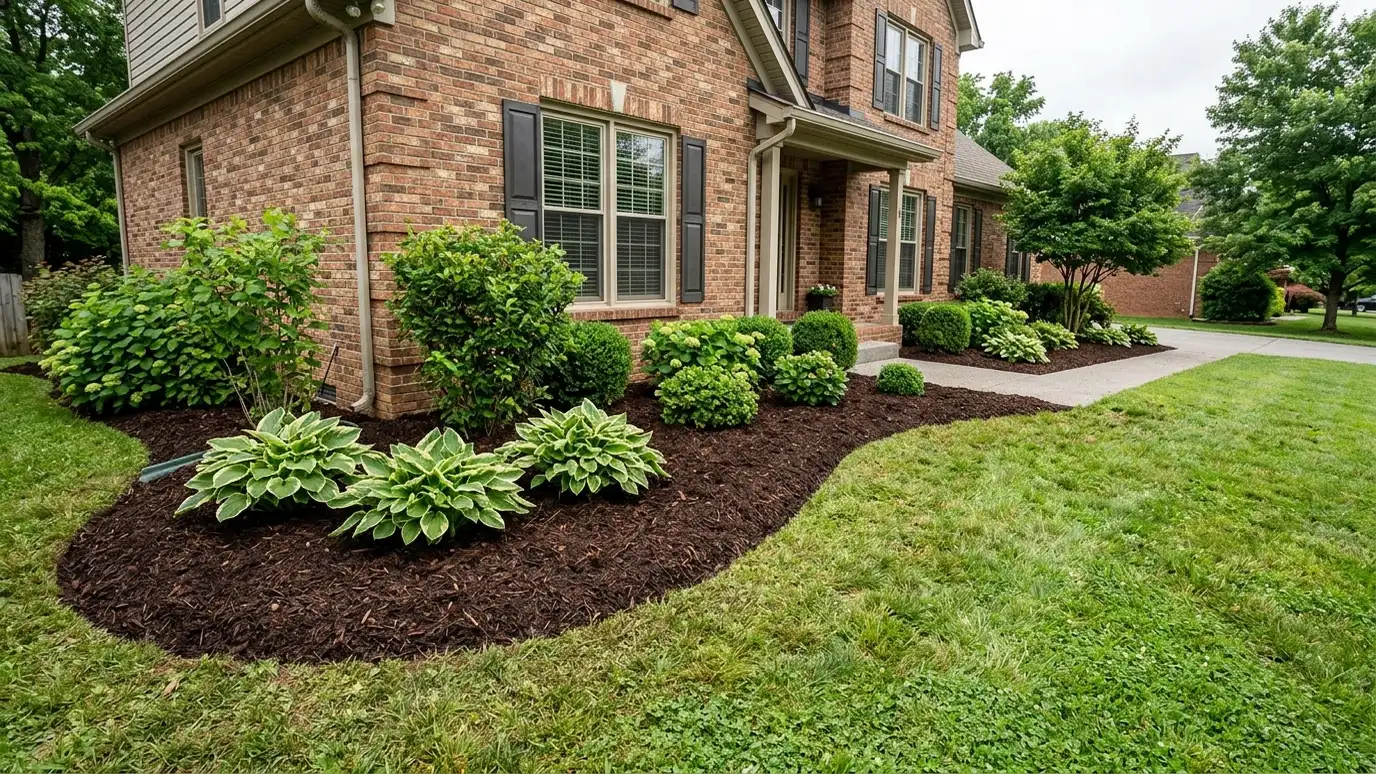 Mulching and Bed MaintenanceFresh mulch, crisp bed edges and regular weeding that keep landscape beds healthy and looking sharp all season.Explore
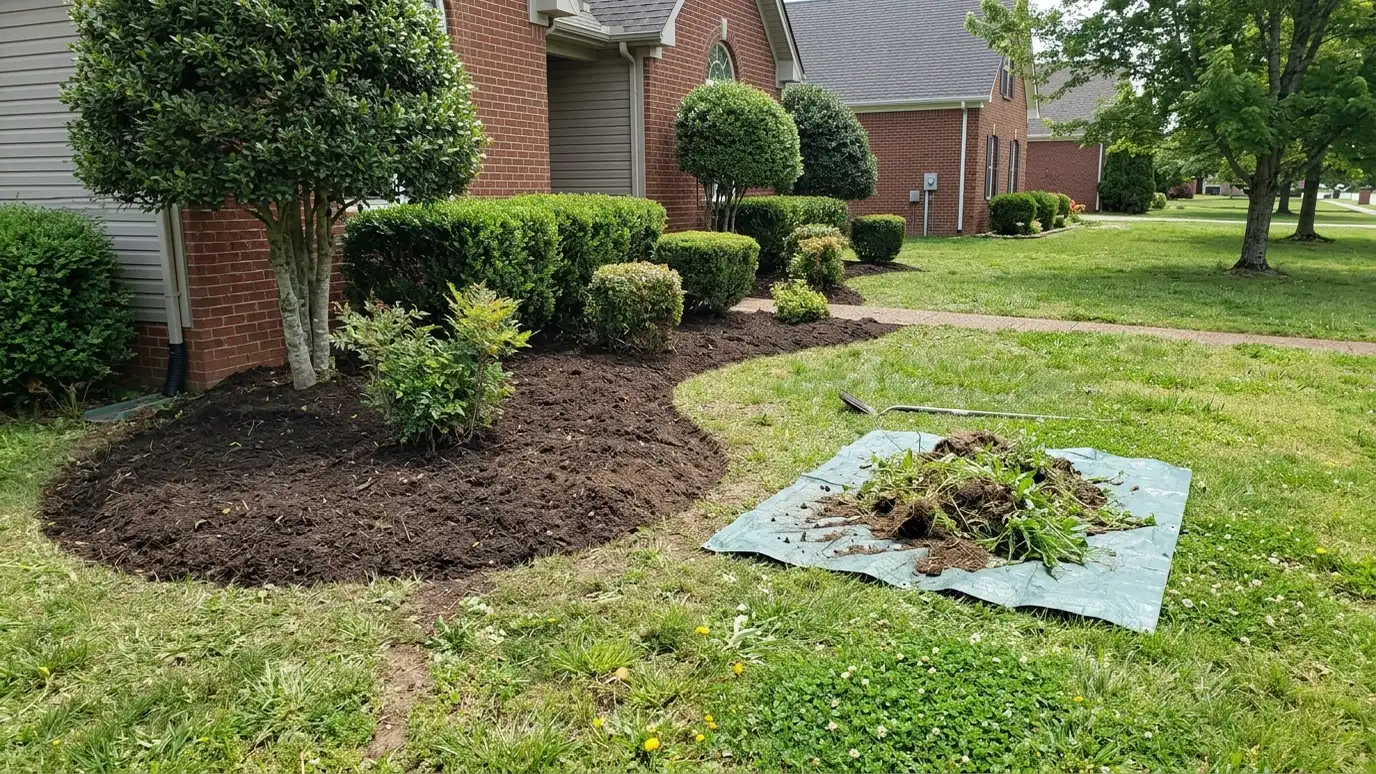 Bed Weed ControlHand weeding, pre-emergent barriers and spot treatment that keep landscape beds clean through the growing season.Explore
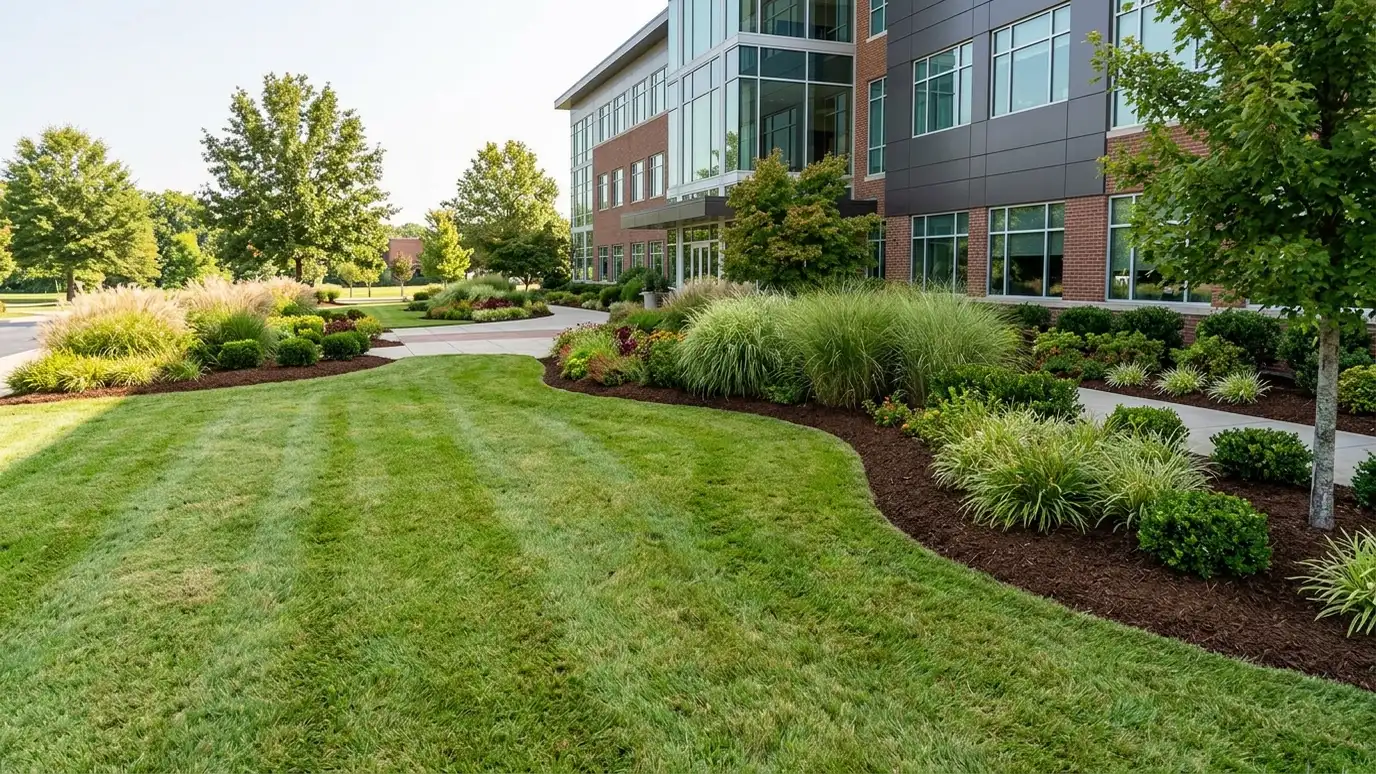 Commercial Bed and Grounds MaintenanceMulch, pruning, weeding, seasonal color and debris control for commercial landscapes, on a schedule that keeps entrances sharp.Explore
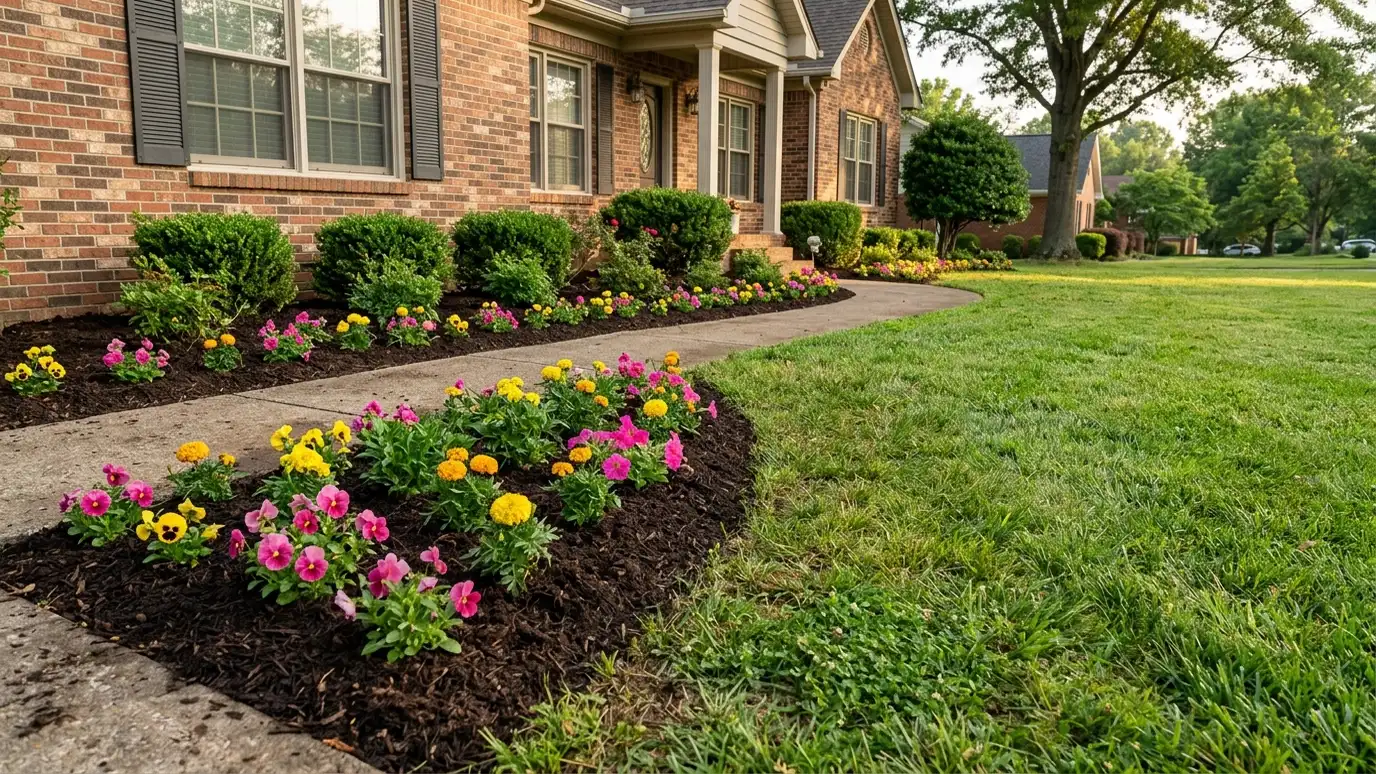 Seasonal Color PlantingFresh annuals, perennials and containers planted each season for color at your entry, beds and patio.Explore
Tell us about your lawn and we will call you back to set up a visit.
Or call (615) 357-7797 to talk now.