Height matters most
Taller grass shades soil, holds moisture, builds deeper roots and blocks weeds. Tall fescue and bluegrass do best at three to four inches. Bermuda and zoysia prefer one to two inches.
Cutting too short is the most common mowing mistake.
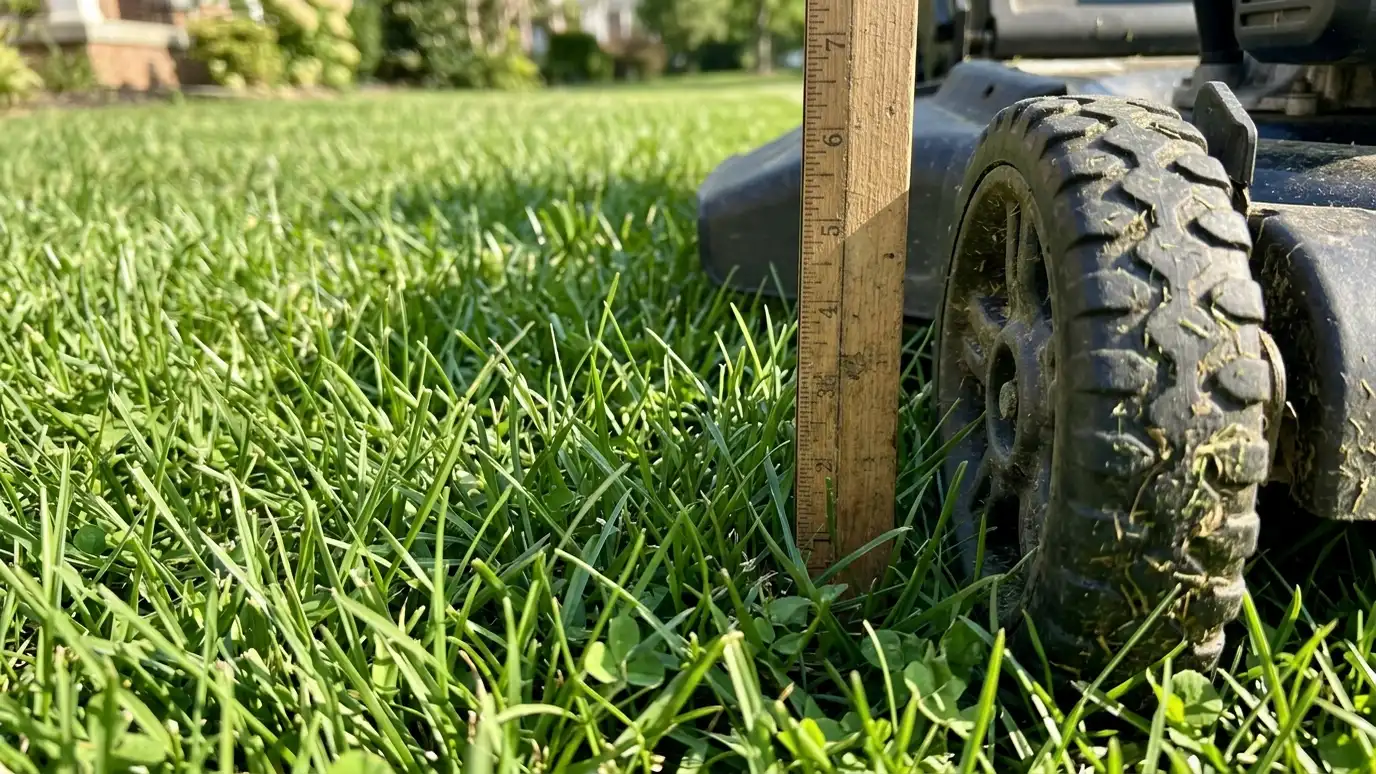
Measure the grass height with a ruler before you set the deck. Many mowers are labeled by number, and the real height can differ from what you expect.
The one-third rule
Never remove more than a third of the blade at a time. If the grass is tall, cut it in stages. Removing too much shocks the plant and can leave brown stubble.
This rule sets how often you need to mow.
Plan your mowing around the weather. If rain delays you, cut in stages instead of taking a huge amount at once.
How often to mow
In peak growth, weekly mowing is normal and sometimes more is needed. In slow seasons, every other week may be enough. Let the grass height, not the calendar, decide.
Skipped weeks mean larger cuts, which are harder on the lawn.
Mark your mowing calendar and stick to a regular day. A consistent rhythm keeps growth steady and makes each cut easier.
Sharp blades
A dull blade tears grass, leaving ragged tips that turn brown and invite disease. Sharpen blades once or twice a season. A clean cut heals faster and the lawn looks better.
Check blade balance when sharpening so the mower does not vibrate.
Take the blade to be sharpened at the start of the season, and keep a spare so you can swap quickly. It is a small chore with a visible payoff.
Pattern and technique
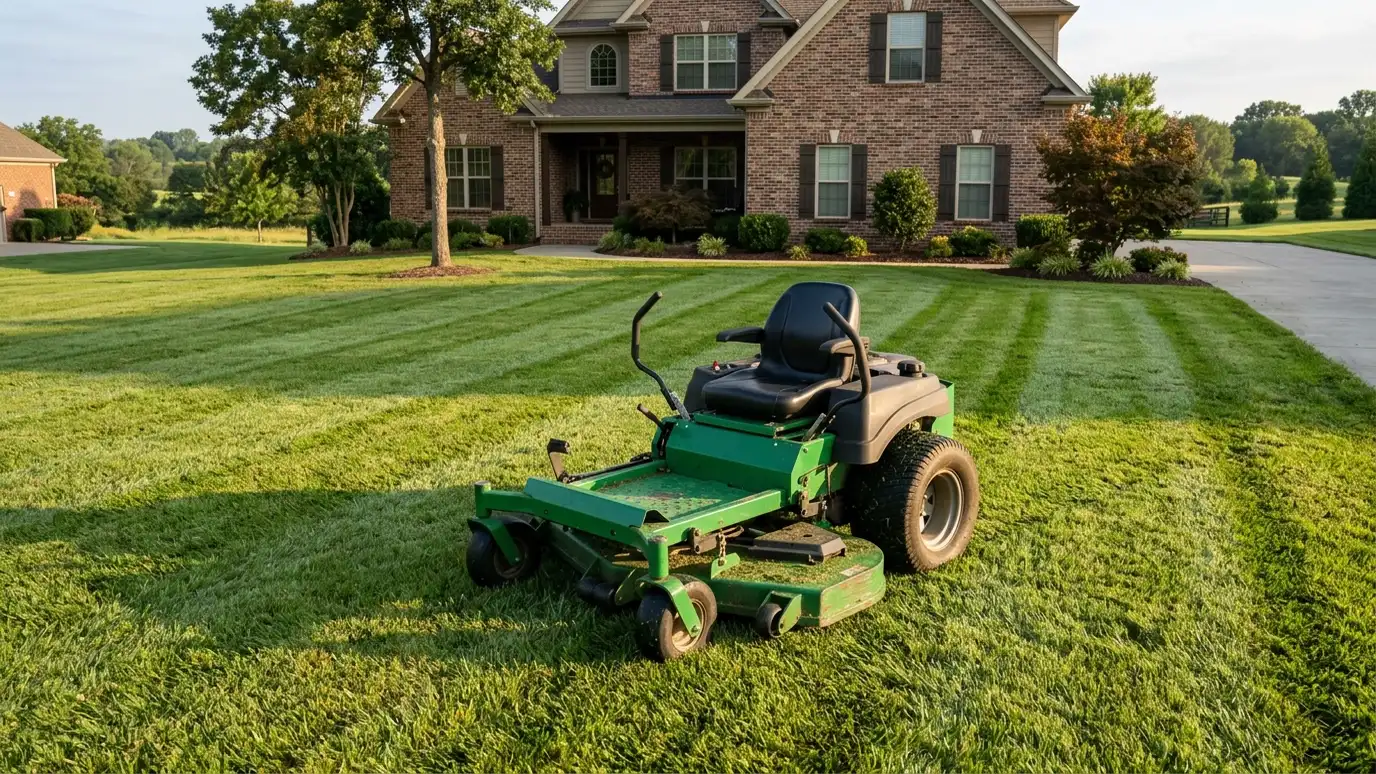
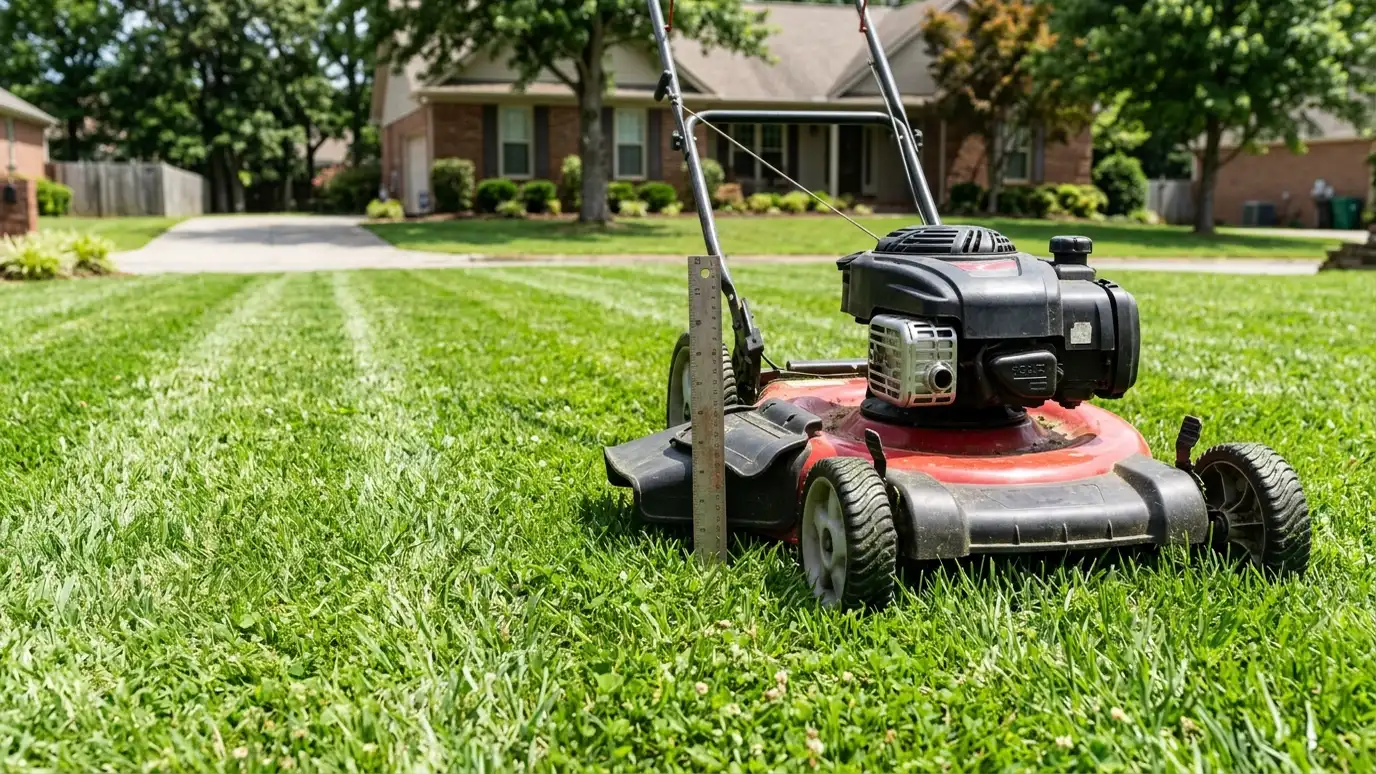
Change the direction of mowing each time to prevent ruts and leaning grass. Mow when the grass is dry, and slow down in thick growth. Overlap passes slightly for an even cut.
Striping is simply a matter of alternating directions with a roller.
Try mowing perpendicular to last time. Over a few weeks the lawn will stand straighter, and you will see a more uniform finish.
Clippings and edges
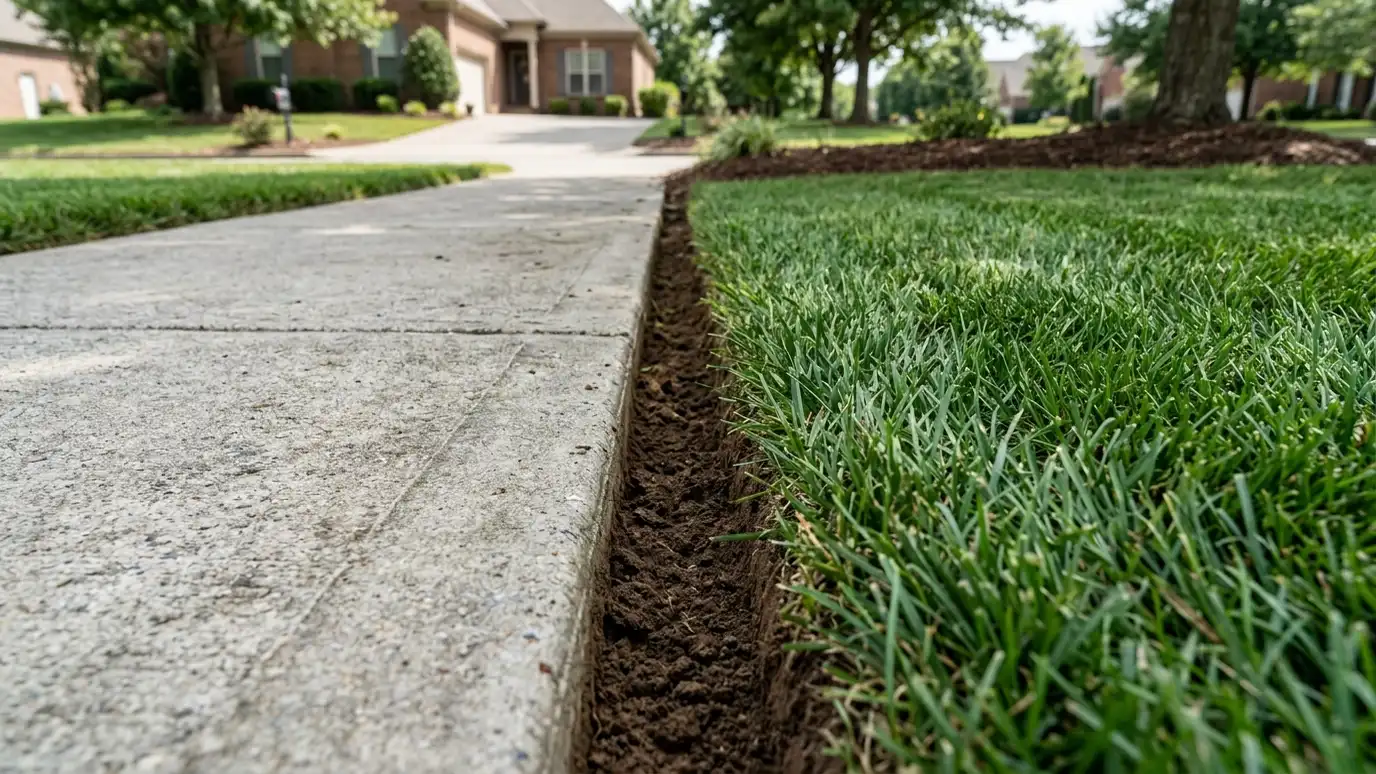
Leave short clippings on the lawn, where they return nutrients. Bag only when growth is heavy or clippings clump. Blow clippings off hard surfaces, and trim and edge for a clean finish.
Edging is the quickest way to make a lawn look professional.
If you collect clippings, use them as mulch in beds or add them to compost. Wet, clumpy clippings should not be left in heavy piles on the lawn.
Common mistakes
Mowing too short, mowing wet grass, using dull blades, scalping slopes and mowing the same pattern each time all damage lawns. Avoid mowing in the heat of the day in hot weather.
Small changes in habit make a visible difference.
Walk the lawn after mowing and look for scalped spots. They tell you where the ground is uneven or the deck was too low.
Mow tall, mow often enough to follow the one-third rule and keep the blade sharp.