Know your weed
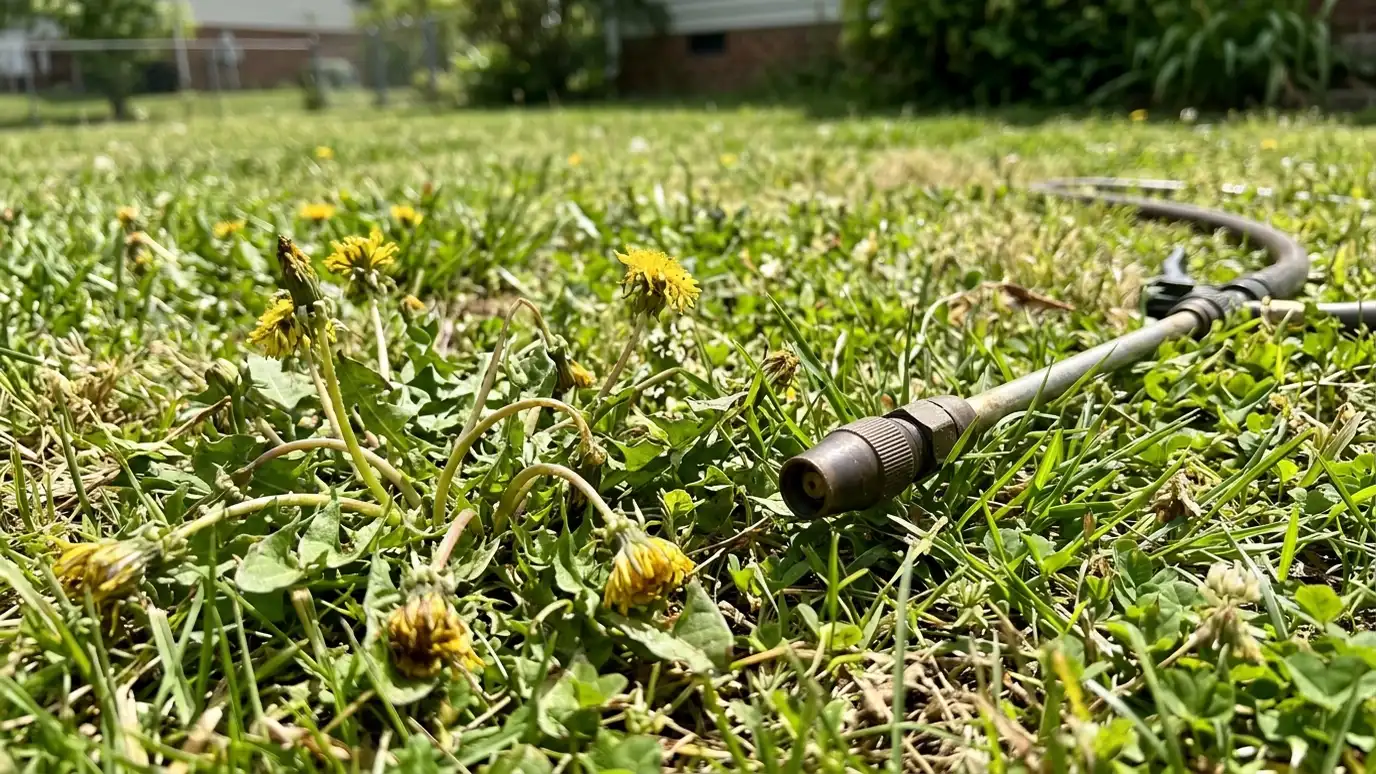
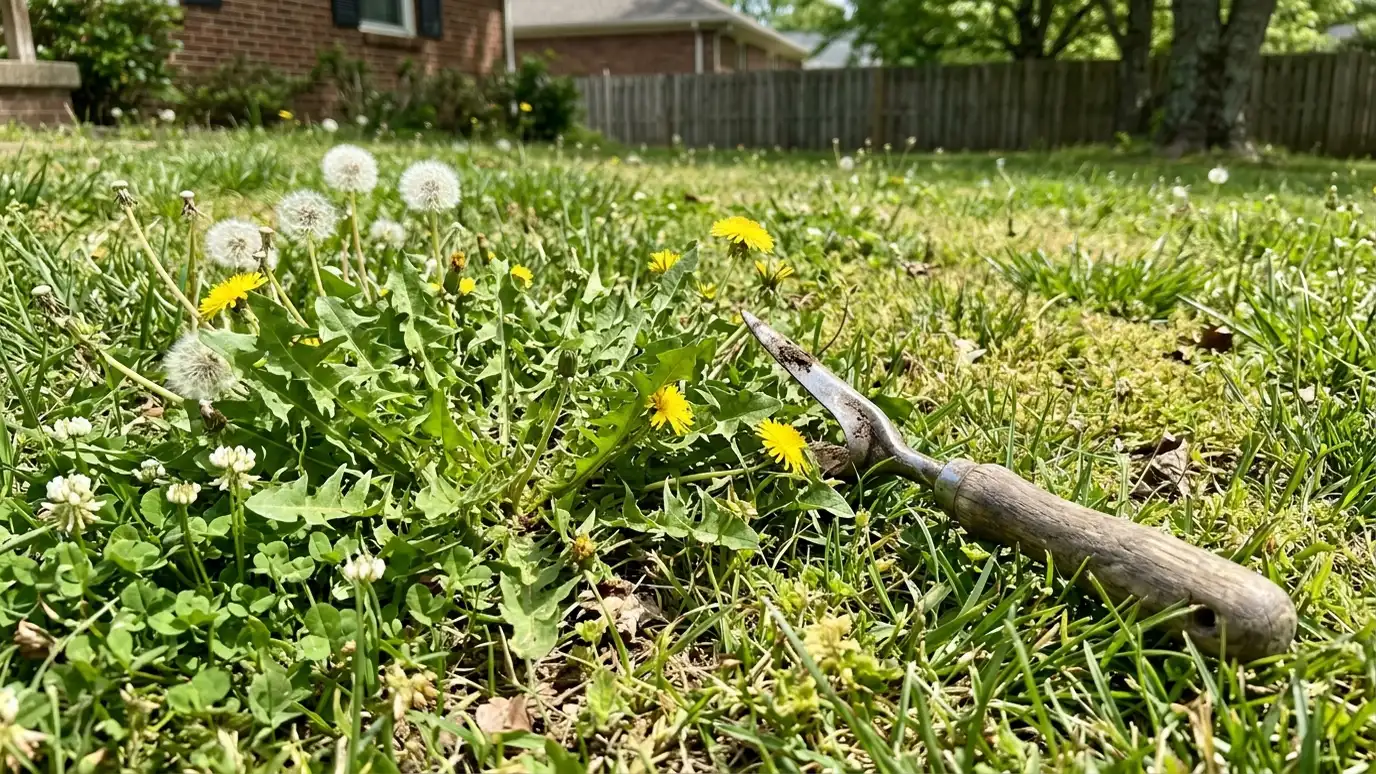
Weeds fall into groups. Grassy weeds such as crabgrass and goosegrass look like turf. Broadleaf weeds such as dandelion, clover and plantain have wide leaves. Sedges such as nutsedge look like grass but have triangular stems.
Each group needs a different product, so identification comes first.
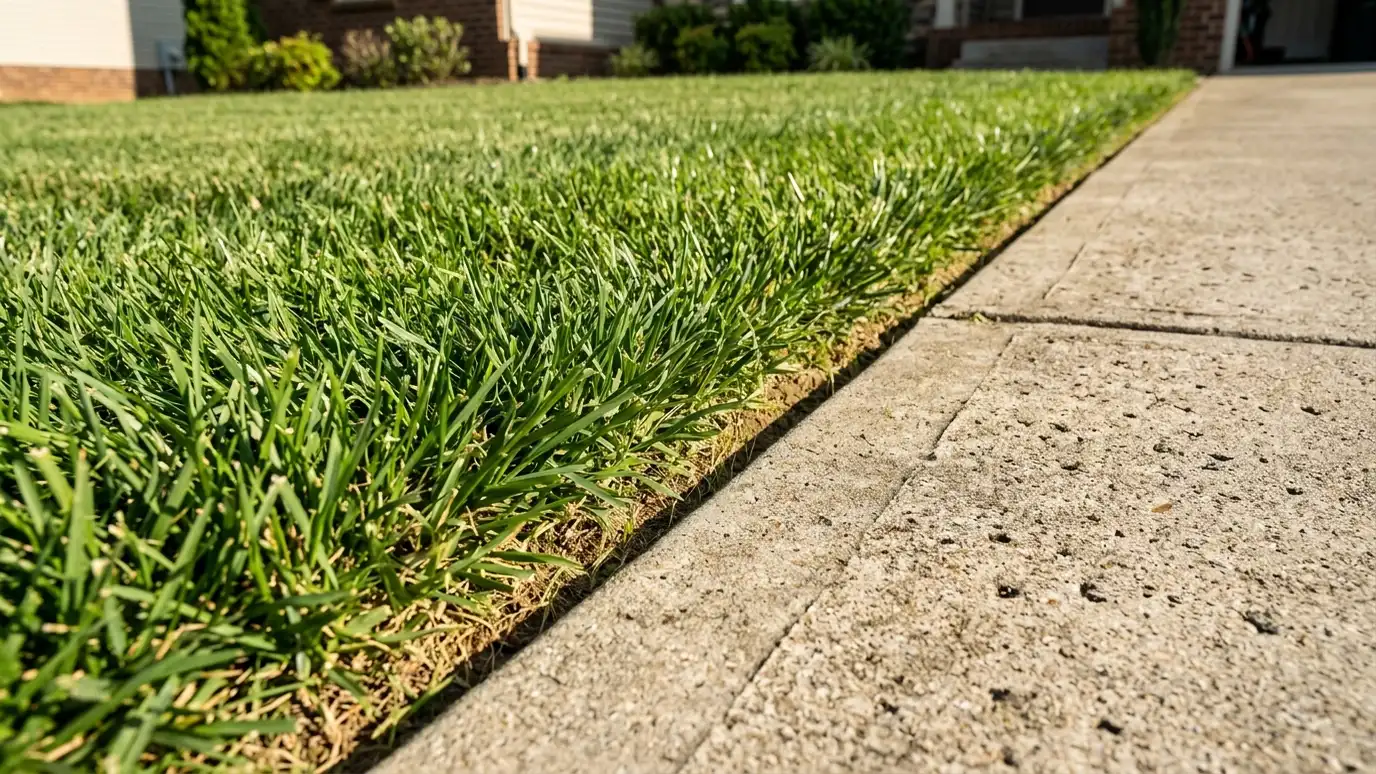
Take close photos of the weeds and note where they appear. Patterns such as weeds along the driveway or in shade often point to the cause.
Prevention first
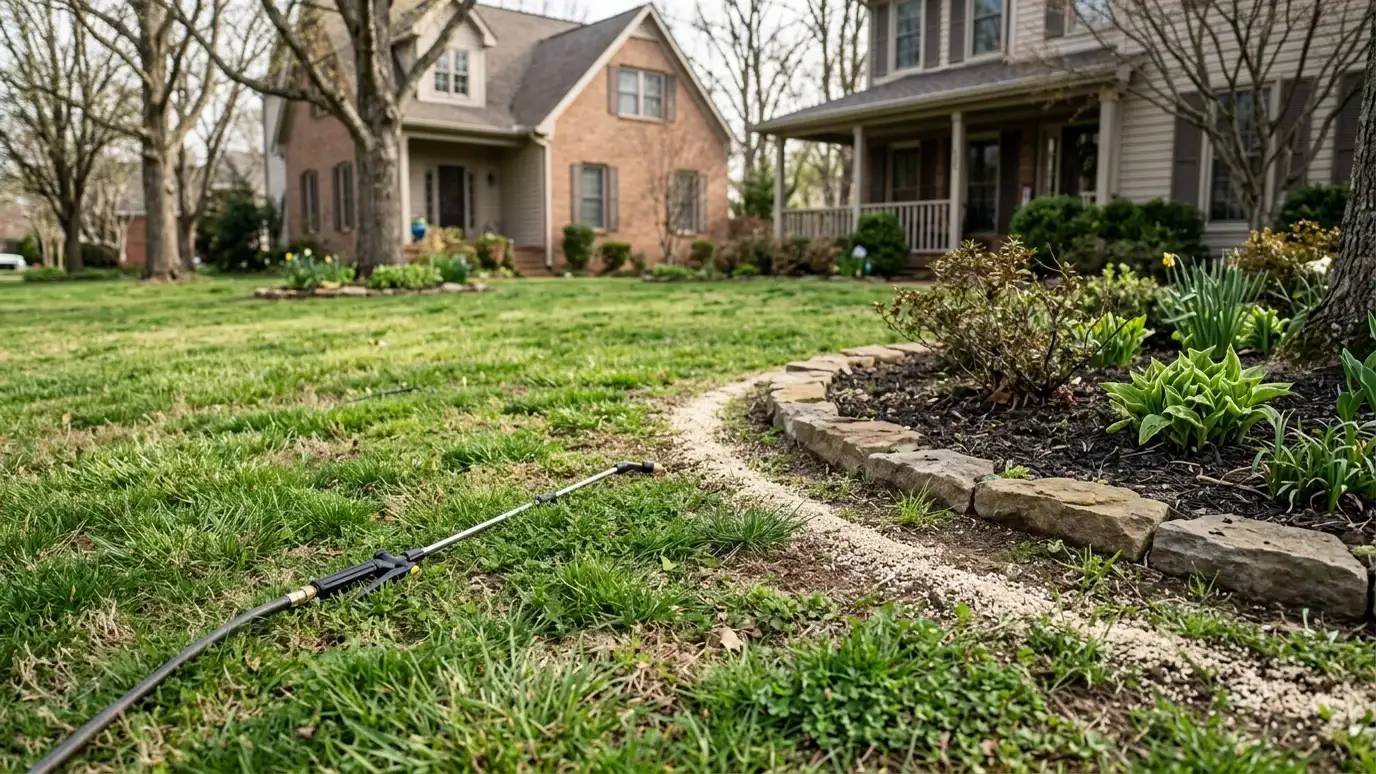
A pre-emergent barrier applied before seeds sprout stops many annual weeds, especially crabgrass. Timing is set by soil temperature, often late winter. A second application extends protection through summer.
Pre-emergent does nothing to weeds that are already growing, so a late application is much less effective.
Mark your calendar for pre-emergent timing each year. Many homeowners find that one reliable reminder prevents the majority of crabgrass problems.
Treating what is growing
Post-emergent products are applied to actively growing weeds. Selective products clear broadleaf weeds without harming grass, while others target grassy weeds or sedges. Weather, temperature and mowing timing all affect results.
Some weeds need repeat visits, especially perennials with deep roots.
Treat weeds when they are small and actively growing. Young plants absorb products far better and are easier to clear than mature ones.
Cool-season weeds
Winter annuals such as chickweed, henbit and annual bluegrass appear in fall and spring. Broadleaf weeds such as dandelion and clover are best treated in fall, when they are drawing nutrients down to the roots.
Fall treatment is often the most effective of the year.
Fall is a quiet hero of weed control. Treating perennials such as clover and dandelion in autumn takes advantage of the way they move nutrients to their roots.
Summer weeds
Crabgrass, goosegrass, nutsedge and spurge love heat and thin turf. Preventing them in spring is easier than treating them in summer, and the right product depends on the species.
Mowing taller and watering deeply make summer weed control easier.
If summer weeds are already established, focus on keeping them from going to seed. Preventing seed this year reduces the problem next year.
Thick turf is the best defense
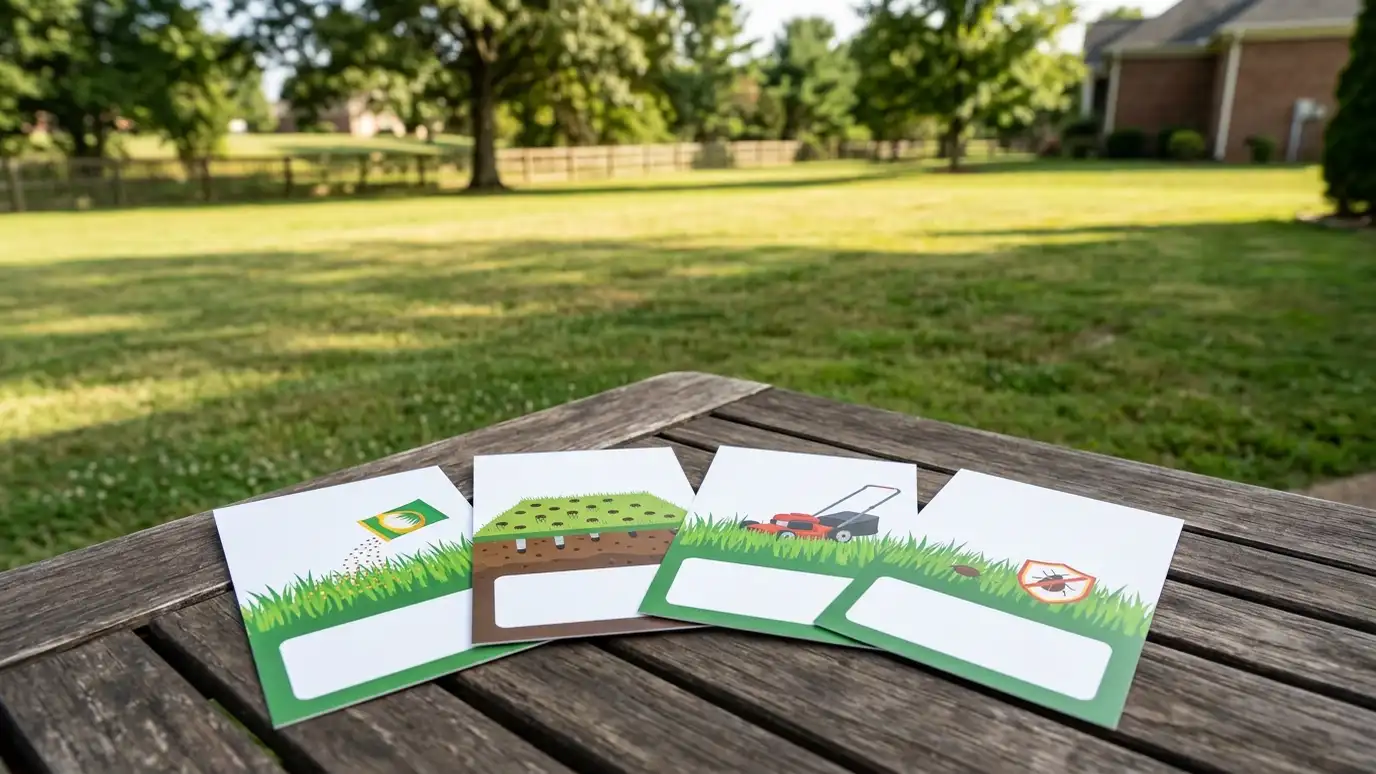
Overseeding, aeration, proper feeding and mowing height build a dense lawn that leaves little room for weeds. Weeds appear where grass is thin, and every bare spot is an invitation.
A lawn program that thickens turf reduces weeds more than any single product.
Overseeding in fall pairs naturally with fall weed control, as long as the product timing allows seed to grow. Plan the order carefully.
Safety and label directions
Always follow label directions for rate, timing, watering and re-entry. Keep children and pets off treated areas until dry or as directed, and keep products out of storm drains and water. Spot treat where possible.
A professional can handle products and timing for you.
Keep a list of products and rates you use, and store them safely. If you hire a company, ask for the same record after each visit.
Identify the weed, prevent what you can, treat what you must and thicken the turf so they have no room.