Treatment and fixes for moss and algae in shady, damp or compacted parts of your lawn, so grass can take back the space.
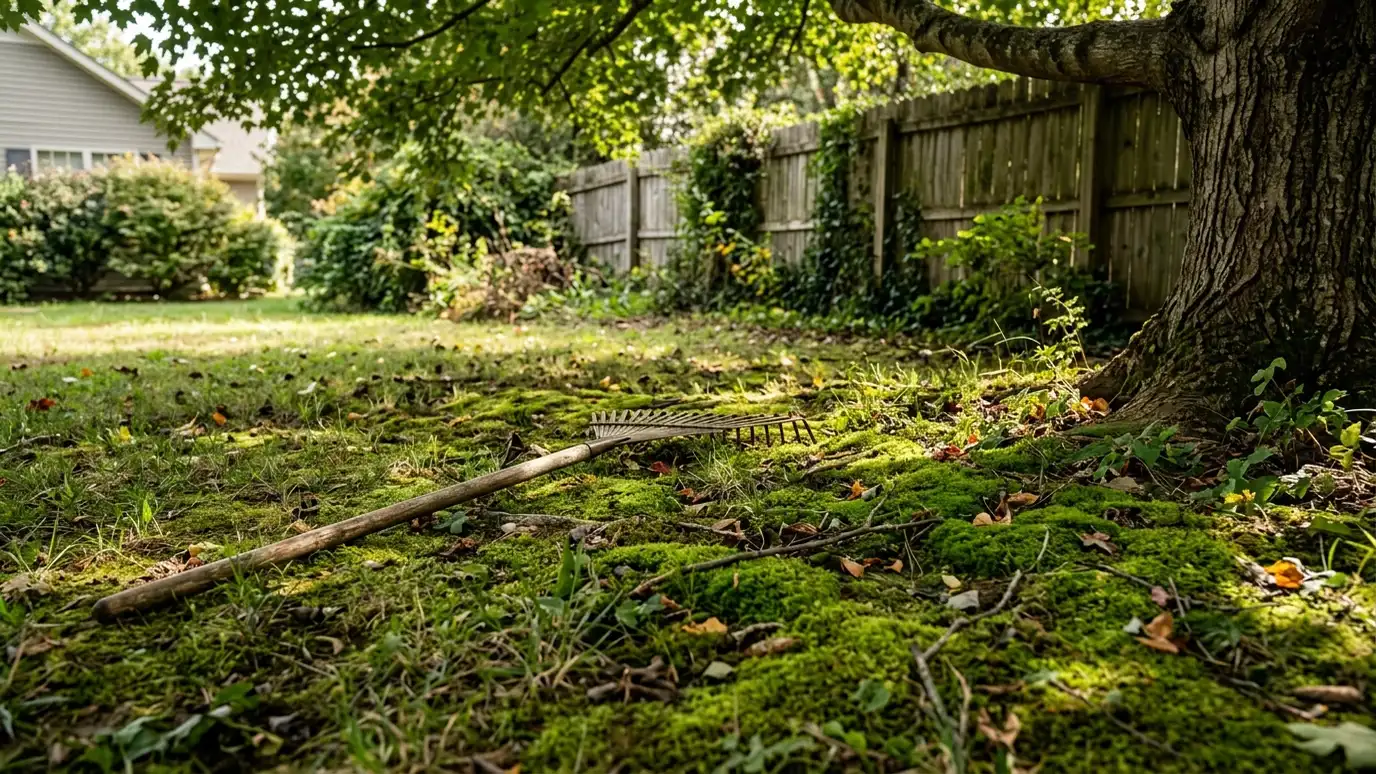
Moss does not choke out grass. It moves in where the grass has already given up. Shade, heavy compaction, poor drainage, acidic soil and low fertility all weaken turf, and moss happily fills the space. Algae shows up as a green or black film on very wet, compacted ground. In Nashville, mature trees give wonderful shade but make grass hard to grow, and moss patches under oaks, maples and along the north side of homes are common. Killing the moss alone is only half the job, because it will return unless the conditions change.
We start by finding out why the moss is there. We test pH, check compaction and drainage and look at how much light the area really gets. Then we treat the moss with a product designed for it and rake out the dead growth. To keep it from returning, we recommend aeration, lime if the test calls for it, shade-tolerant seed and, where needed, pruning or thinning trees to let in more light. In very deep shade, we may suggest a bed, ground cover or mulch instead of fighting for grass.
It grows where grass is weak. Shade, compaction, wet soil and low pH are the usual reasons.
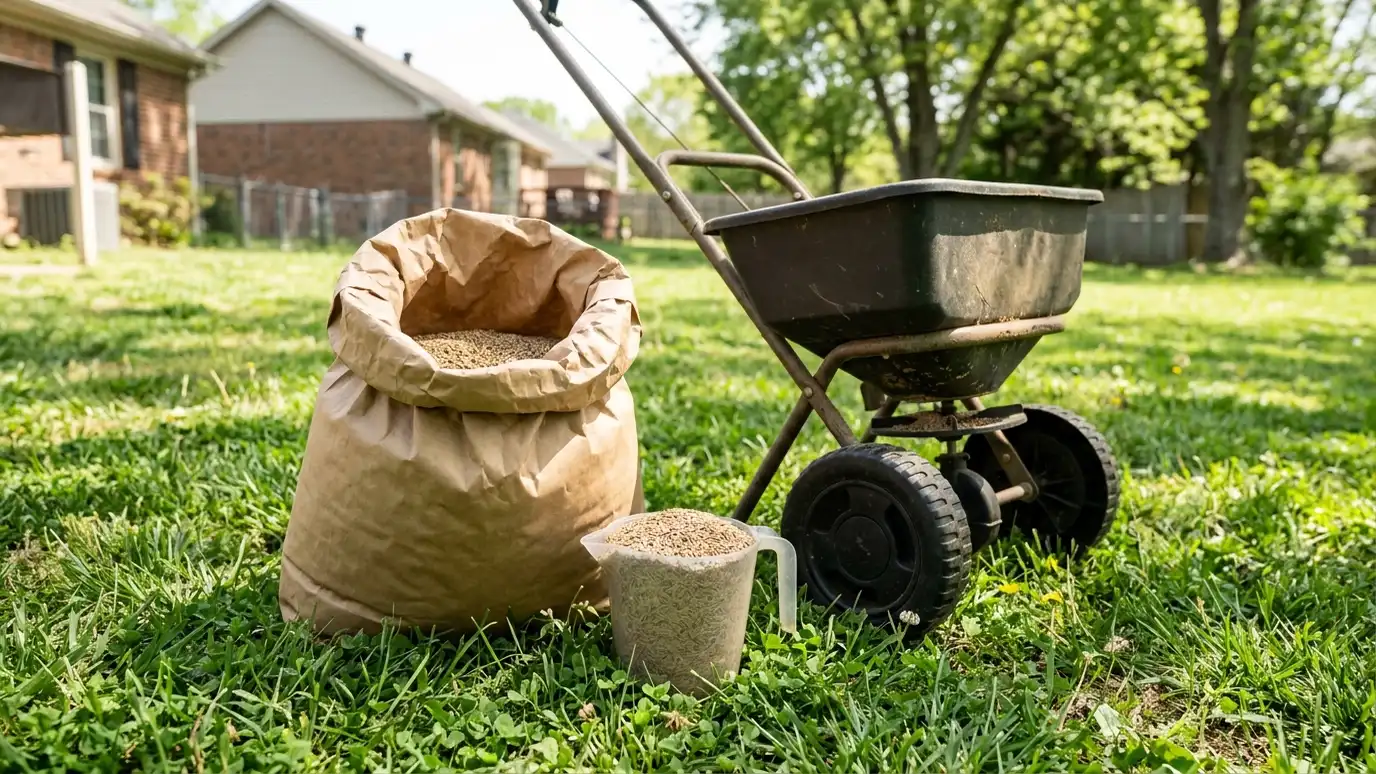
A moss-specific product kills the growth, and raking clears it so seed can reach soil.
Aeration, lime and better light and drainage make the area suitable for grass again.
In deep shade, a ground cover or mulch bed can look better than struggling turf.
Drag the handle to compare.
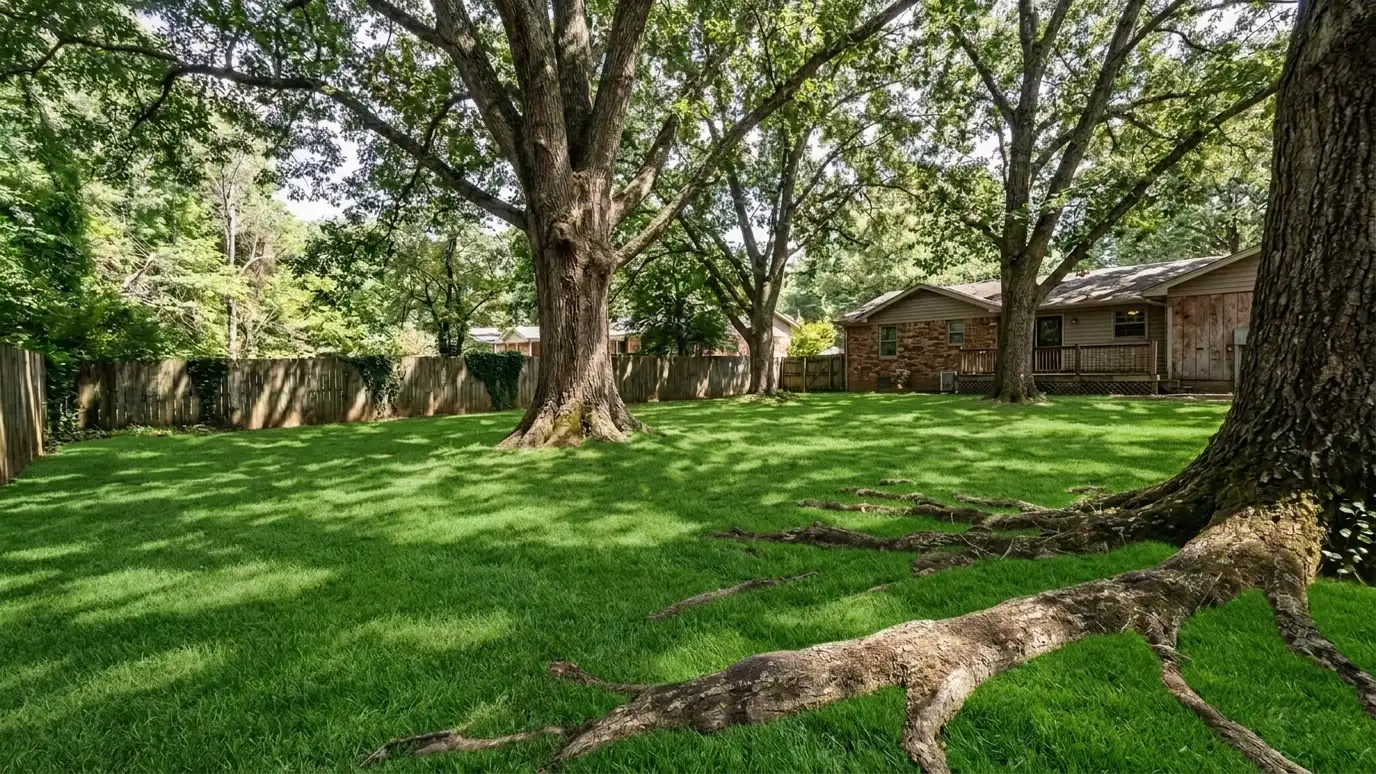
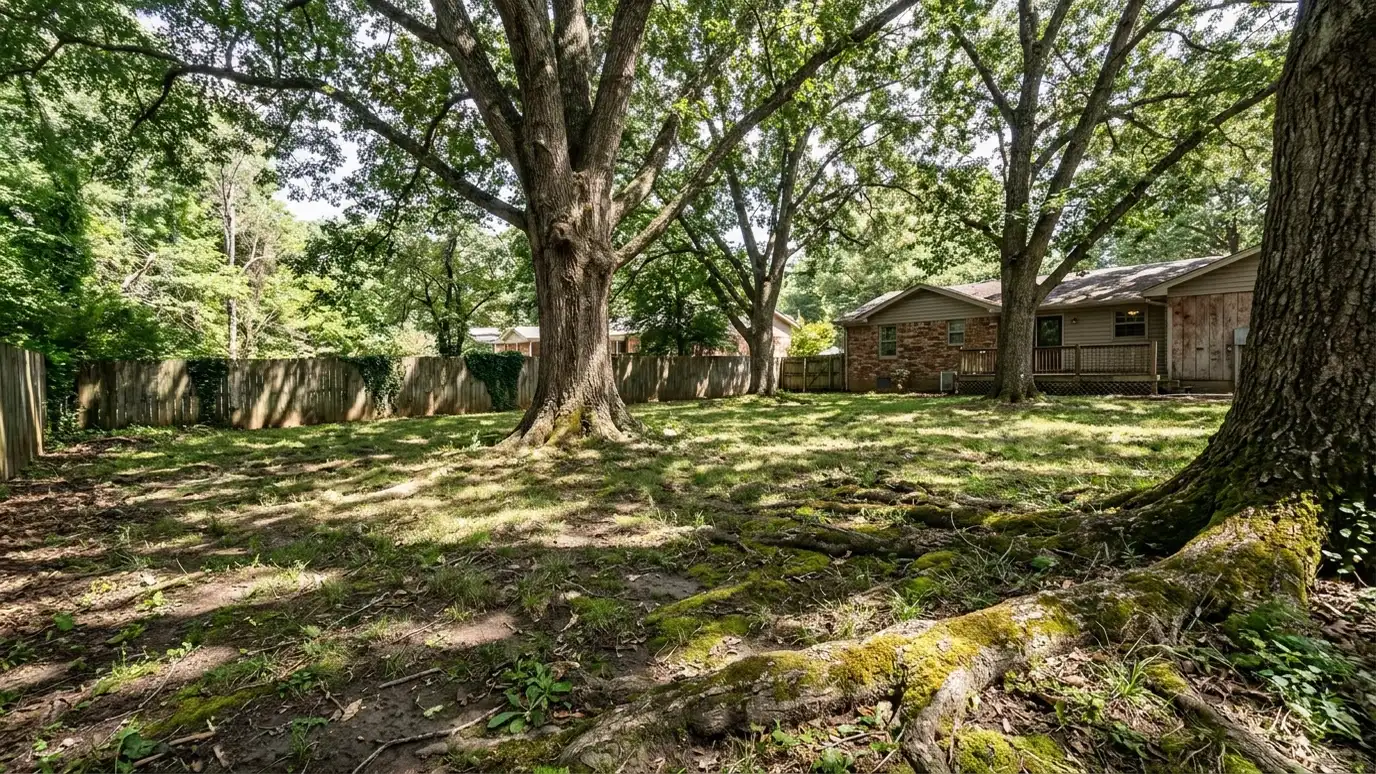 BeforeAfter
And removed.
Shade, soil, drainage.
Loosens compaction.
Better grass choice.
Pruning ideas.
Bed or turf.
Every topic has its own page with what to expect and how we approach it.
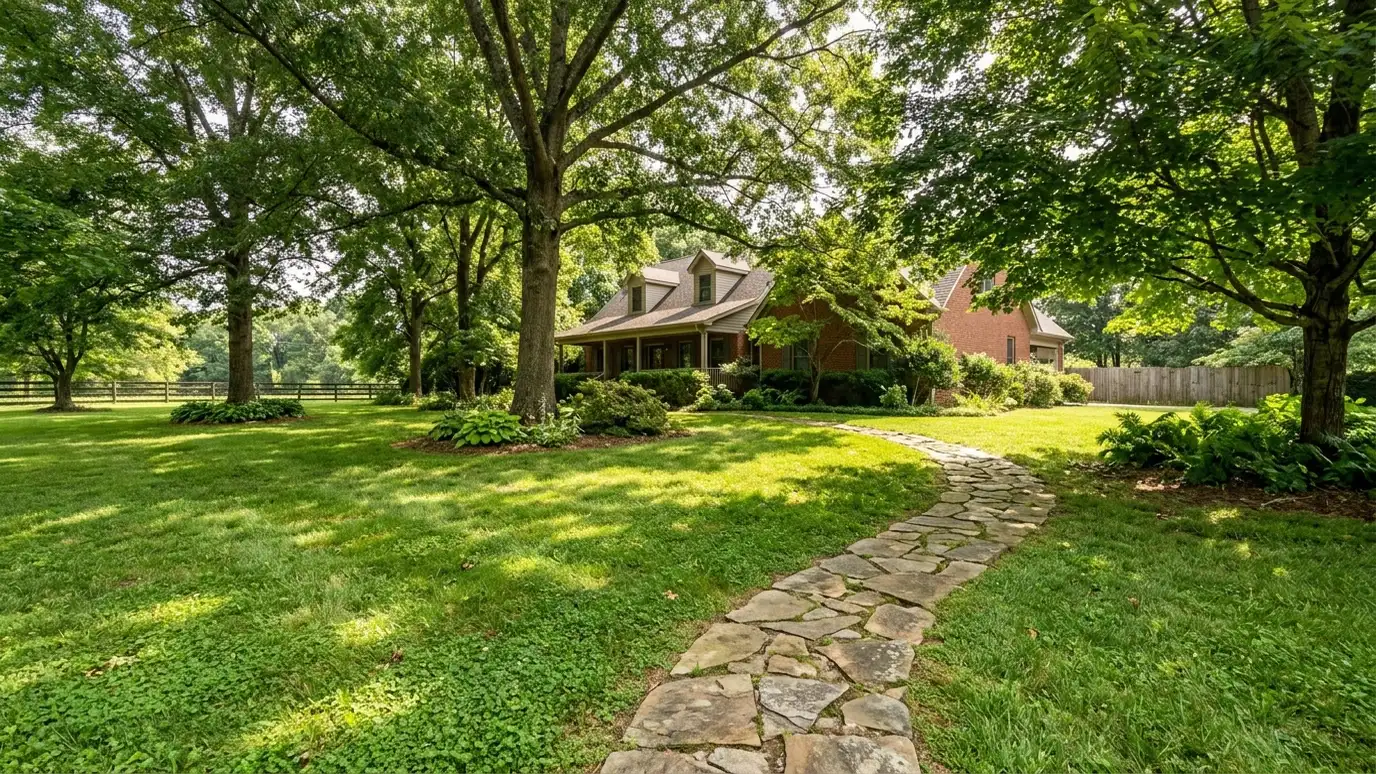 Lawn typeShade-Tolerant LawnsHow to keep grass healthy under mature trees: the right seed, taller mowing, careful watering and honest limits.Learn more
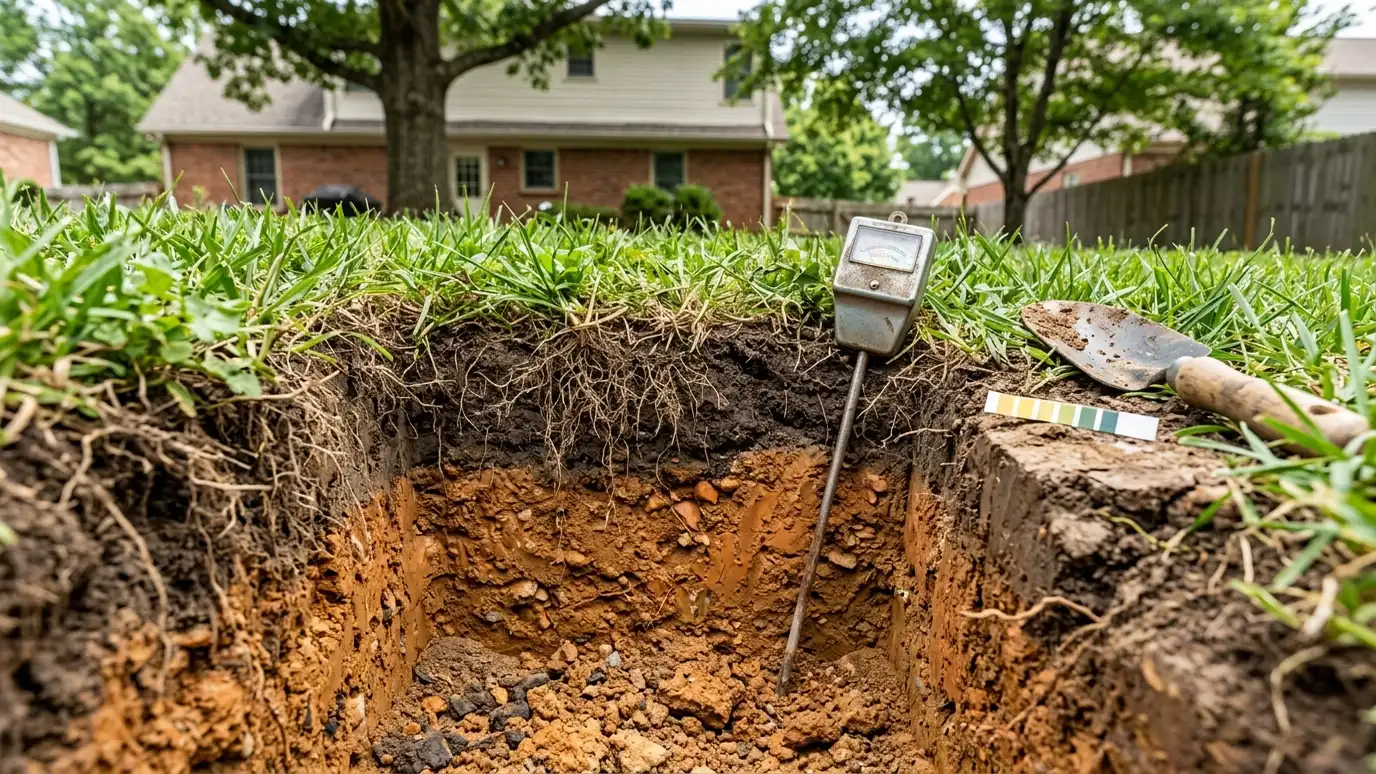 Topic guideSoil and pH GuideClay, compaction, organic matter and pH explained, with simple ways to test and improve the soil under your…Learn more
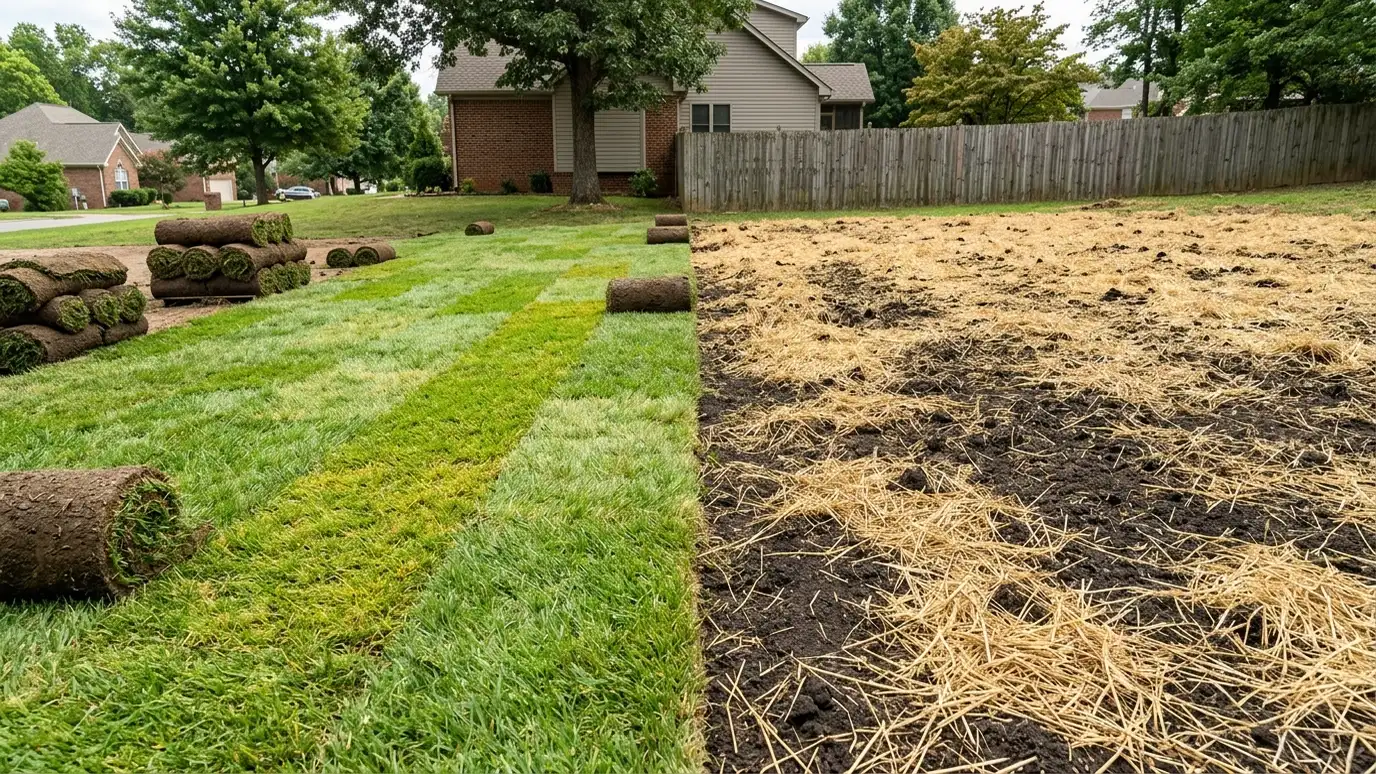 Topic guideSeeding vs Sod ComparedSeed, sod and hydroseed compared on cost, speed, grass choices, timing and the care each needs to succeed.Learn more
Tick what you see in your lawn and get a priority list and a plain recommendation: care, treat, renew or renovate.
You tell us about your lawn and what you want to change, from weeds to a full program, and we set a visit that fits your day.
We walk the lawn, identify the grass, check the soil, weeds, pests and drainage and talk through your goals.
We build a calendar of treatments for your grass type and give you an itemized written estimate with options.
Visits are scheduled by season and weather, and any gates, pets or irrigation are noted.
Crews apply products and perform services with calibrated equipment and leave notes after each visit.
Each season we review the results with you and adjust the plan for the next one.
Usually shade, compaction, poor drainage or acidic soil has weakened the grass.
Not by itself. Without fixing the cause, moss tends to return.
Shade-tolerant grasses can, with good care. Deep shade may need a different solution.
Yes, after treatment, so seed can reach the soil.
Treatment is quick, but turf recovery takes a season or more.
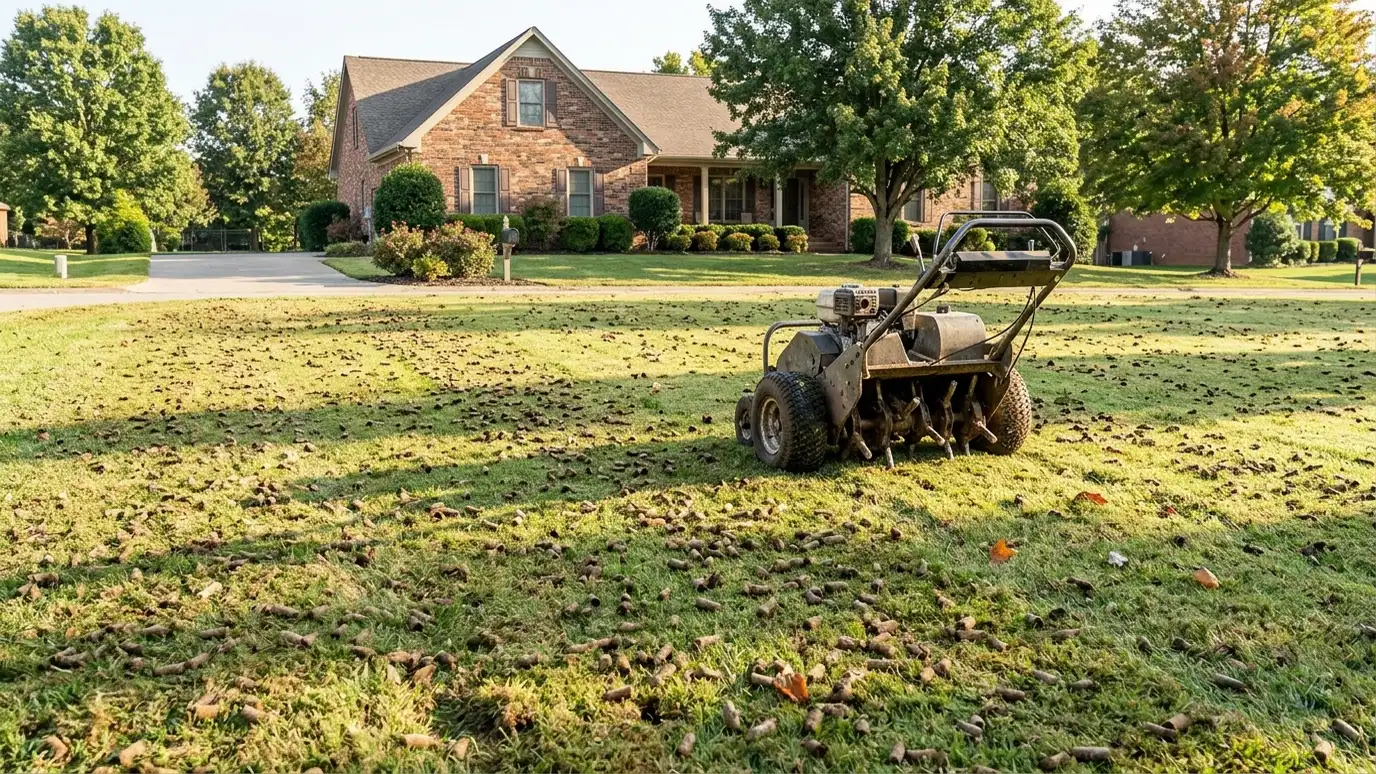 Core AerationMachine aeration that pulls small soil plugs to relieve compaction, so water, air and nutrients reach the roots.Explore
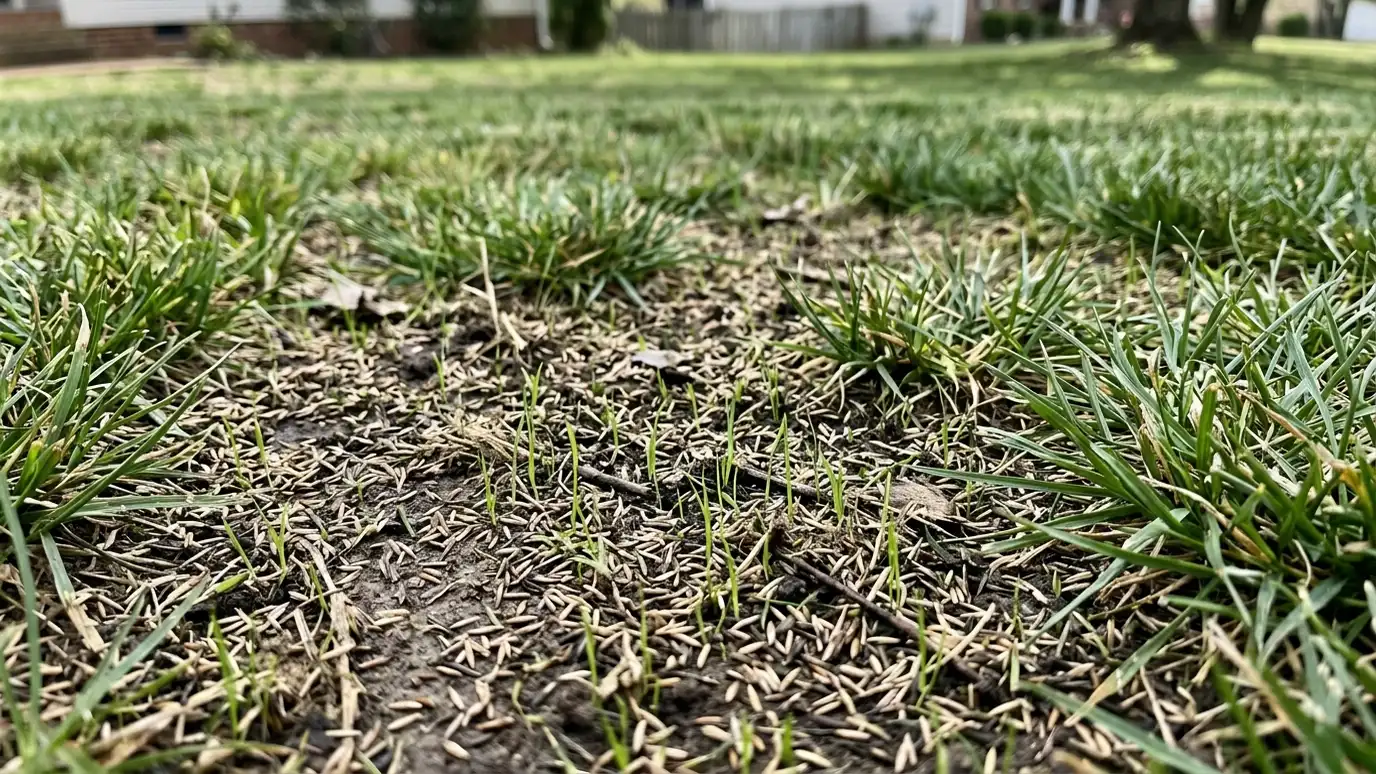 OverseedingNew seed spread across your existing lawn to thicken thin areas, repair summer damage and renew aging turf.Explore
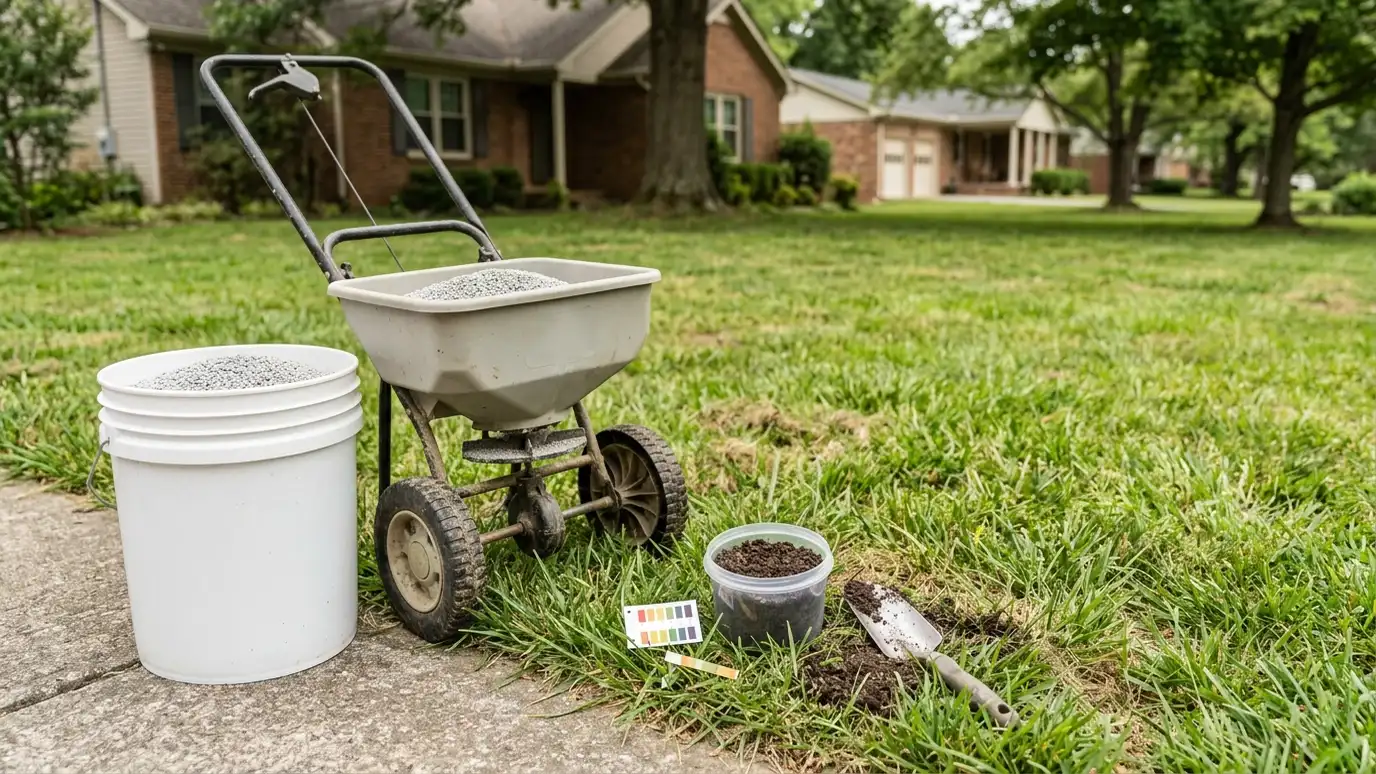 Lime and Soil pH TreatmentsLime or sulfur applications guided by soil tests, so your lawn can actually use the fertilizer you apply.Explore
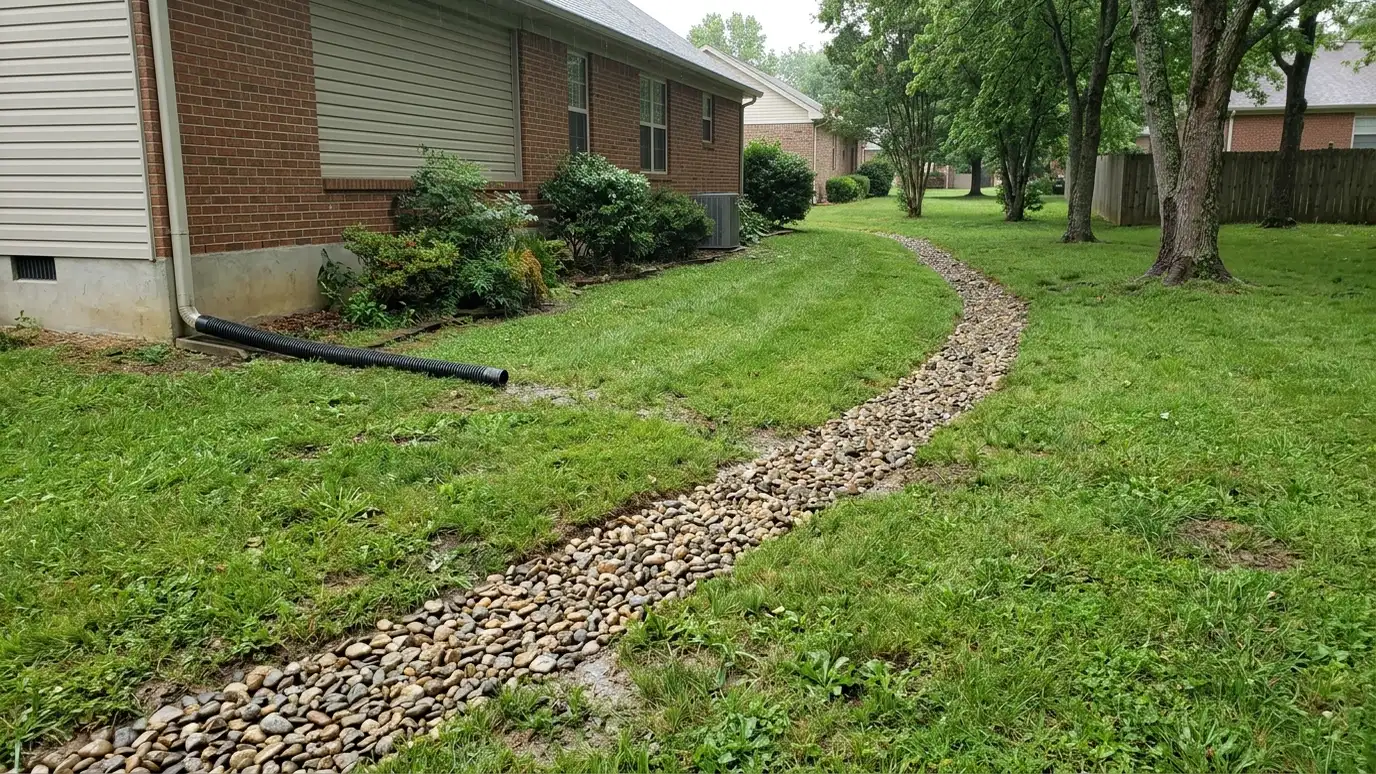 Drainage and Grading FixesSolutions for soggy spots, standing water and runoff: regrading, swales, French drains and downspout extensions.Explore
Tell us about your lawn and we will call you back to set up a visit.
Or call (615) 357-7797 to talk now.