Preventive and curative grub treatment to protect your turf from white grubs that feed on roots and ruin lawns in late summer.
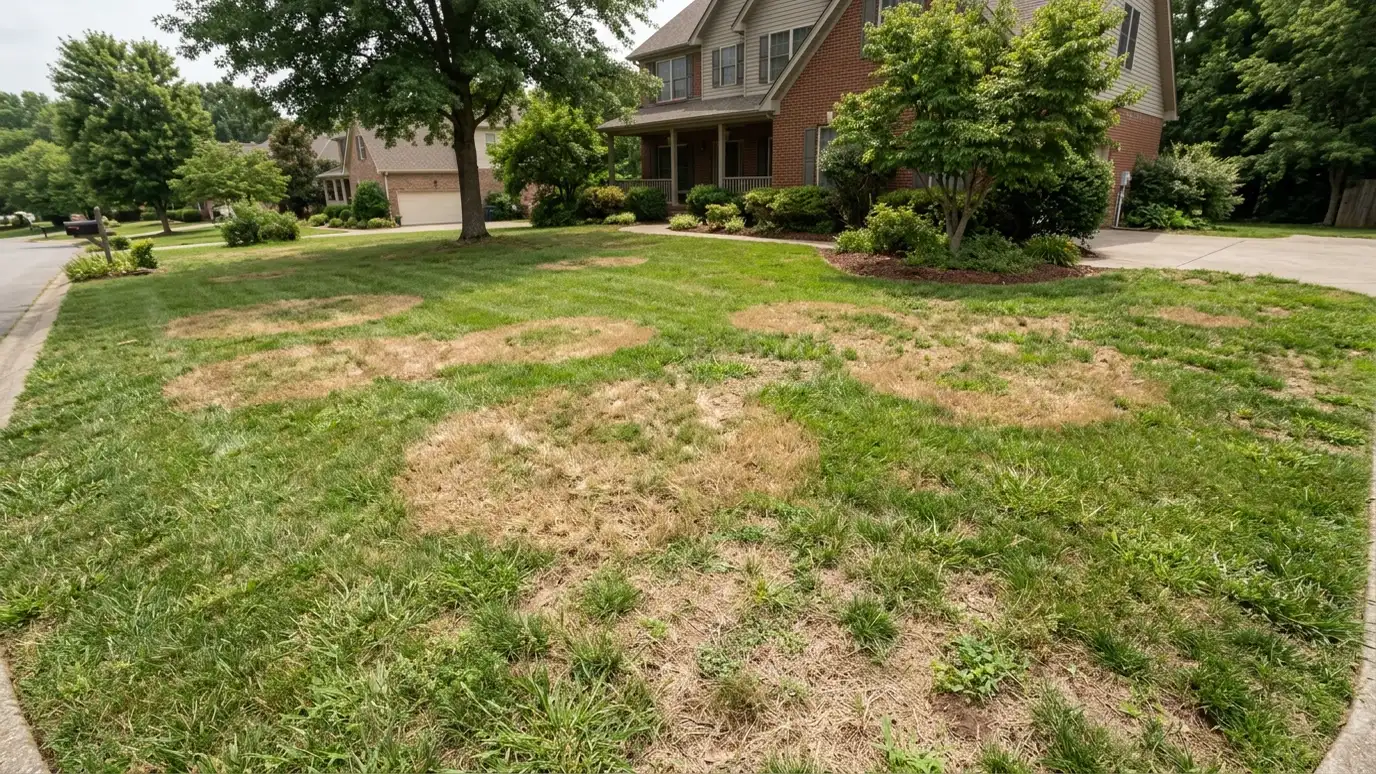
White grubs are the larvae of beetles such as Japanese beetles and masked chafers, and they spend late summer and fall feeding on grass roots. Damage shows up as irregular patches of brown turf that peel back like a carpet, because the roots have been eaten. Raccoons, skunks and birds tearing at the lawn at night are another sign. A lawn with grubs can go from fine to severely damaged within a few weeks, and the damage often arrives just when homeowners think summer stress is over.
The most effective approach is prevention. A grub preventive is applied in late spring or early summer, when beetles are laying eggs, and it protects roots as the young grubs hatch. If you missed that window, we can scout for grubs in late summer and use a curative product when numbers are high enough to harm the lawn. We follow the label, water the product in as directed and give you advice on repairing damaged areas with overseeding or sod. Not every lawn needs grub control every year, and we are honest about when it is worth it.
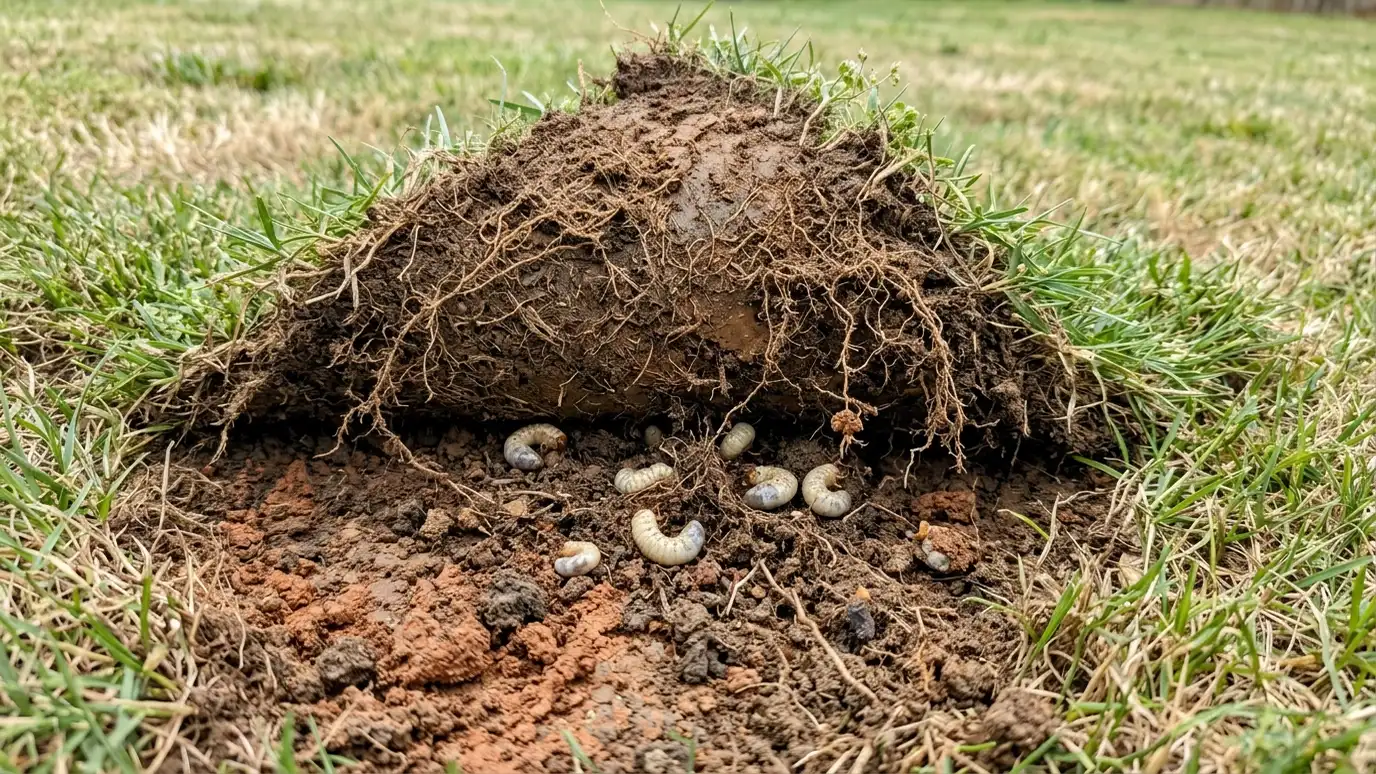
Peeling turf, spongy patches and animals digging at night all point to grubs feeding on roots.
A preventive applied as beetles lay eggs protects roots through the hatch.
If prevention was missed, we scout in late summer and treat when counts justify it.
Seed or sod restores damaged areas, and we plan it for the right season.
Drag the handle to compare.
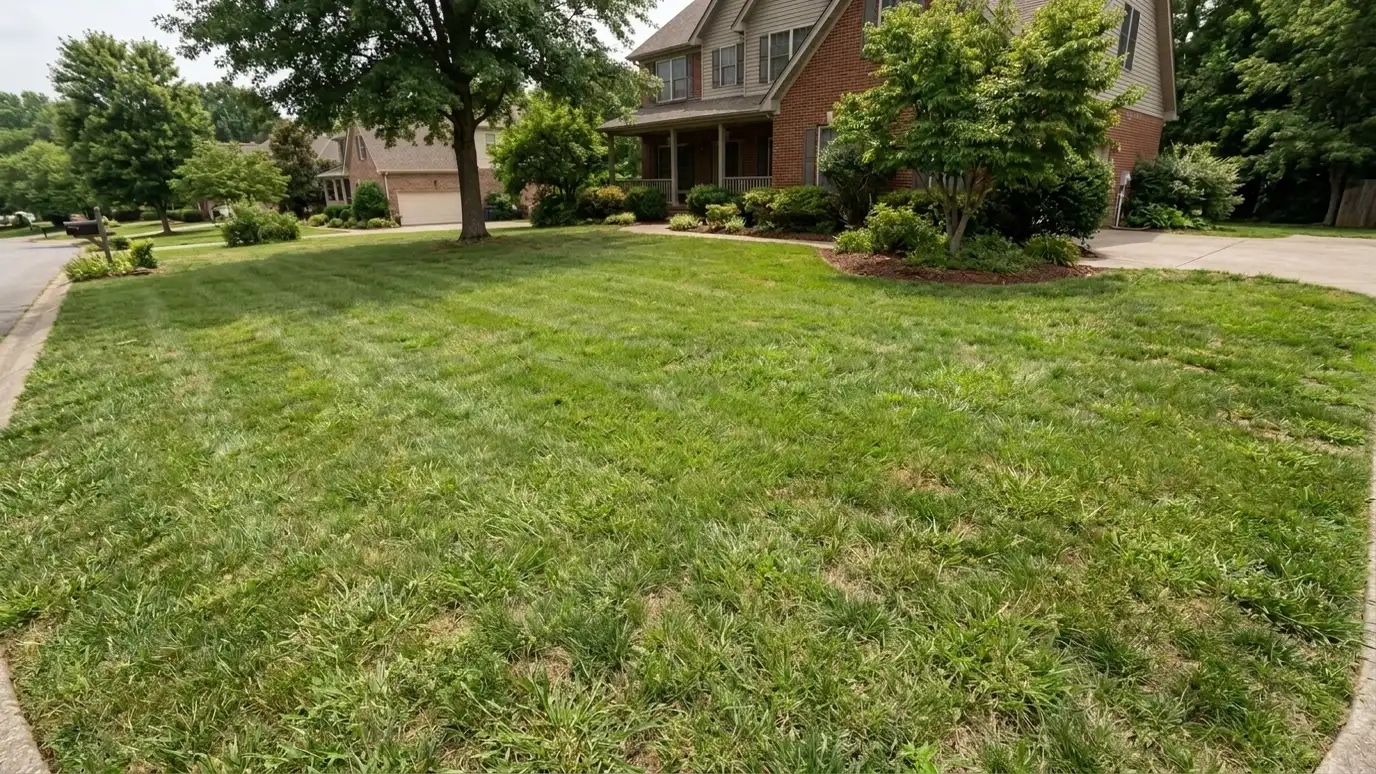
 BeforeAfter
Early summer.
Count before treating.
Keeps turf rooted.
When needed.
Seed or sod.
Only when worth it.
Every topic has its own page with what to expect and how we approach it.
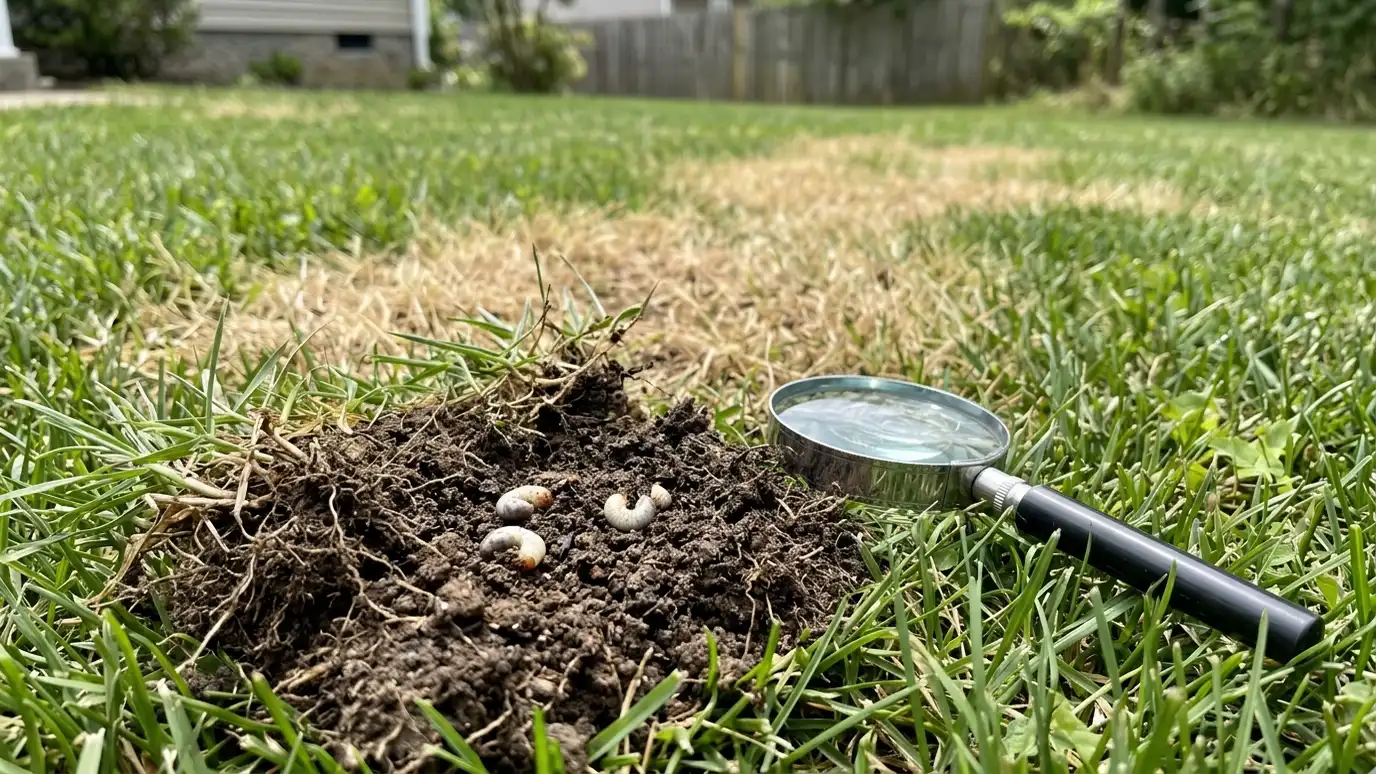 Topic guideDiseases and Pests GuideBrown patch, dollar spot, grubs, armyworms, chinch bugs and fire ants: signs, timing and what to do about…Learn more
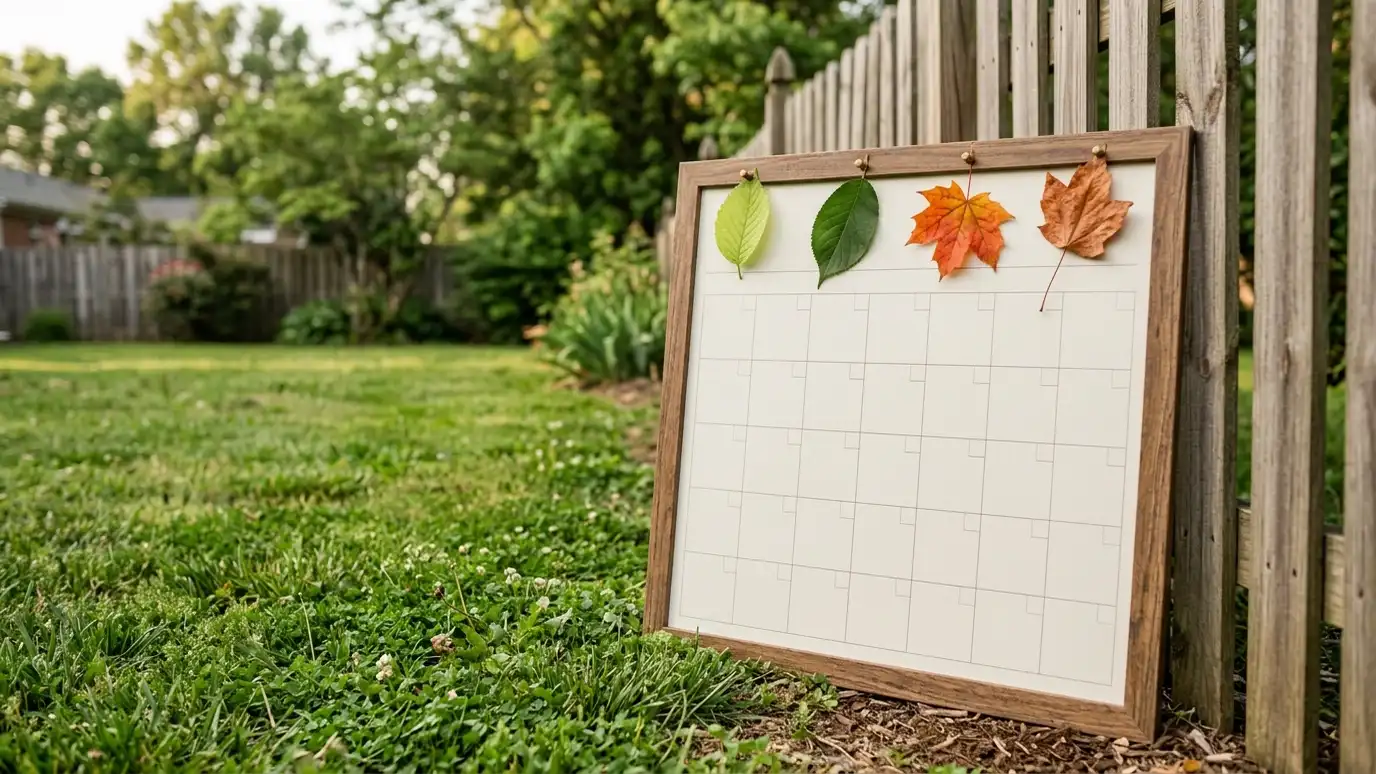 Topic guideLawn Care CalendarA season-by-season guide to feeding, weed control, seeding, aeration, pest watch and winter prep for Middle Tennessee lawns.Learn more
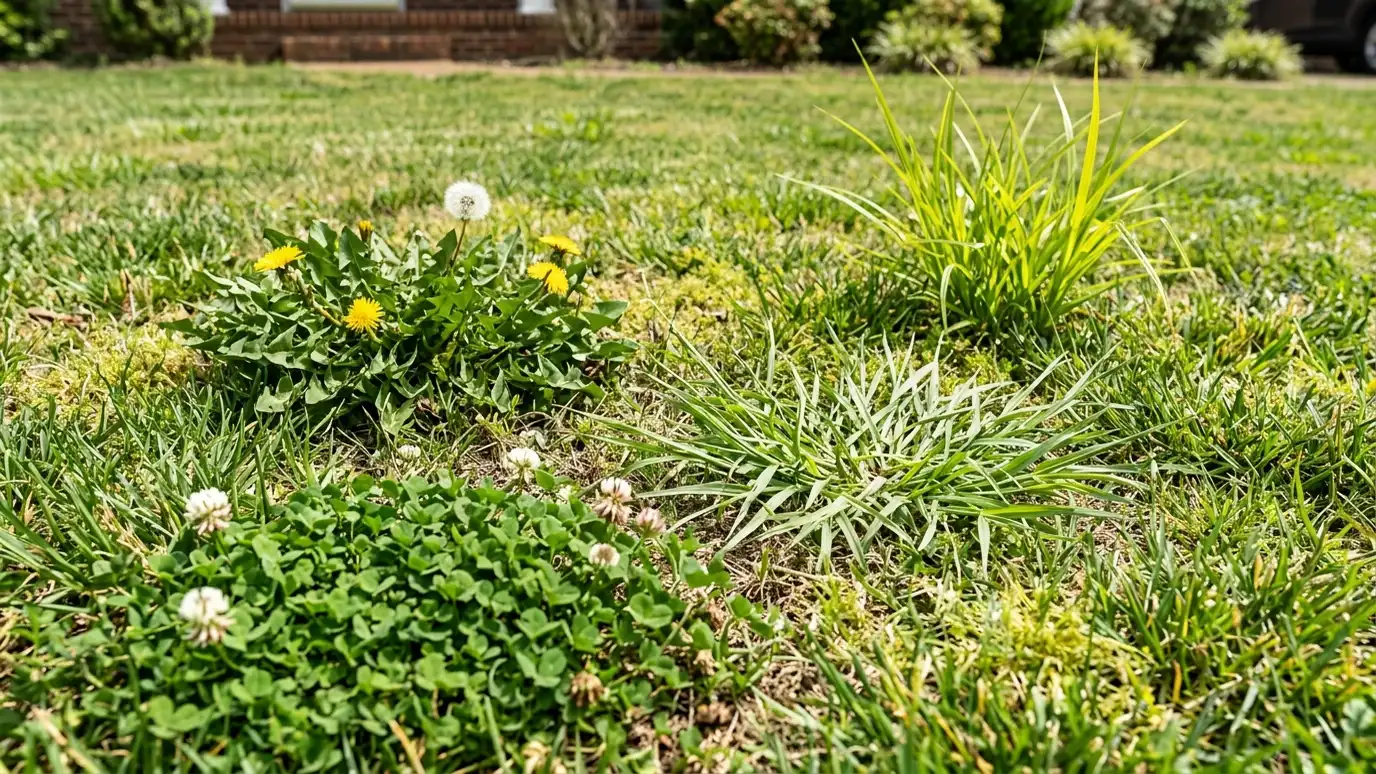 Topic guideWeed Types and ControlsCrabgrass, dandelion, clover, nutsedge, chickweed and more: how to tell them apart and what controls each.Learn more
Tick what you see in your lawn and get a priority list and a plain recommendation: care, treat, renew or renovate.
You tell us about your lawn and what you want to change, from weeds to a full program, and we set a visit that fits your day.
We walk the lawn, identify the grass, check the soil, weeds, pests and drainage and talk through your goals.
We build a calendar of treatments for your grass type and give you an itemized written estimate with options.
Visits are scheduled by season and weather, and any gates, pets or irrigation are noted.
Crews apply products and perform services with calibrated equipment and leave notes after each visit.
Each season we review the results with you and adjust the plan for the next one.
Pull back a patch of damaged turf. If it lifts easily and you see white C-shaped larvae, grubs are present.
Typically late spring to early summer, before the eggs hatch.
Not always. Lawns with a history of grubs benefit most.
Often with overseeding or sod, once the grubs are controlled.
Raccoons, skunks and birds dig for grubs, which is a warning sign.
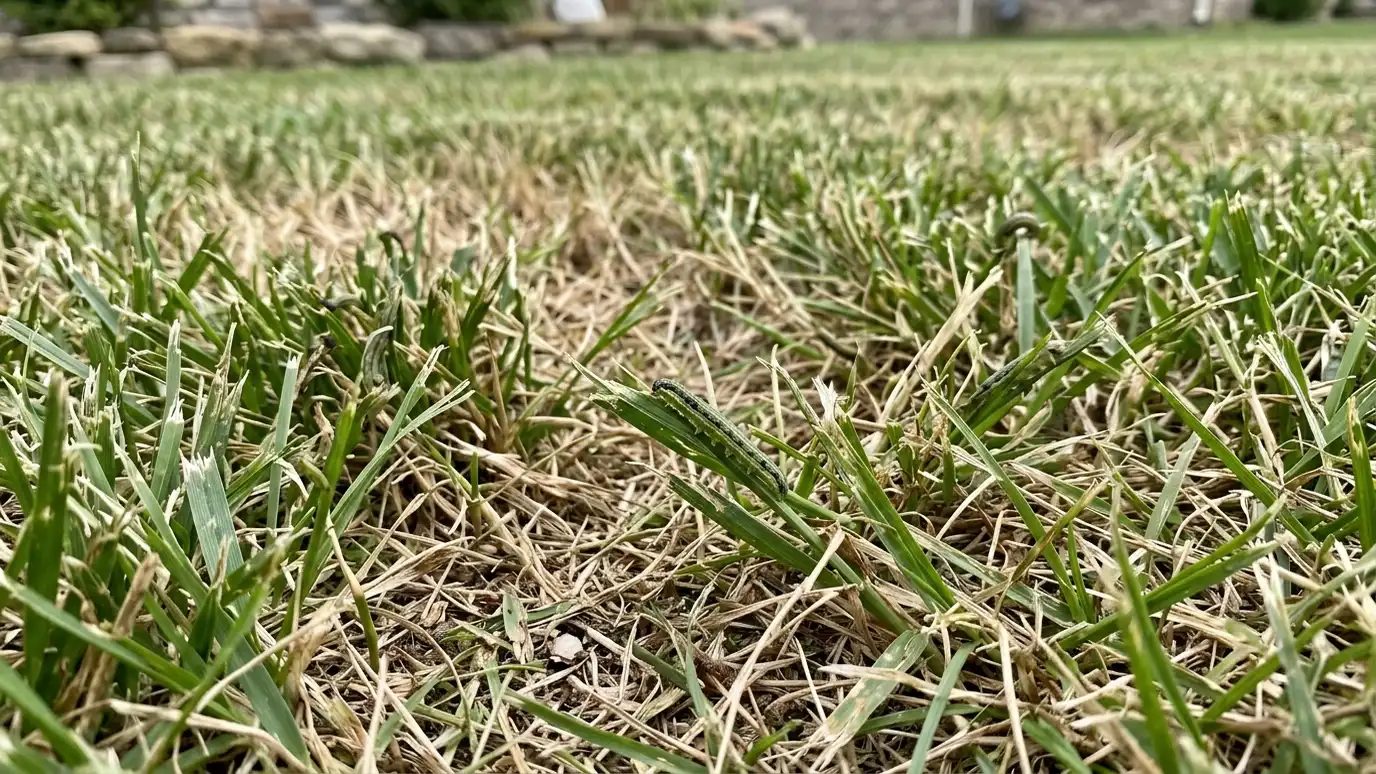 Armyworm and Sod Webworm ControlQuick response to caterpillars that chew grass blades, with scouting, treatment and recovery advice for the late-summer season.Explore
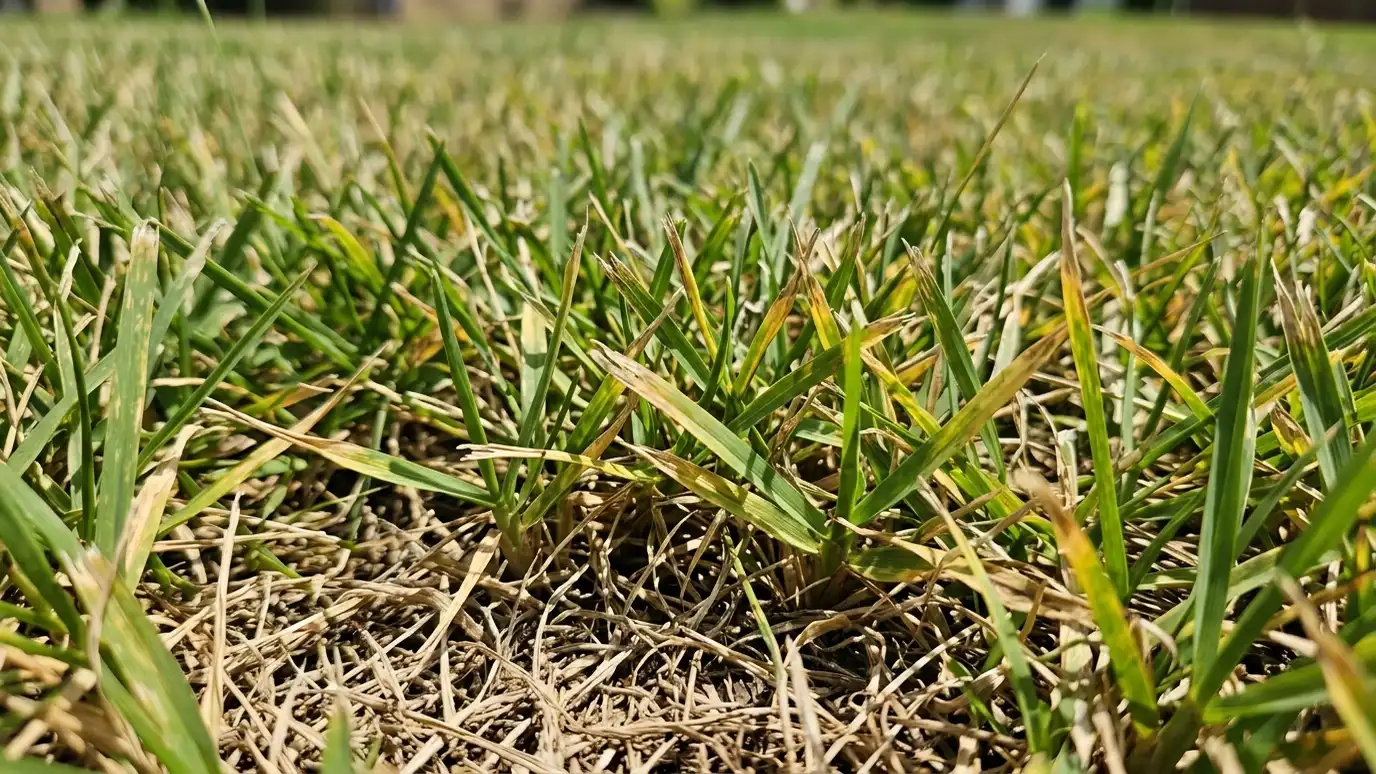 Chinch Bug and Insect ControlIdentification and treatment of chinch bugs, mites and other turf insects that cause yellow, dying patches in hot…Explore
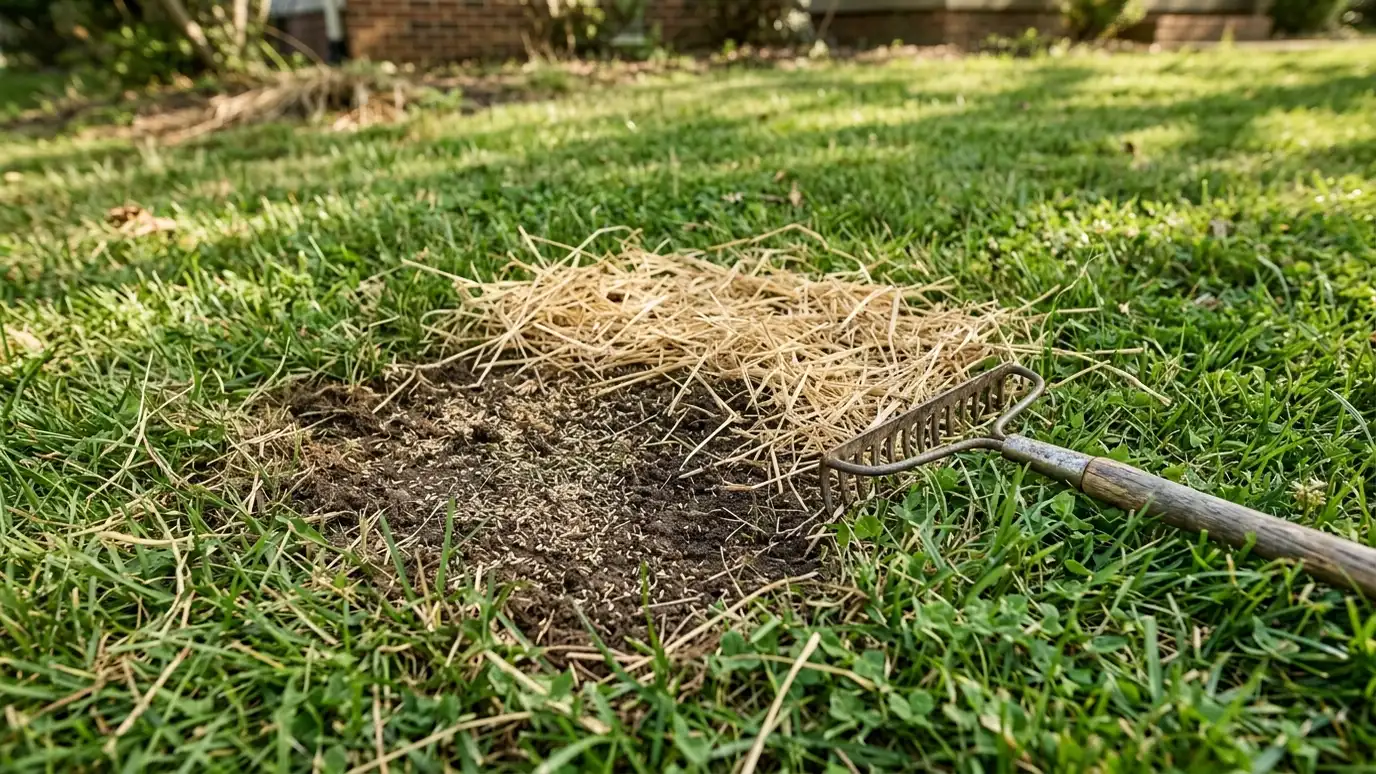 Bare Spot and Patch RepairTargeted repair of dead, thin or bare patches with new seed, sod or plugs, so small problems do…Explore
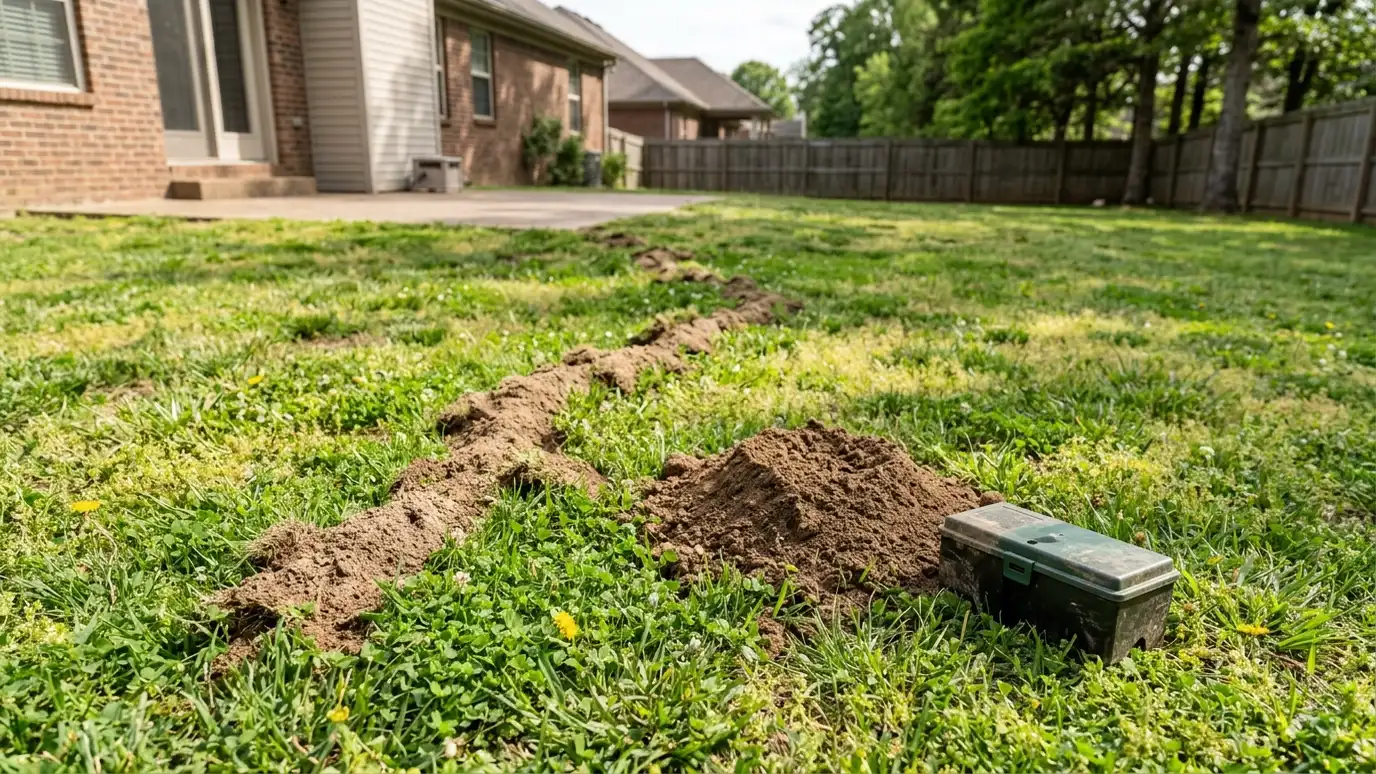 Mole and Vole Damage ControlIdentify what is tunneling in your lawn and reduce the damage with targeted control and turf repair.Explore
Tell us about your lawn and we will call you back to set up a visit.
Or call (615) 357-7797 to talk now.