Efficient seeding methods for large areas, slopes and renovations, with a mulch blanket or slit placement for good germination.
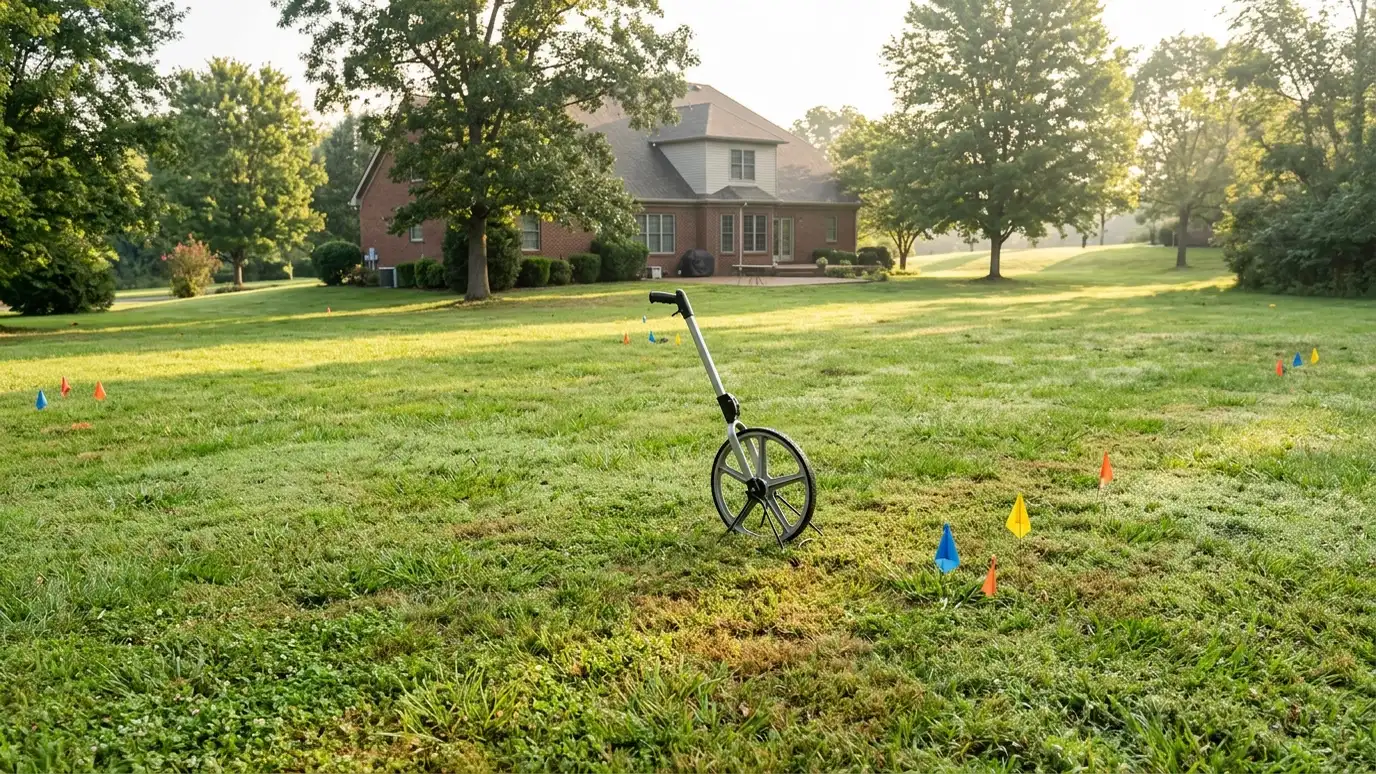
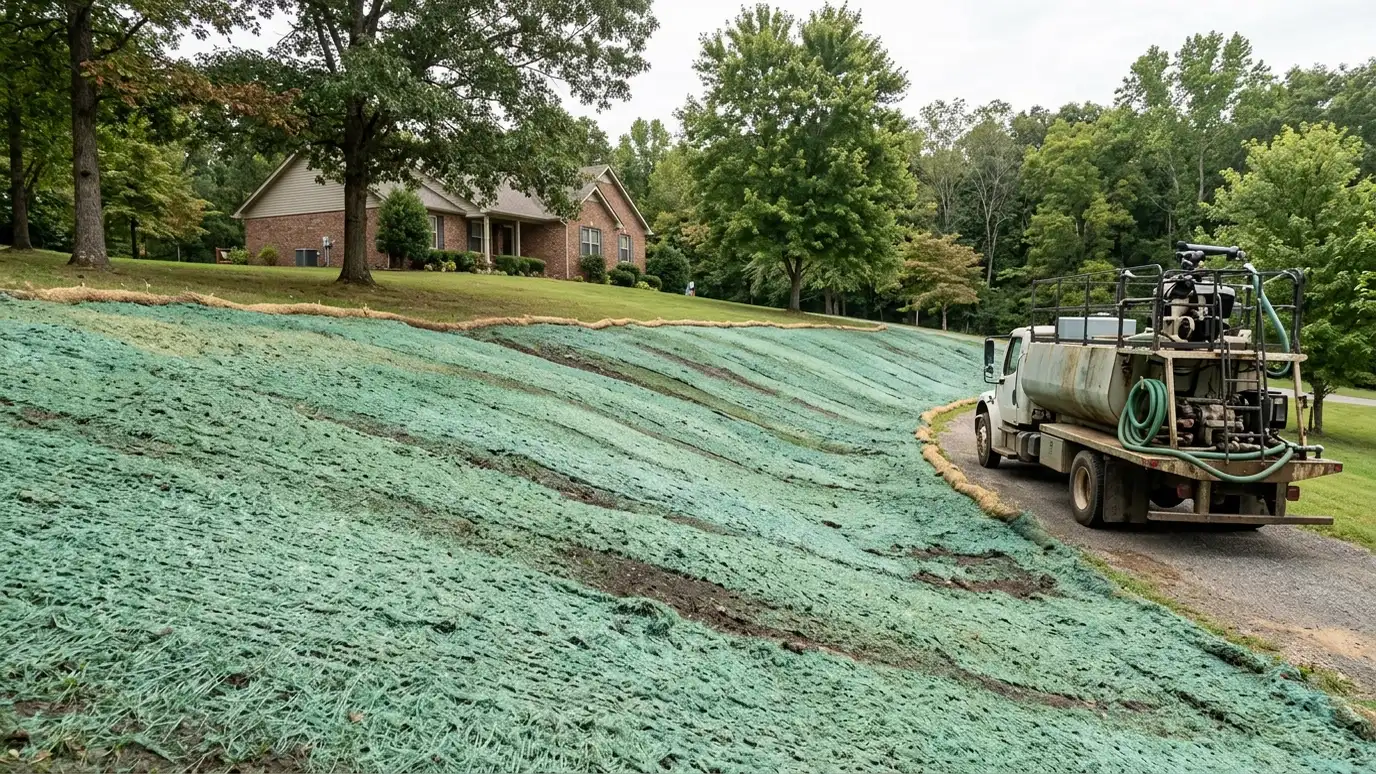
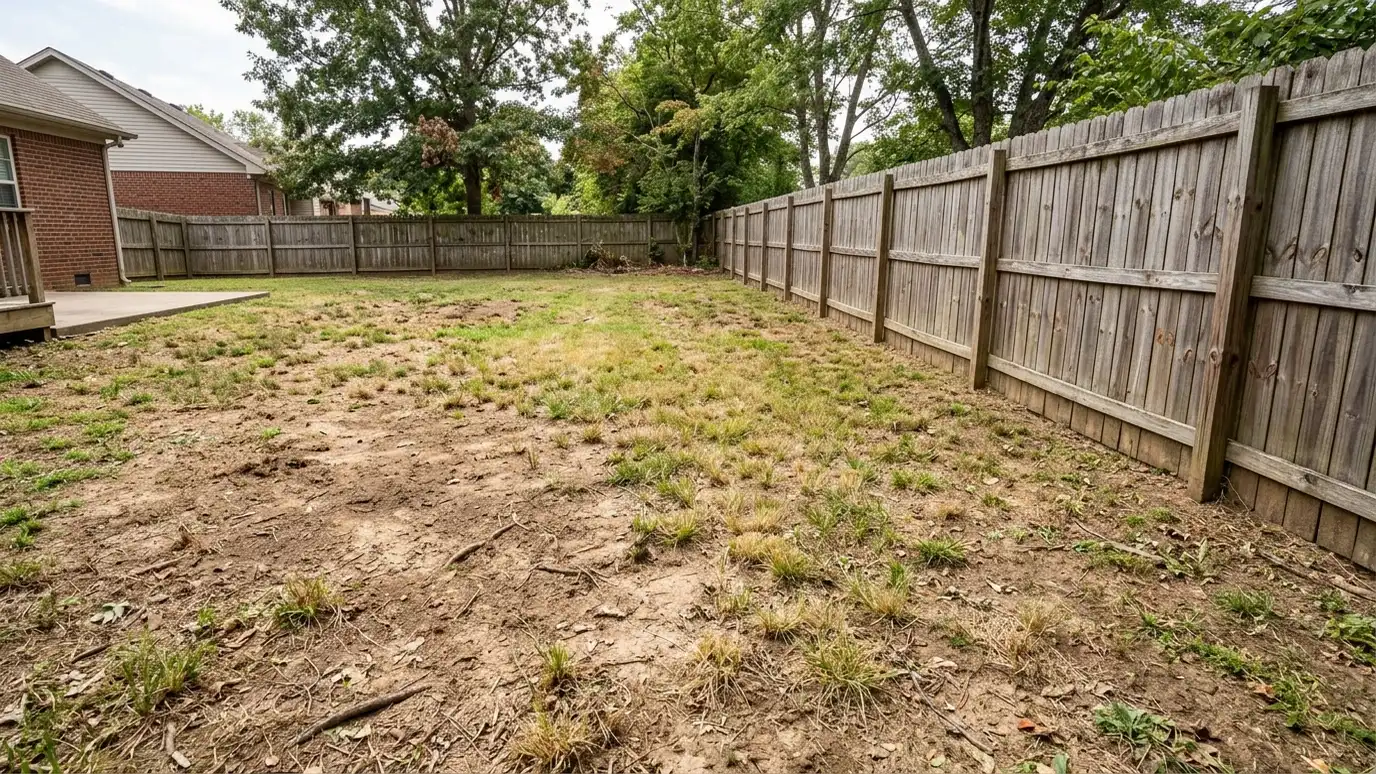
Large areas and slopes call for something better than a hand spreader. Hydroseeding sprays a slurry of seed, mulch, water and starter nutrients over the soil, forming a protective blanket that holds moisture and reduces erosion while seed germinates. Slit seeding, on the other hand, uses a machine with narrow blades that cut small grooves and drop seed directly into the soil. Both methods give good seed-to-soil contact and are cost-effective compared with sod across big spaces. In Middle Tennessee, they are popular for new construction, acreage and sloped yards.
We recommend the method after seeing the site. Hydroseeding is excellent for slopes, bare dirt and areas where erosion is a worry, and slit seeding is ideal for thickening existing turf without tearing it up. We prepare the surface, apply seed and, with hydroseeding, mulch and starter fertilizer, then give you a watering plan. Both methods require moisture while seedlings come up, and we tell you how to manage it. The result is an even, healthy stand of grass at a much lower cost than sod over large areas.
The mulch blanket holds moisture and soil in place, which suits slopes, new yards and large areas.
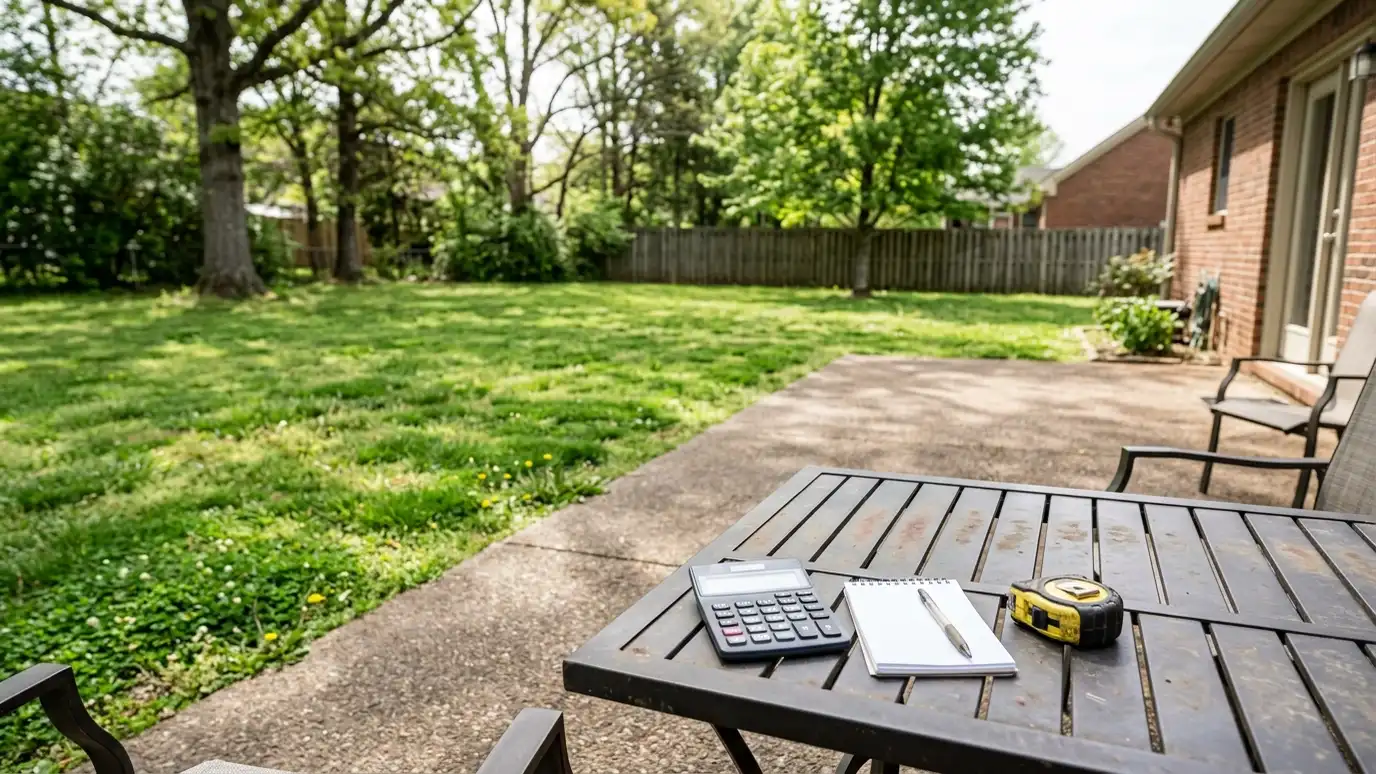
Narrow grooves place seed in soil with little disturbance, good for thickening a lawn.
We choose the method after we see the grade, soil and size of the area.
Both methods need steady moisture while seed sprouts, and we give a clear plan.
Drag the handle to compare.
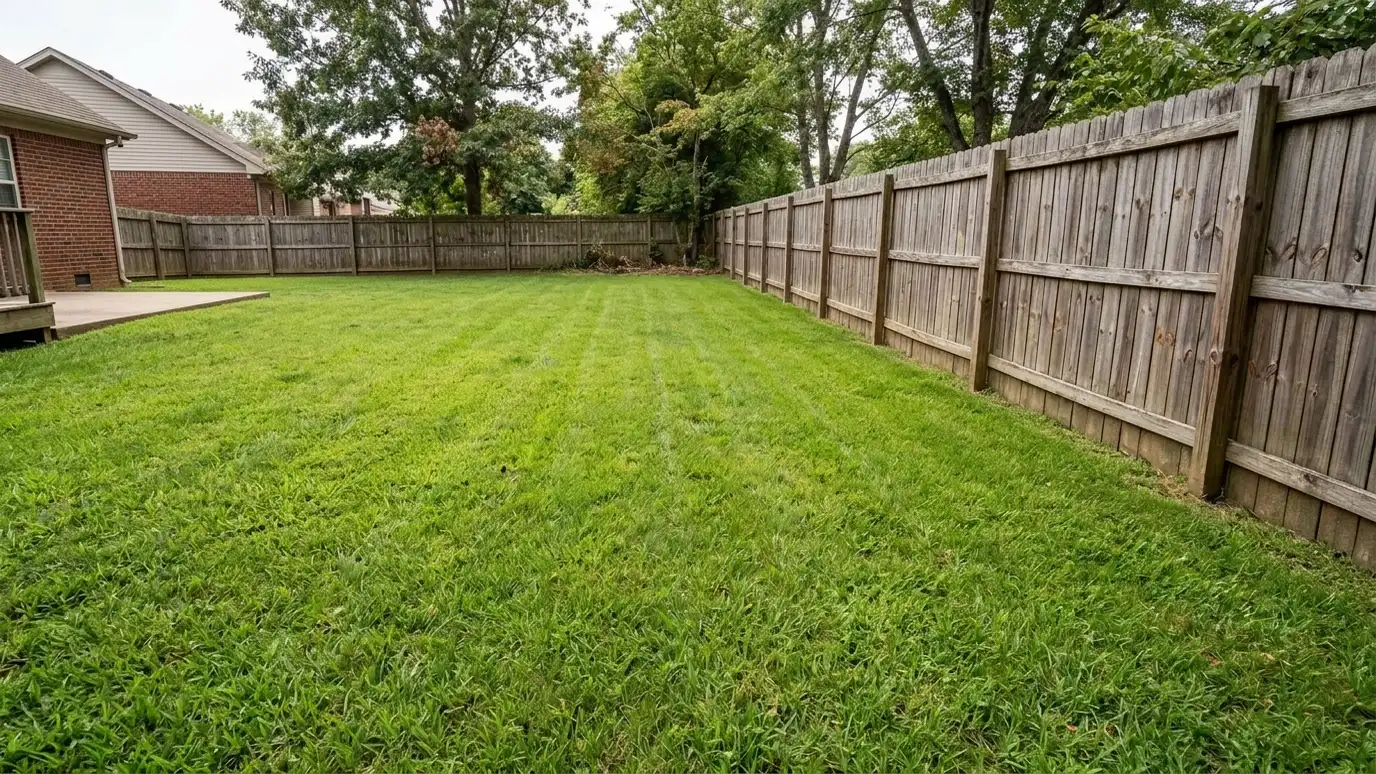
 BeforeAfter
Holds moisture.
Cost effective.
Slopes protected.
Good germination.
To your site.
Clear steps.
Every topic has its own page with what to expect and how we approach it.
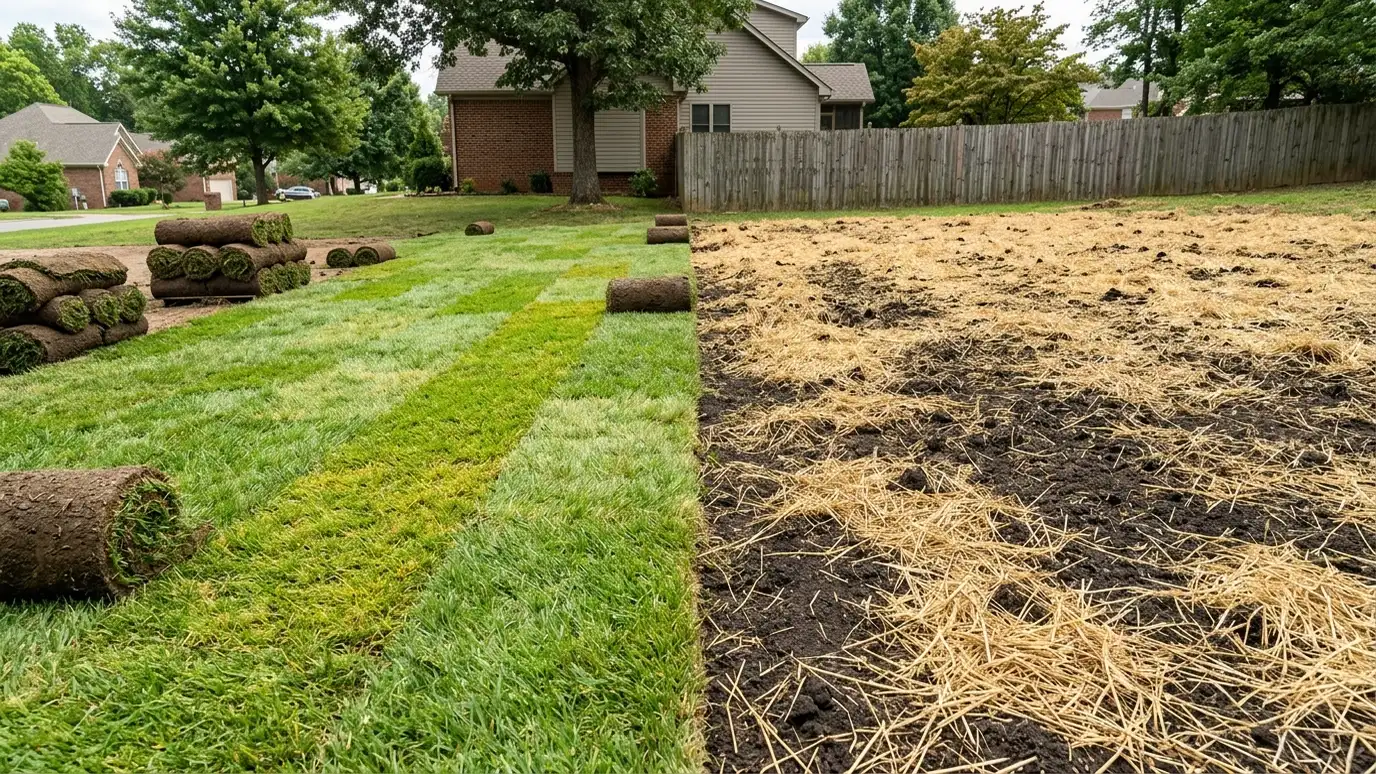 Topic guideSeeding vs Sod ComparedSeed, sod and hydroseed compared on cost, speed, grass choices, timing and the care each needs to succeed.Learn more
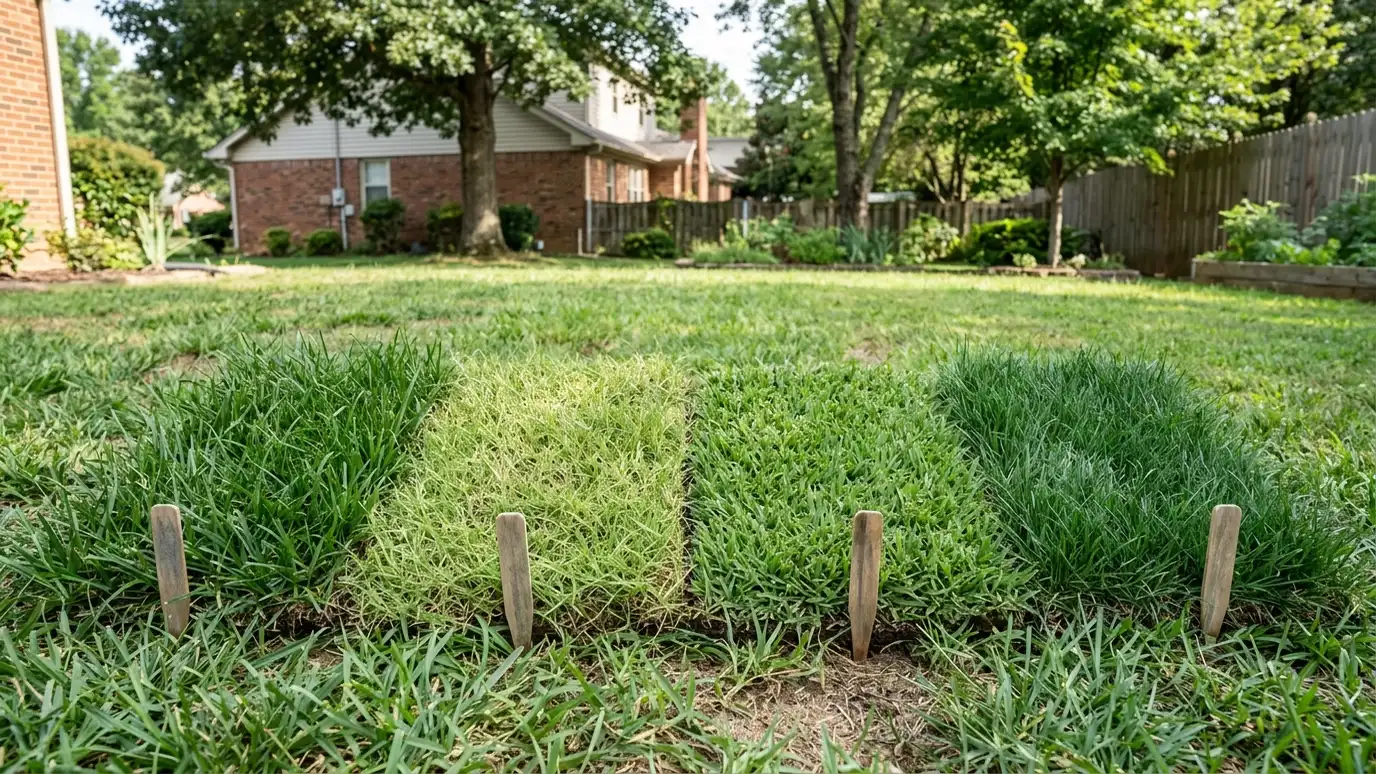 Topic guideGrass Types ComparedTall fescue, bermuda, zoysia and Kentucky bluegrass compared on sun, shade, wear, water, color and winter look.Learn more
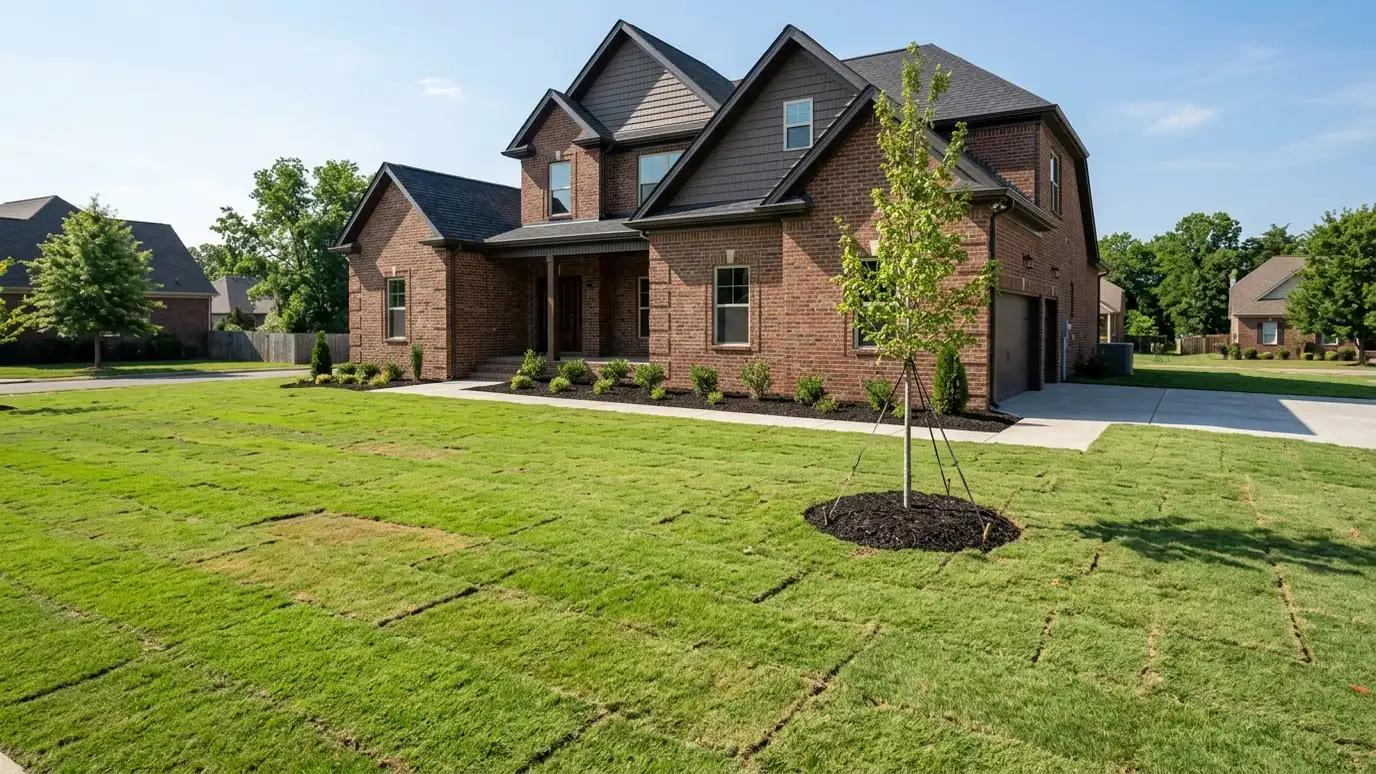 Lawn typeNew Construction LawnsStarting a lawn in builder-graded soil: what to fix first, which planting method fits and how to help…Learn more
Enter the job, grass and area to see seed pounds, fertilizer pounds and bags, and a planning range for installed overseeding.
You tell us about your lawn and what you want to change, from weeds to a full program, and we set a visit that fits your day.
We walk the lawn, identify the grass, check the soil, weeds, pests and drainage and talk through your goals.
We build a calendar of treatments for your grass type and give you an itemized written estimate with options.
Visits are scheduled by season and weather, and any gates, pets or irrigation are noted.
Crews apply products and perform services with calibrated equipment and leave notes after each visit.
Each season we review the results with you and adjust the plan for the next one.
It is spraying a slurry of seed, mulch, water and nutrients over the soil to start a lawn.
It gives better soil contact and less disturbance, which improves germination.
Seed often sprouts in one to three weeks, and the lawn thickens over a season.
Often yes on large areas, though sod gives instant results.
Early fall for cool-season grass, late spring for warm-season grass.
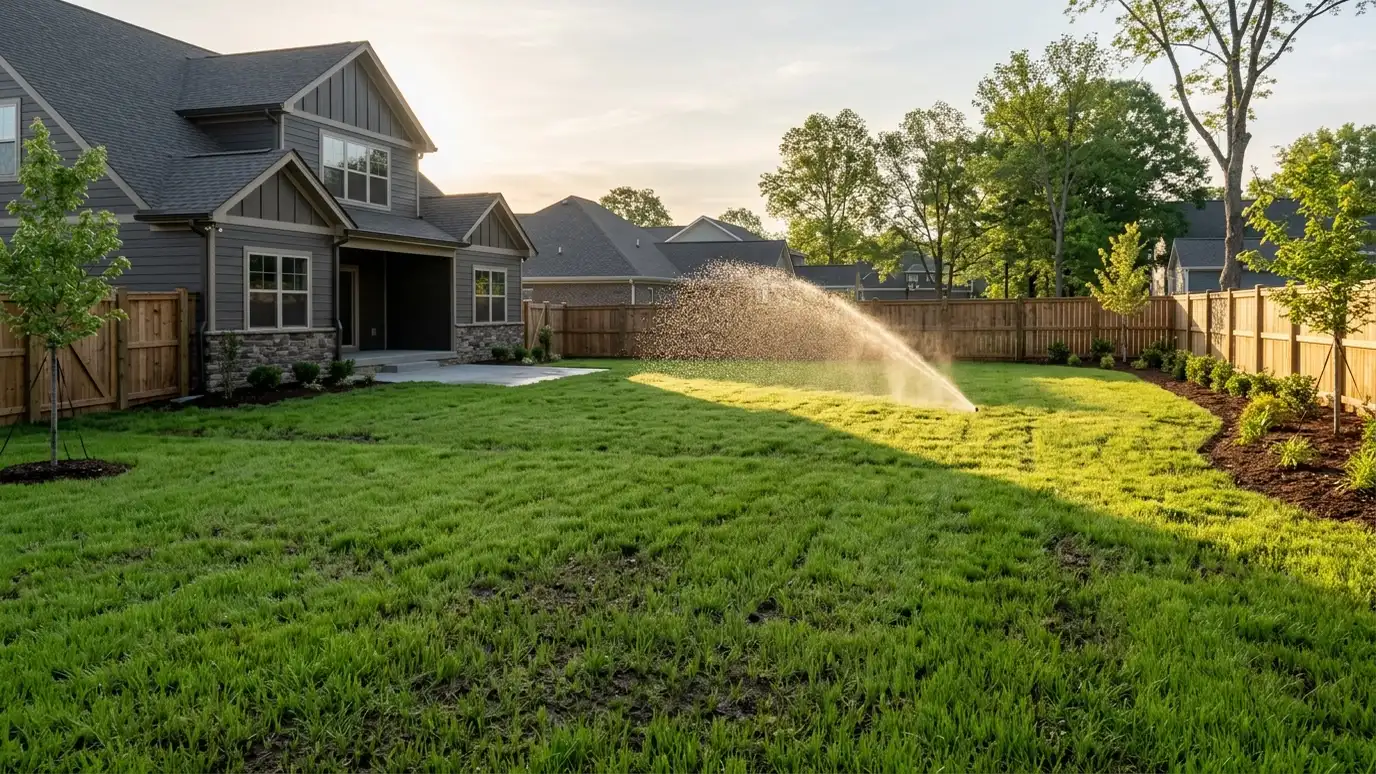 New Lawn EstablishmentEverything a new lawn needs in its first year: soil prep, planting, starter feeding, watering guidance and early…Explore
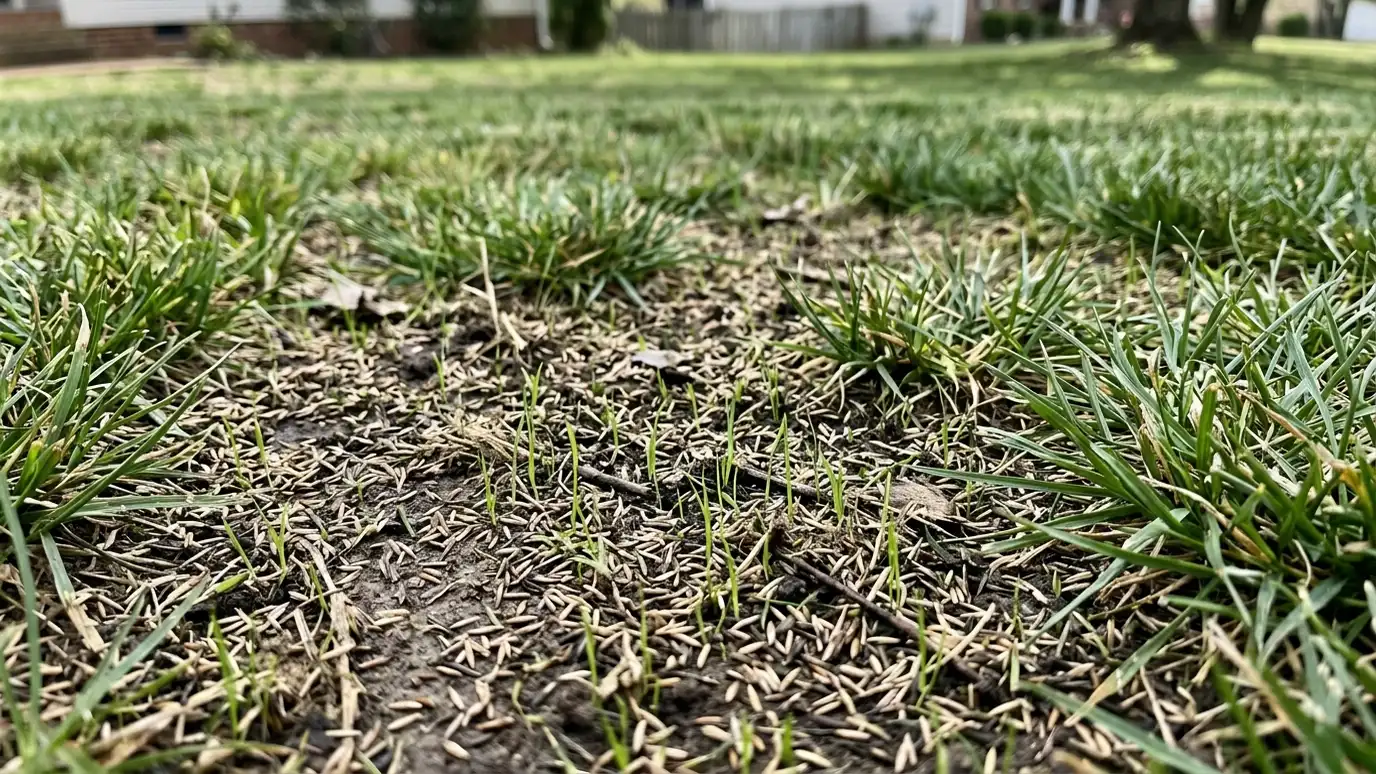 OverseedingNew seed spread across your existing lawn to thicken thin areas, repair summer damage and renew aging turf.Explore
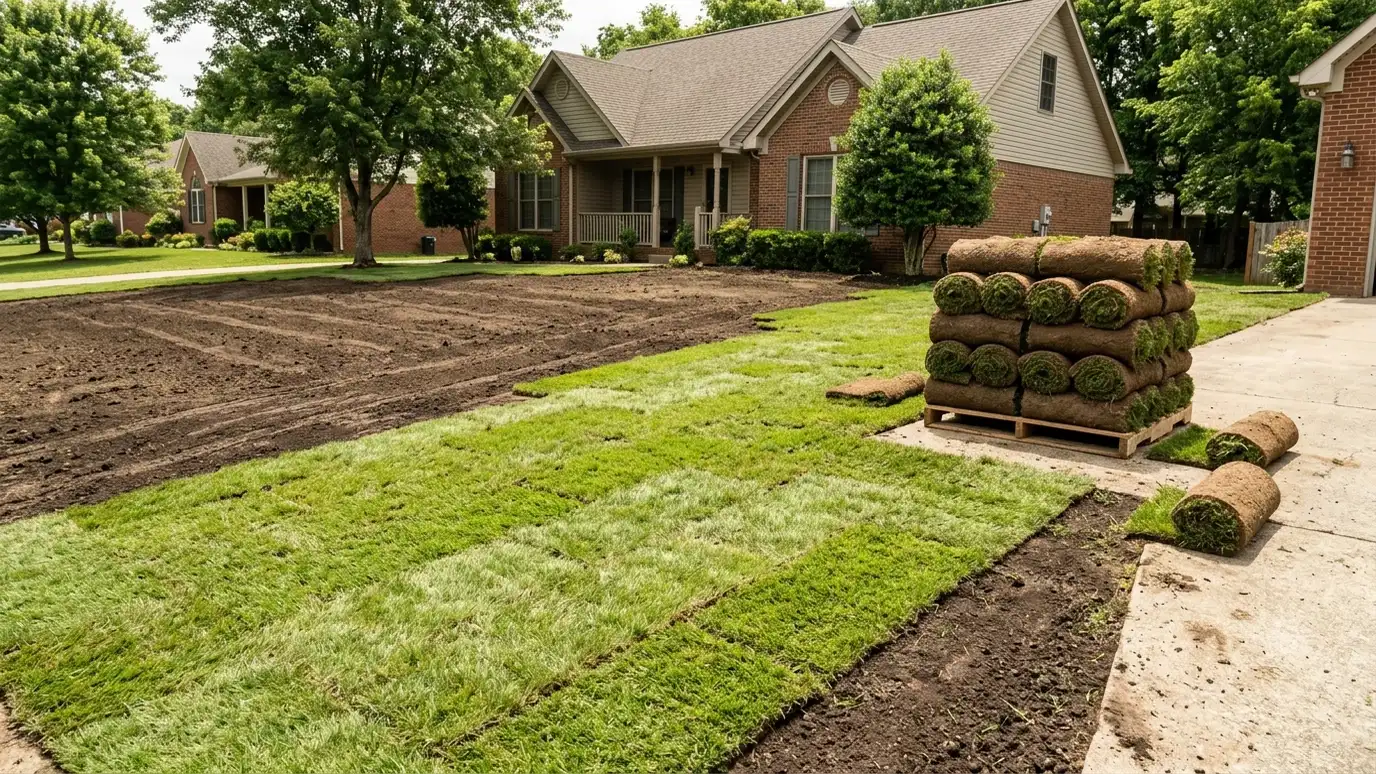 Sod InstallationInstant lawns from fresh sod, laid on prepared soil with tight seams, for a green yard in a…Explore
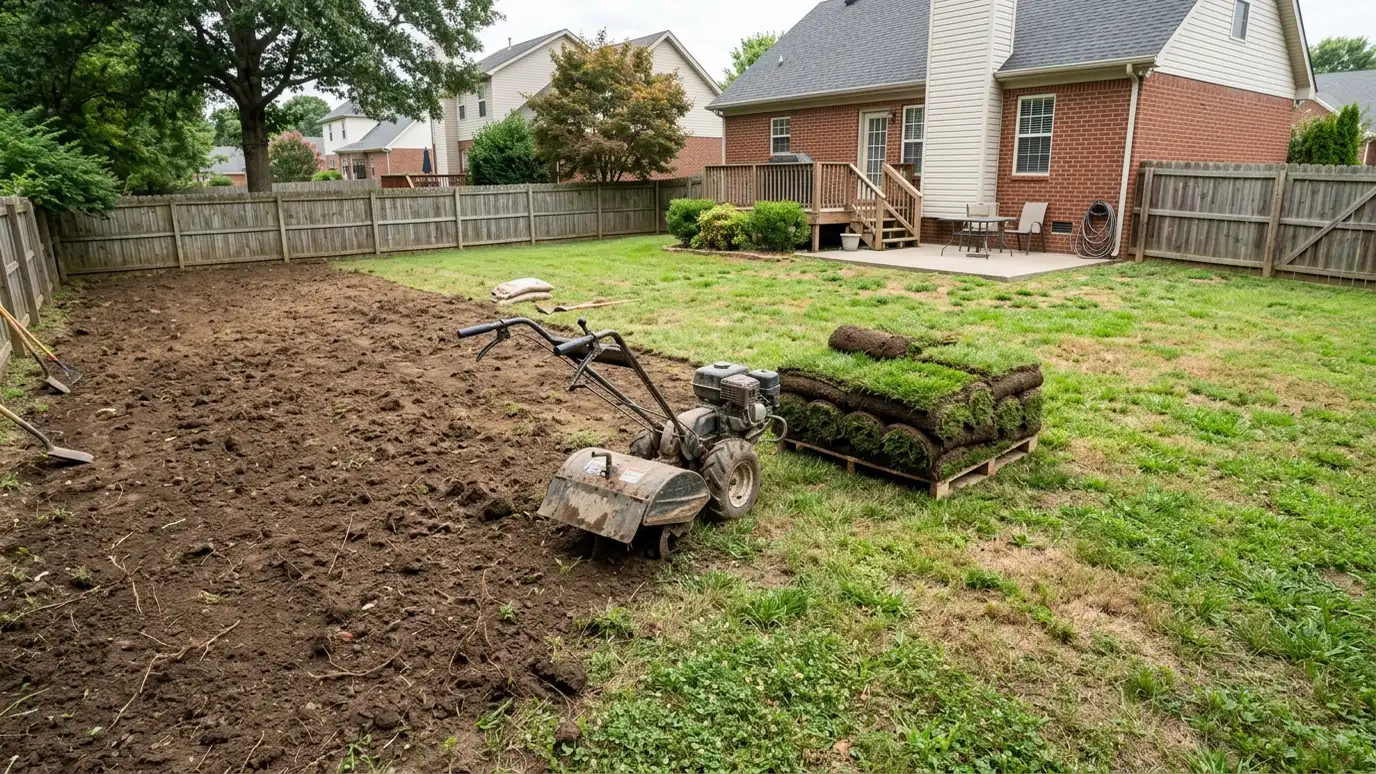 Lawn Renovation and RebuildsA full reset for lawns beyond repair: strip, grade, amend and replant with sod or seed for a…Explore
Tell us about your lawn and we will call you back to set up a visit.
Or call (615) 357-7797 to talk now.