What organic means
Organic lawn care focuses on soil health and uses natural or organic-based products. It relies on compost, organic fertilizers, thick turf and good habits rather than only synthetic inputs. It is a gradual approach.
Definitions vary, so ask what a program actually includes.
Ask each company for a clear definition of what they consider organic. The word is used loosely, and details matter.
Build the soil
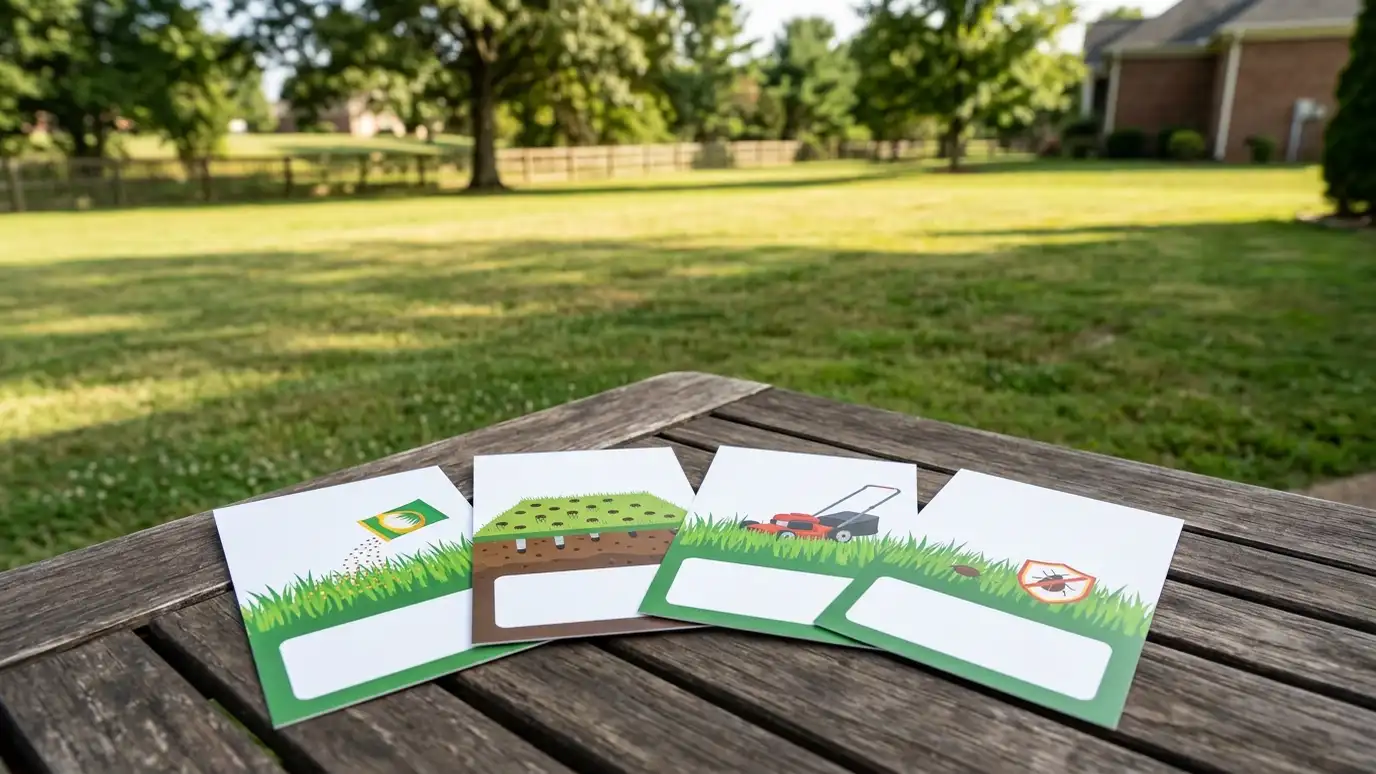
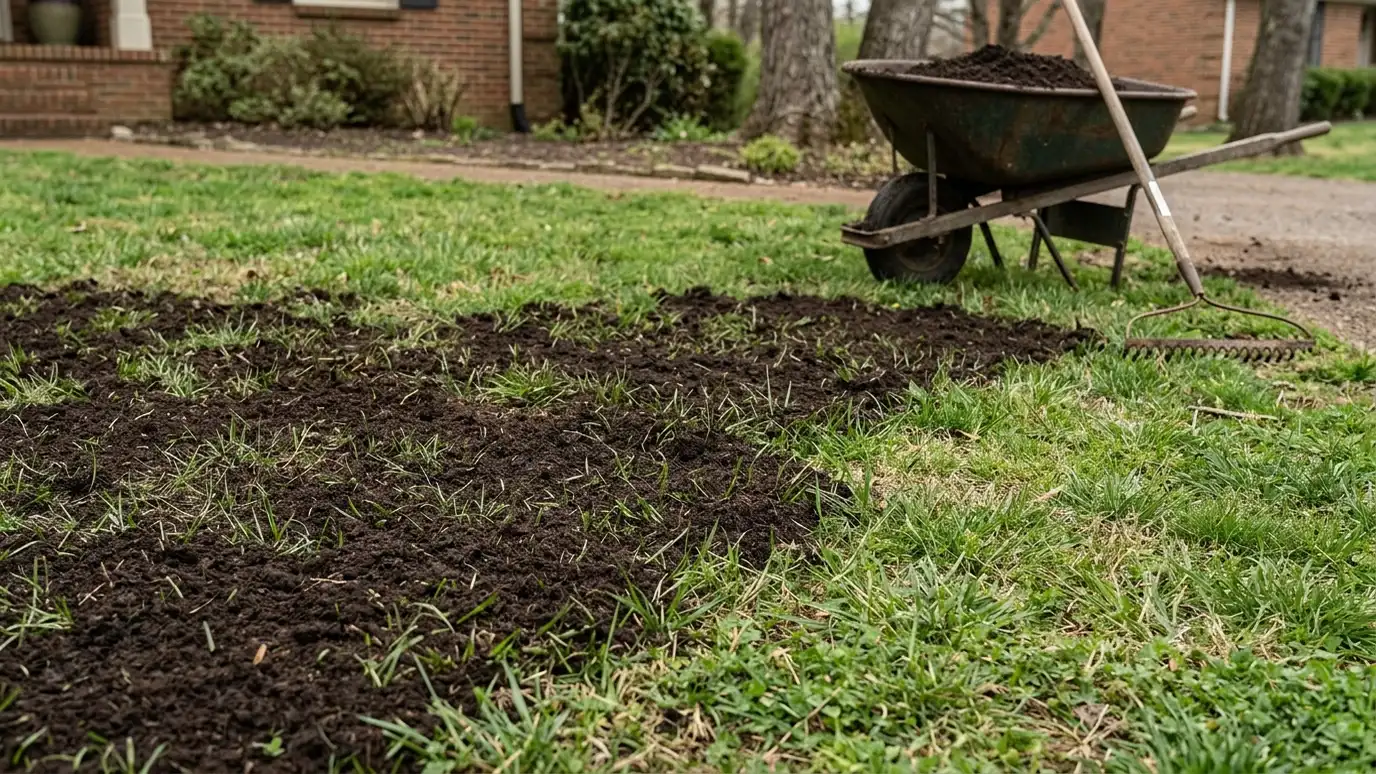
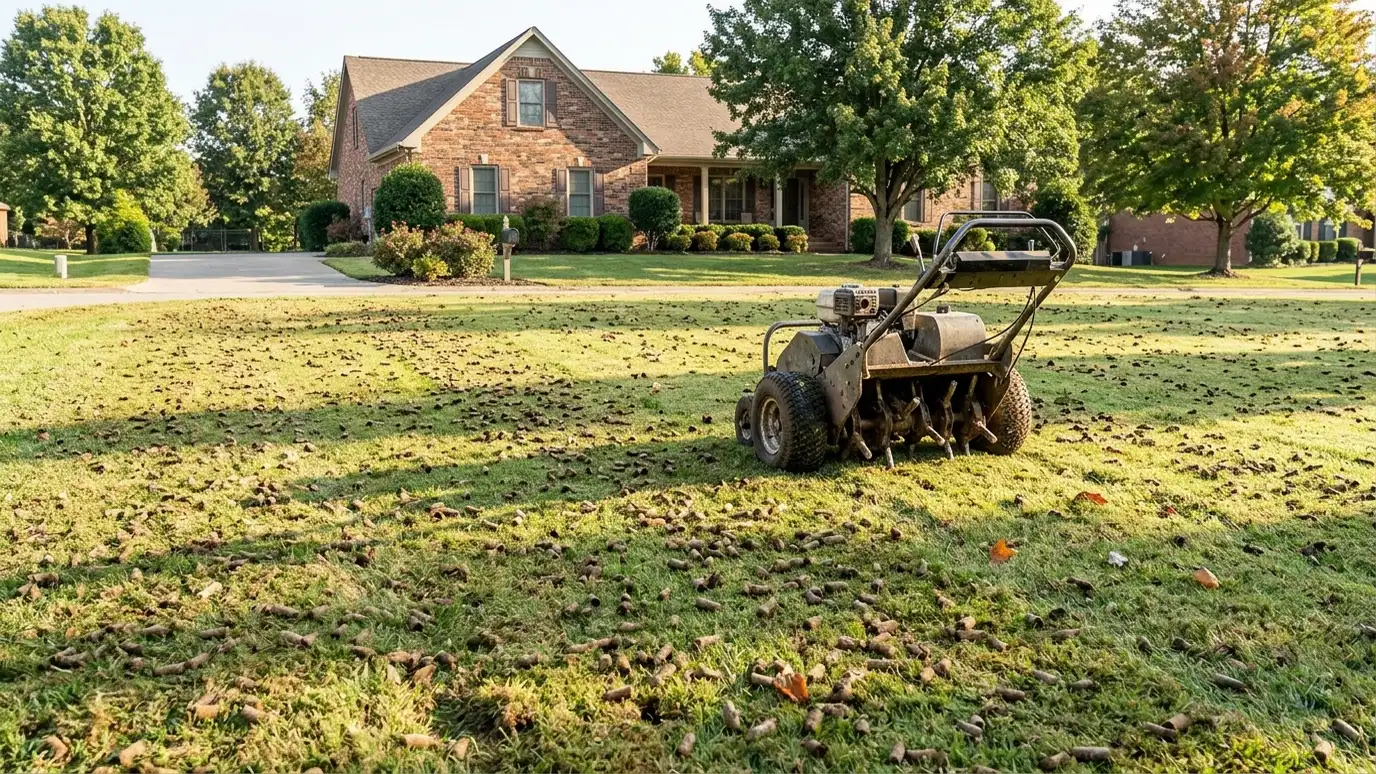
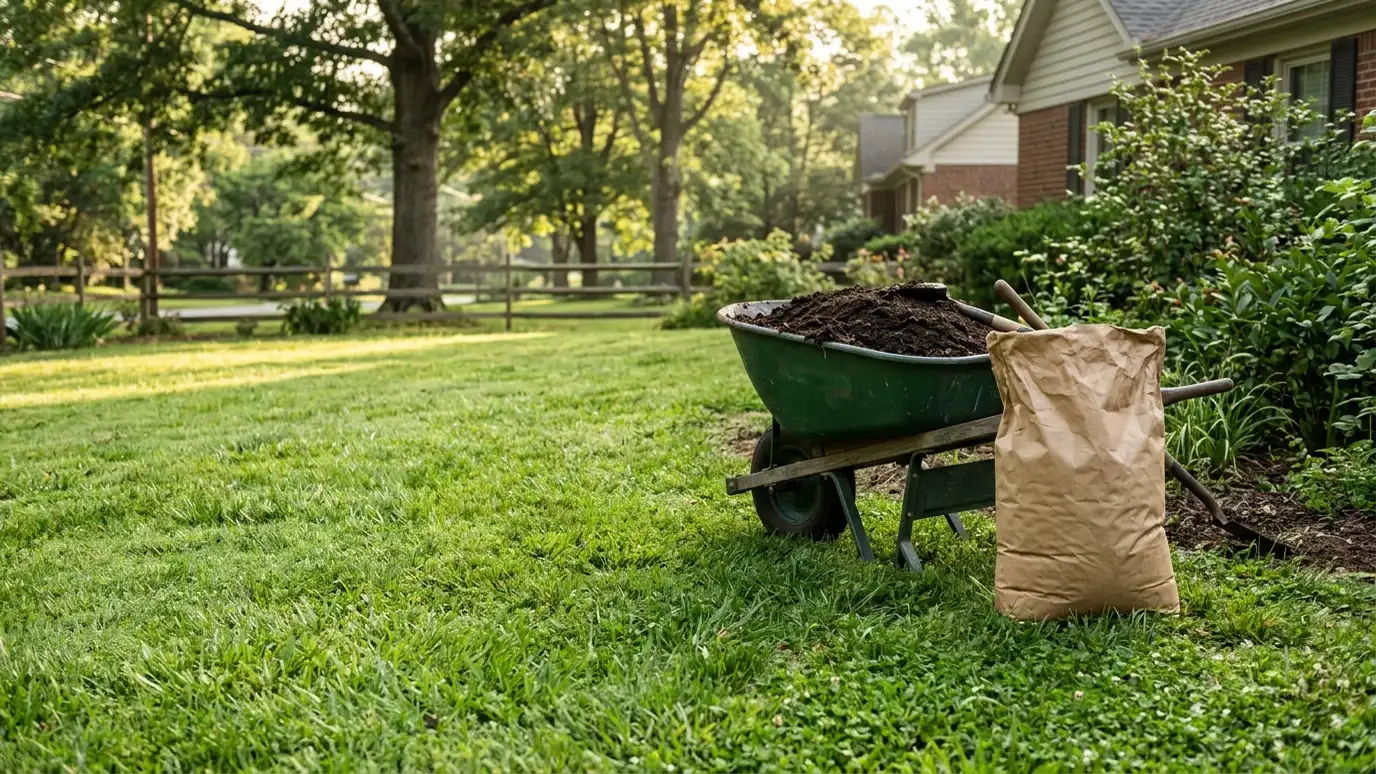
Core aeration, compost topdressing and returned clippings add organic matter and feed soil life. Over time, the soil holds water better and drains more freely, and roots grow deeper. This is the heart of the approach.
Expect it to take seasons, not weeks.
Start with a soil test and an aeration, then add compost. These are the simplest steps and give a good base.
Organic fertilizers
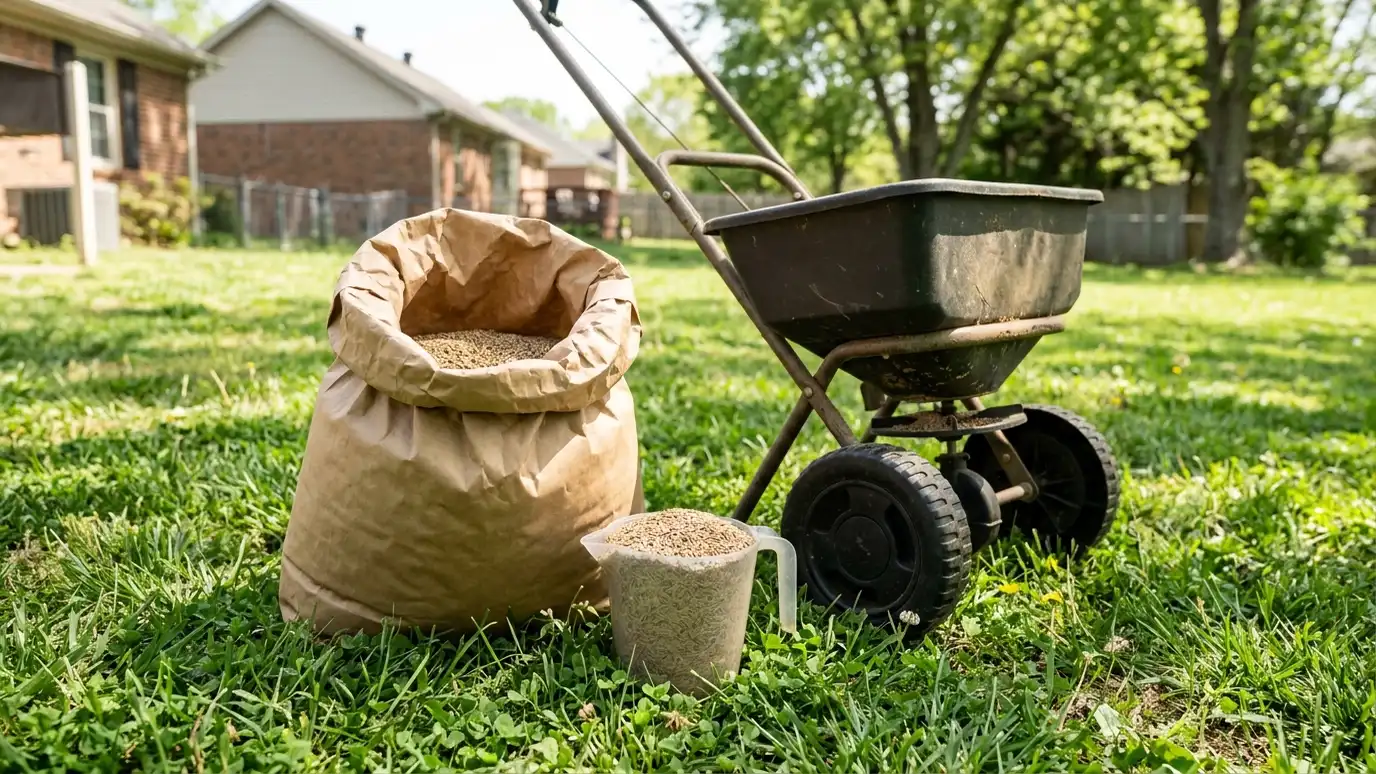
Organic products release nutrients as soil microbes break them down, so they feed gradually and are less likely to burn. They can cost more per round and act more slowly in cool weather. Timing still matters.
Some customers blend organic and slow release products.
Try an organic fertilizer on part of the lawn first. Comparing with the rest shows how it performs on your soil.
Weed control without blanket sprays
Thick turf, correct mowing height, overseeding and hand or spot treatment control many weeds. Corn gluten and other natural options have limited results. Be realistic about stubborn weeds.
A few weeds are part of a natural lawn.
Be patient with weeds in the first year. Spot treatment and thicker turf will shrink the problem over time.
Pests and disease
Healthy soil, correct watering and tolerant grasses reduce pest problems. Scouting guides action, and beneficial nematodes or other controls may help with certain pests. Some problems may need a different tool.
Follow label directions for every product you use.
Keep a close eye on pest signs and act early. Scouting makes natural controls more effective.
Water and mowing
Deep, infrequent watering and taller mowing support organic goals by building root systems and shading weeds. Grasscycling returns nutrients to the soil.
These habits help every lawn, organic or not.
Leave clippings on the lawn and mow high. Both are free and fit any approach.
Honest expectations
Organic lawns may show more variation, slower early results and occasional weeds. In return, you get improved soil and a lower-input approach. A hybrid plan is a practical choice for many families.
We help you design the mix that fits.
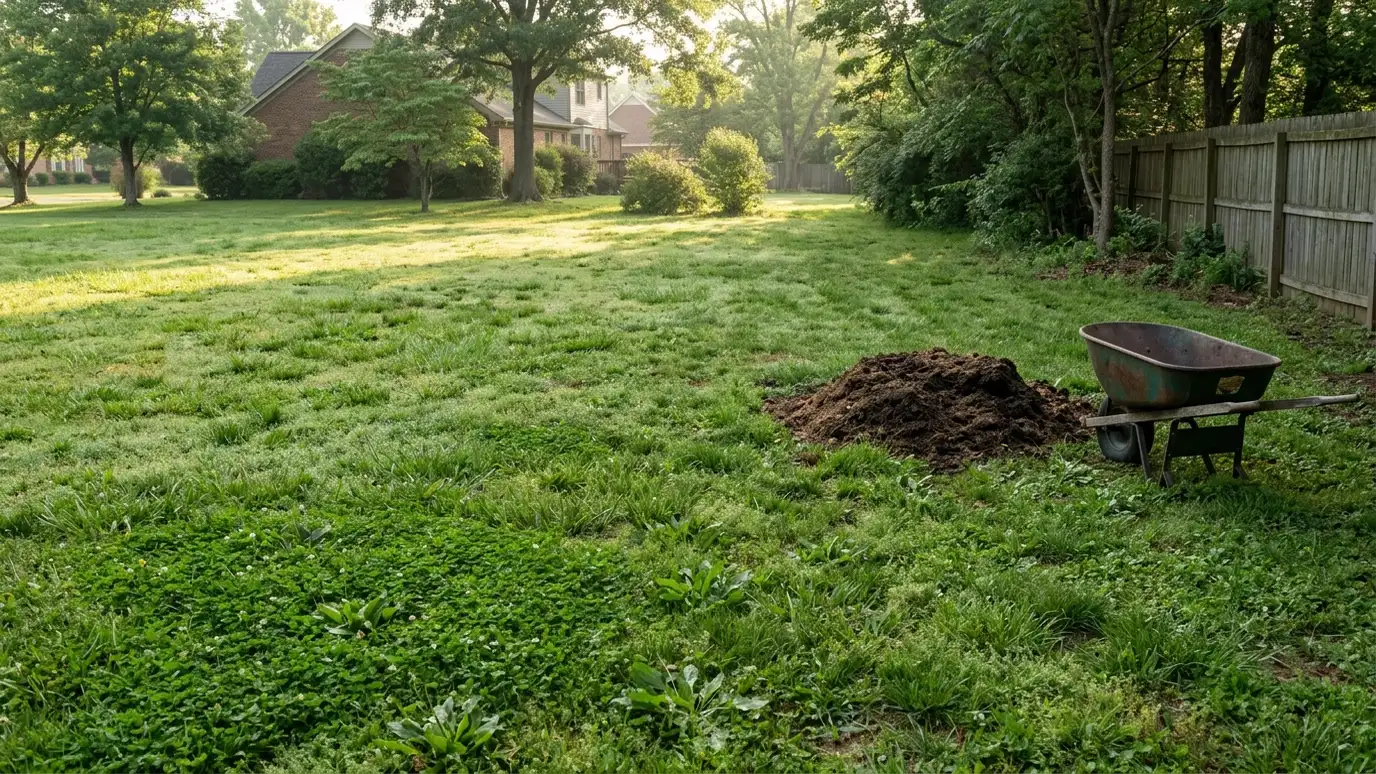
Set expectations with family and neighbors. A lawn with a few clover patches may look different but can be healthy and green.
Build the soil, be patient and choose the mix of organic and conventional steps that fits your goals.