A two-part plan to stop crabgrass before it sprouts and clean up what escapes, so thin spots do not turn into weed patches.
Crabgrass is the lawn invader every Tennessee homeowner knows. It sprouts from seed each spring, loves heat and thin turf and spreads into wide, light green mats by midsummer. A single plant can produce thousands of seeds, so what you leave this year becomes next year's problem. The good news is that crabgrass is manageable when you combine good timing with thick grass. Stopping it before it starts is much easier than removing it after it spreads.
Our plan starts with a pre-emergent barrier in late winter or early spring, timed by soil temperature, and a follow-up round to cover the long summer. For the plants that break through, we use a selective post-emergent product that is safe for your turf type, applied while the crabgrass is young. We also look at the conditions that invite it in, such as low mowing, thin areas along driveways and compacted soil, and recommend fixes like overseeding and a taller mowing height so the lawn naturally crowds crabgrass out.
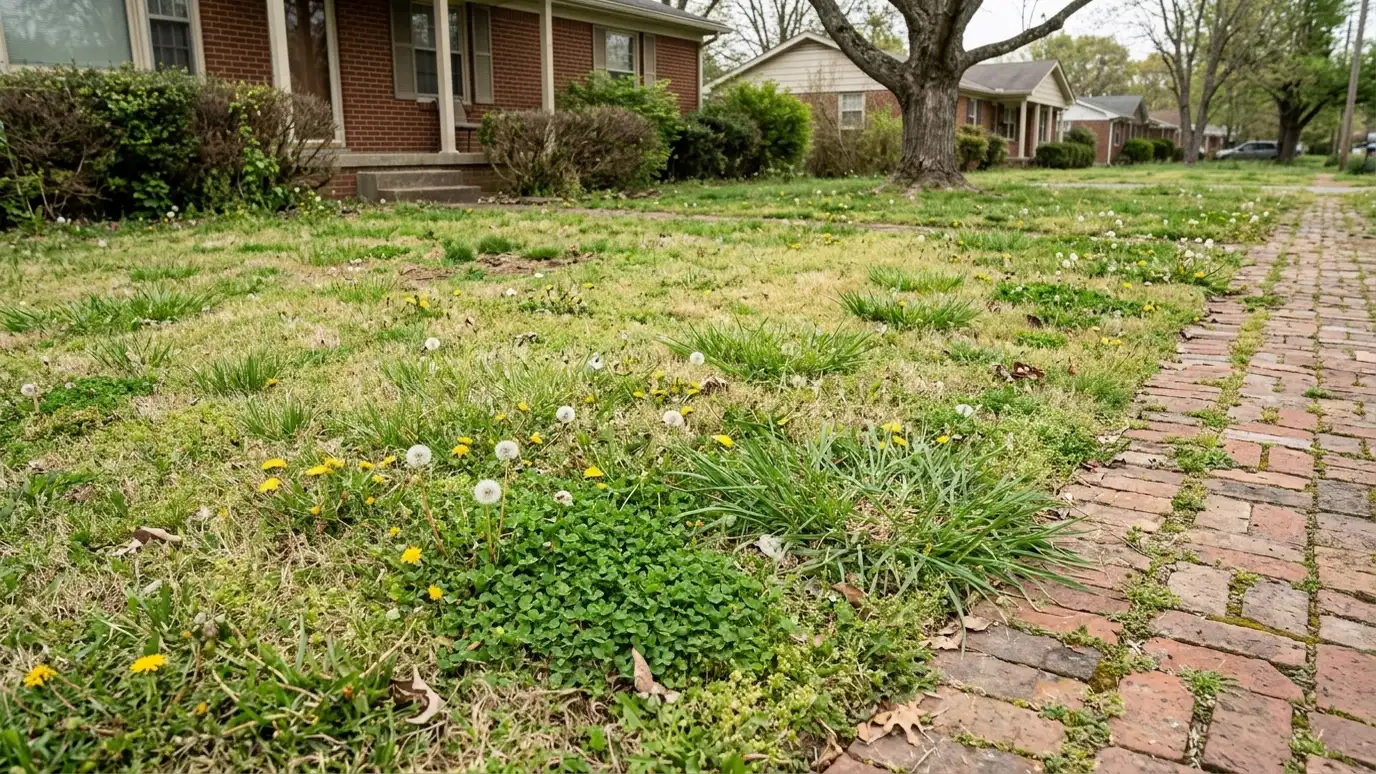
A pre-emergent barrier applied by soil temperature stops most seeds before they sprout.
A selective product applied while crabgrass is young clears it without harming your grass.
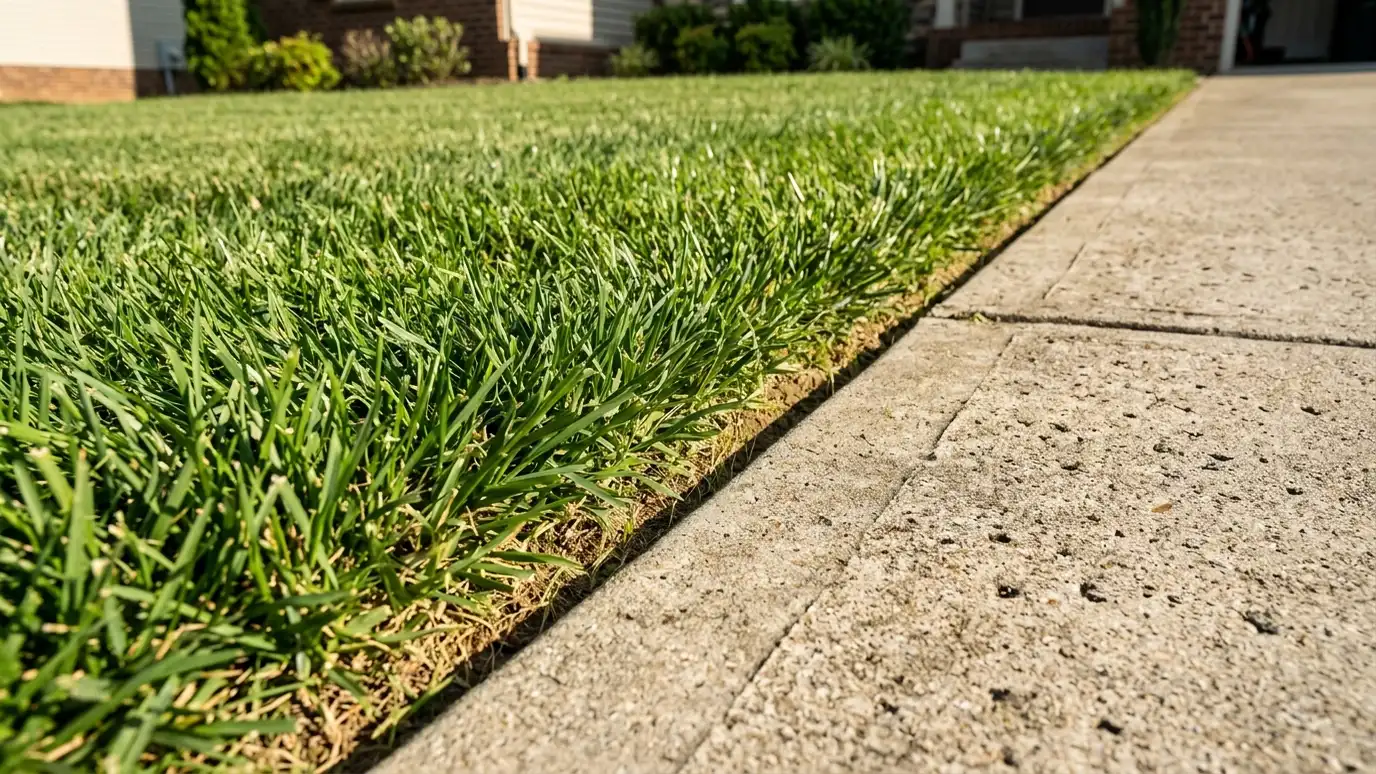
Driveway and sidewalk edges are warm and thin, so crabgrass loves them. We watch these areas closely.
Taller mowing and overseeding reduce the bare soil where crabgrass can start.
Drag the handle to compare.
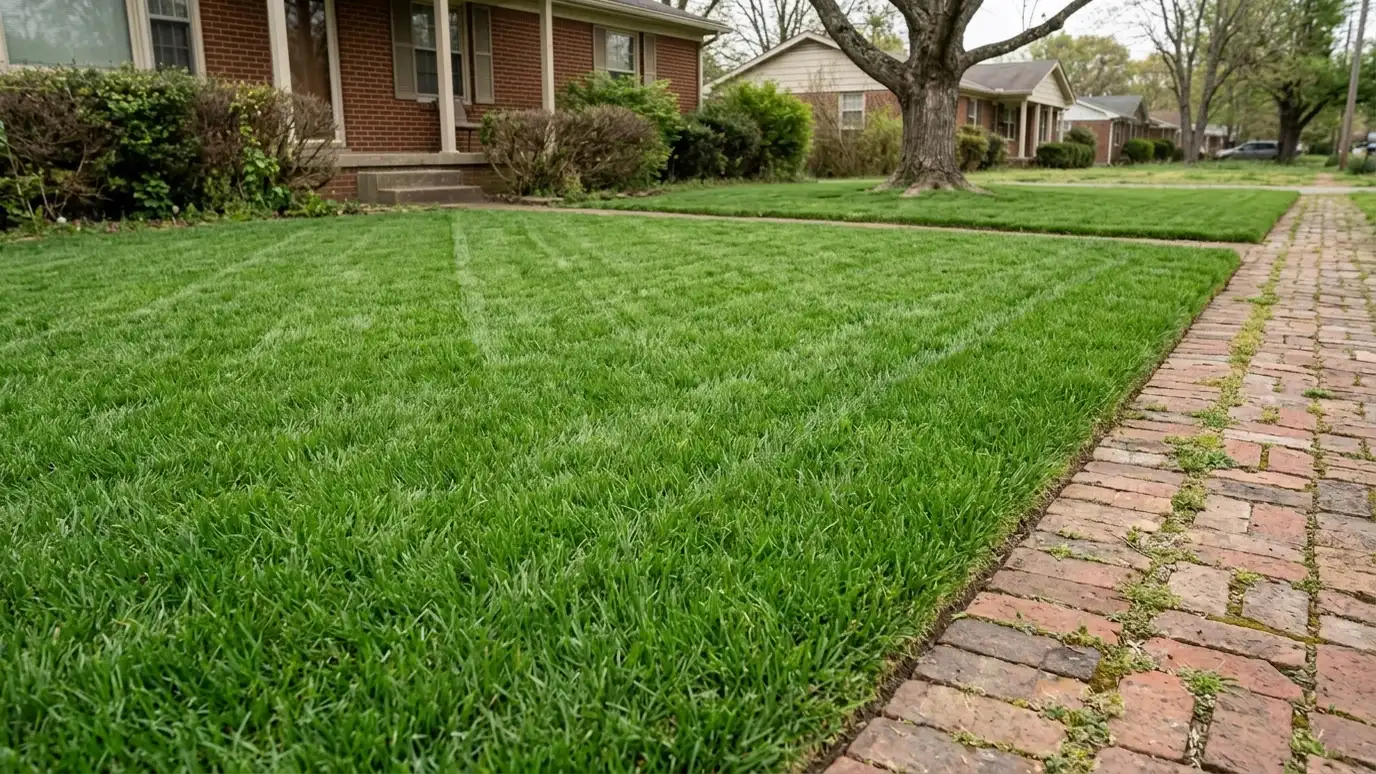
 BeforeAfter
Pre-emergent barrier.
Selective control.
Soil temperature.
Driveways and walks.
Natural defense.
Mowing and watering.
Every topic has its own page with what to expect and how we approach it.
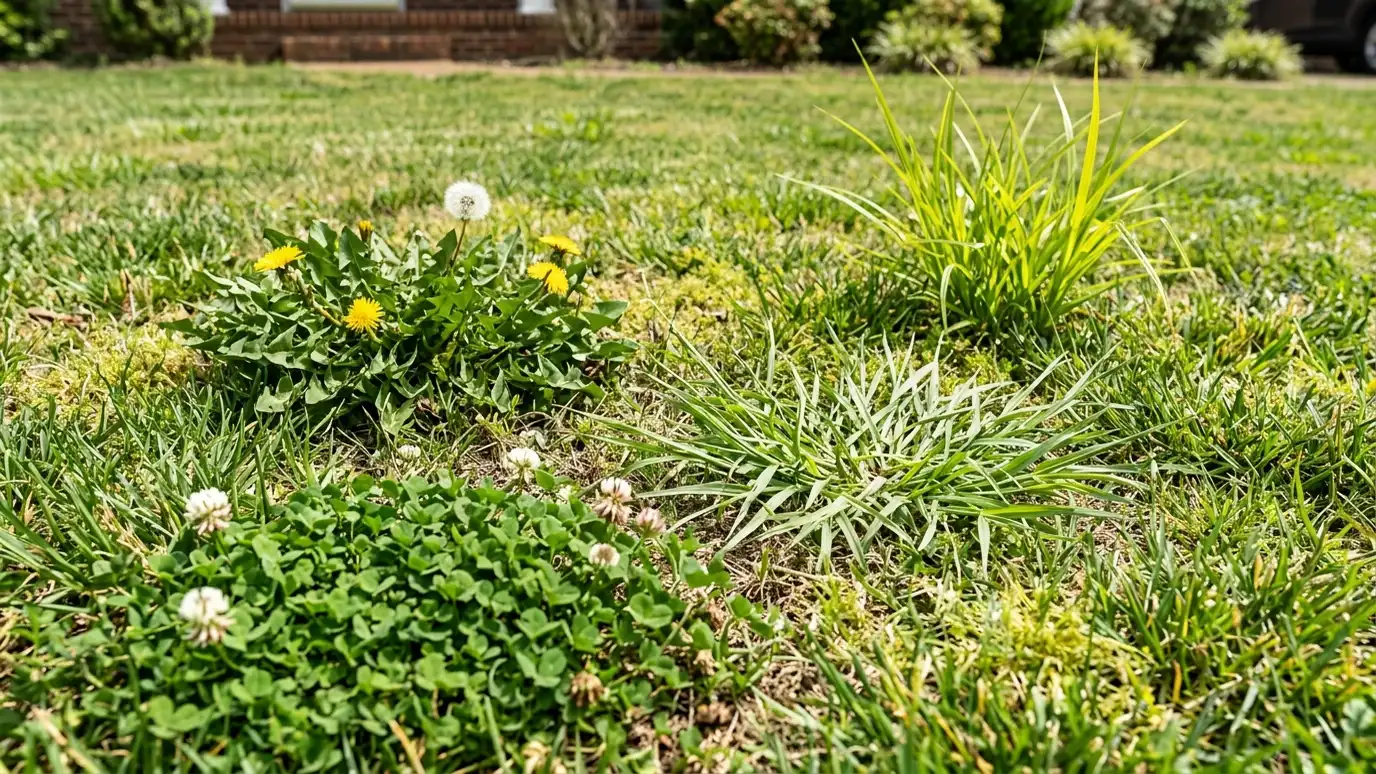 Topic guideWeed Types and ControlsCrabgrass, dandelion, clover, nutsedge, chickweed and more: how to tell them apart and what controls each.Learn more
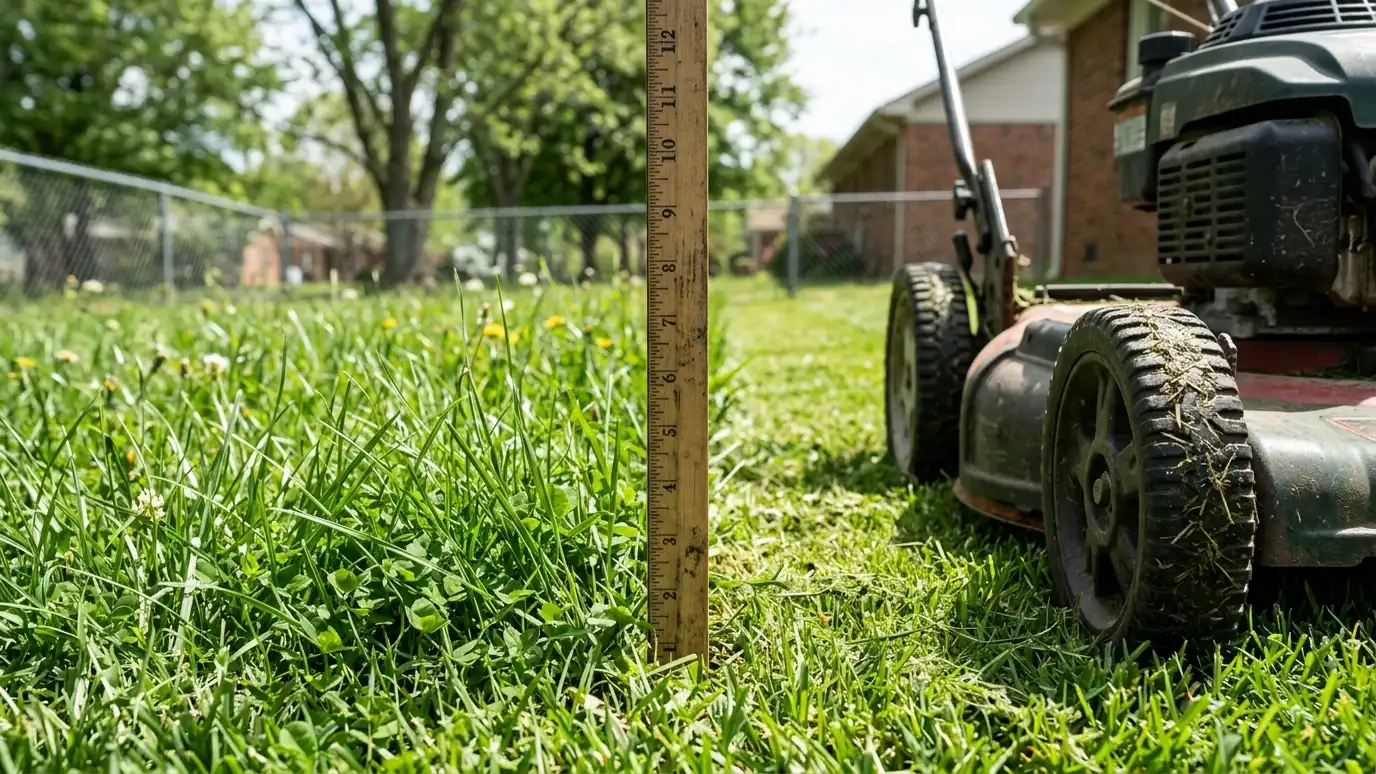 Topic guideMowing Heights and ScheduleThe right cutting height by grass type and season, how often to mow and the one-third rule that…Learn more
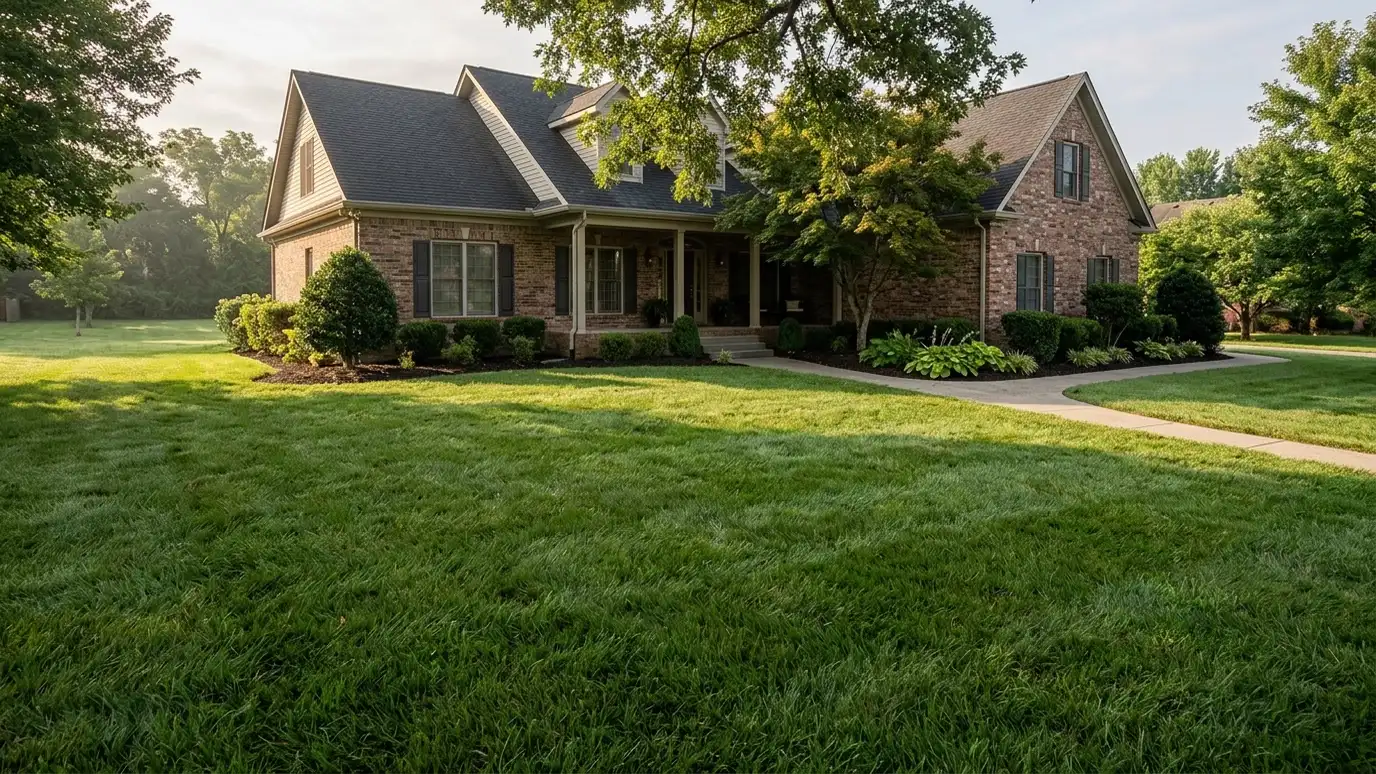 Lawn typeTall Fescue LawnsThe most common Middle Tennessee lawn: deep green, fine to medium texture and happiest in the cool seasons…Learn more
Choose your grass type and program level to see which treatments happen in each season of the year.
You tell us about your lawn and what you want to change, from weeds to a full program, and we set a visit that fits your day.
We walk the lawn, identify the grass, check the soil, weeds, pests and drainage and talk through your goals.
We build a calendar of treatments for your grass type and give you an itemized written estimate with options.
Visits are scheduled by season and weather, and any gates, pets or irrigation are noted.
Crews apply products and perform services with calibrated equipment and leave notes after each visit.
Each season we review the results with you and adjust the plan for the next one.
It sprouts as soil warms in spring and grows fastest in summer heat.
It is an annual that reseeds. Stopping seed production and thickening turf reduces it each year.
Yes, with a post-emergent product safe for your turf. Younger plants respond better.
Mowing taller keeps the soil shaded and makes it harder for crabgrass to start.
Pavement heats the soil and the grass there is often thin, which crabgrass likes.
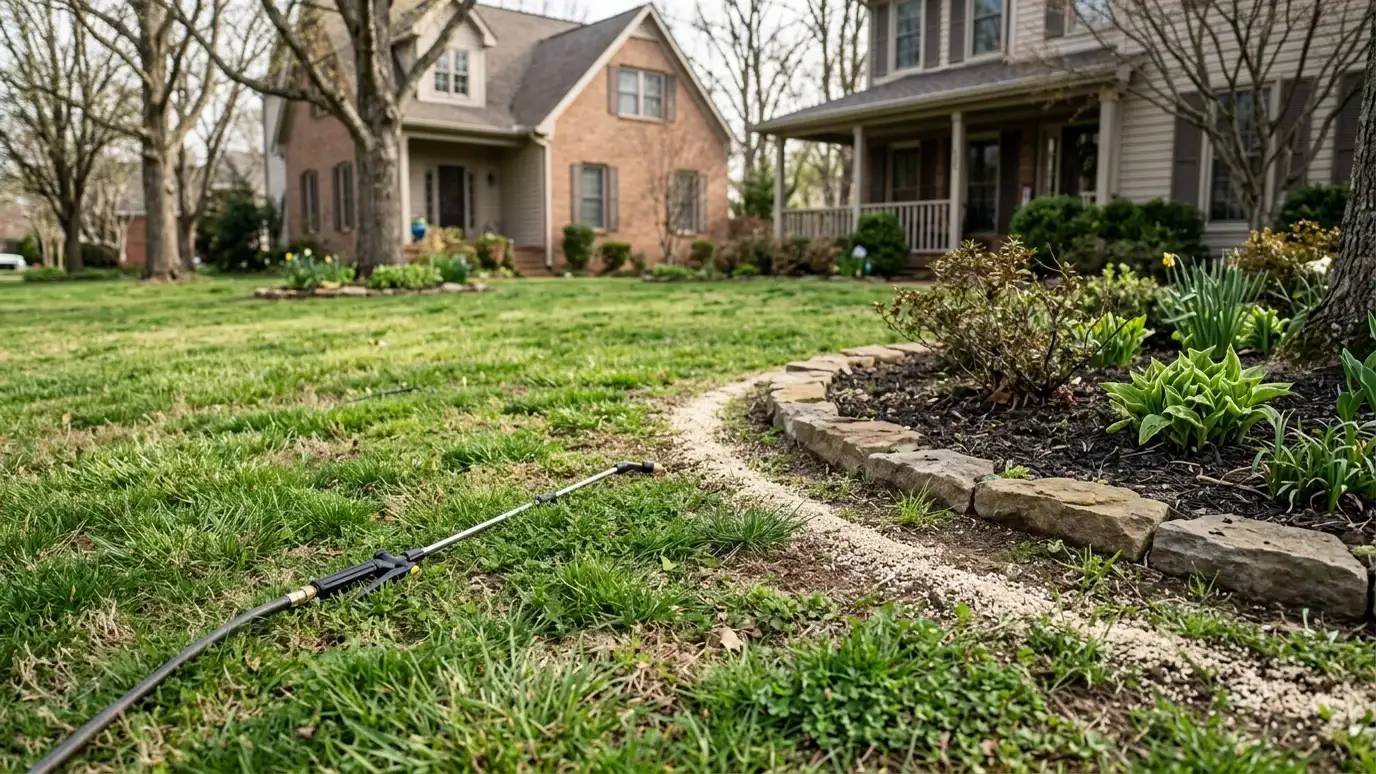 Pre-Emergent Weed ControlA timed barrier applied before weed seeds sprout, to stop crabgrass and other summer weeds before they start.Explore
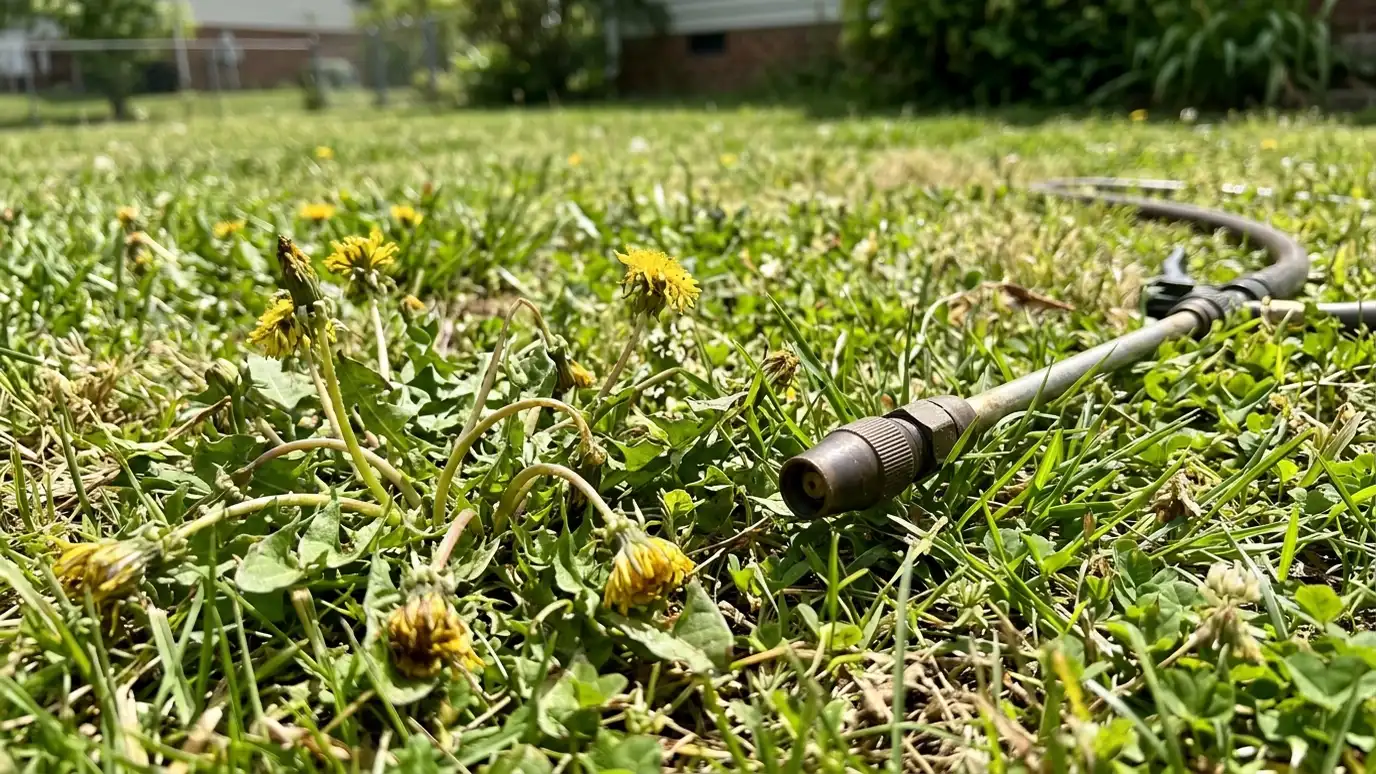 Post-Emergent Weed ControlTargeted treatments for weeds that are already growing in your lawn, matched to the weed and the turf.Explore
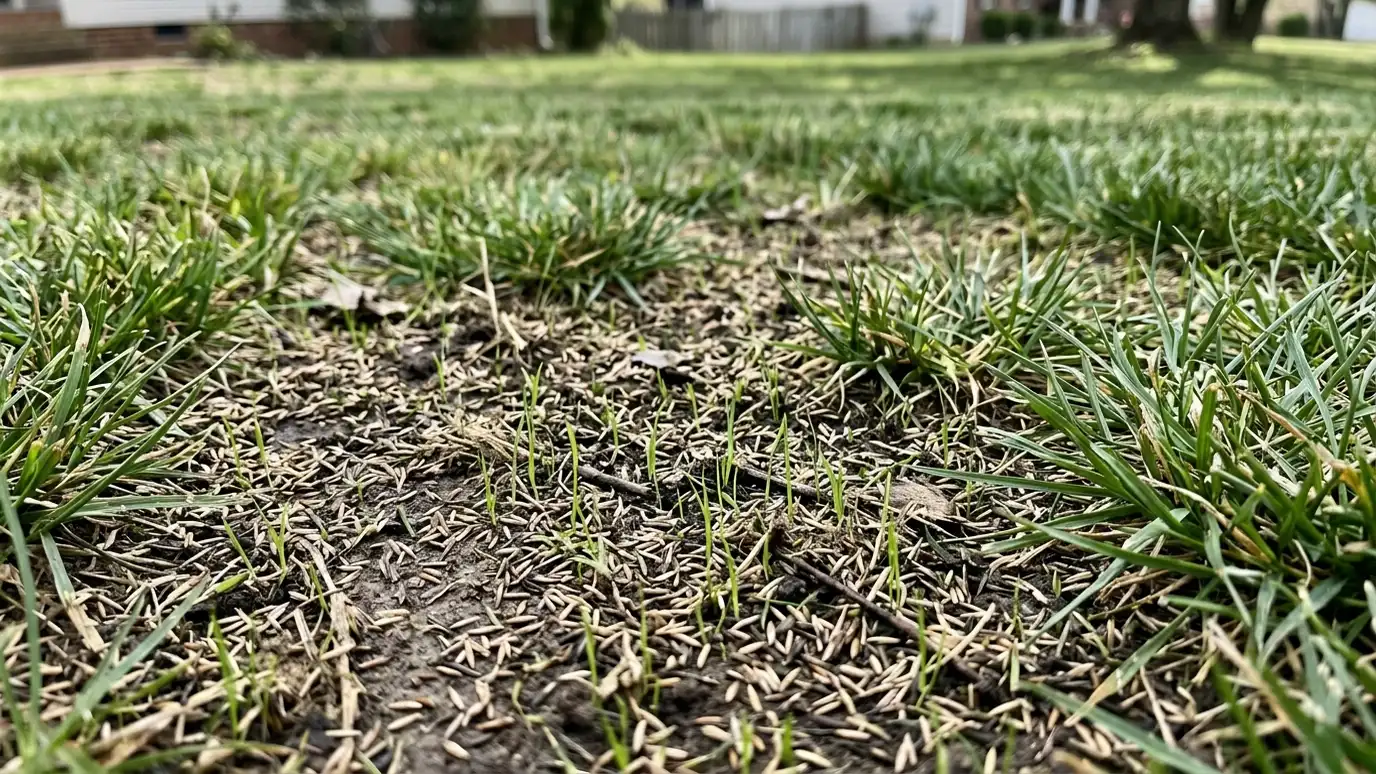 OverseedingNew seed spread across your existing lawn to thicken thin areas, repair summer damage and renew aging turf.Explore
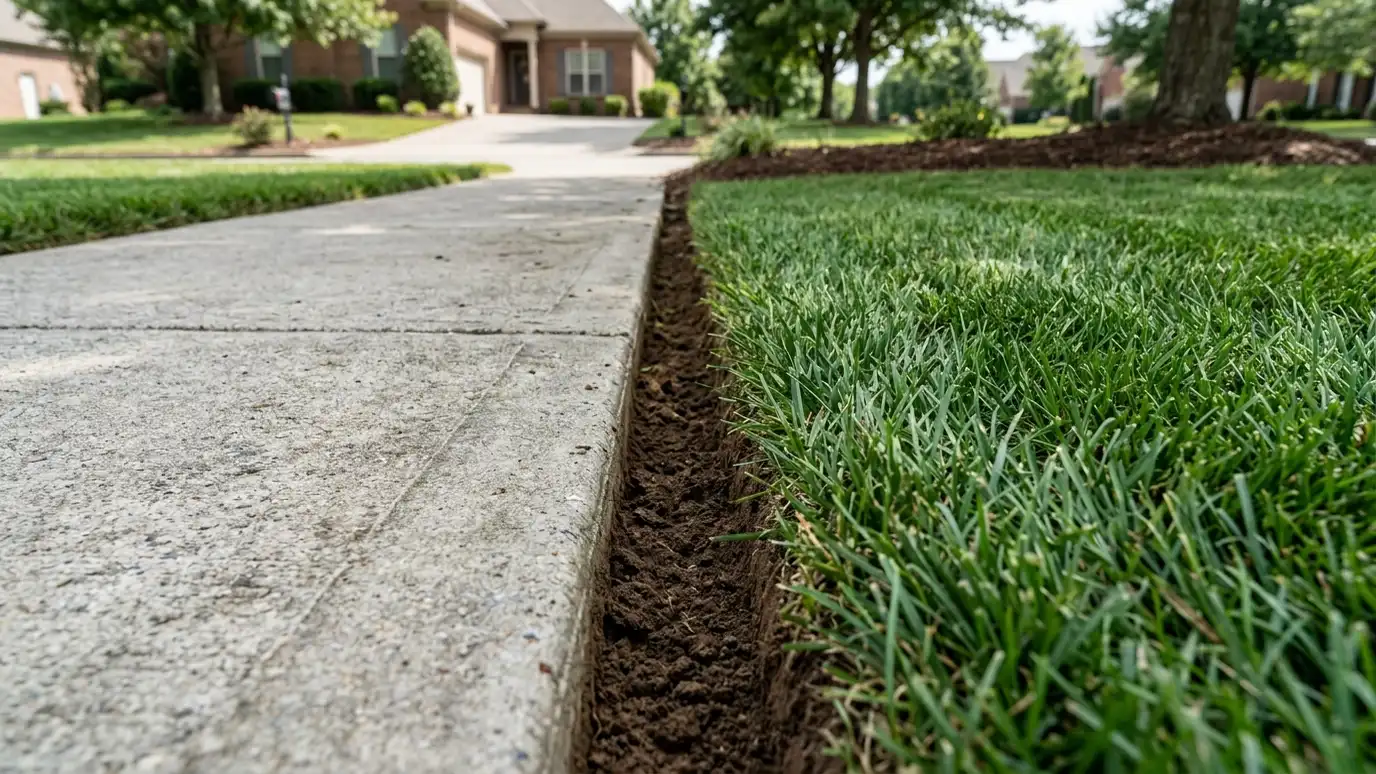 Edging and TrimmingCrisp, defined edges along walks, drives and beds, with trimming around fences, trees and structures.Explore
Tell us about your lawn and we will call you back to set up a visit.
Or call (615) 357-7797 to talk now.