Programs come in levels
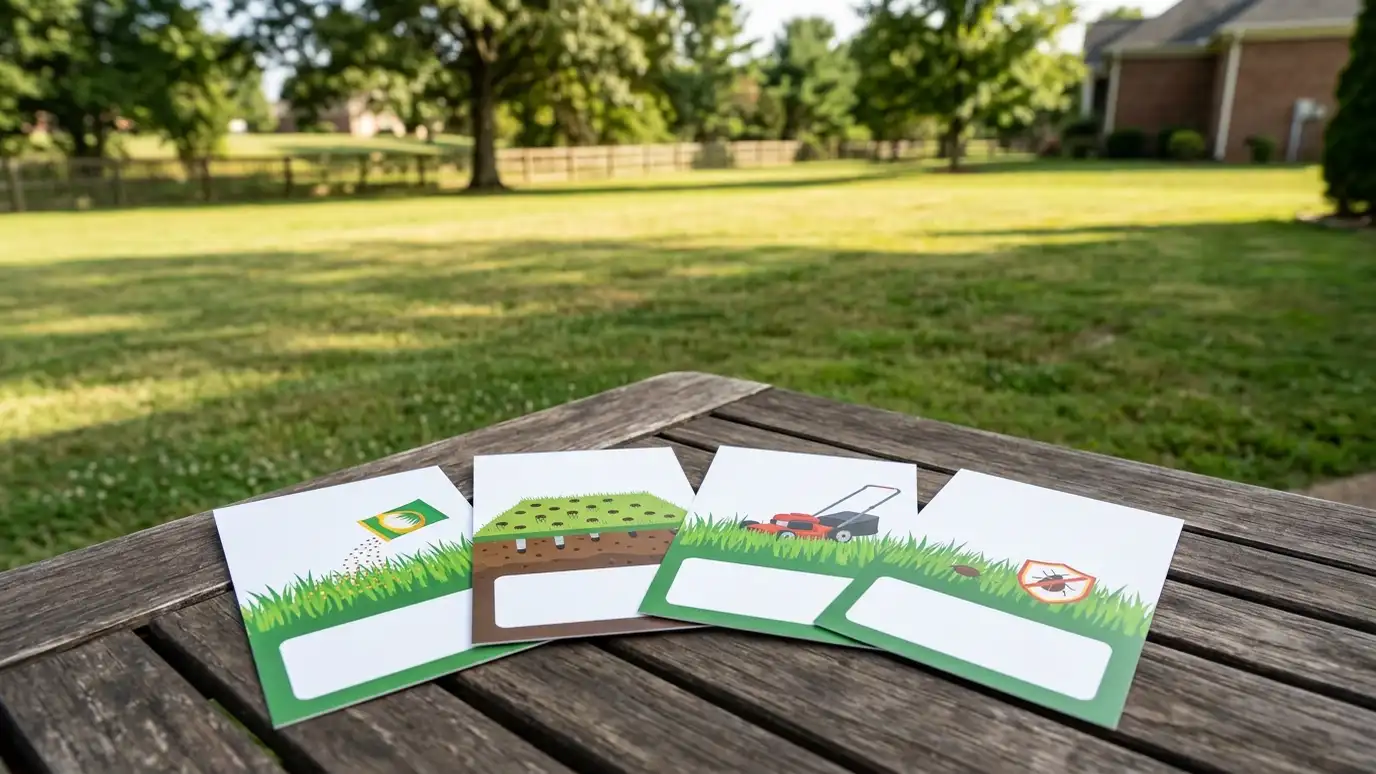
Most lawn care programs fall into a few levels. A basic program covers fertilization and weed control. A standard program adds aeration and overseeding or grub prevention. A premium program adds disease control, soil improvement, mowing and bed care.
None is right for everyone. The question is what your lawn needs to meet your goals.
Think of the levels as starting points, not boxes. Most good companies will move services in and out of a plan to fit your lawn, and you should feel free to ask.
Start with your lawn
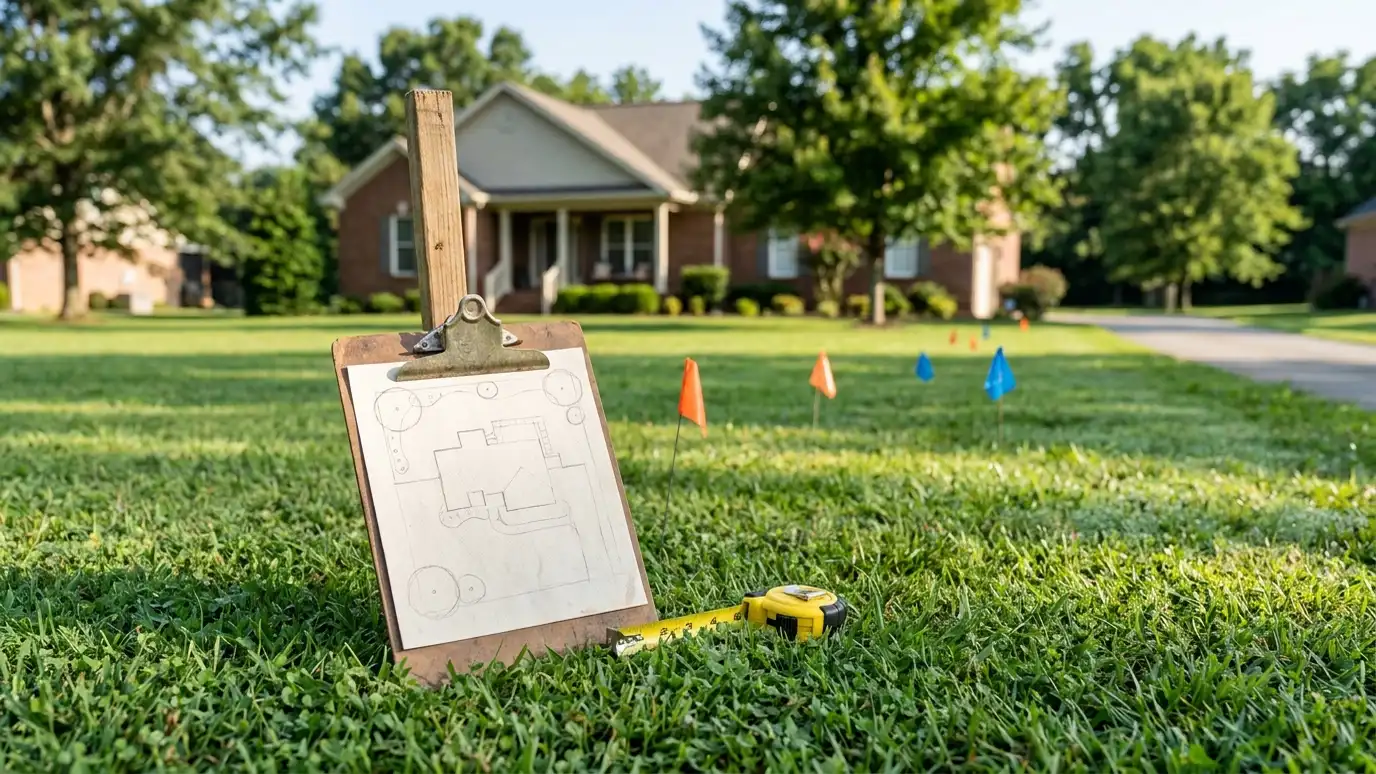
A healthy lawn that you only want to maintain needs less than a thin, weedy lawn you want to transform. Shade, slope, soil and turf type all matter. A soil test and a walk of the yard give you the facts.
Choosing a program without those facts is guessing.
A walk with the person who will plan your program, rather than a phone quote, gives the most accurate picture and avoids both overselling and under-treating.
Match your goals
A show lawn calls for more visits and more services. A family yard needs durable turf and pet-friendly timing. A rental needs reliability and low cost. Be honest about what matters to you, and how much time you want to spend.
Your goals decide where the money goes.
If you are unsure of your goals, describe how you use the yard. Someone who hosts parties on the lawn will make different choices from someone who only wants it tidy from the street.
Think in seasons
The most valuable services are tied to seasons. Late winter prevention, spring feeding, early summer grub control, fall aeration and seeding and late fall winterizing each matter. A plan that covers them all is stronger than one that repeats the same product.
Ask to see the calendar, not just the price.
If your budget is limited, ask which services give the biggest change for the cost. Often, one well-timed fall service does more than several small ones.
Start essential, add later
You do not have to buy everything at once. Many customers begin with fertilization and weed control and add aeration and overseeding in the fall. As the lawn improves, you can scale back the extras.
Phasing keeps the cost manageable without giving up good timing.
It is perfectly reasonable to start with a single season. Once you see the results and the communication, you can decide whether to continue the plan.
Watch for red flags
Beware of programs that promise perfect results, apply the same product every visit or never ask about your lawn. Be cautious of high-pressure sales and of long contracts without clear terms.
A good company explains and listens rather than pushes.
Be wary of anyone who dismisses your questions or avoids written details. A program you cannot read is a program you cannot judge.
Review each year
A lawn changes, and so should the program. After a season or two, you may be able to reduce services or need to add a new one. Ask for a short review each year.
The goal is the lawn you want at a cost you are comfortable with.
Keep an eye on thickness, color and weeds each season. If those are improving, the program is working, and you can discuss trimming extras.
Choose the program that matches your lawn and goals, start with the essentials and review it every season.