Shaping, thinning and renewal pruning at the right time of year, so shrubs stay healthy, neat and in scale with your home.
Shrubs frame your home, and overgrown ones can swallow windows, block walkways and hide the house. Pruning at the wrong time can cost you flowers or damage the plant, so timing matters as much as technique. In Middle Tennessee, spring bloomers such as azaleas, forsythia and lilacs should be pruned right after they flower, while summer bloomers and evergreens follow their own schedules. Hedges like boxwood and holly need regular shaping to stay dense and tidy.
Our crews shape formal hedges with sharp, clean tools, thin overgrown shrubs to restore their natural form and carry out renewal pruning on plants that have gotten too large. We follow plant-specific timing, make cuts that encourage healthy regrowth and remove clippings when we finish. We also advise when a shrub is simply too large for its spot and would be better replaced. Regular trimming keeps your landscape in scale, improves airflow that reduces disease and makes your home look well maintained. We also keep a light touch where it counts, because good pruning should look natural rather than butchered, and it is usually better to take off a little each season than to cut hard every few years.
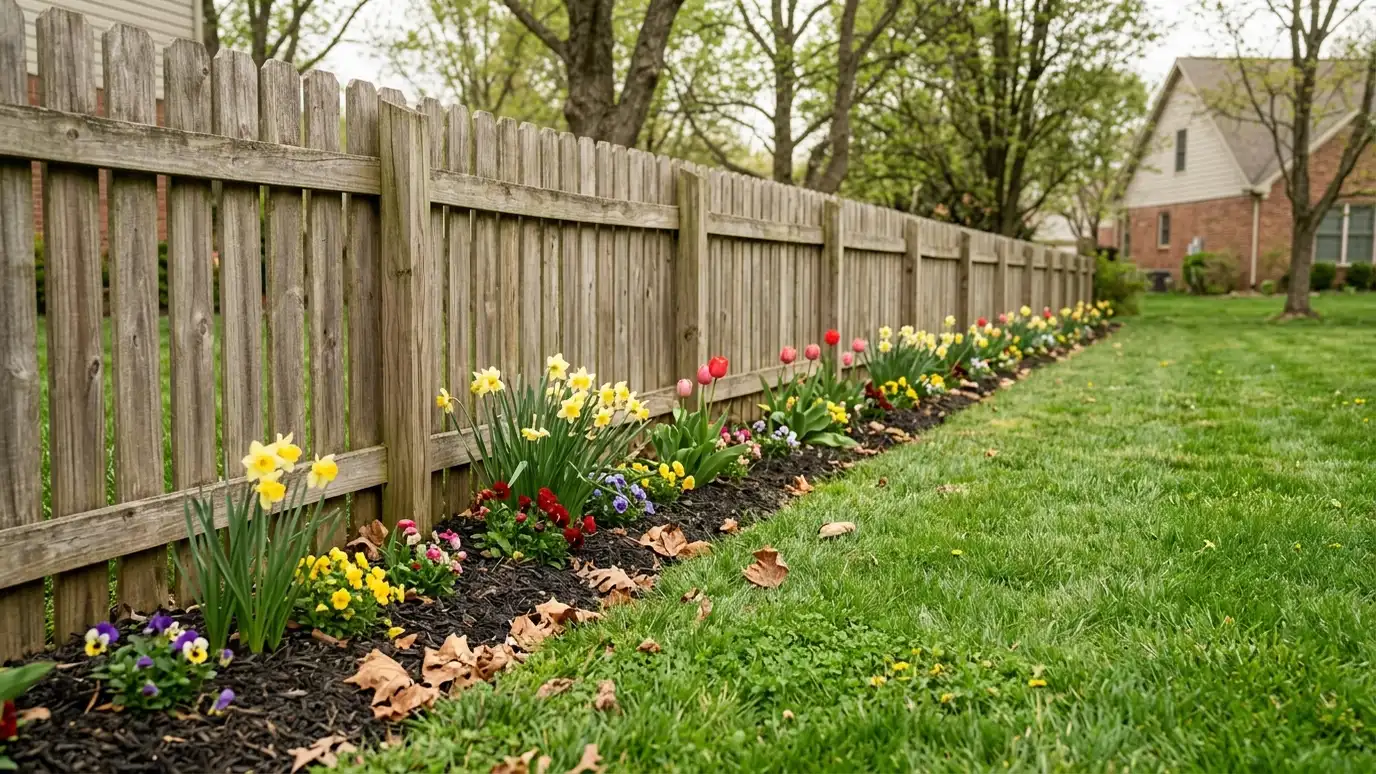
Spring bloomers are pruned after flowering, and evergreens and summer bloomers follow different schedules.
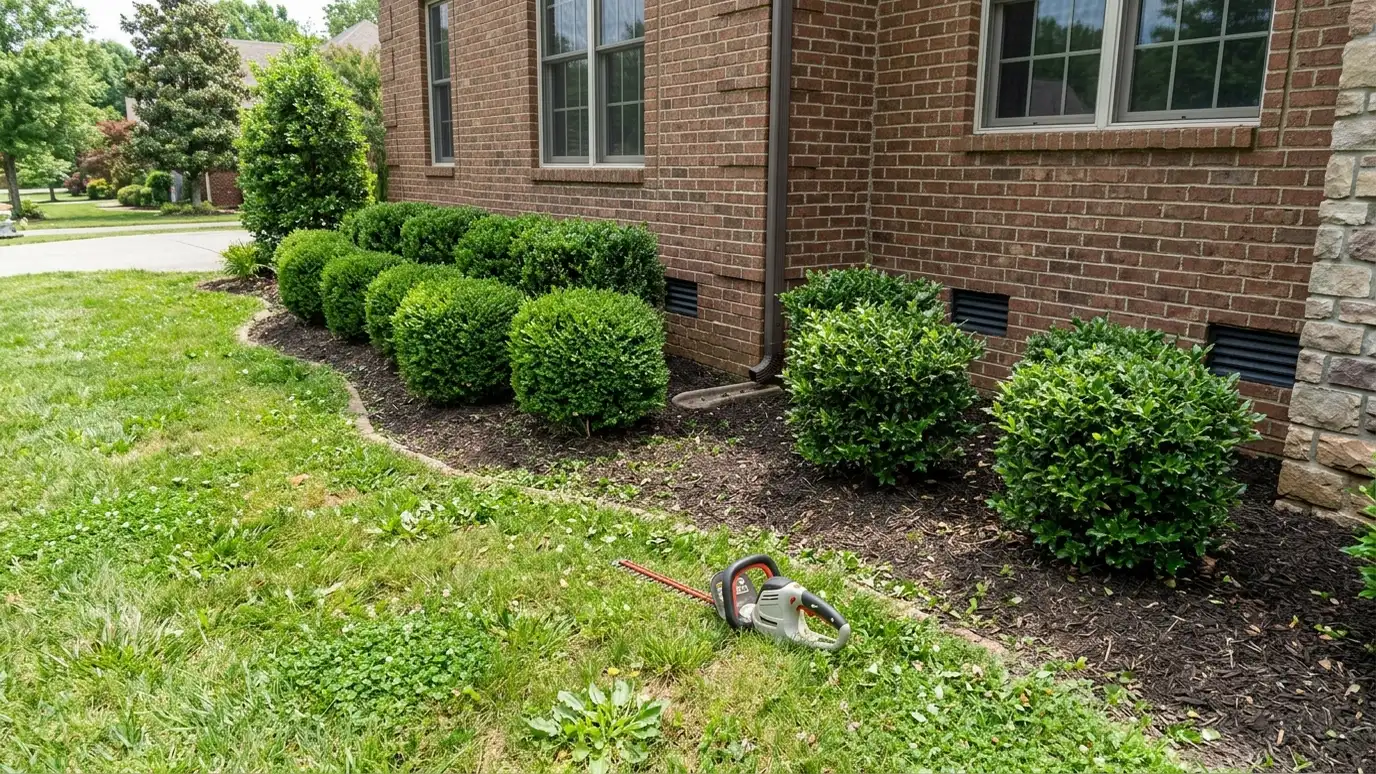
Formal hedges are sheared, and natural shrubs are thinned to keep their form and let air in.
Overgrown shrubs can often be cut back in stages to bring them back in scale.
Sharp tools make healthy cuts, and clippings are removed when we are done.
Drag the handle to compare.
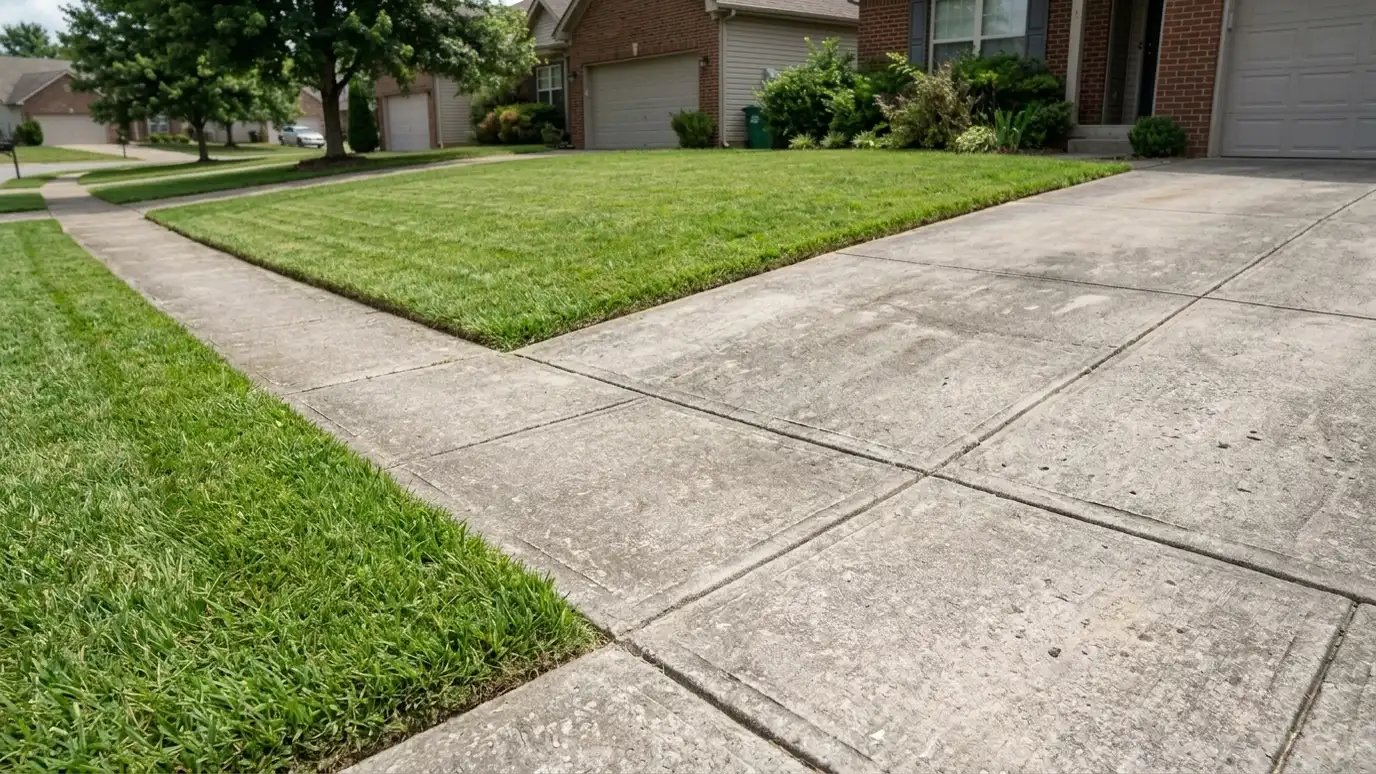
 BeforeAfter
Plant by plant.
Prune after flowering.
Your choice.
Back in scale.
Less disease.
Clippings removed.
Every topic has its own page with what to expect and how we approach it.
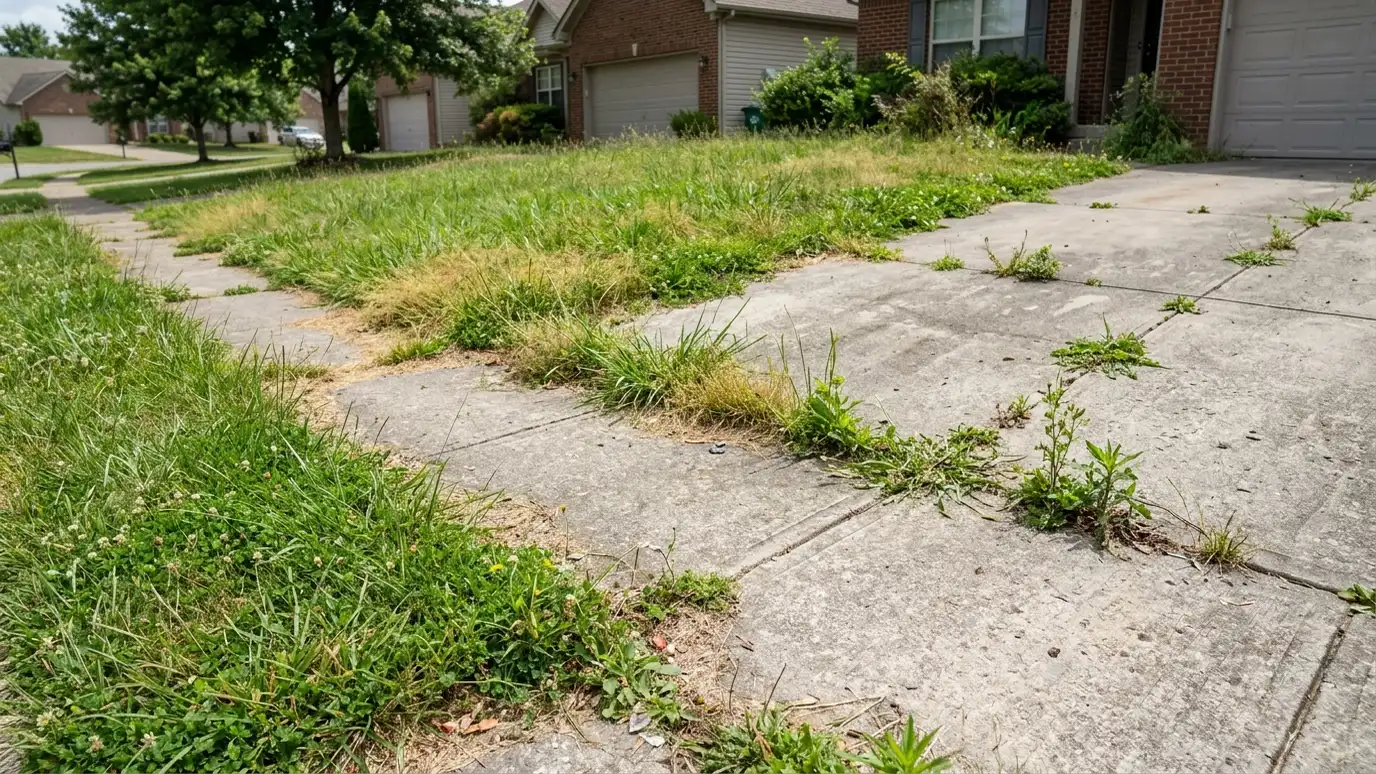
 Lawn typeLow-Maintenance LawnsA tidy, healthy lawn that asks for less: fewer inputs, simple routines and realistic expectations.Learn more
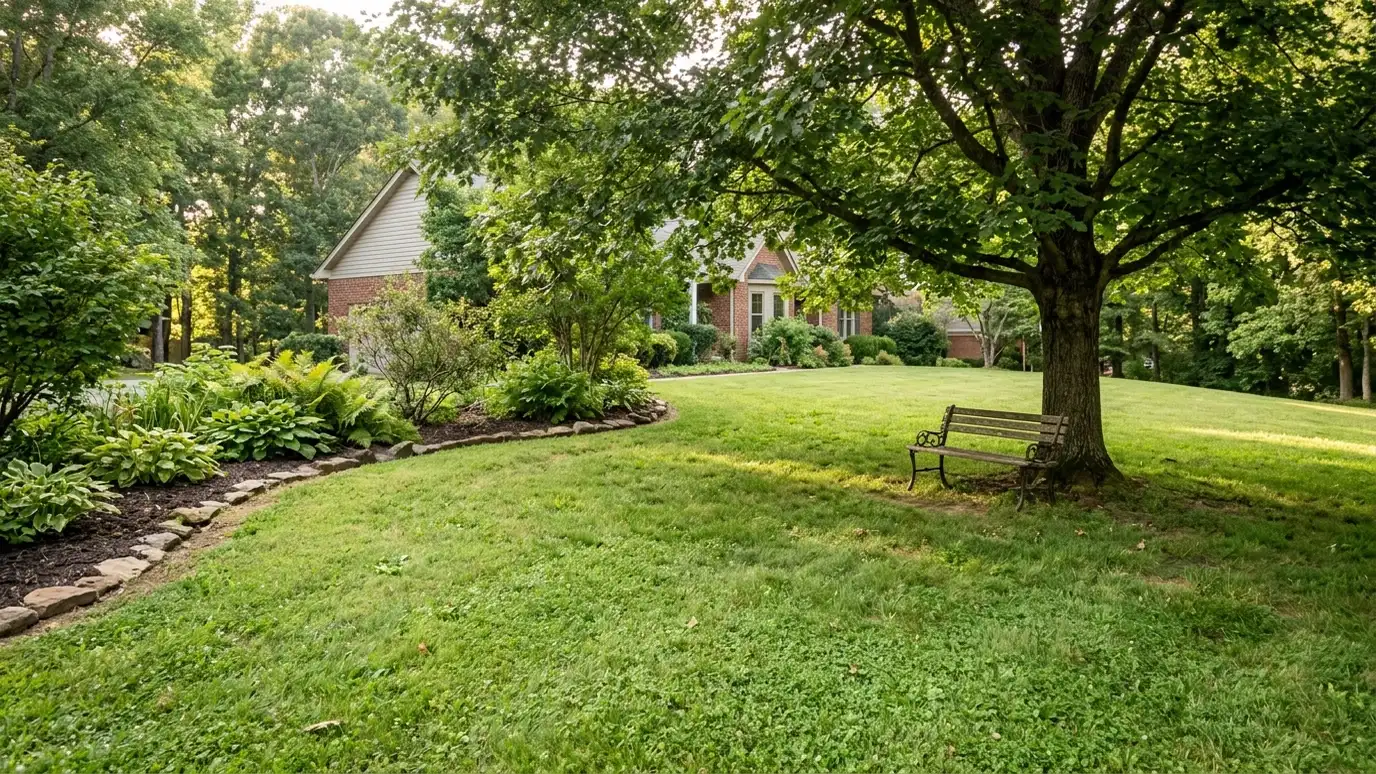
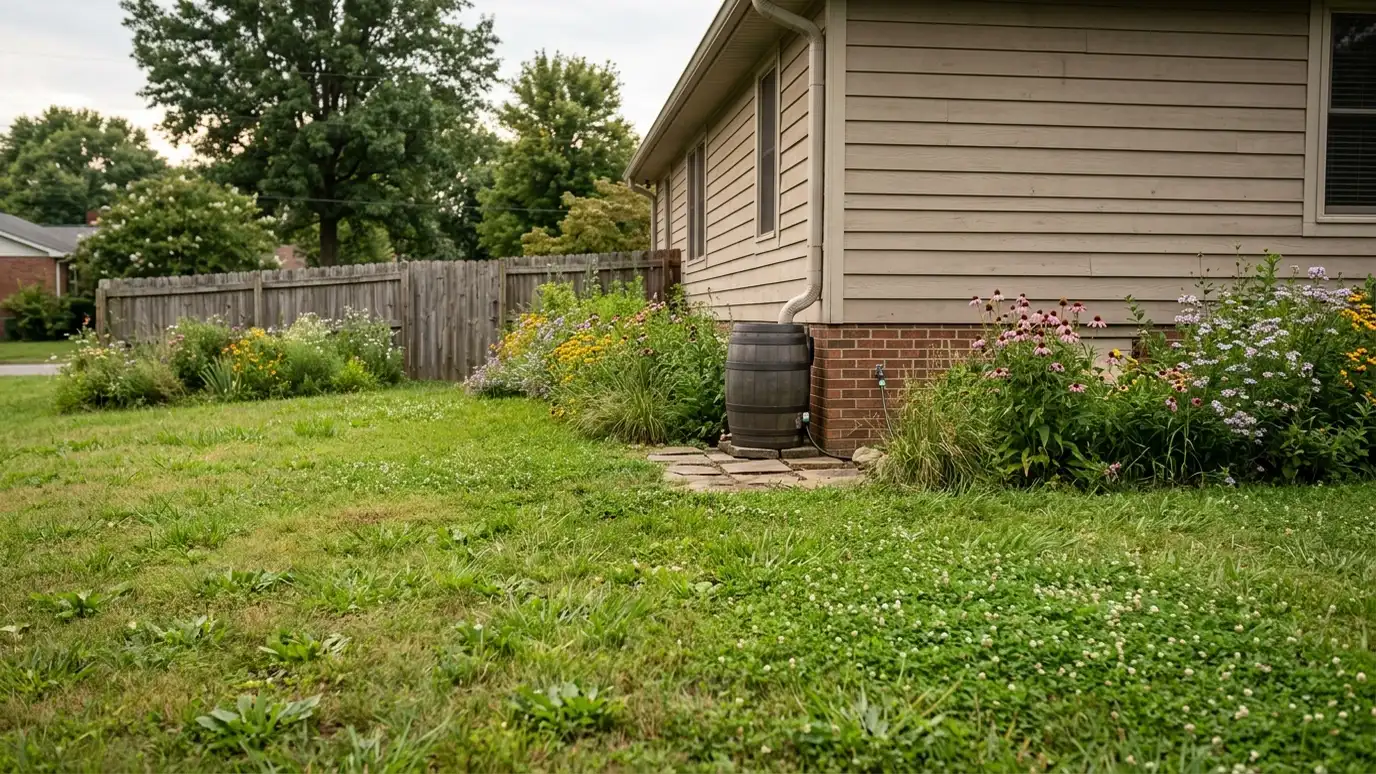 Lawn typeEco-Friendly LawnsA greener approach: compost, clover, native borders and smarter water use, without giving up a good-looking yard.Learn more
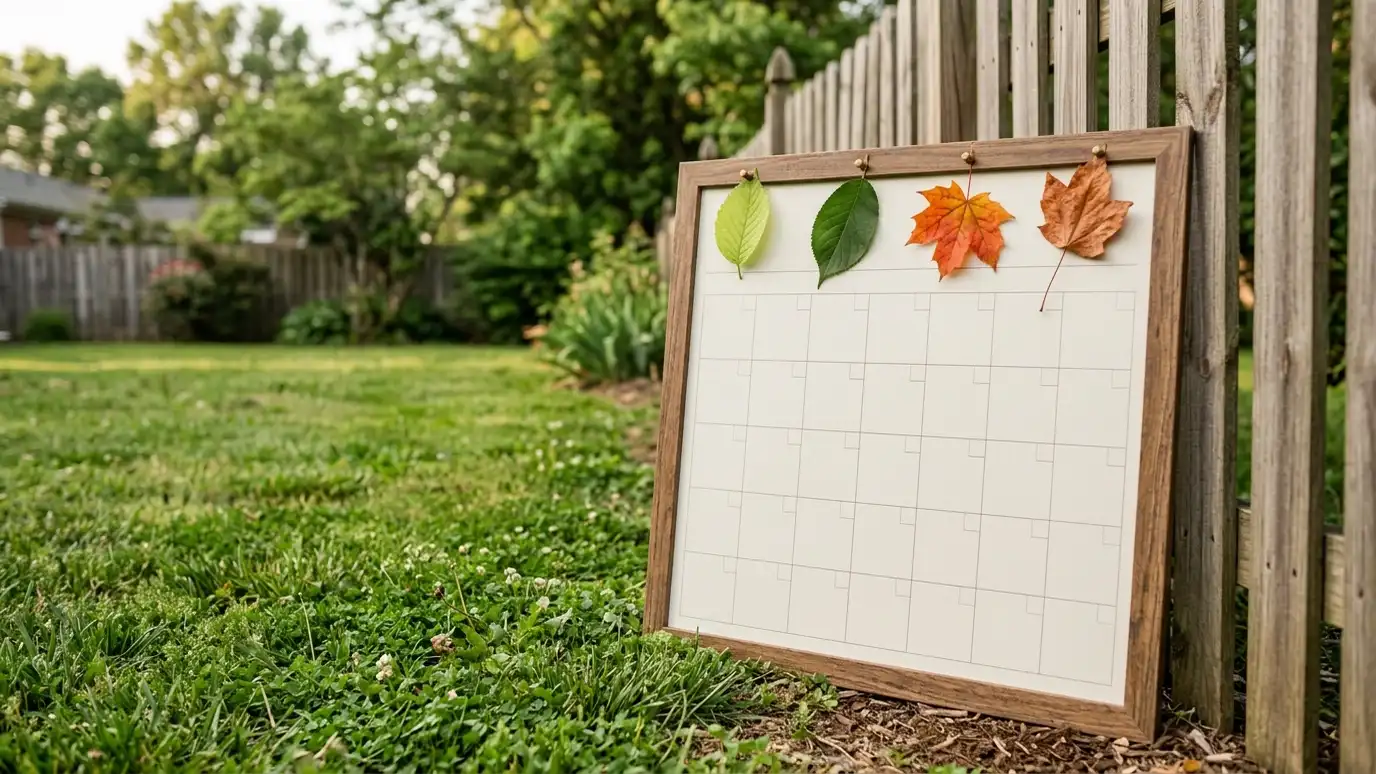 Topic guideLawn Care CalendarA season-by-season guide to feeding, weed control, seeding, aeration, pest watch and winter prep for Middle Tennessee lawns.Learn more
Enter the lengths and widths of your lawn sections to see square feet, fertilizer bags, seed, sod and a planning range.
You tell us about your lawn and what you want to change, from weeds to a full program, and we set a visit that fits your day.
We walk the lawn, identify the grass, check the soil, weeds, pests and drainage and talk through your goals.
We build a calendar of treatments for your grass type and give you an itemized written estimate with options.
Visits are scheduled by season and weather, and any gates, pets or irrigation are noted.
Crews apply products and perform services with calibrated equipment and leave notes after each visit.
Each season we review the results with you and adjust the plan for the next one.
Right after they bloom in spring, so you do not remove next year flower buds.
Formal hedges often need two or three trims a season.
Often yes, with staged renewal pruning.
Yes. We clean up when we finish.
Some plants benefit from dormant pruning. Others should wait. We prune by plant type.
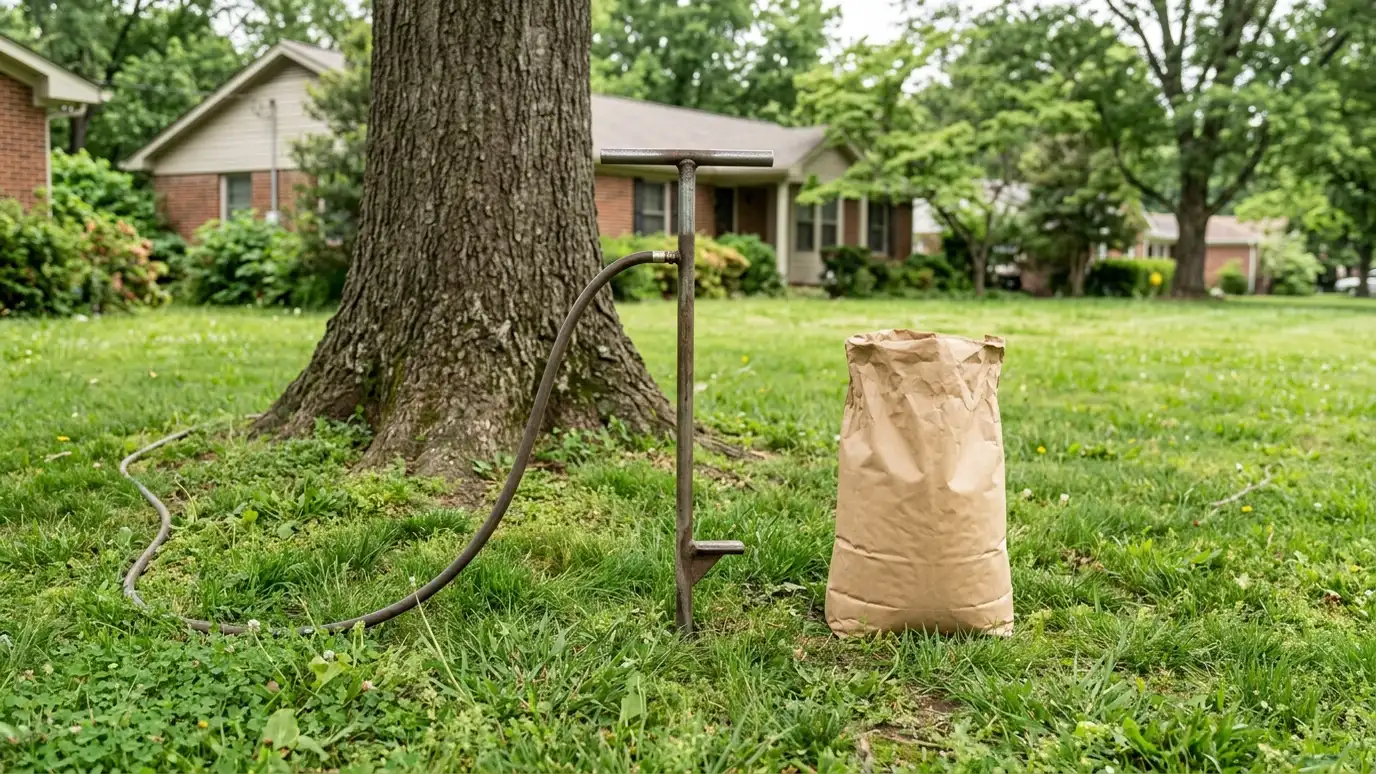 Tree and Shrub FertilizationDeep root feeding and slow release fertilizer that supports healthy growth in trees and shrubs, especially in compacted…Explore
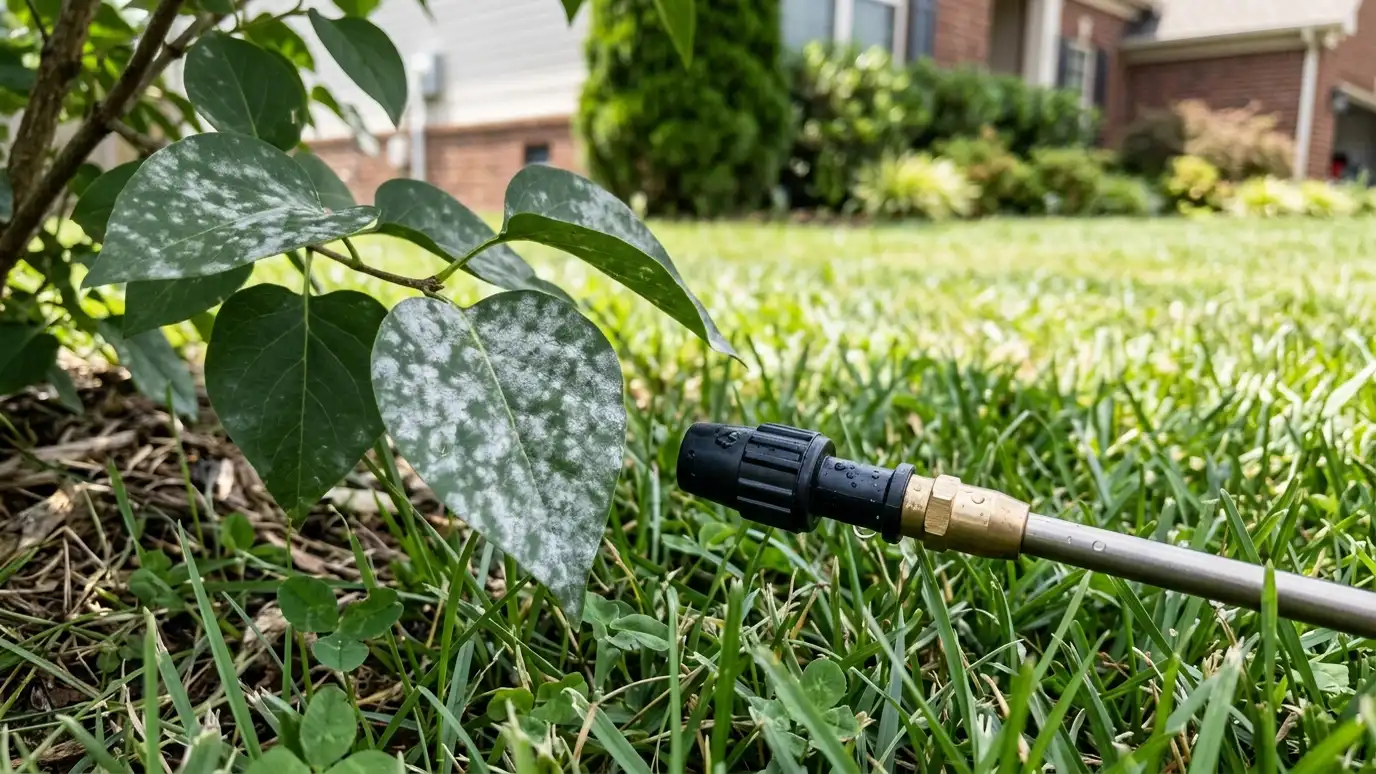 Tree and Shrub Pest and Disease CareInspection and treatment for scale, aphids, bagworms, powdery mildew, leaf spot and other problems that stress your landscape…Explore
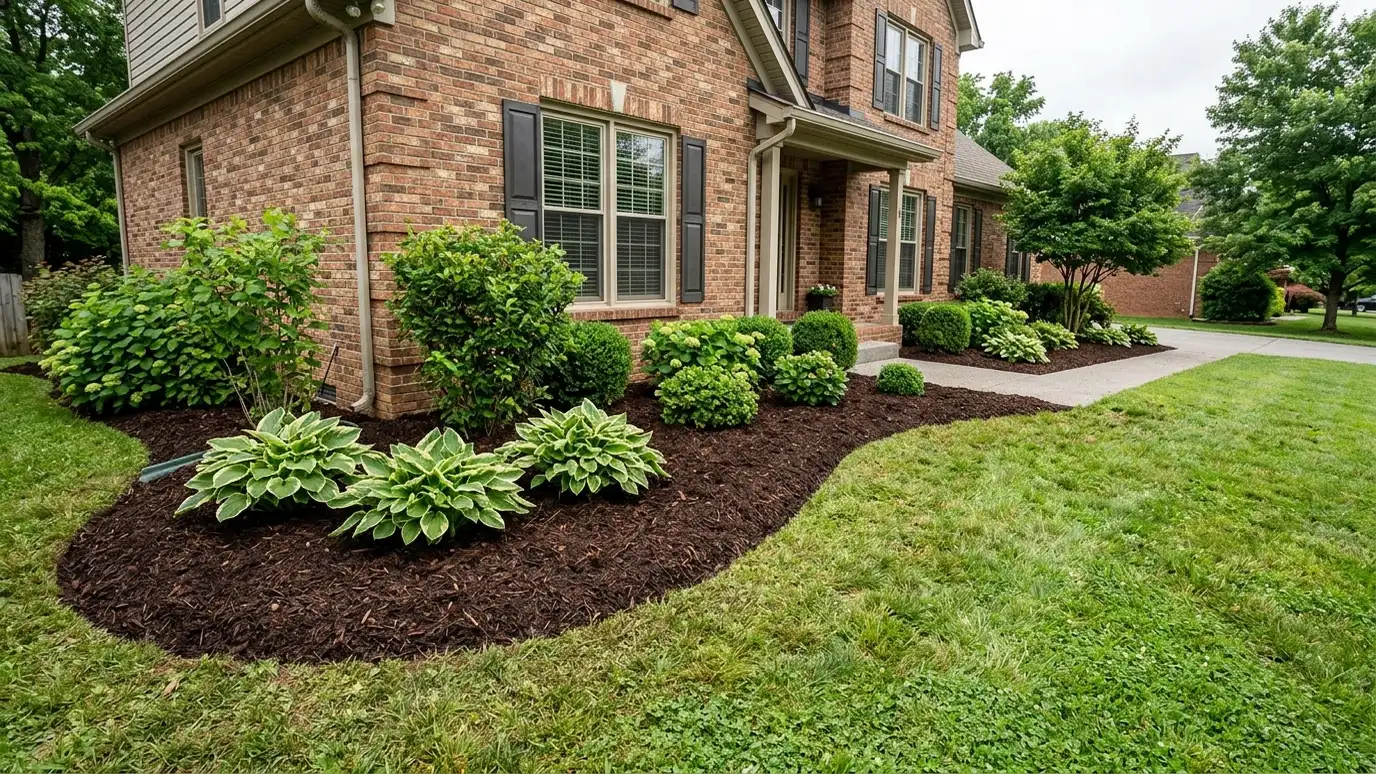 Mulching and Bed MaintenanceFresh mulch, crisp bed edges and regular weeding that keep landscape beds healthy and looking sharp all season.Explore
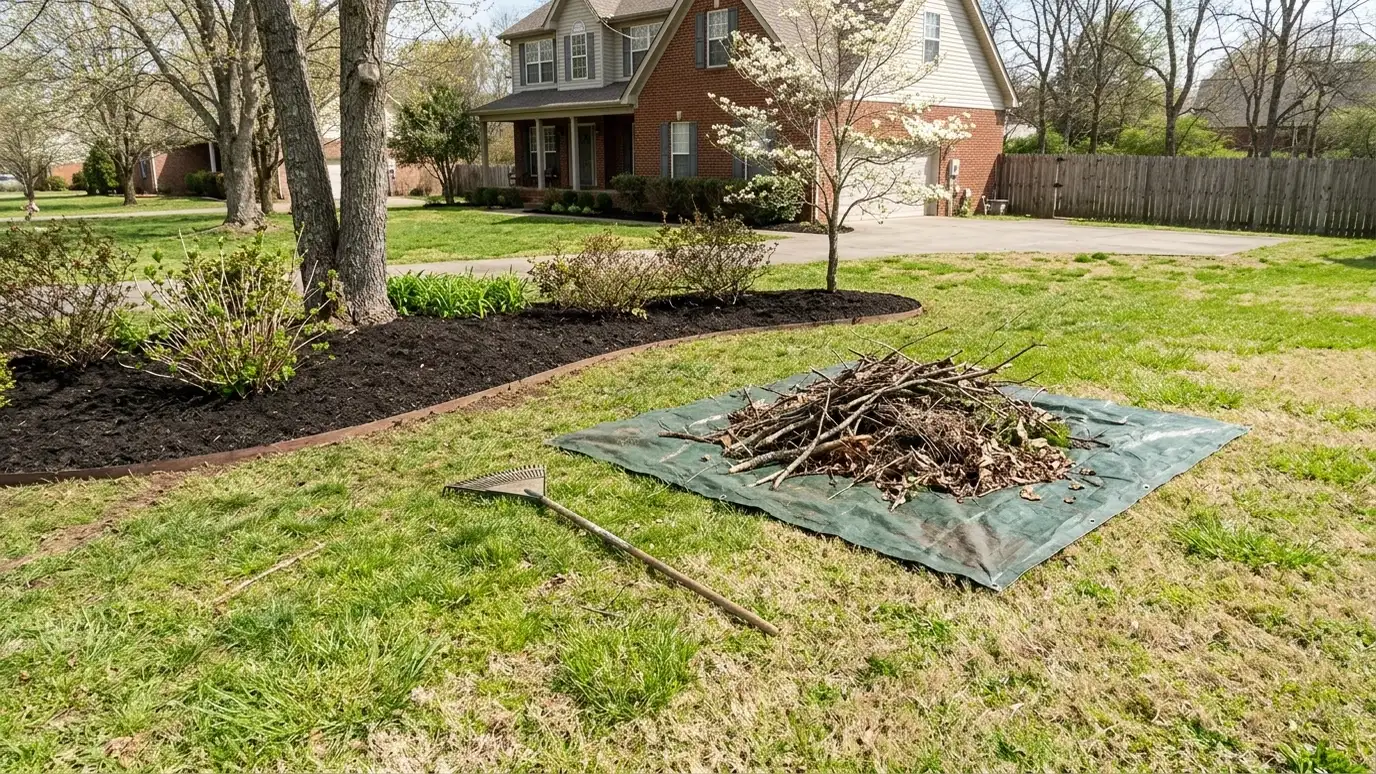 Seasonal Lawn CleanupsSpring and fall yard cleanups: debris removal, bed cleanup, pruning and a fresh start for the growing season.Explore
Tell us about your lawn and we will call you back to set up a visit.
Or call (615) 357-7797 to talk now.