Identification and treatment of lawn diseases such as brown patch, dollar spot and leaf spot, plus the habits that prevent them.
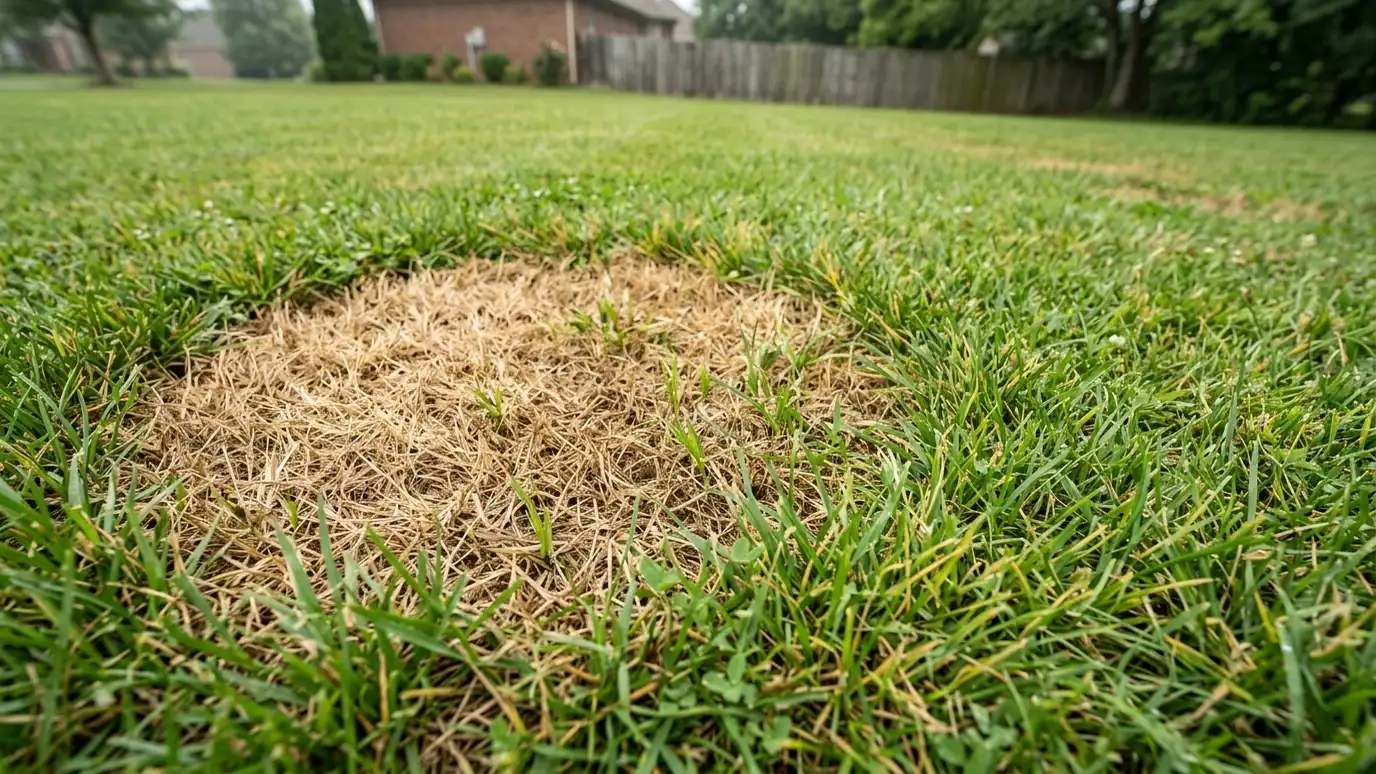
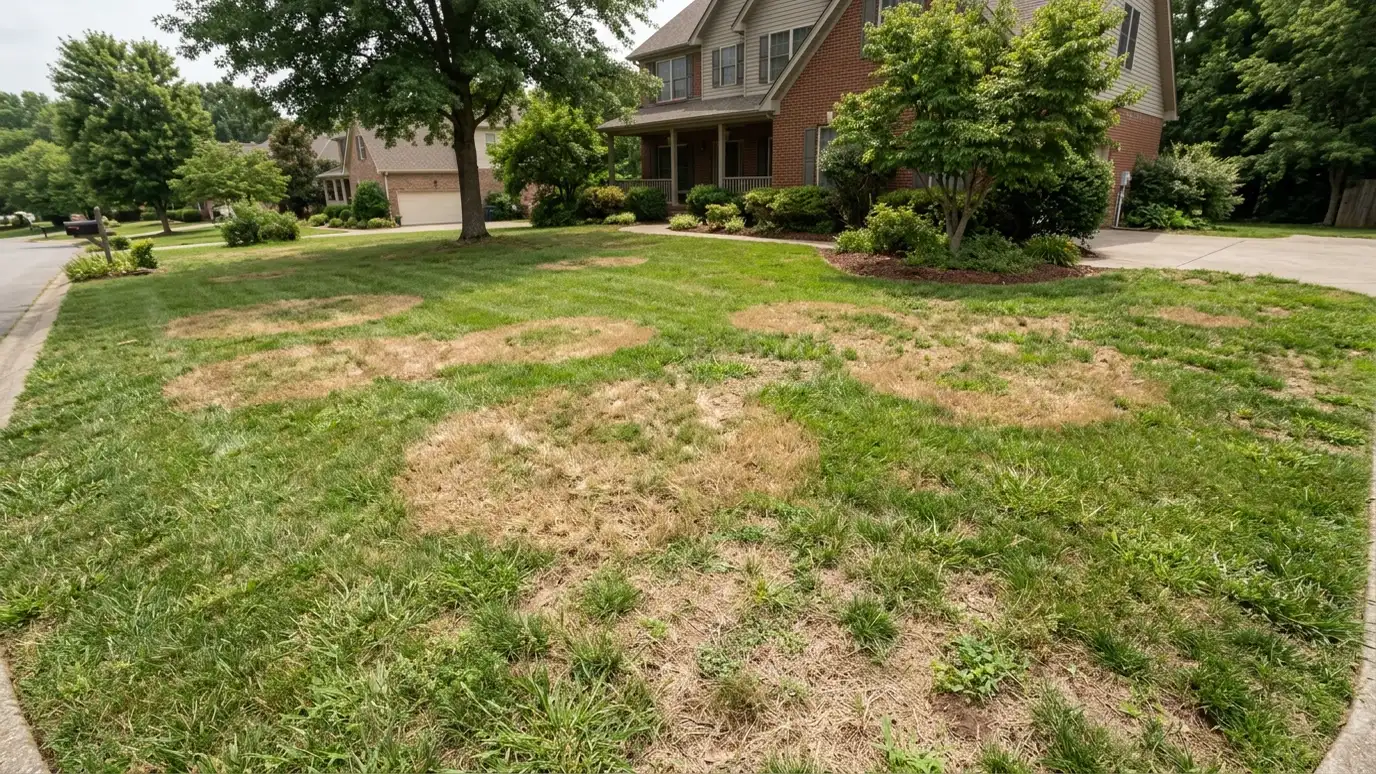
Humid Tennessee summers are hard on lawns, and fungal diseases are a big reason. Brown patch, dollar spot, leaf spot, pythium and rust all show up when warm nights, high humidity and wet leaves combine, and tall fescue is especially vulnerable. Diseases can turn a green lawn tan and patchy in a matter of days, and a lawn already stressed by heat, drought or heavy nitrogen is hit hardest. Early identification is key, because the right response depends on the exact disease.
We start by examining the turf, the pattern of damage and the recent weather, and we identify the disease before treating. A fungicide may be recommended for active outbreaks or as a preventive step in high-risk periods, applied according to the label. Just as important are the cultural habits that make lawns less hospitable to disease: watering early in the morning, mowing at the right height with sharp blades, avoiding heavy nitrogen in summer and improving airflow and drainage. We explain what happened, what we did and how to lower the chance of a repeat.
Brown patch, dollar spot and others look alike to the untrained eye but need different timing and products.
We use fungicides when an outbreak is active or risk is high, following label directions.
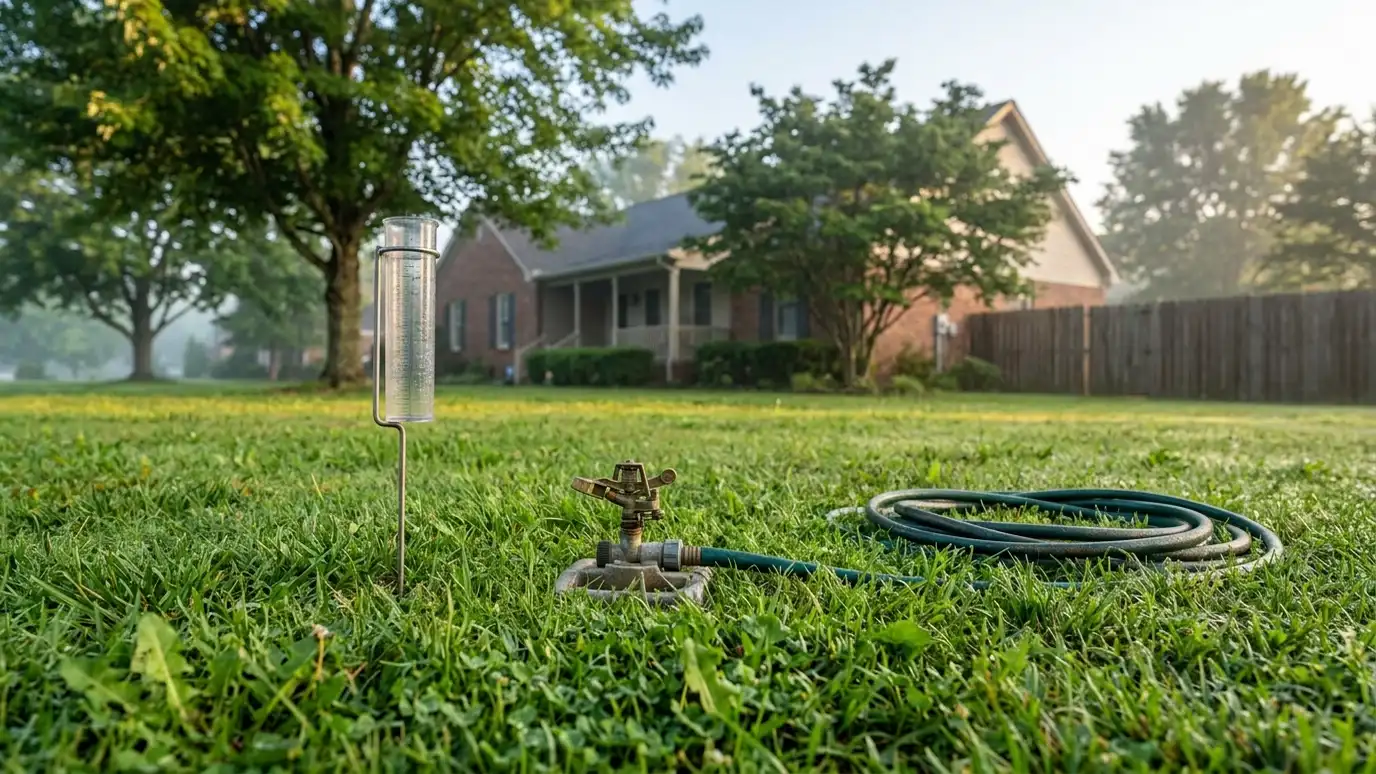
Morning watering and clean, sharp mower blades keep leaves drier and reduce infection.
Heavy nitrogen in hot weather feeds disease, so we adjust the program when conditions are risky.
Drag the handle to compare.
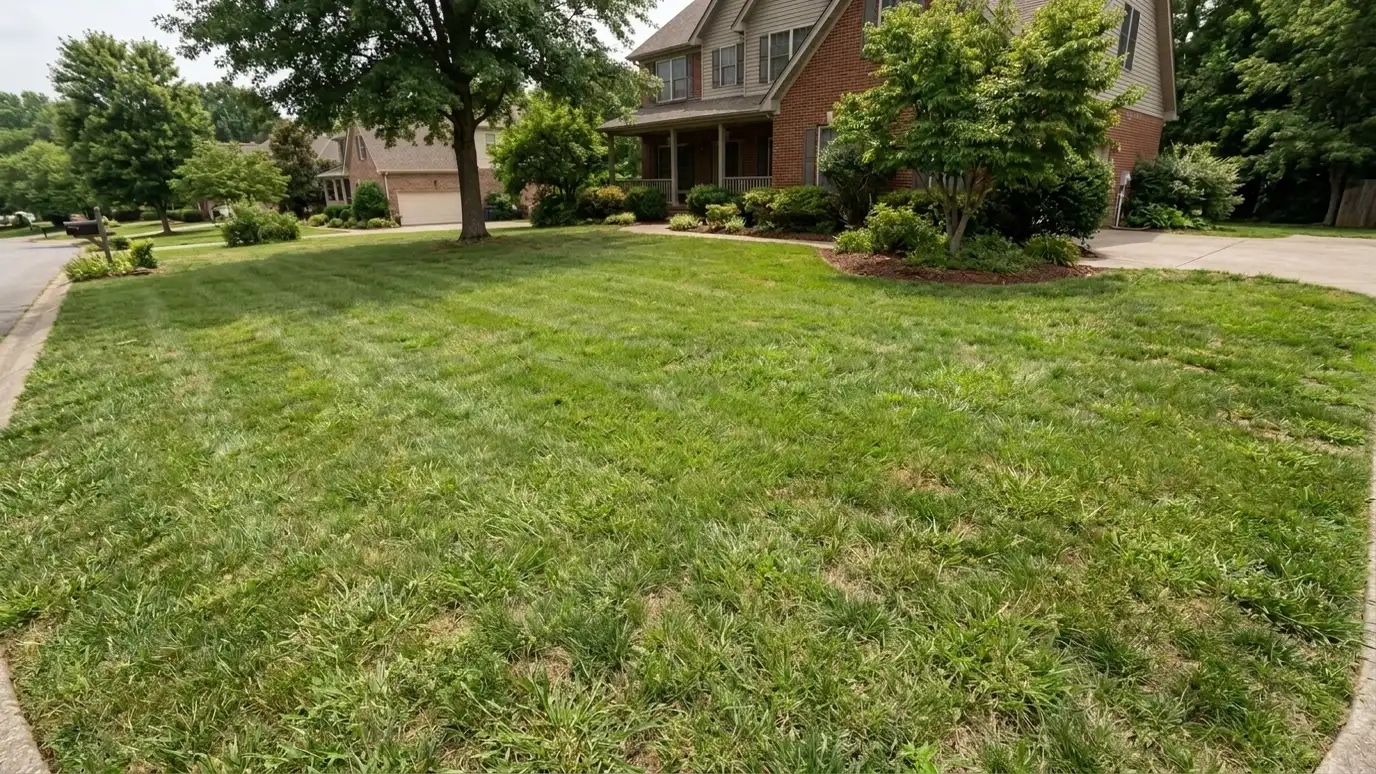
 BeforeAfter
Right treatment.
Damage and weather.
Early morning.
Height and blades.
Avoid flare-ups.
Lower the risk.
Every topic has its own page with what to expect and how we approach it.
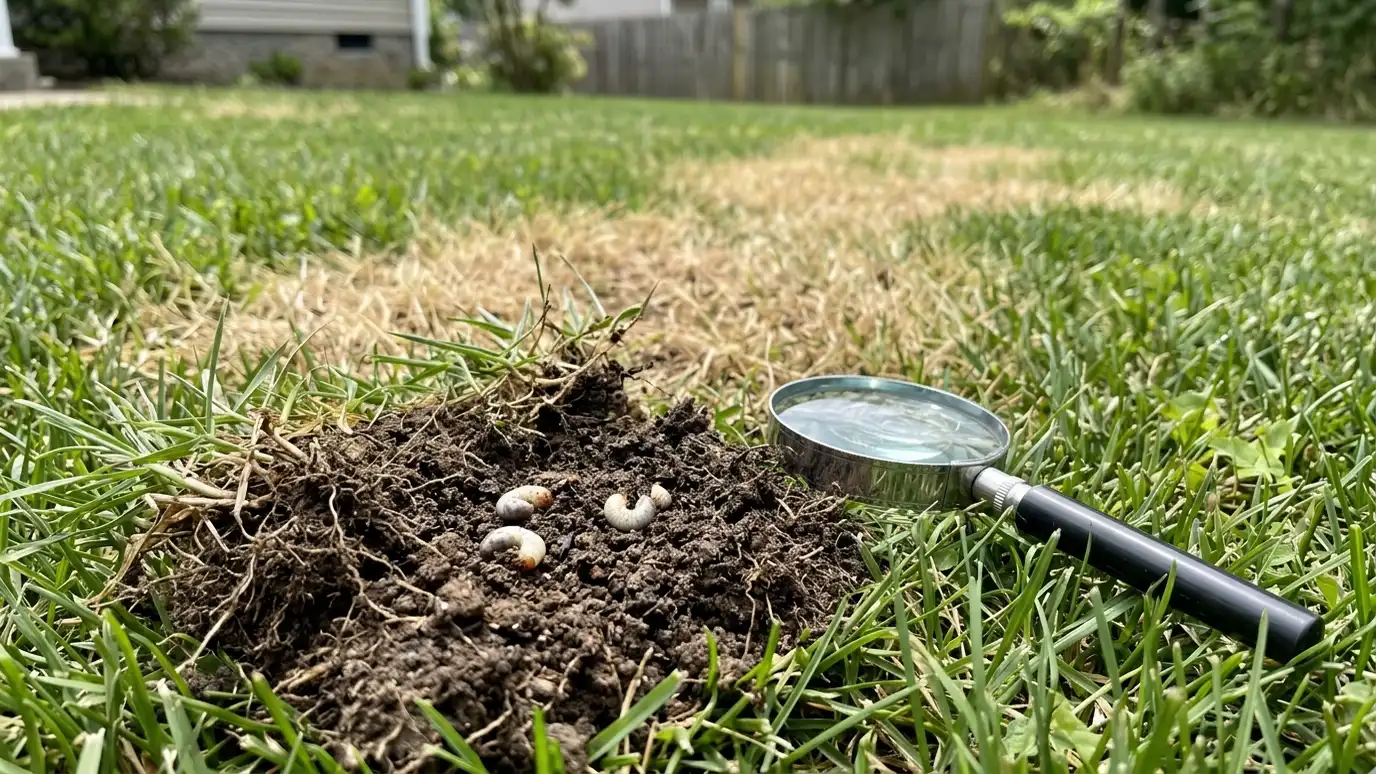 Topic guideDiseases and Pests GuideBrown patch, dollar spot, grubs, armyworms, chinch bugs and fire ants: signs, timing and what to do about…Learn more
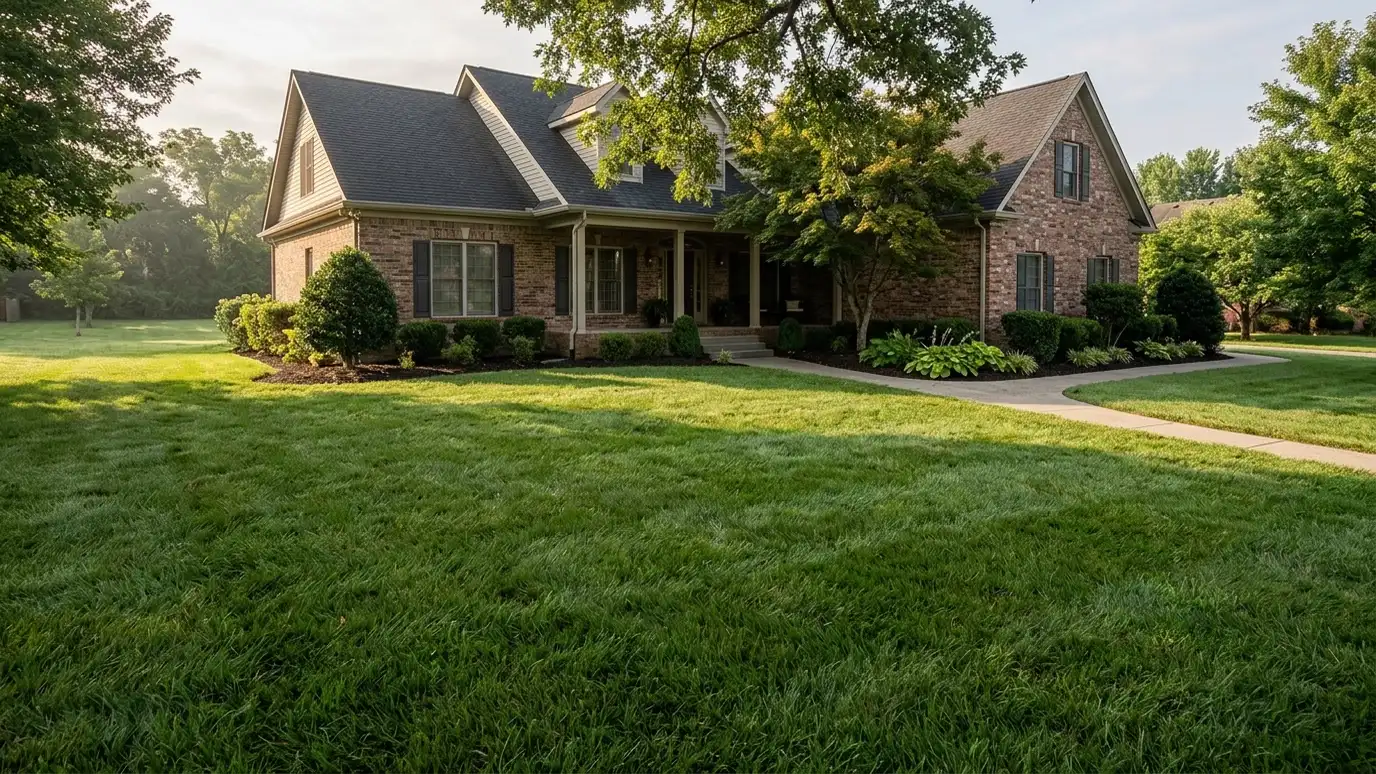 Lawn typeTall Fescue LawnsThe most common Middle Tennessee lawn: deep green, fine to medium texture and happiest in the cool seasons…Learn more
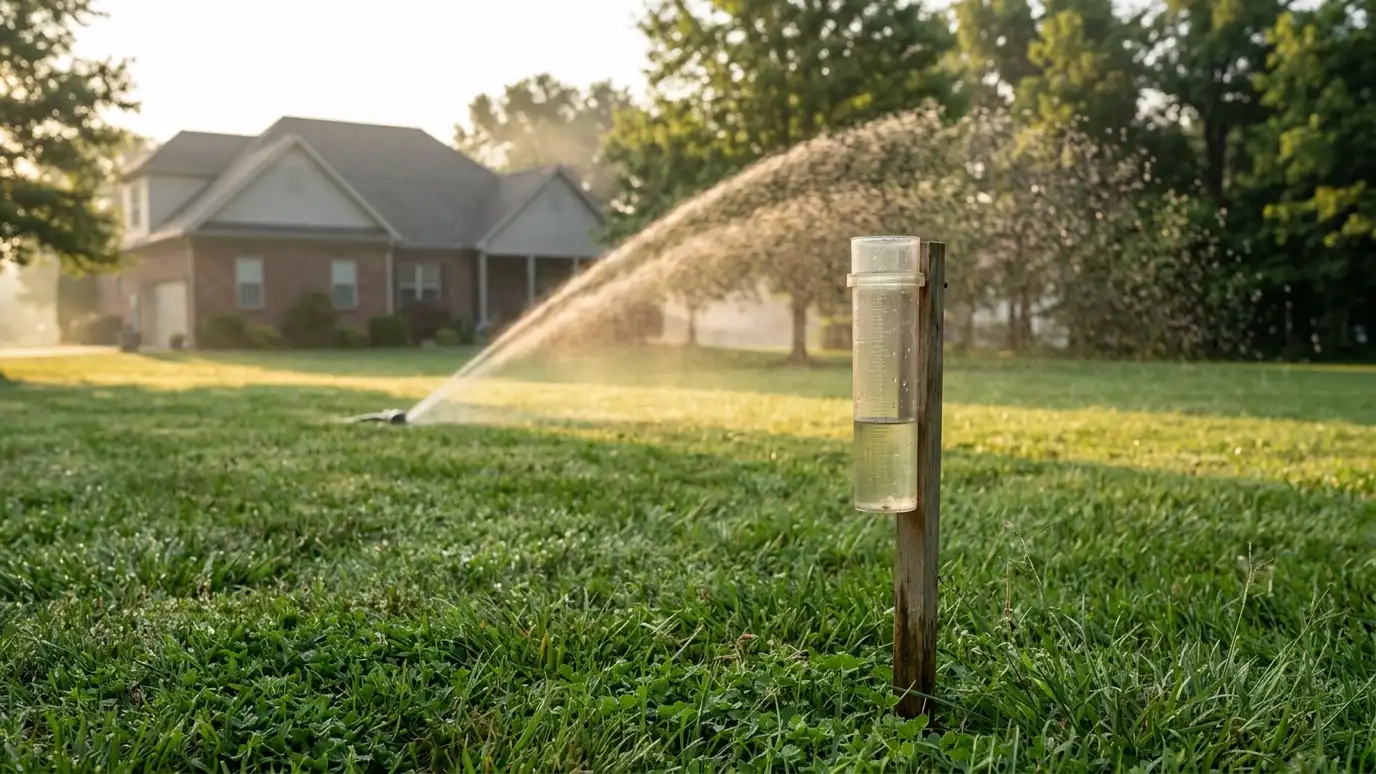 Topic guideLawn Watering GuideHow much, how often and when to water a Tennessee lawn, with tips for new seed, summer heat…Learn more
Tick what you see in your lawn and get a priority list and a plain recommendation: care, treat, renew or renovate.
You tell us about your lawn and what you want to change, from weeds to a full program, and we set a visit that fits your day.
We walk the lawn, identify the grass, check the soil, weeds, pests and drainage and talk through your goals.
We build a calendar of treatments for your grass type and give you an itemized written estimate with options.
Visits are scheduled by season and weather, and any gates, pets or irrigation are noted.
Crews apply products and perform services with calibrated equipment and leave notes after each visit.
Each season we review the results with you and adjust the plan for the next one.
Fungi thrive in warm, humid conditions, wet leaves and stressed turf. The cause is usually a mix.
Often yes, since many diseases affect leaves, not roots. Recovery depends on the disease and the weather.
Early morning, so leaves dry quickly during the day.
Not always. We decide after identifying the disease and risk level.
Good watering, mowing and feeding habits and, in high-risk lawns, preventive treatment.
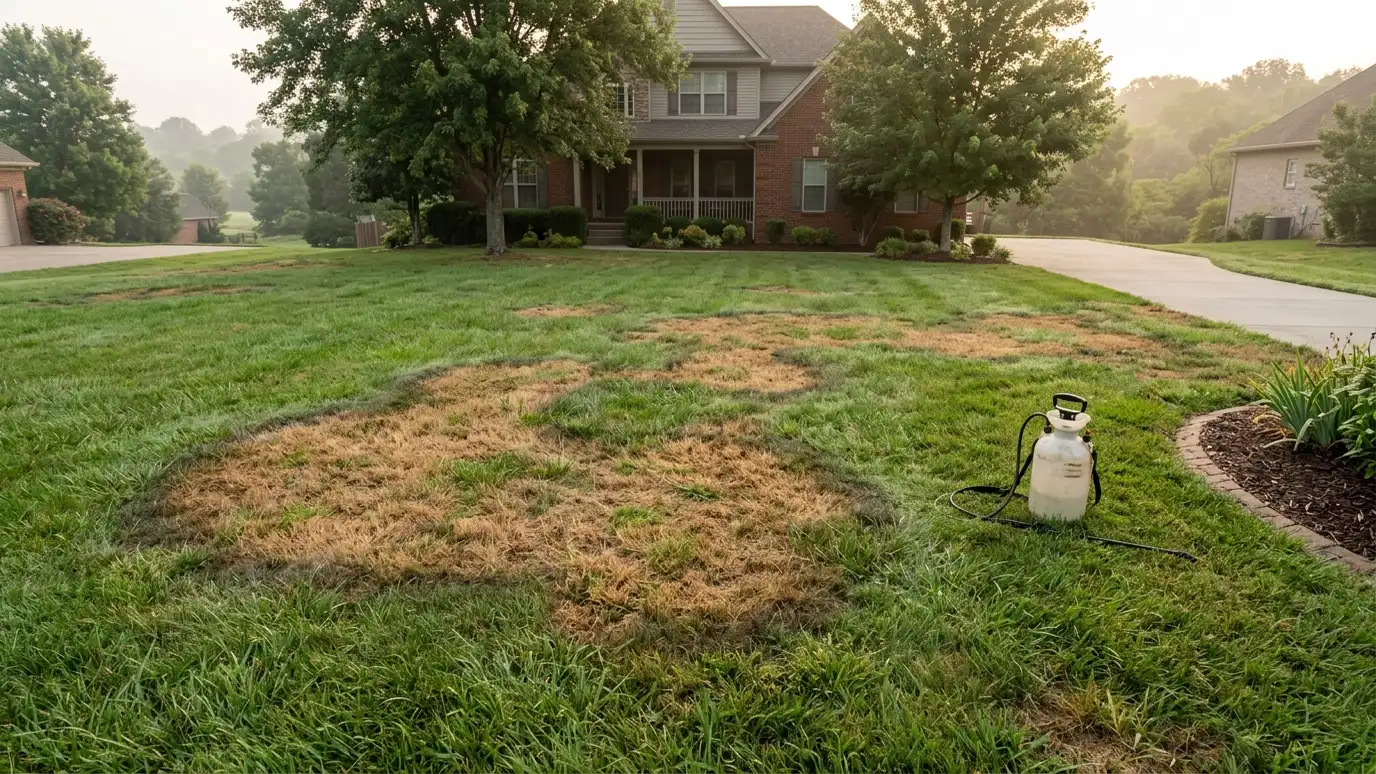 Brown Patch TreatmentTargeted treatment and prevention of brown patch, the summer fungus that leaves circular tan patches in fescue lawns.Explore
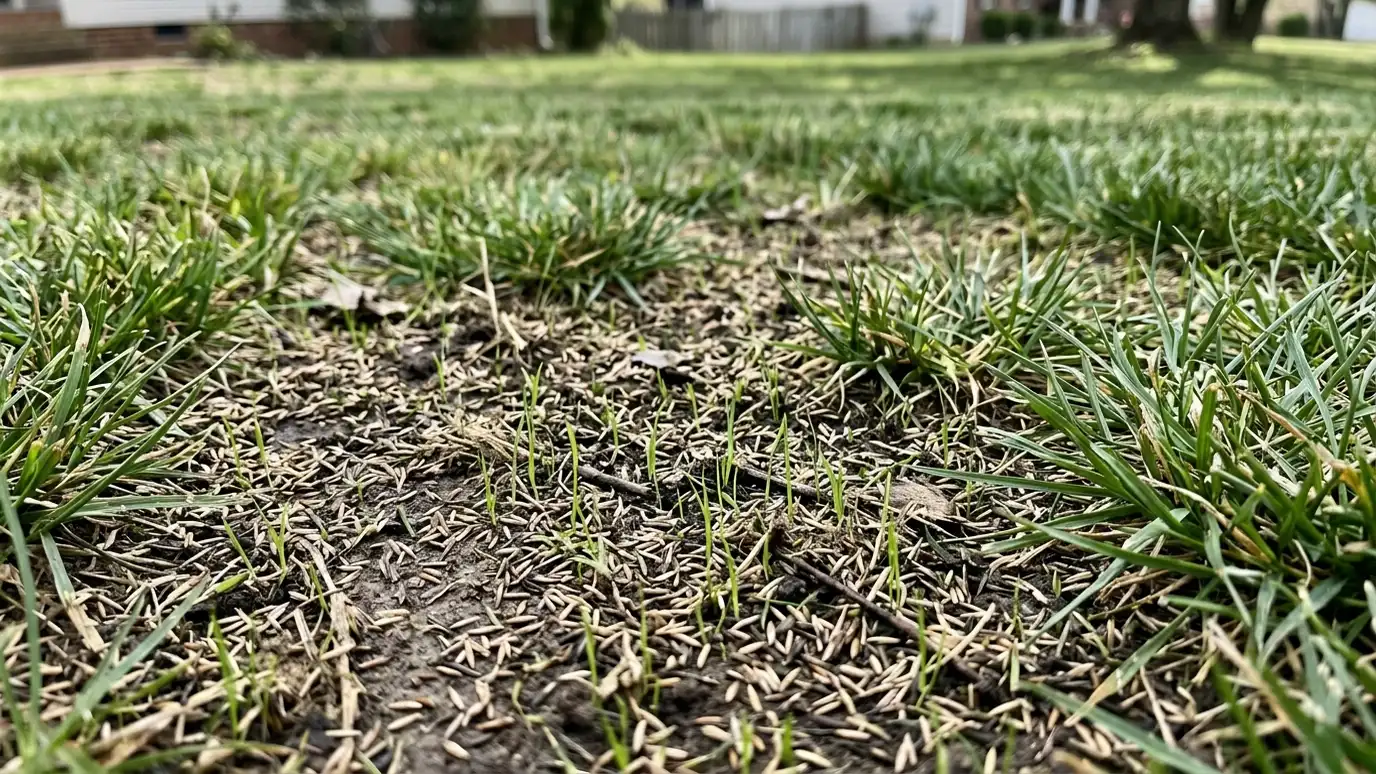 OverseedingNew seed spread across your existing lawn to thicken thin areas, repair summer damage and renew aging turf.Explore
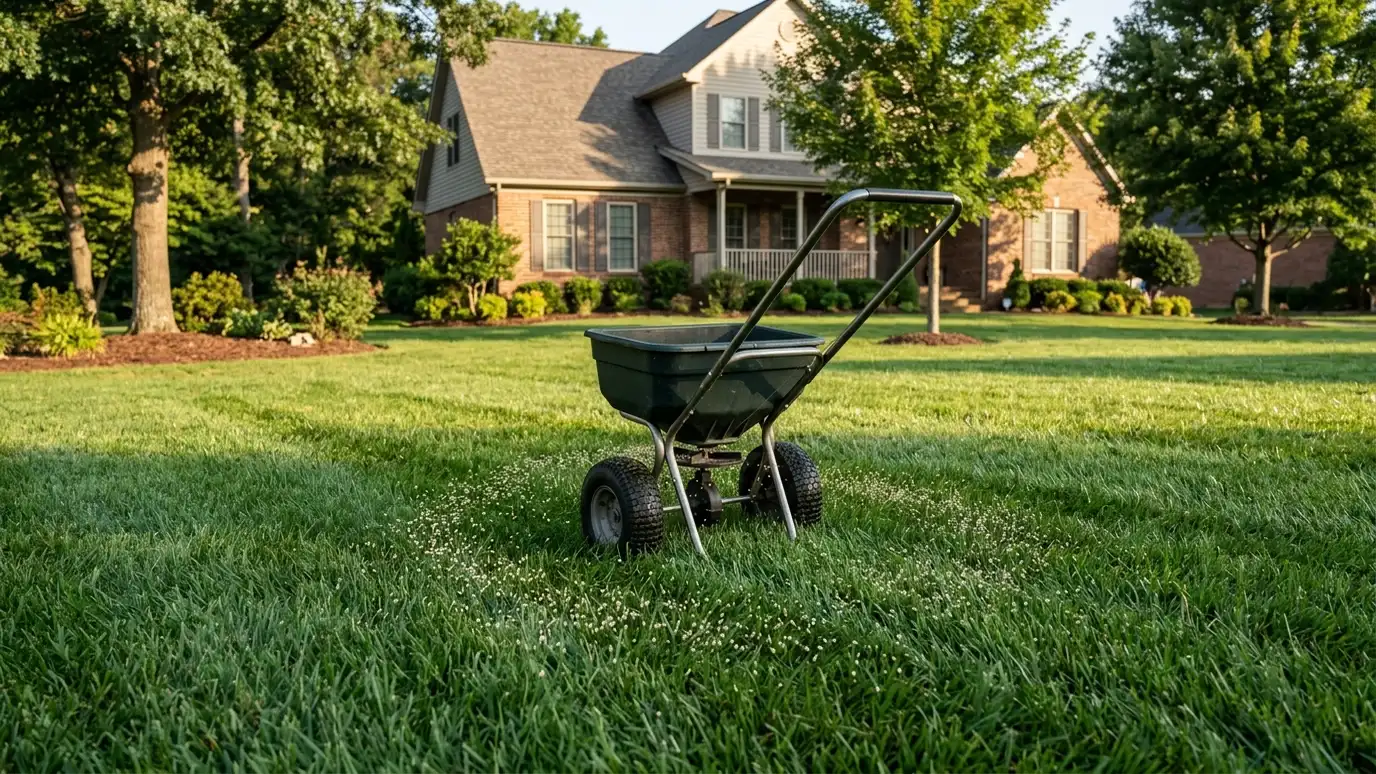 Lawn Fertilization ProgramsScheduled fertilizer rounds matched to your grass type and soil, to build thick, deep green turf through every…Explore
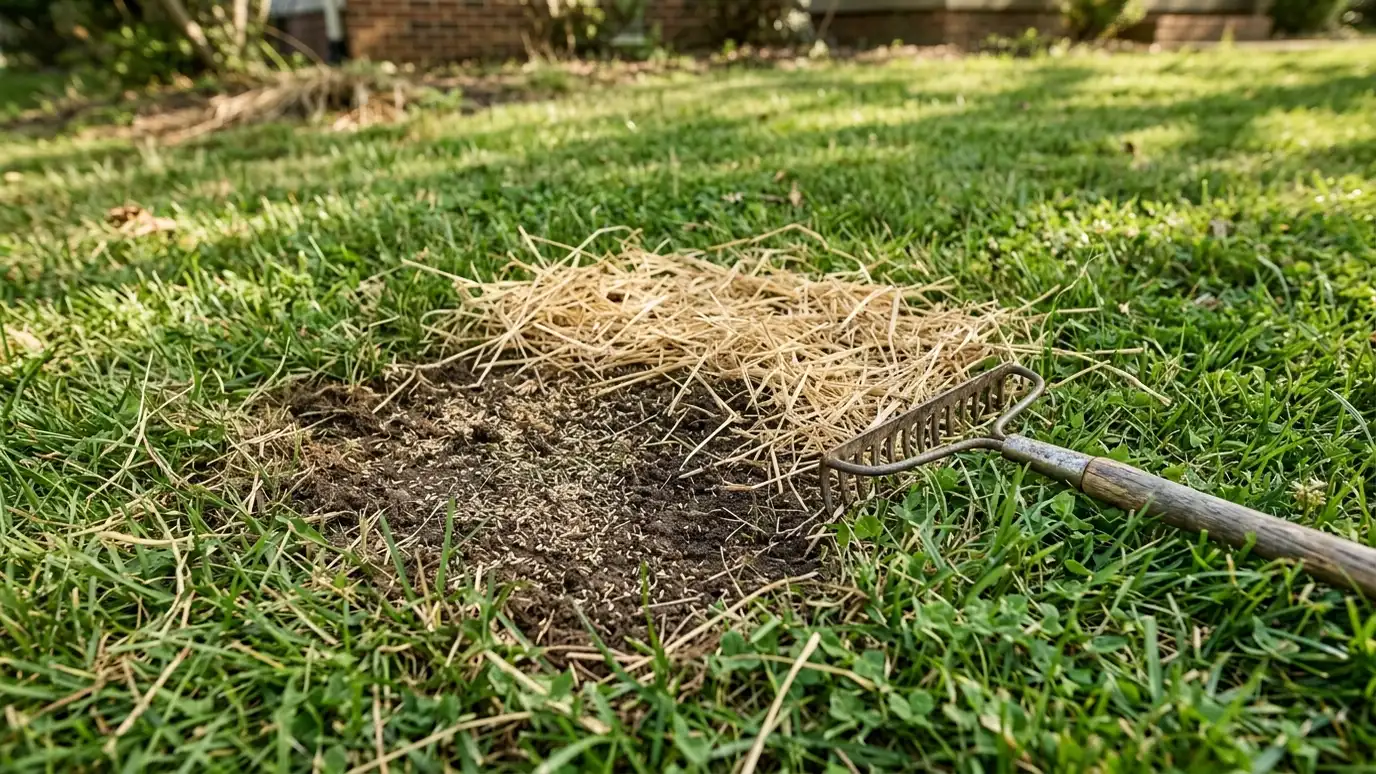 Bare Spot and Patch RepairTargeted repair of dead, thin or bare patches with new seed, sod or plugs, so small problems do…Explore
Tell us about your lawn and we will call you back to set up a visit.
Or call (615) 357-7797 to talk now.