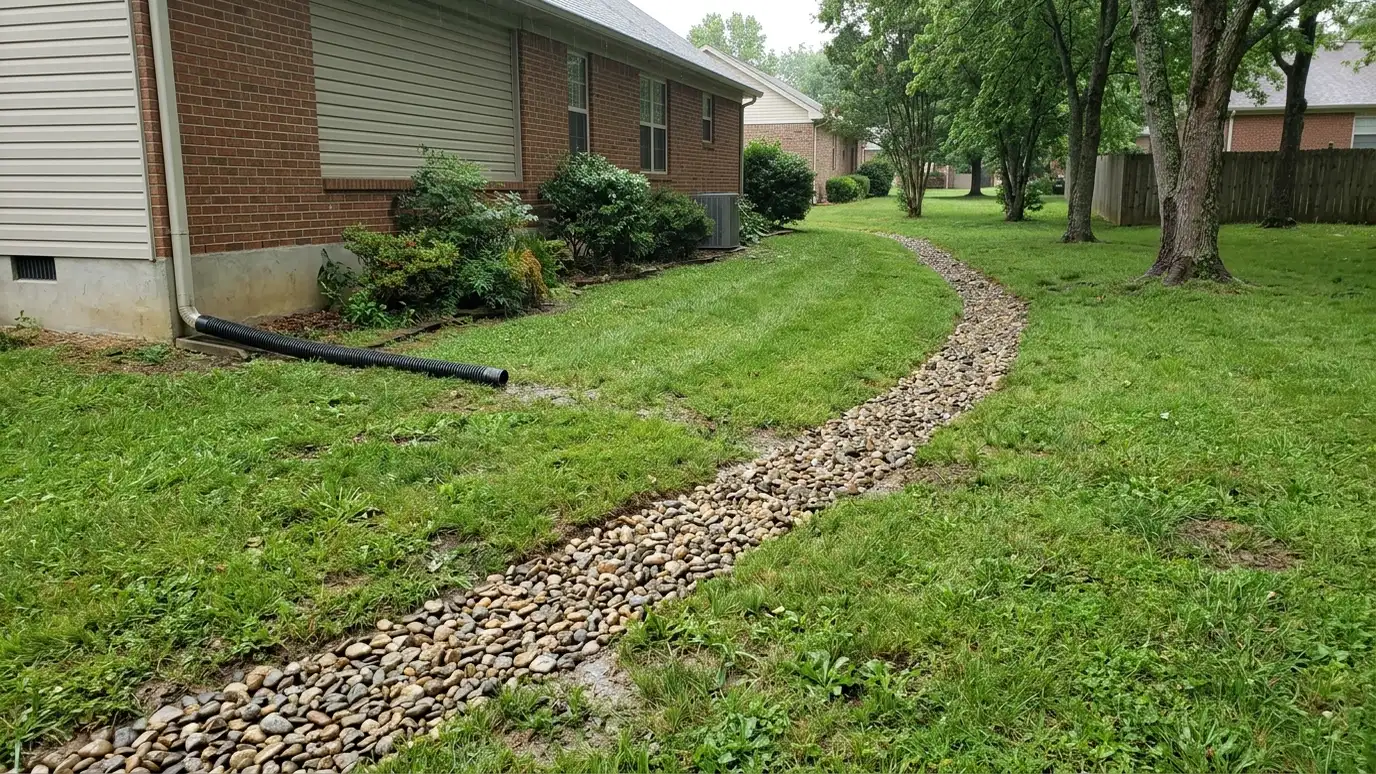
Solutions for soggy spots, standing water and runoff: regrading, swales, French drains and downspout extensions.
Soggy, muddy spots in the lawn are more than an annoyance. They drown grass roots, grow moss and nutsedge, breed mosquitoes and in the worst cases send water toward the house. In Middle Tennessee, clay soil drains slowly, and many yards were graded for the builder, not for the homeowner. Downspouts that dump at the foundation, low spots where water pools and slopes that channel runoff across the lawn are common causes.
We walk the yard during or after a rain to see where water actually goes, then recommend a fix that suits the problem. Solutions include regrading low areas, creating shallow swales to carry runoff, installing French drains or catch basins, extending downspouts away from the house and aerating compacted soil that sheds water. For small problems, a simple regrade and reseed may be all that is needed. For bigger issues, we are honest about what is practical and when a drainage specialist or engineer is the right call.
We look at flow during or after rain, because that shows the real cause of a wet spot.
Regrading, swales, drains and downspout extensions each solve a different kind of water problem.
Aeration and organic matter help clay soil absorb water instead of shedding it.
Major flooding or foundation concerns may need a drainage specialist or engineer. We say so.
Drag the handle to compare.
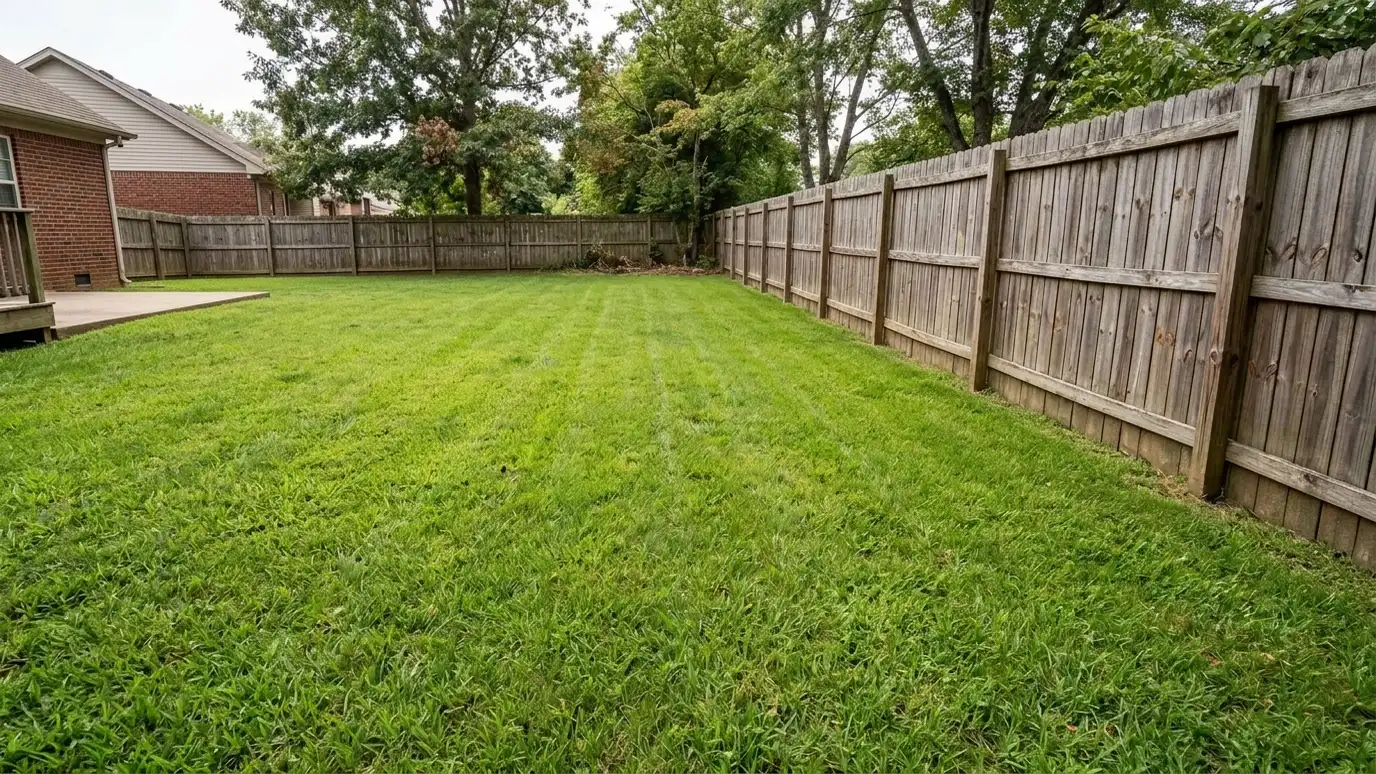
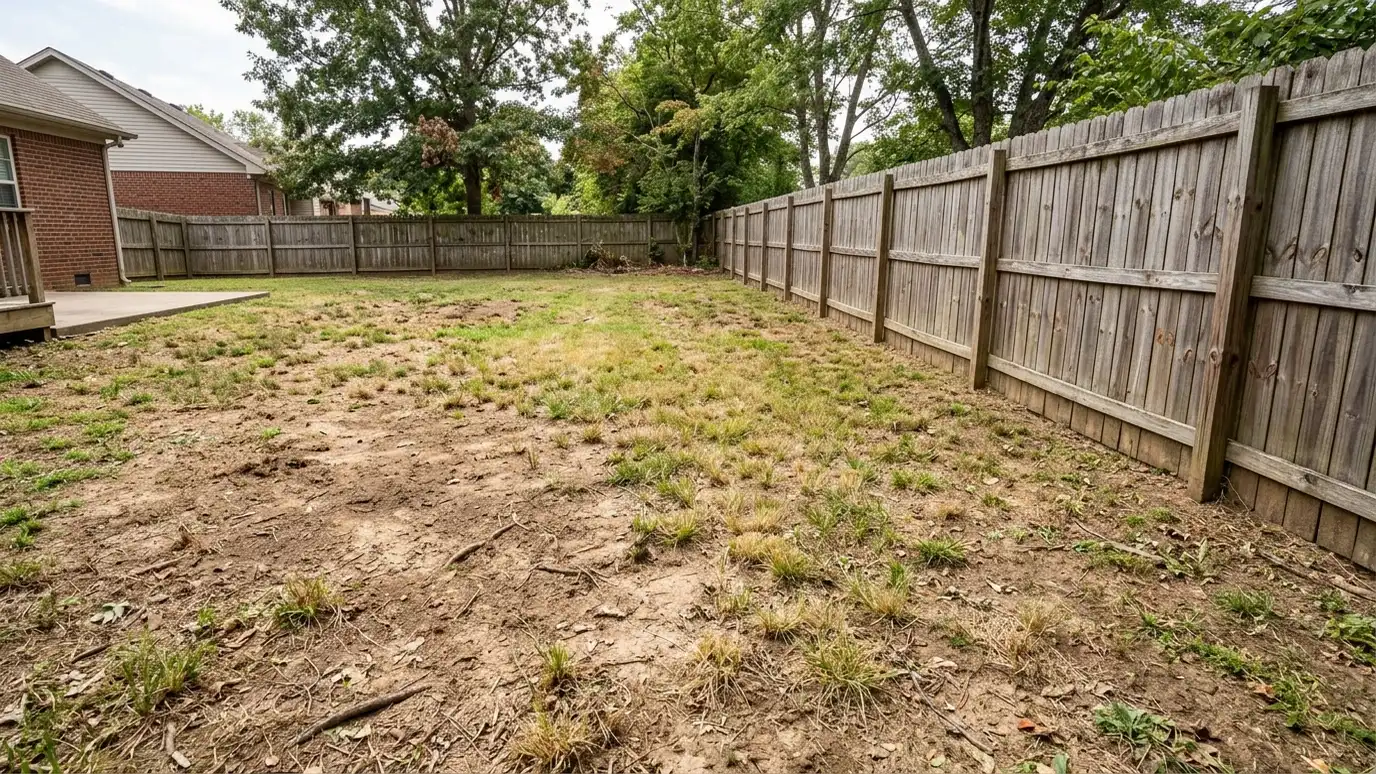 BeforeAfter
The real cause.
Carry water away.
Away from the house.
Fix low spots.
Reseed after repair.
When to call a specialist.
Every topic has its own page with what to expect and how we approach it.
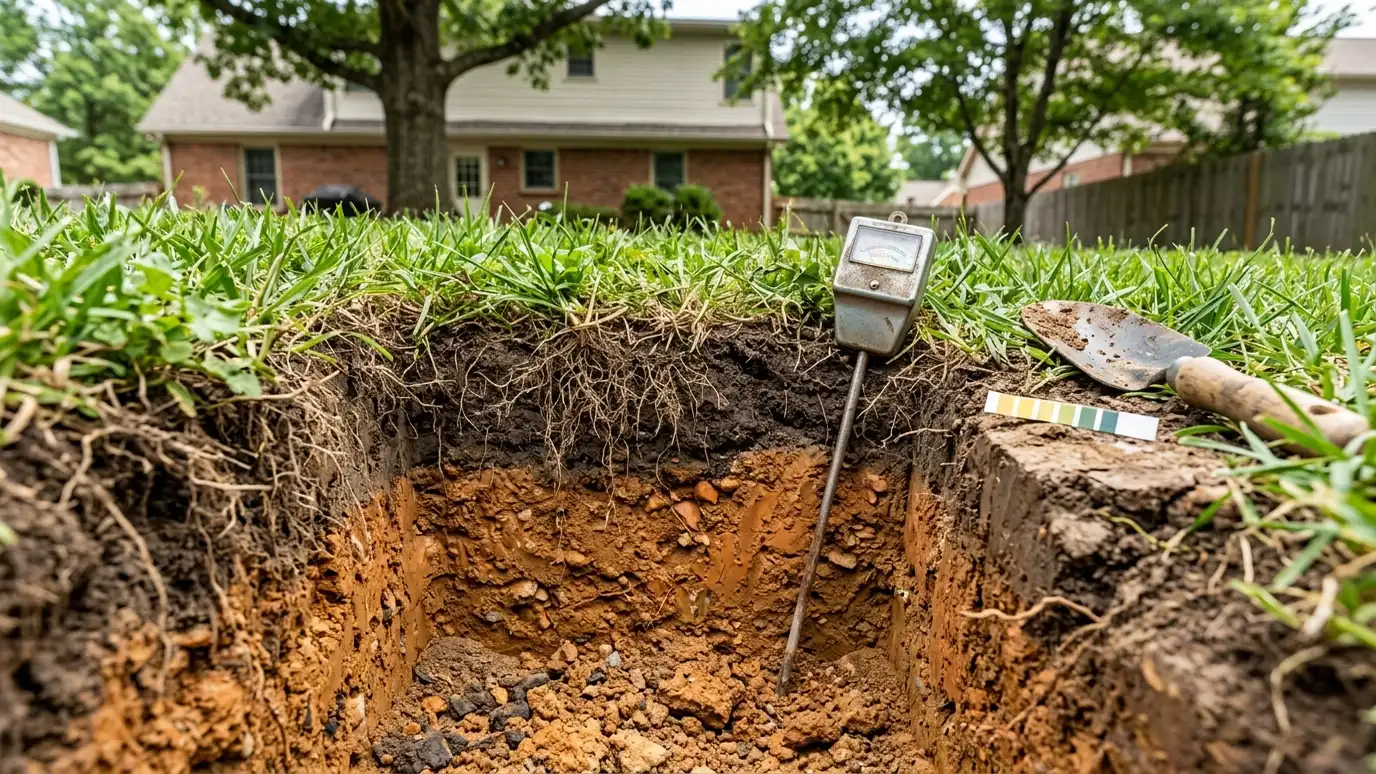 Topic guideSoil and pH GuideClay, compaction, organic matter and pH explained, with simple ways to test and improve the soil under your…Learn more
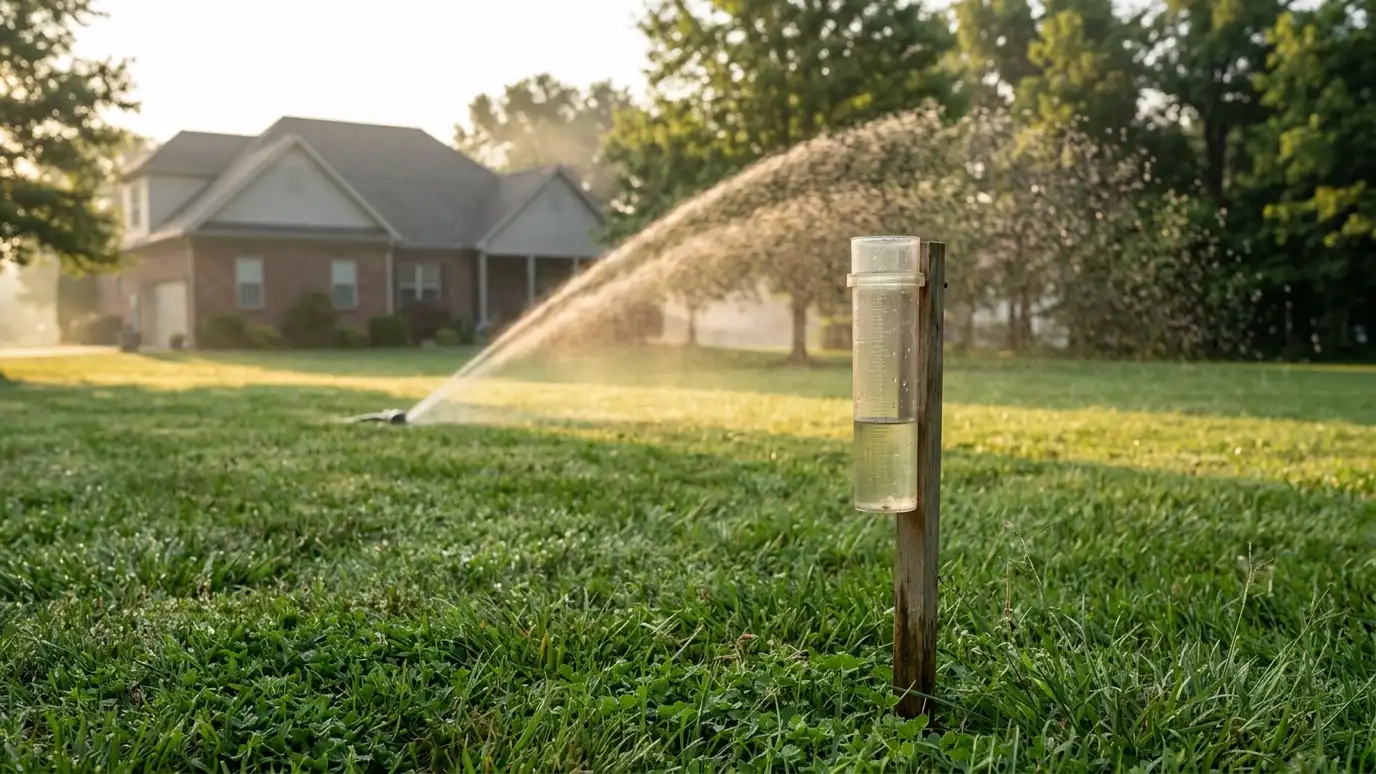 Topic guideLawn Watering GuideHow much, how often and when to water a Tennessee lawn, with tips for new seed, summer heat…Learn more
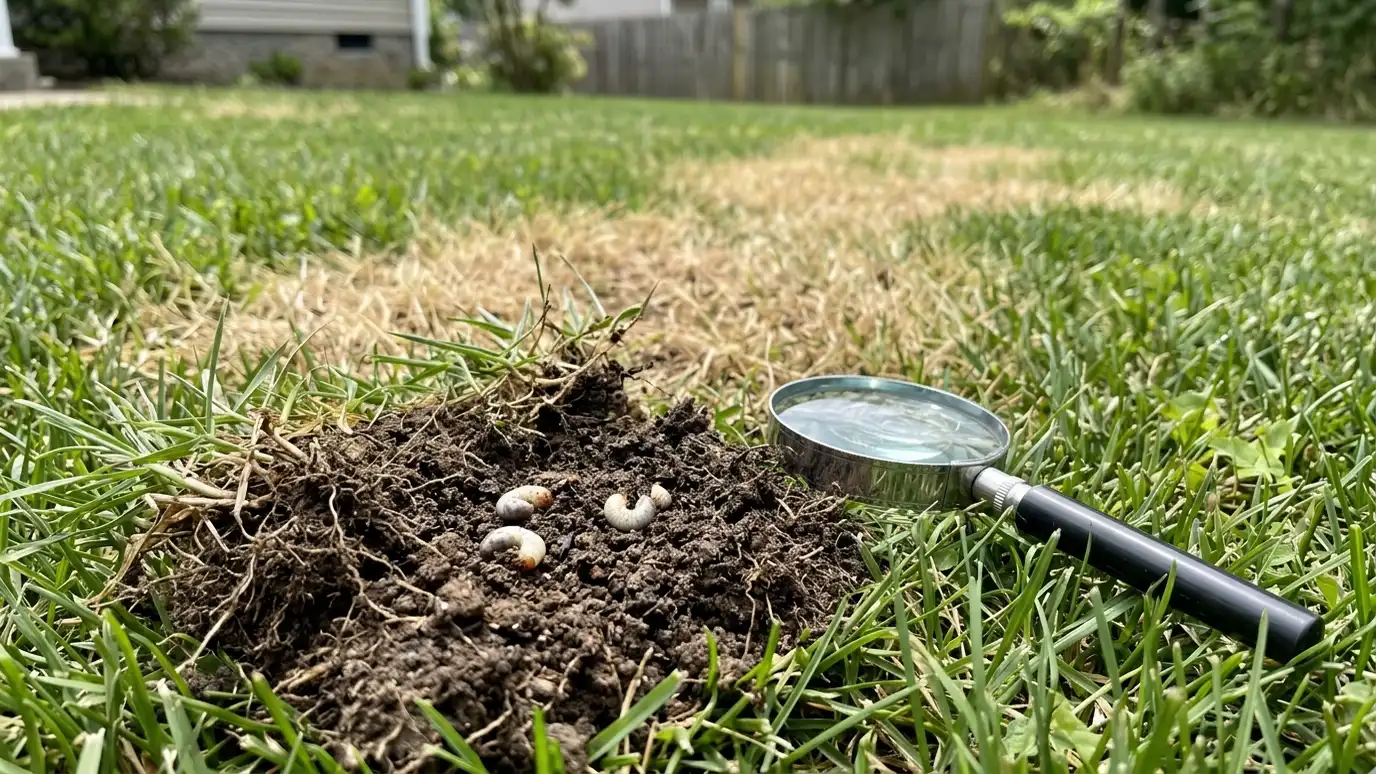 Topic guideDiseases and Pests GuideBrown patch, dollar spot, grubs, armyworms, chinch bugs and fire ants: signs, timing and what to do about…Learn more
Tick what you see in your lawn and get a priority list and a plain recommendation: care, treat, renew or renovate.
You tell us about your lawn and what you want to change, from weeds to a full program, and we set a visit that fits your day.
We walk the lawn, identify the grass, check the soil, weeds, pests and drainage and talk through your goals.
We build a calendar of treatments for your grass type and give you an itemized written estimate with options.
Visits are scheduled by season and weather, and any gates, pets or irrigation are noted.
Crews apply products and perform services with calibrated equipment and leave notes after each visit.
Each season we review the results with you and adjust the plan for the next one.
Clay soil, low spots, compaction and downspouts discharging nearby are common reasons.
Yes, it helps water soak in, though it does not solve major grading problems.
A buried perforated pipe in gravel that collects and carries water away.
For small regrading, usually not. Larger work may. We tell you what to check.
Once drainage improves, reseeding or sod usually works well.
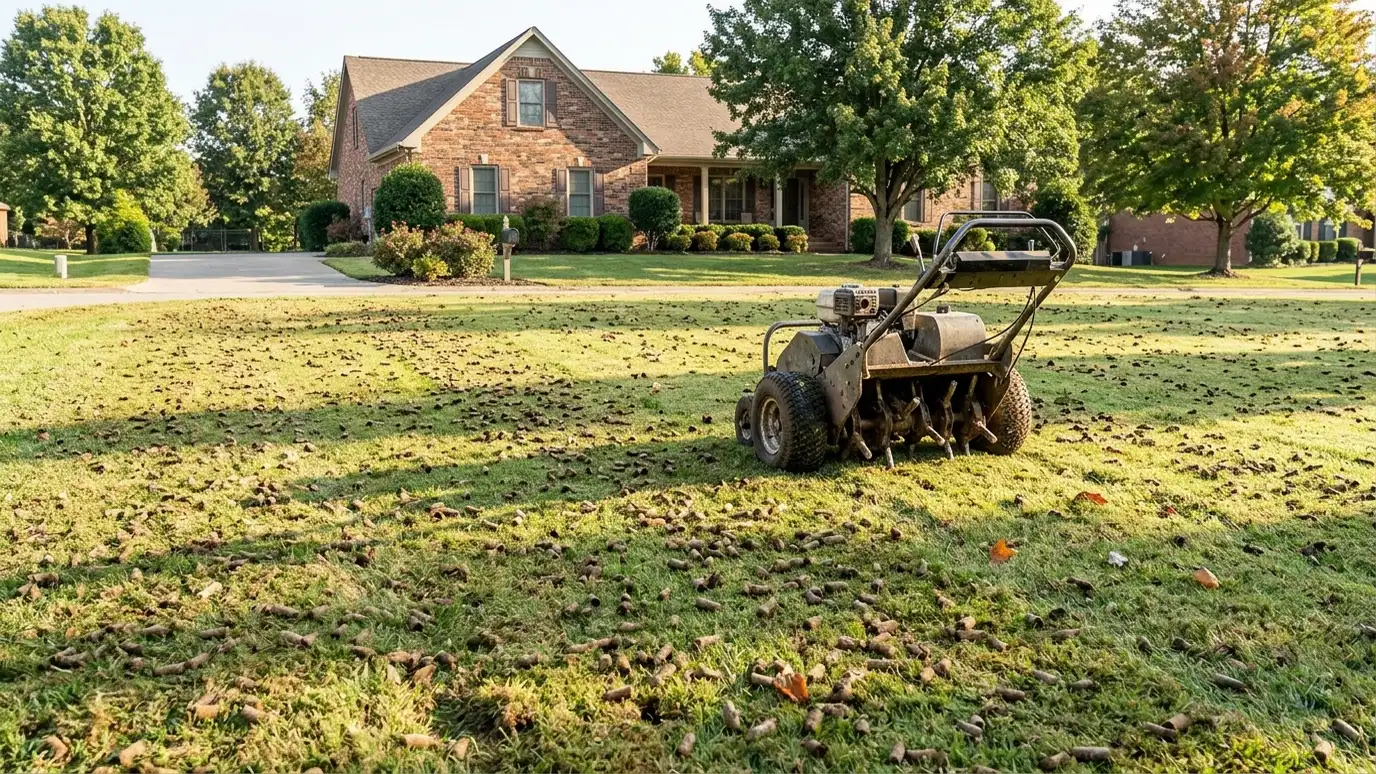 Core AerationMachine aeration that pulls small soil plugs to relieve compaction, so water, air and nutrients reach the roots.Explore
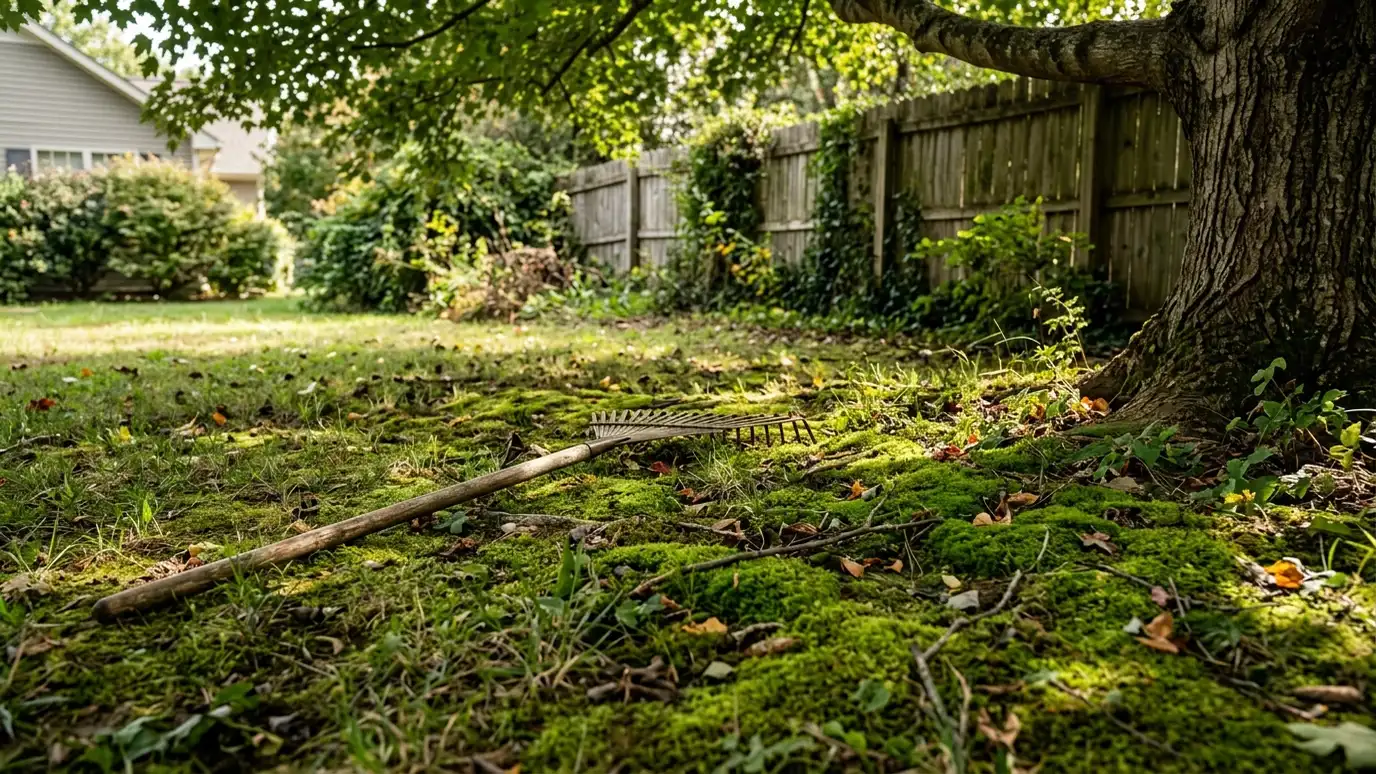 Moss and Algae ControlTreatment and fixes for moss and algae in shady, damp or compacted parts of your lawn, so grass…Explore
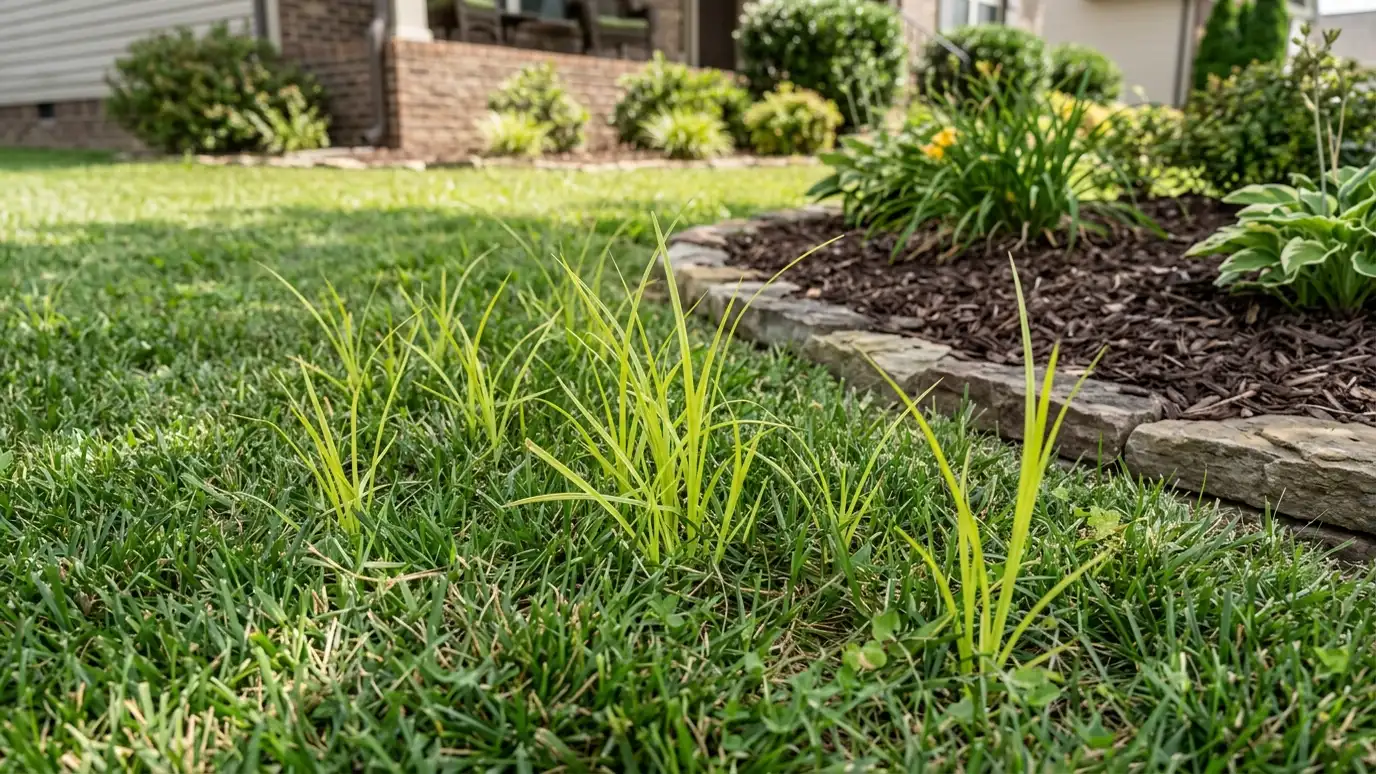 Nutsedge and Grassy Weed ControlSpecialized control for yellow nutsedge, wild garlic, goosegrass and other tough weeds that ordinary treatments miss.Explore
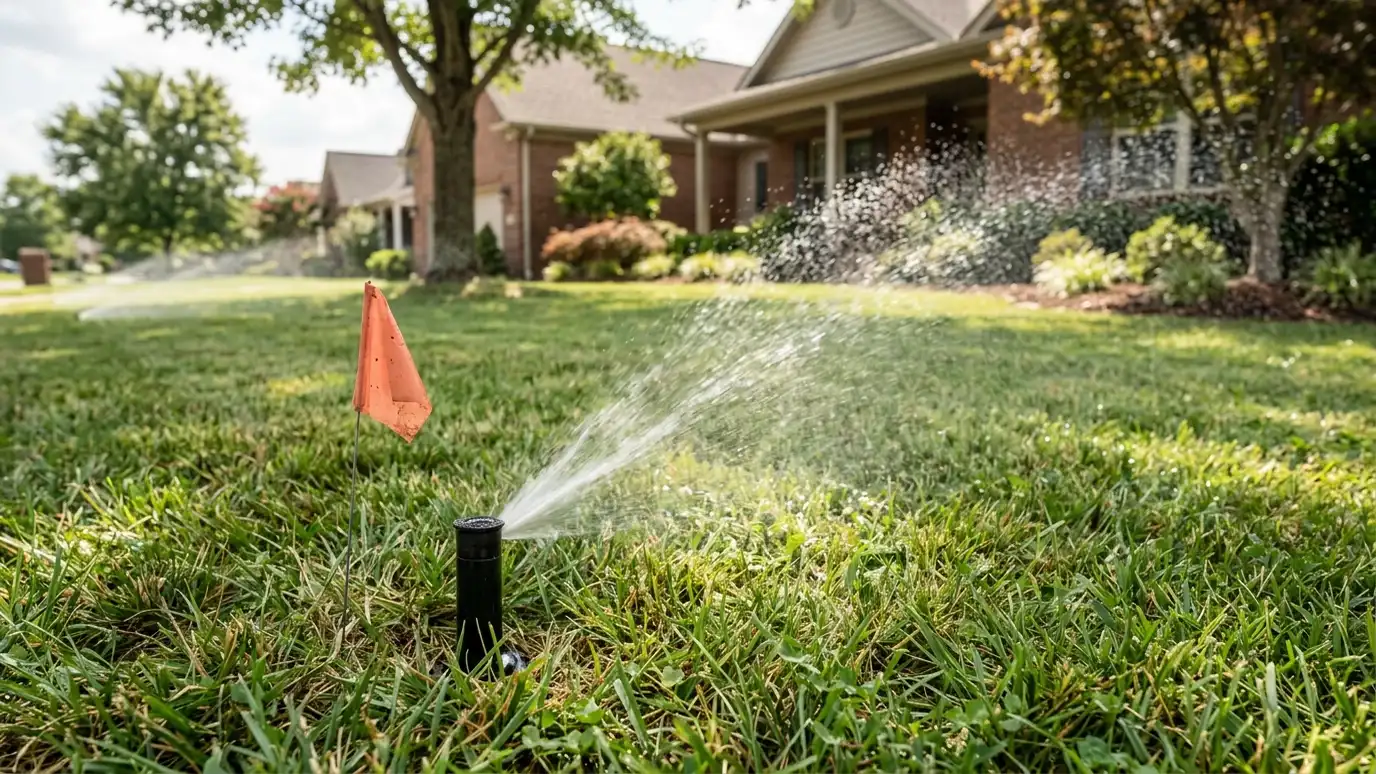 Irrigation Checkups and AdjustmentsZone-by-zone sprinkler inspections that find broken heads, poor coverage and wasted water, with adjustments for your lawn.Explore
Tell us about your lawn and we will call you back to set up a visit.
Or call (615) 357-7797 to talk now.