Mound treatment and broadcast baiting to reduce fire ants in lawns, play areas and beds, with a plan to keep them down.
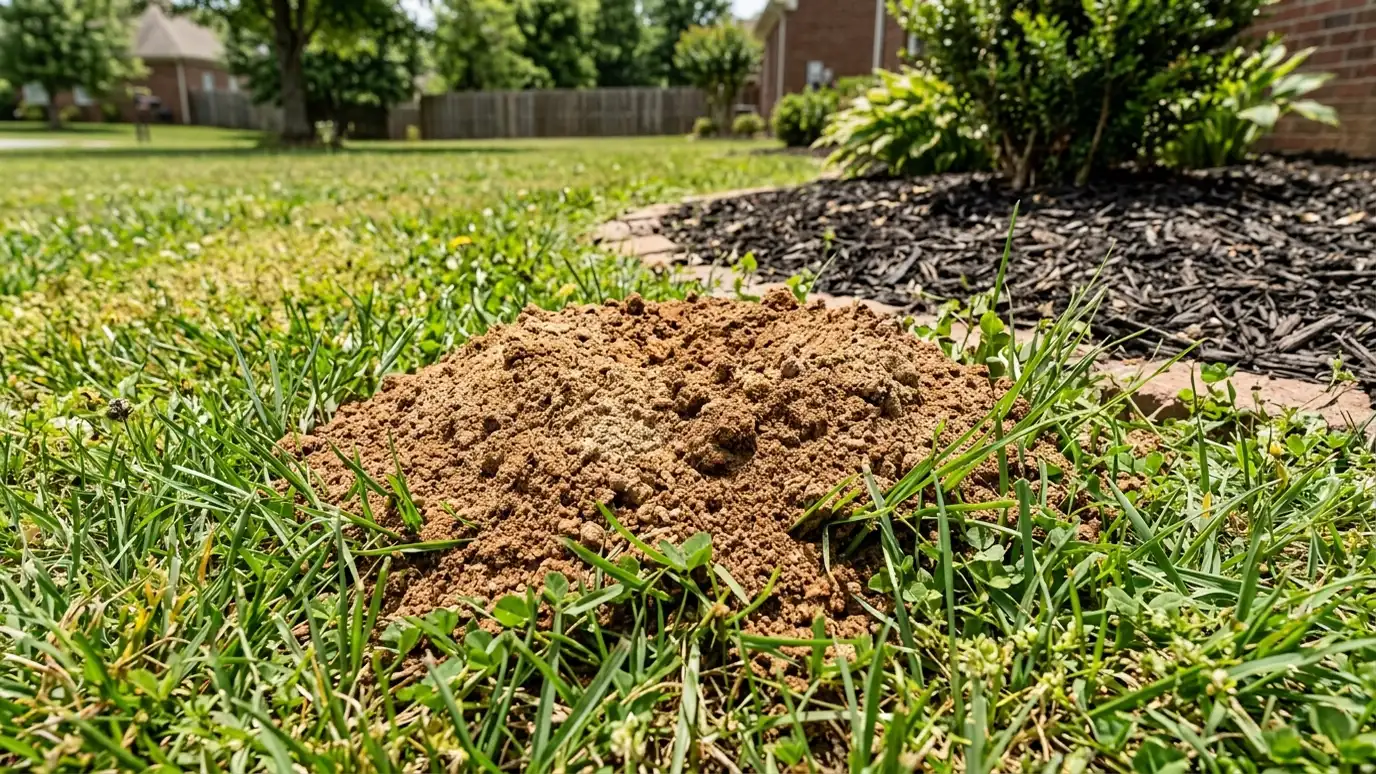
Fire ants have spread across Middle Tennessee, and a single mound can hold hundreds of thousands of aggressive ants with a painful sting. Mounds pop up in sunny lawns, along driveways and in flower beds, often after rain. They are more than a nuisance, because they make playing, mowing and gardening risky and can damage turf roots. Simply kicking a mound or pouring something on it usually just moves the colony. A systematic plan is more effective and safer.
Our approach combines two steps. Broadcast baits are spread over the lawn and beds, where worker ants carry them back to the colony and the queen, reducing the population over time. Individual mounds that need quick attention get a targeted treatment. We time applications to the weather and ant activity and follow the label for every product. We also explain how to avoid disturbing mounds and when to repeat, because a single treatment rarely keeps ants away for a whole season. Many customers choose seasonal service to keep numbers low.
Bait carried back to the colony reduces the queen and workers, which targets the whole population.
Individual mounds near walkways and play areas get a targeted treatment for quick relief.
Activity peaks in warm, moist weather, so we schedule treatments for when ants are foraging.
New queens move in, so seasonal visits keep the yard under control.
Drag the handle to compare.
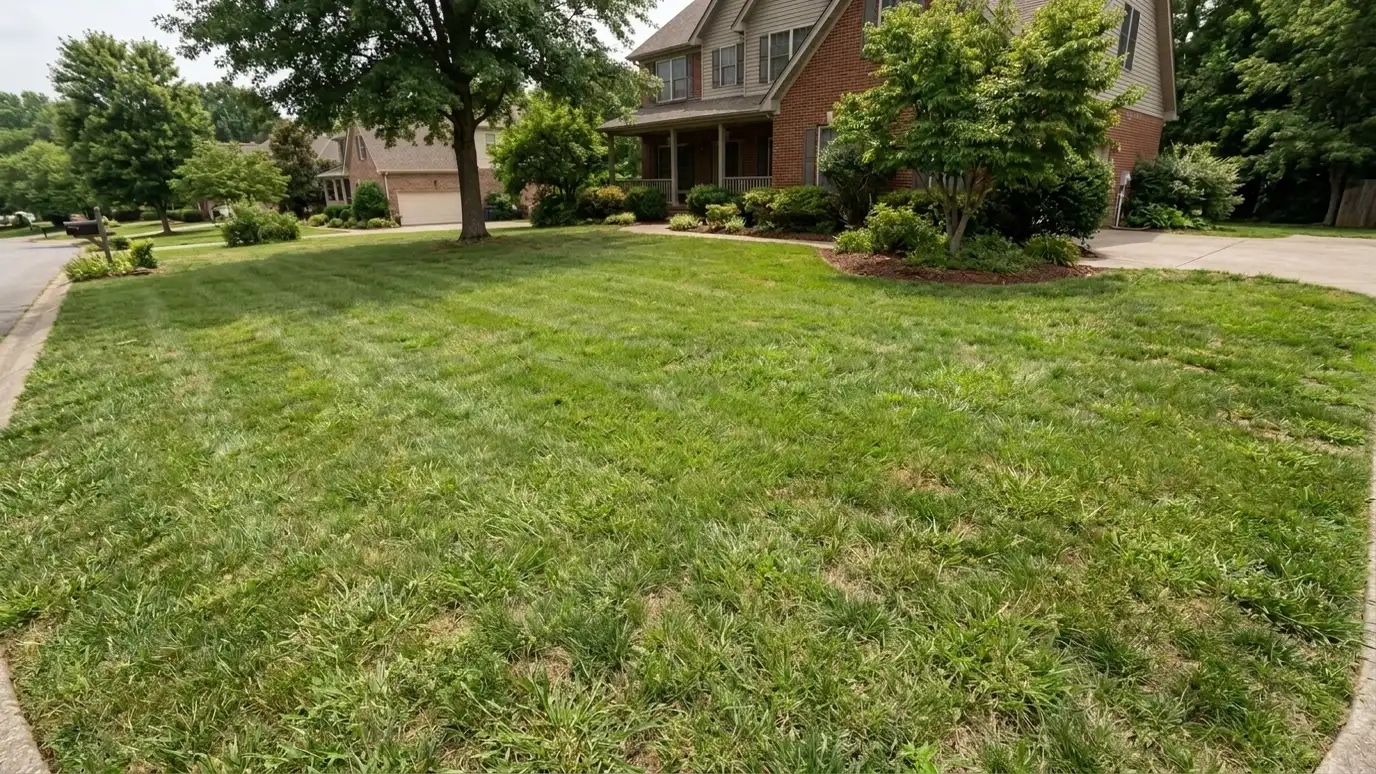
 BeforeAfter
Mounds and bait.
Not just the mound.
Warm, moist weather.
Safer yard.
Keep numbers down.
Clear guidance.
Every topic has its own page with what to expect and how we approach it.
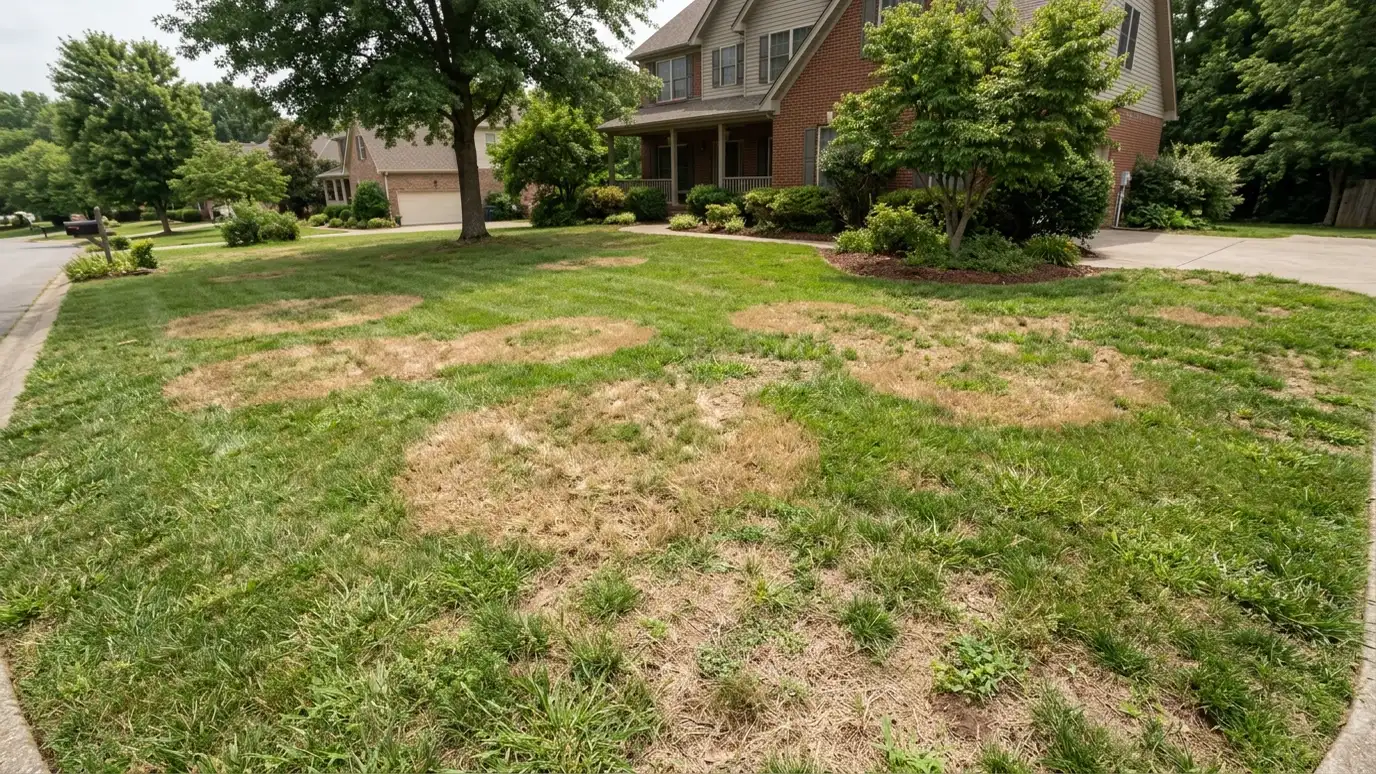
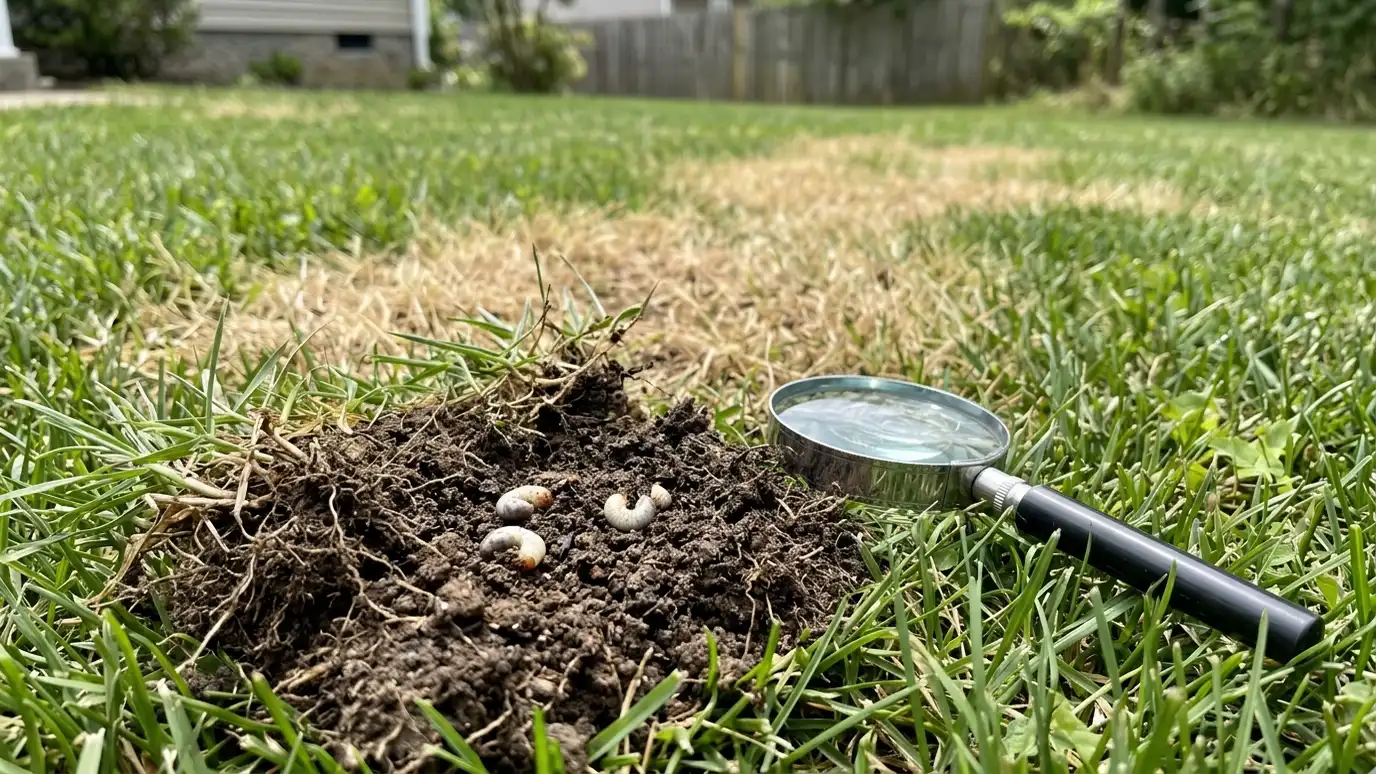 Topic guideDiseases and Pests GuideBrown patch, dollar spot, grubs, armyworms, chinch bugs and fire ants: signs, timing and what to do about…Learn more
 Topic guideLawn Care CalendarA season-by-season guide to feeding, weed control, seeding, aeration, pest watch and winter prep for Middle Tennessee lawns.Learn more
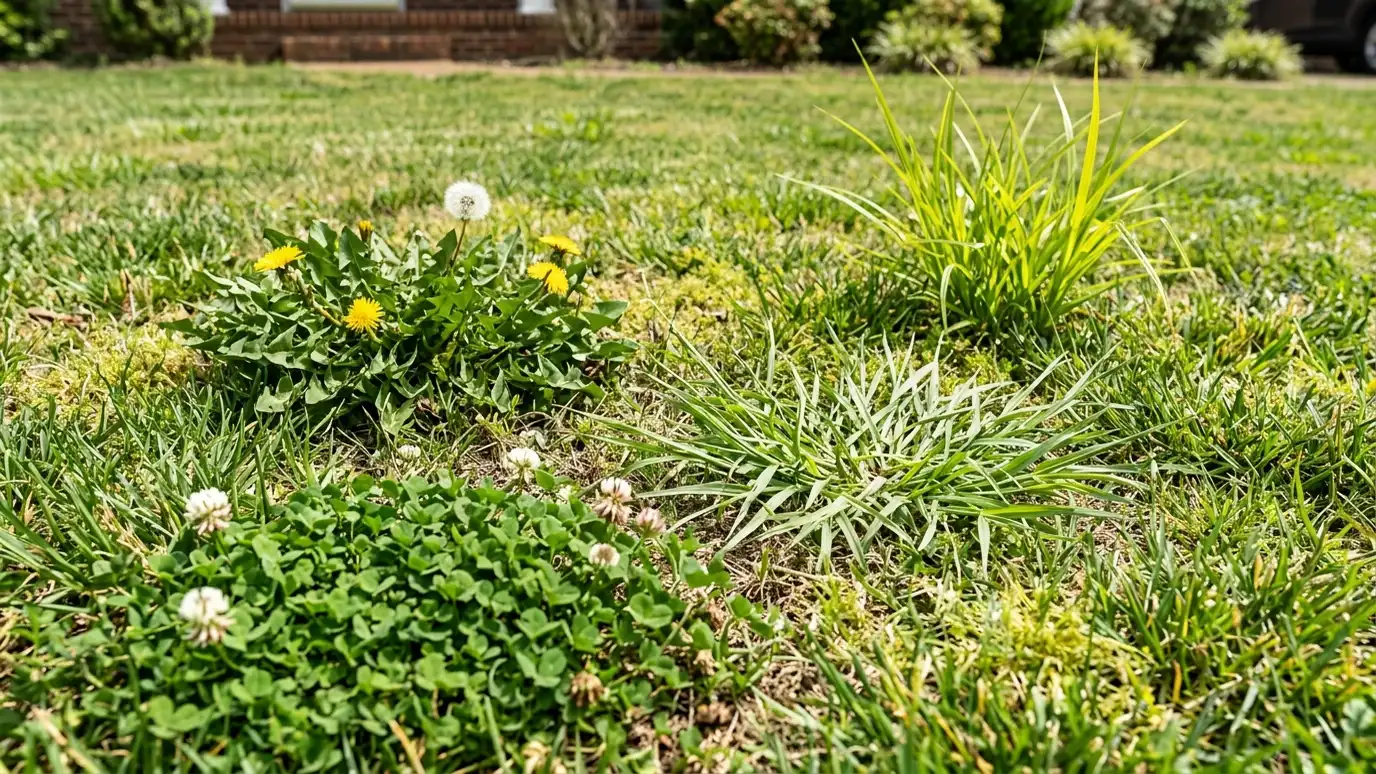 Topic guideWeed Types and ControlsCrabgrass, dandelion, clover, nutsedge, chickweed and more: how to tell them apart and what controls each.Learn more
Tick what you see in your lawn and get a priority list and a plain recommendation: care, treat, renew or renovate.
You tell us about your lawn and what you want to change, from weeds to a full program, and we set a visit that fits your day.
We walk the lawn, identify the grass, check the soil, weeds, pests and drainage and talk through your goals.
We build a calendar of treatments for your grass type and give you an itemized written estimate with options.
Visits are scheduled by season and weather, and any gates, pets or irrigation are noted.
Crews apply products and perform services with calibrated equipment and leave notes after each visit.
Each season we review the results with you and adjust the plan for the next one.
Home remedies often move the colony instead of eliminating it. Bait reaches the queen.
Bait can take a couple of weeks to reduce colonies. Mounds get quicker results.
New colonies can move in, so seasonal treatment helps keep them down.
Follow label directions and re-entry guidance. We explain how for each product.
Spring and fall are common, when ants are actively foraging.
 Mosquito ControlA barrier treatment for shrubs, shady areas and standing-water spots, to reduce mosquitoes so you can use your…Explore
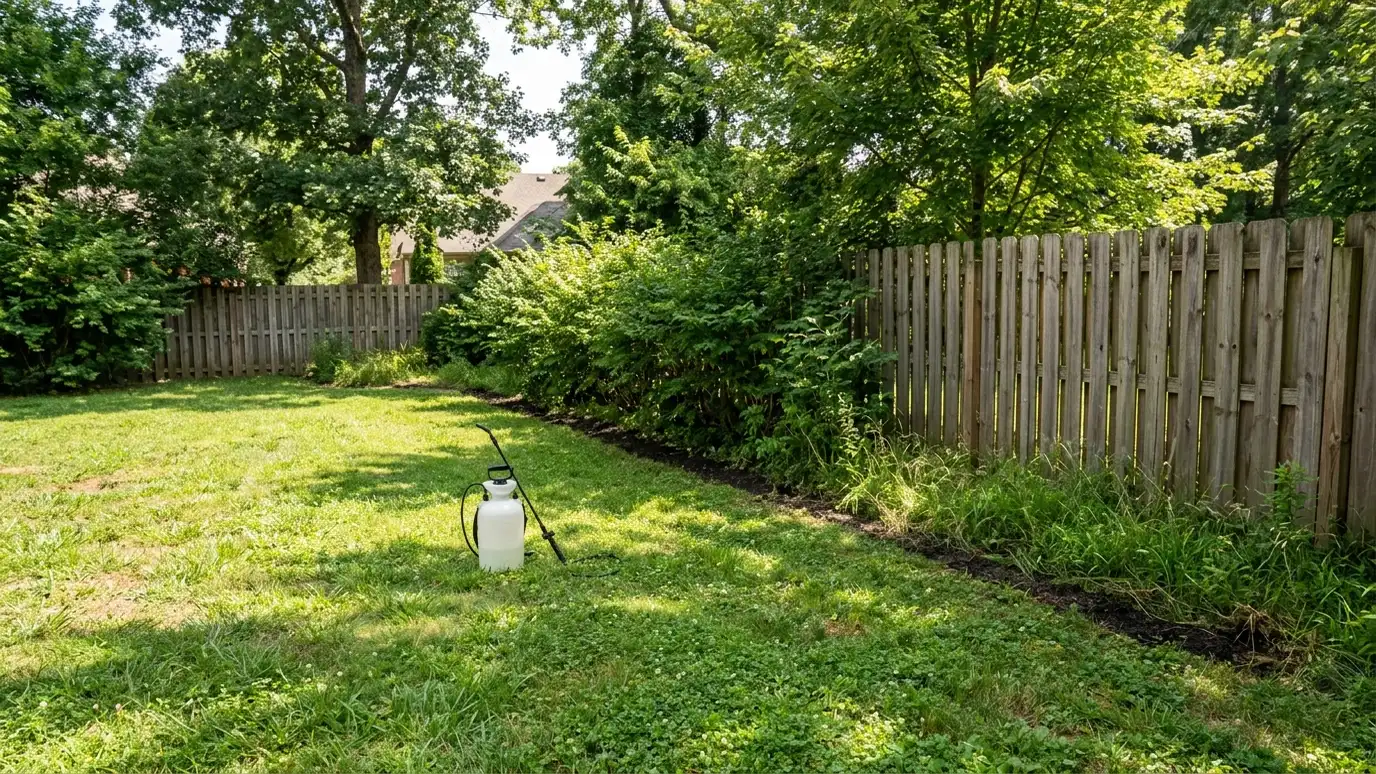 Flea and Tick Yard TreatmentA yard treatment aimed at the shady edges, tall grass and wood lines where fleas and ticks live…Explore
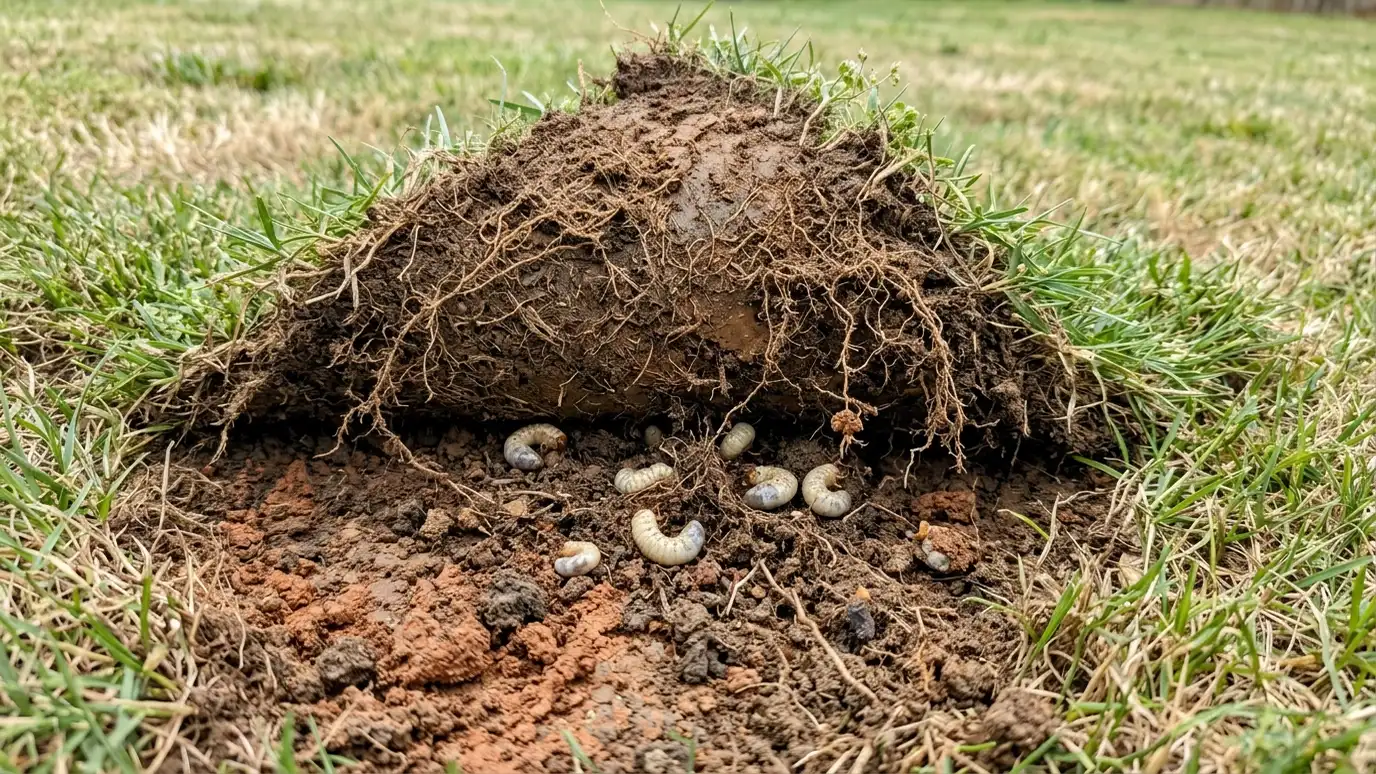 Grub ControlPreventive and curative grub treatment to protect your turf from white grubs that feed on roots and ruin…Explore
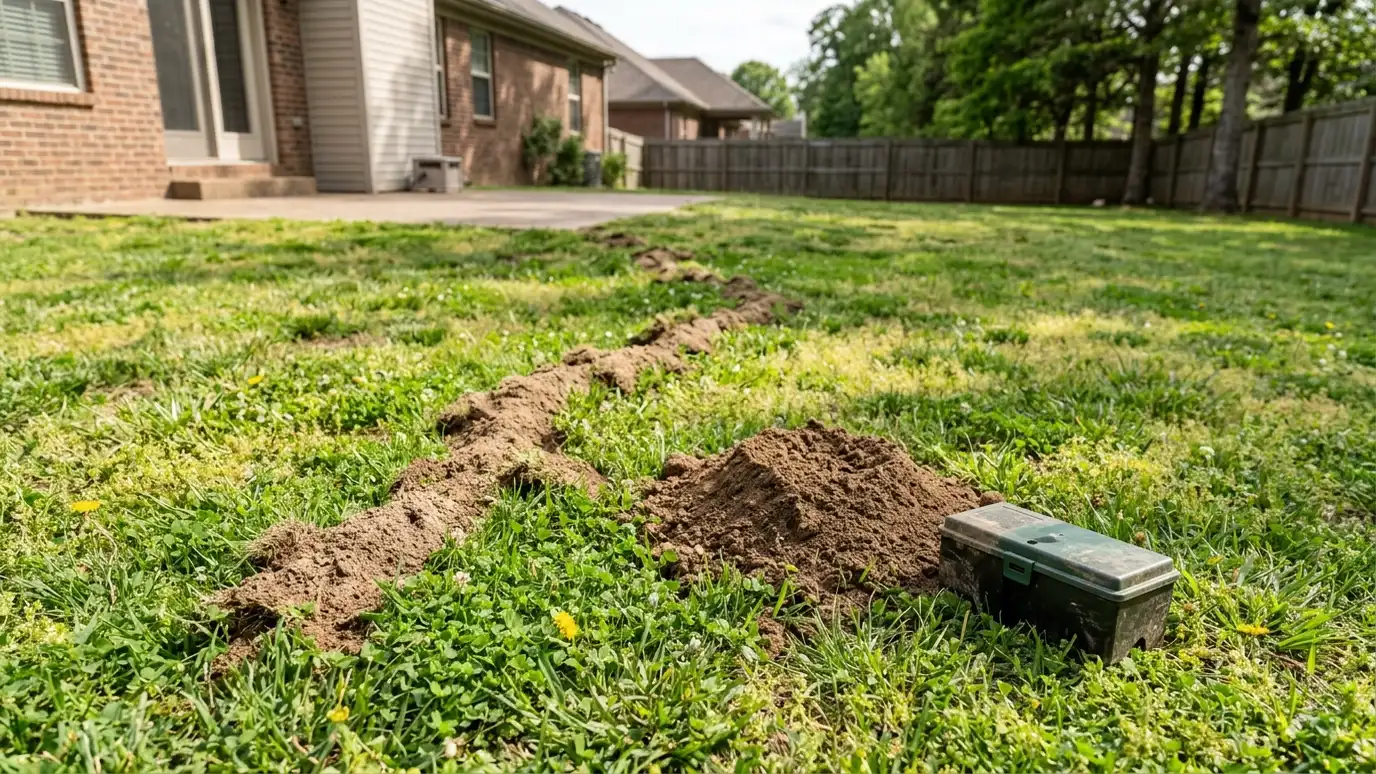 Mole and Vole Damage ControlIdentify what is tunneling in your lawn and reduce the damage with targeted control and turf repair.Explore
Tell us about your lawn and we will call you back to set up a visit.
Or call (615) 357-7797 to talk now.