Start with the soil
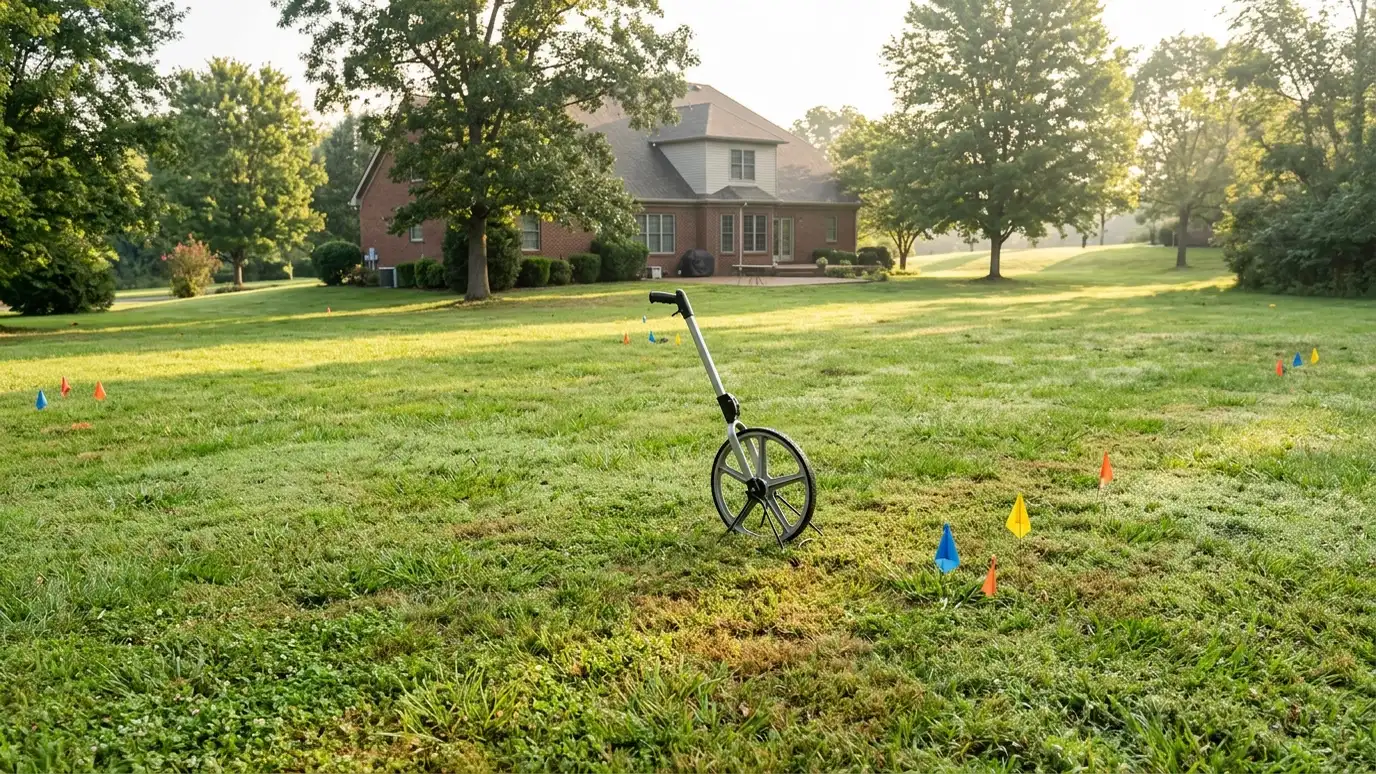
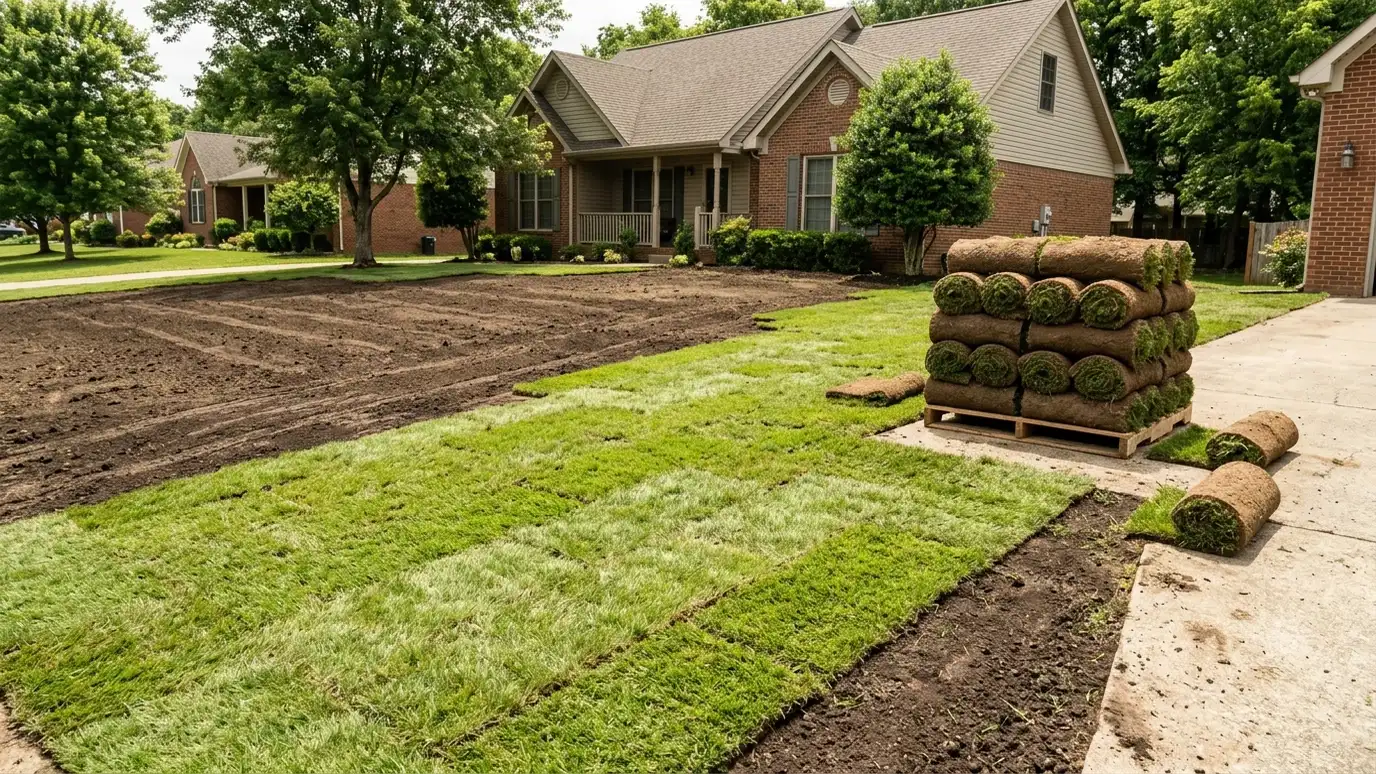
New-home yards are often compacted subsoil with little organic matter. Loosen the ground, remove debris, add compost and check the grade so water drains away from the house. Soil work is the biggest factor in success.
A soil test shows if lime or nutrients are needed.
Walk the yard after a heavy rain and note where water collects. Fixing grade before planting prevents years of wet spots.
Pick the grass
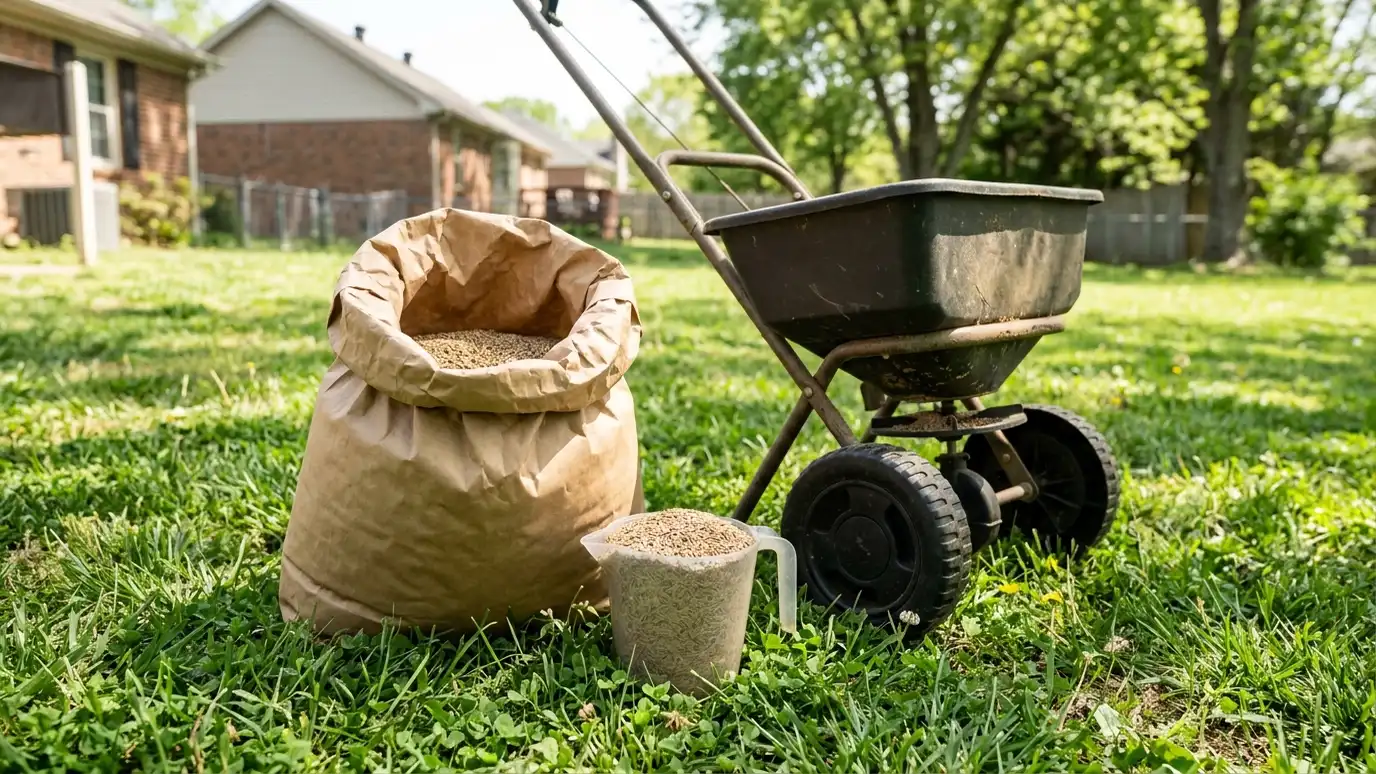
Sun, shade, use and goals decide the grass. Tall fescue suits partial shade, bermuda and zoysia suit sun and heat, and blends fit mixed conditions. Choose varieties suited to Tennessee.
Avoid bargain mixes that contain fillers.
Ask your builder what was done to the soil, and request any soil test data they may have. It tells you what to expect.
Seed, sod or hydroseed
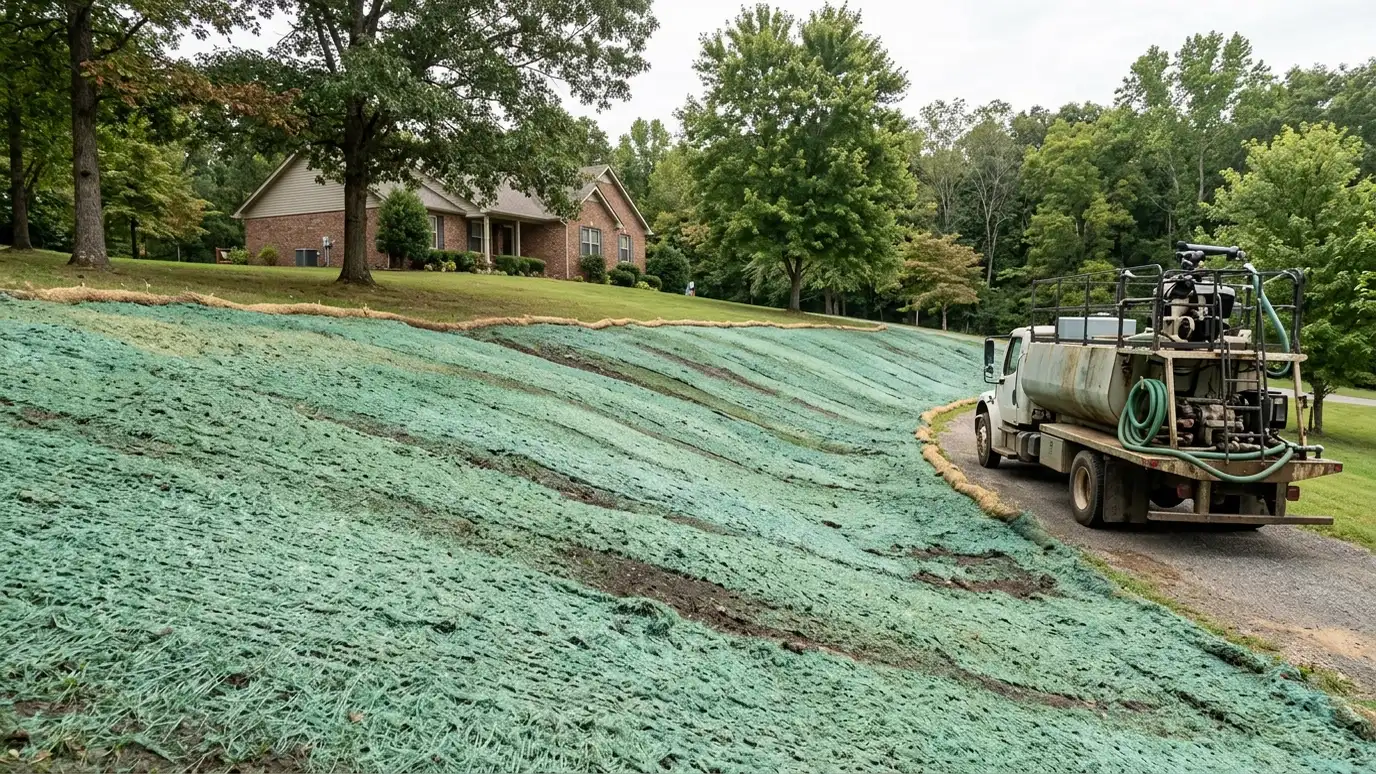
Sod gives instant results, seed is least costly and hydroseed suits large areas and slopes. Each can succeed with good prep and watering. Consider timing, budget and how fast you need results.
Our seeding versus sod guide compares them in detail.
Order seed or sod a few days before planting and keep it in the shade until you are ready. Fresh material establishes best.
Plant at the right time
Early fall is best for cool-season grass, and late spring is best for warm-season grass. Spring seeding of fescue is possible but riskier because summer heat arrives before roots are deep.
The right window can double your success.
Check the forecast before planting. A mild, damp stretch of weather is ideal, and a heat wave or hard freeze is not.
Water carefully
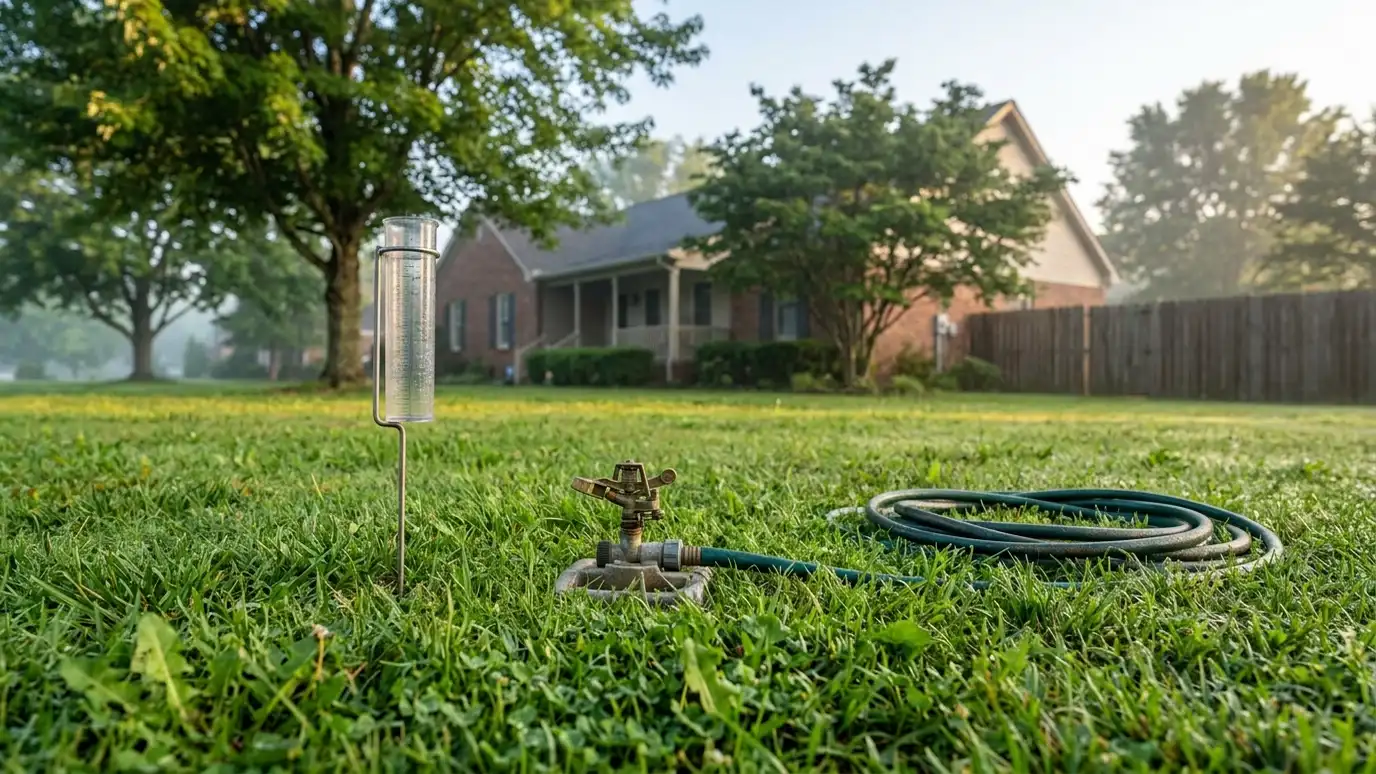
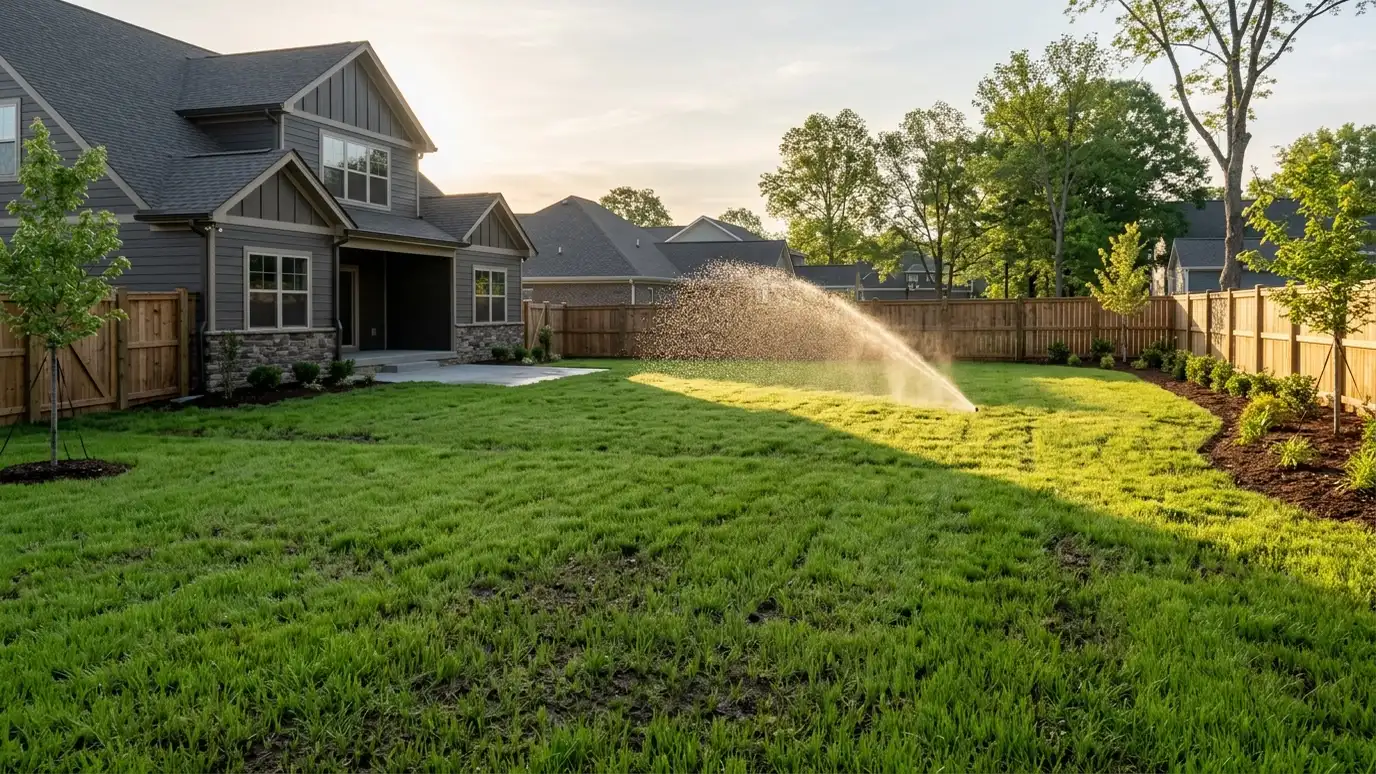
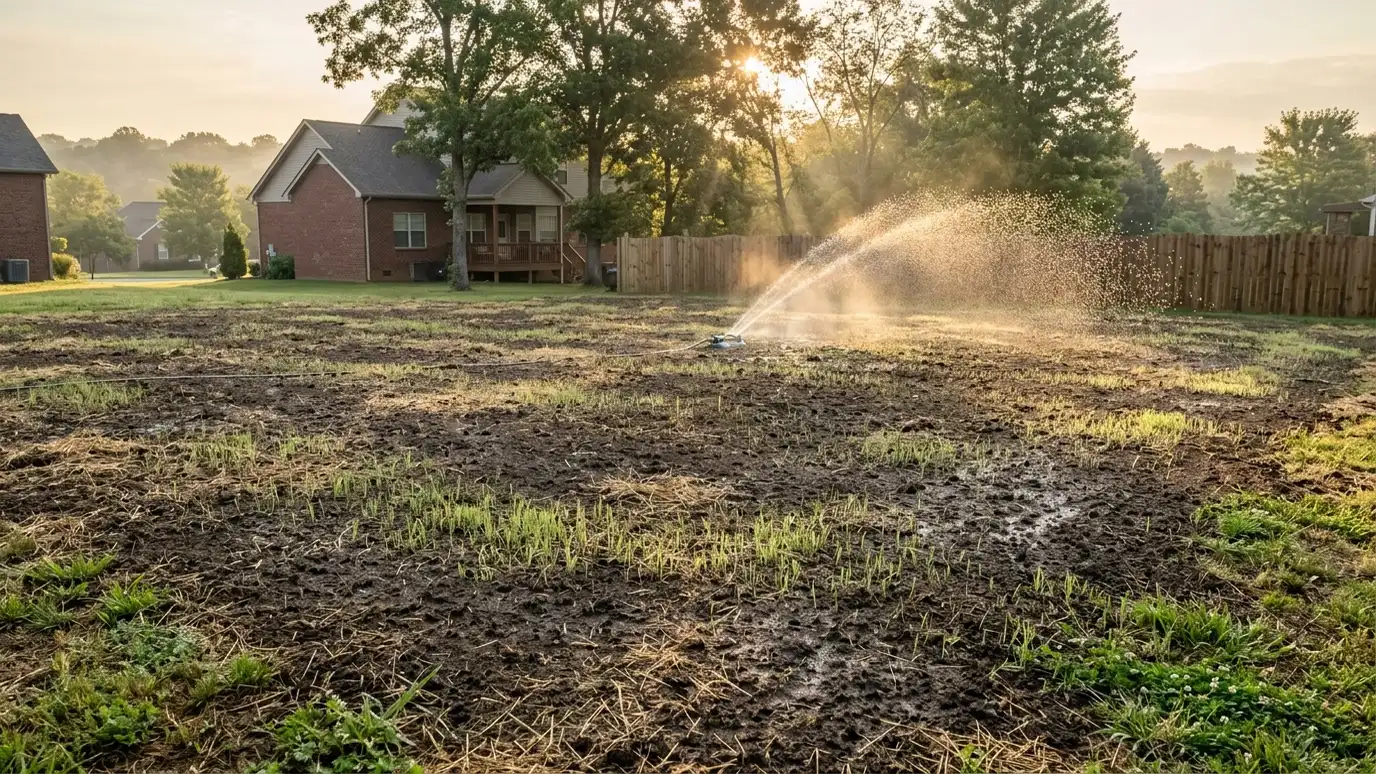
Seed needs the top inch moist until it sprouts, often with several short waterings a day. Sod needs frequent watering for the first two weeks. Then shift gradually to deeper, less frequent watering.
Never let new seed dry out.
Set a timer for watering the first few weeks. Missing a day in the first month is the most common reason for patchy results.
First mow and feeding
Mow new grass when it reaches the recommended height, with a sharp blade and the mower at a high setting. Feed with starter fertilizer at planting and a light follow-up a few weeks later. Delay weed killers until the grass is established.
Keep traffic light for the first weeks.
Keep a few bags of starter fertilizer and seed on hand for touch-ups. A quick patch early keeps small spots from growing.
The first year
Expect weeds to appear and thin spots to show. Spot treat gently, overseed where needed and keep watering through the first summer. By the second year the lawn is far tougher.
Patience in year one pays off for years.
Take a monthly photo of the lawn through the first year. Seeing the progress keeps you patient during the slow weeks.
Prepare the soil, plant at the right time, keep it moist and be patient through the first year.