Why summer is hard
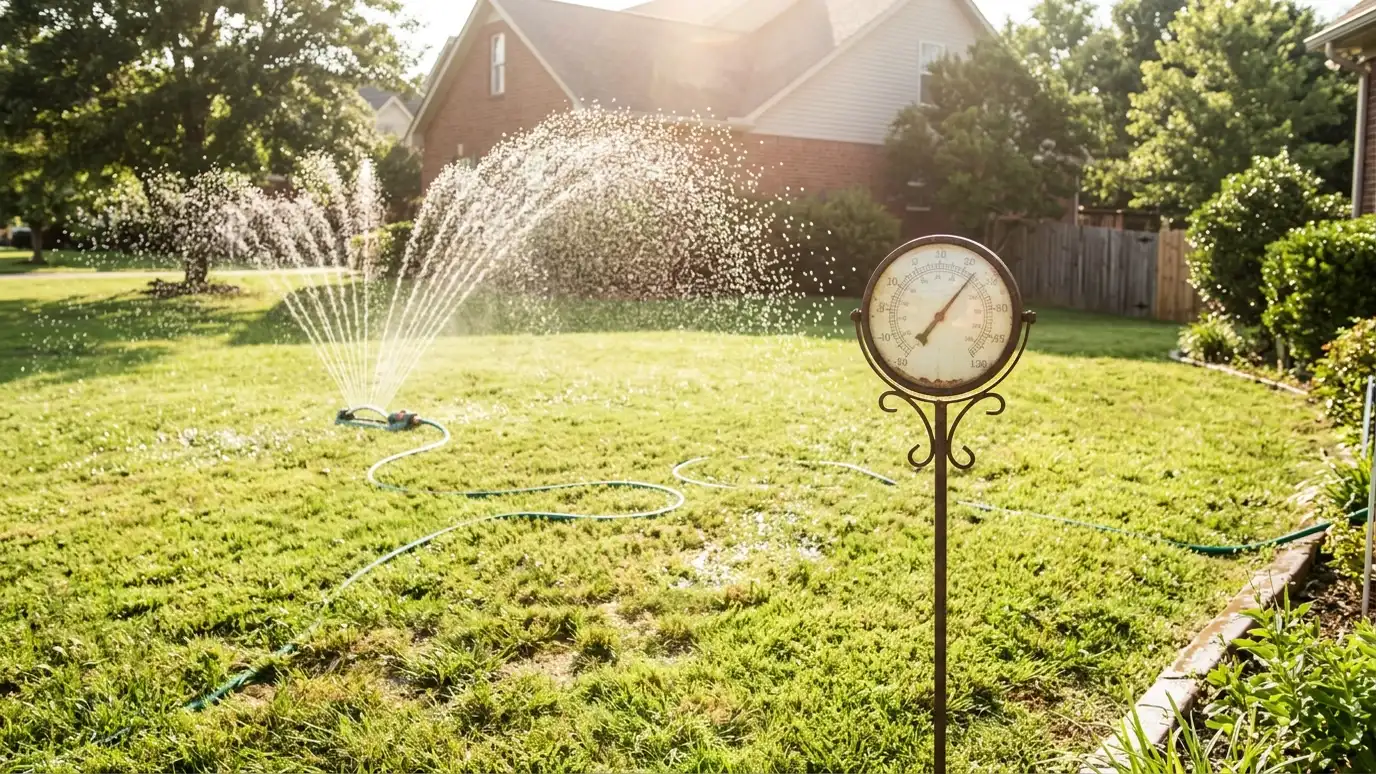
Heat, humidity and dry spells stress grass, especially cool-season varieties. Warm nights invite disease, and drought slows growth. Many lawns look worst in August even if they were fine in June.
Preparation in spring and fall makes the difference.
Check the forecast each week and plan watering and mowing around heat waves. Small adjustments protect the lawn on the hardest days.
Mow higher
Raise the mowing height for summer. Taller grass shades the soil, keeps it cooler and develops deeper roots. Keep blades sharp and never remove more than a third.
Skipping the bag keeps nutrients and moisture in.
Raise the mower deck at the start of June and leave it there until September. The change is easy and effective.
Water deep, water early
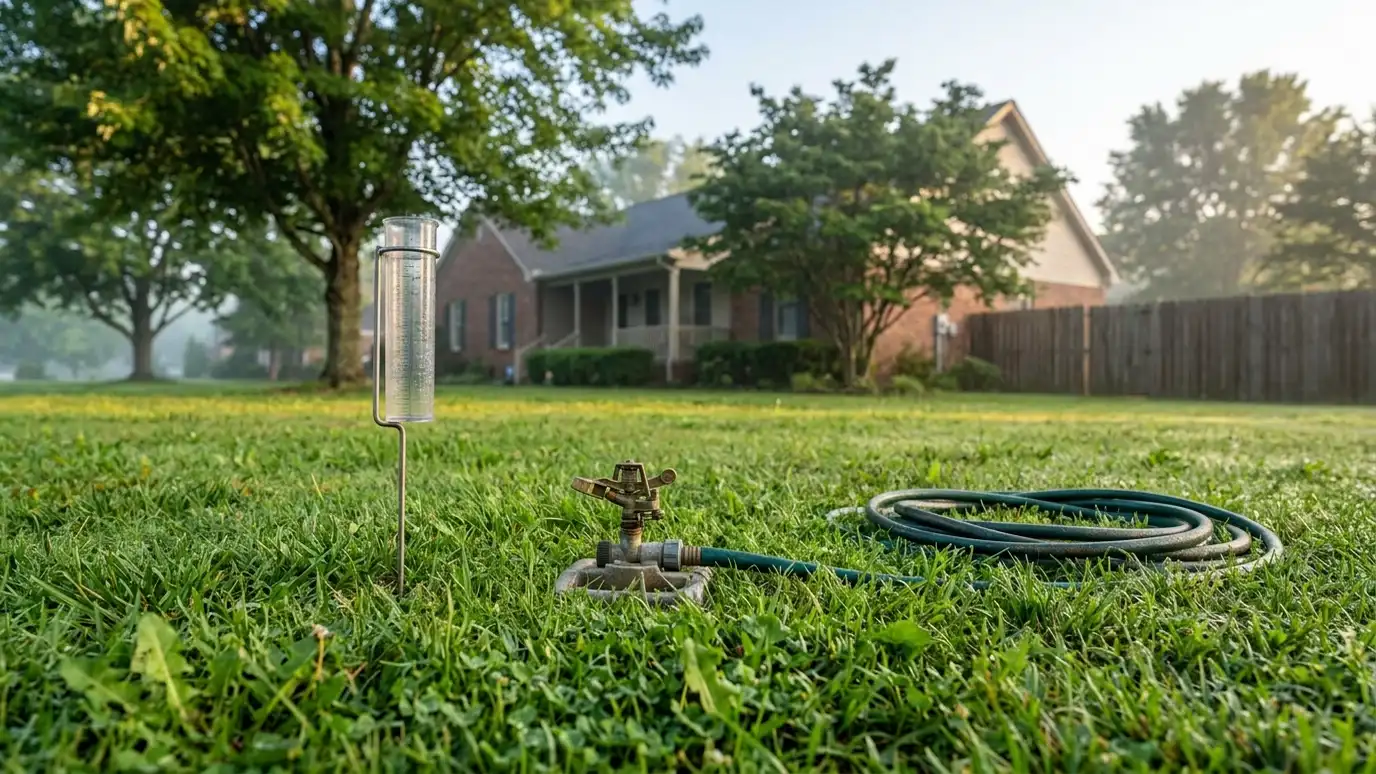
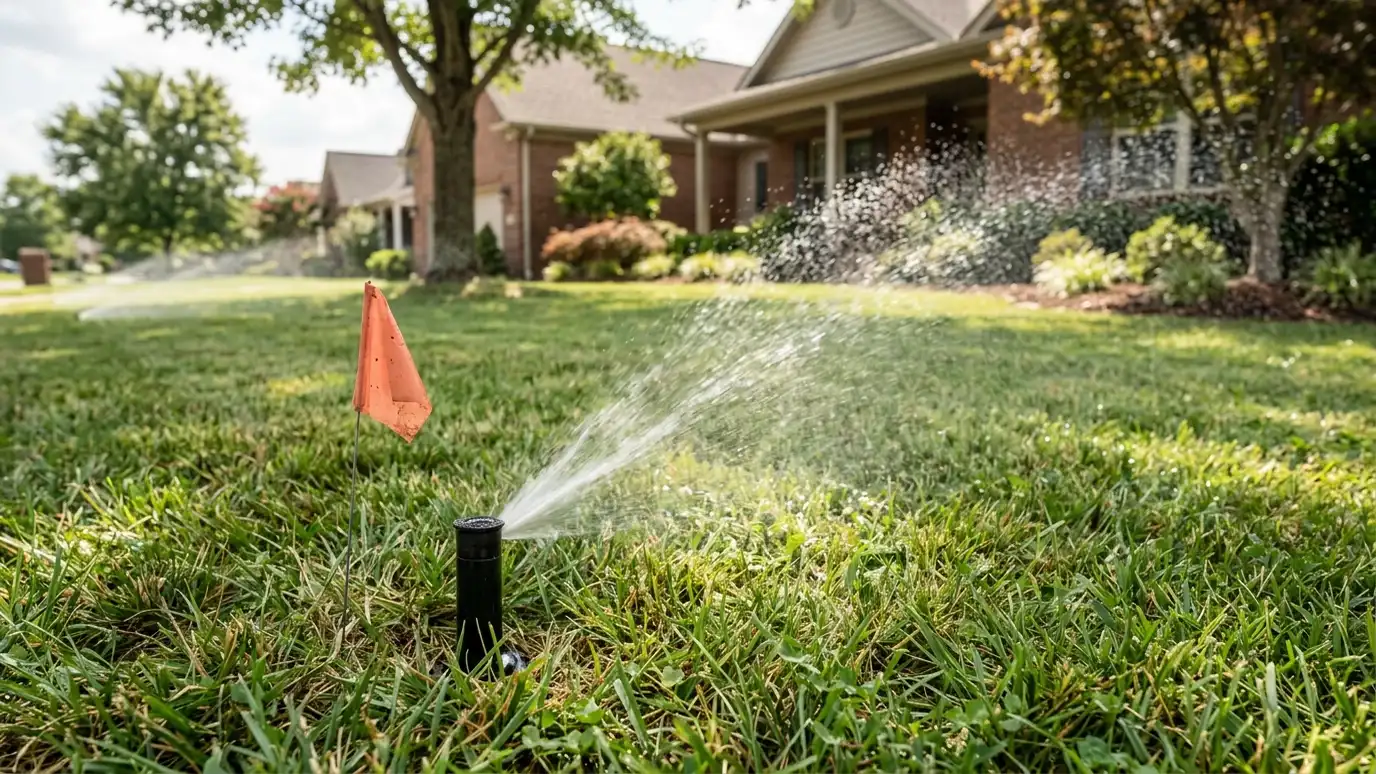
Deliver about an inch of water a week, early in the morning. Deep watering encourages roots to reach moisture. Avoid evening watering, which invites fungus.
A rain gauge shows what you really need to add.
Water at dawn, when winds are calm and the air is cool. It saves water and helps the lawn dry quickly during the day.
Feed carefully
Heavy nitrogen in hot weather feeds disease on fescue. Use light, slow release feeding or skip it, and rely on spring and fall feeding. Warm-season grass takes summer feeding well.
Do not fertilize a drought-stressed lawn.
Skip the heavy feeding in the hottest weeks and plan a fall feeding instead. The lawn will use it much better.
Watch for pests and disease
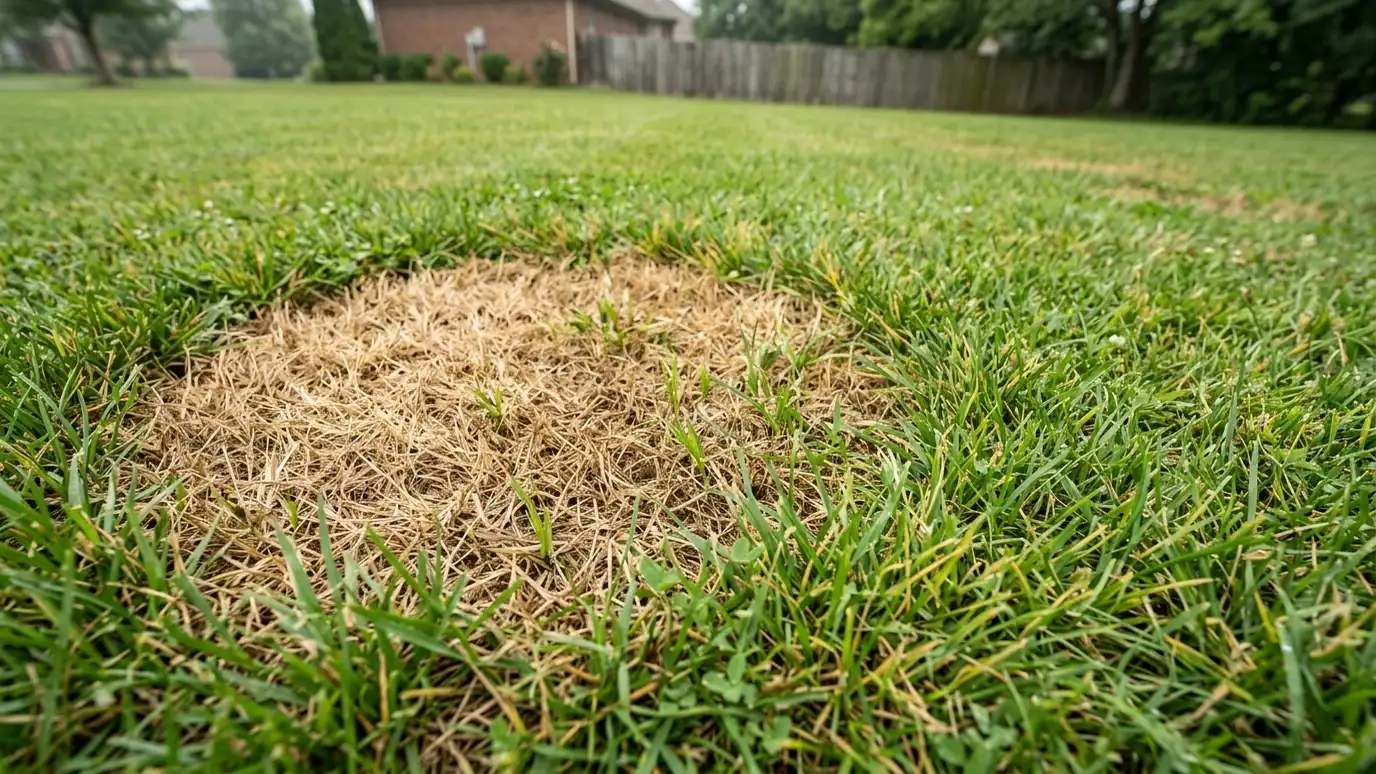
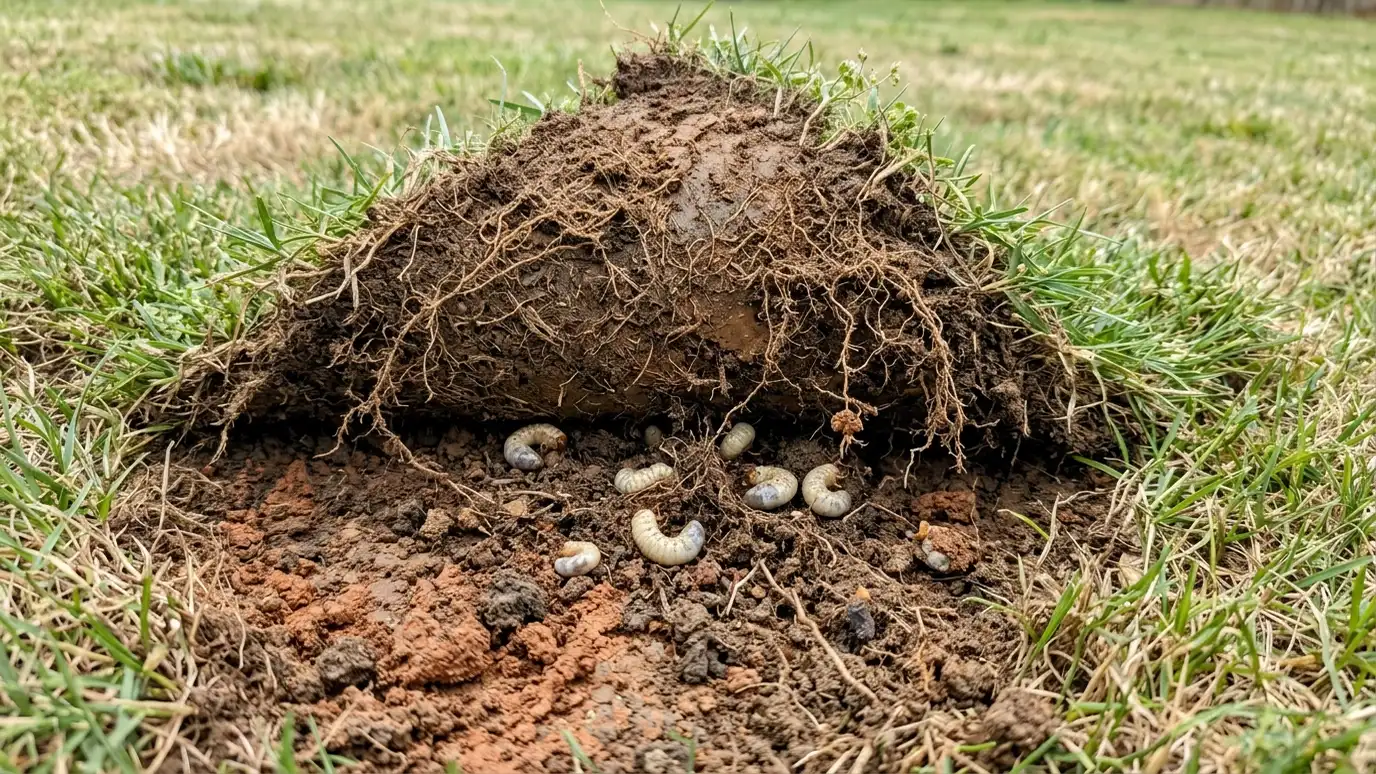
Scout for brown patch, armyworms, chinch bugs and grub damage. Early treatment is far more effective than late. Apply grub preventive in early summer.
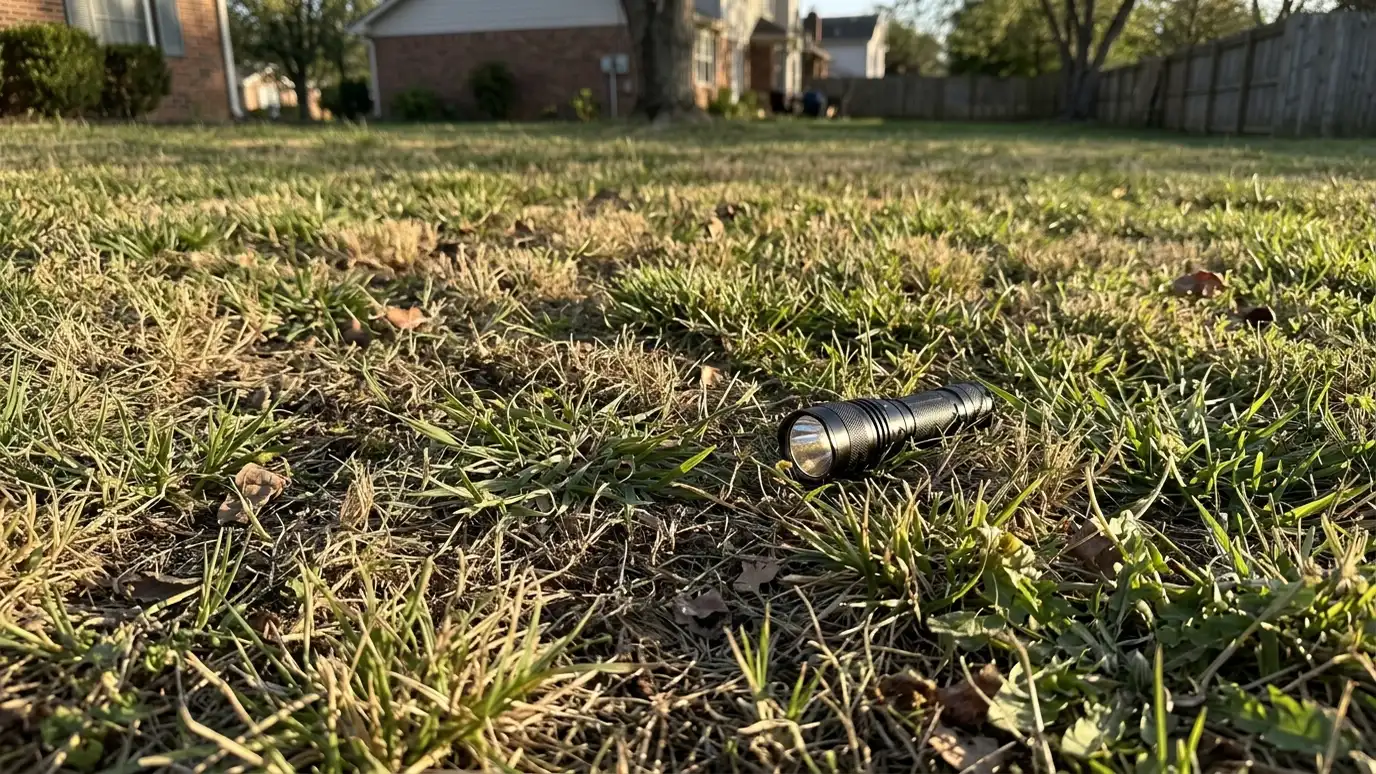
Look at your lawn weekly and early morning.
Walk the lawn each week with a cup of coffee and look for color change. Catching a problem early makes treatment easier.
Reduce stress
Limit foot traffic on stressed turf, and avoid herbicide use in extreme heat. Keep the lawn clear of debris and leaves. Consider shade or irrigation improvements for hot spots.
A lawn can rest through a short dry spell.
Keep pets and children off stressed areas where possible. Foot traffic on drought-stressed turf leaves lasting marks.
Recovery in fall
When fall arrives, aerate, overseed and feed. This renews thin areas and sets the lawn up for next summer. Fall is the time to fix what summer damaged.
Do not panic in August. Plan for September.
Order seed in late summer so it is on hand for the first cool weekend. Early action gives the best fall renewal.
Mow high, water deep, feed lightly and plan to repair in the fall.