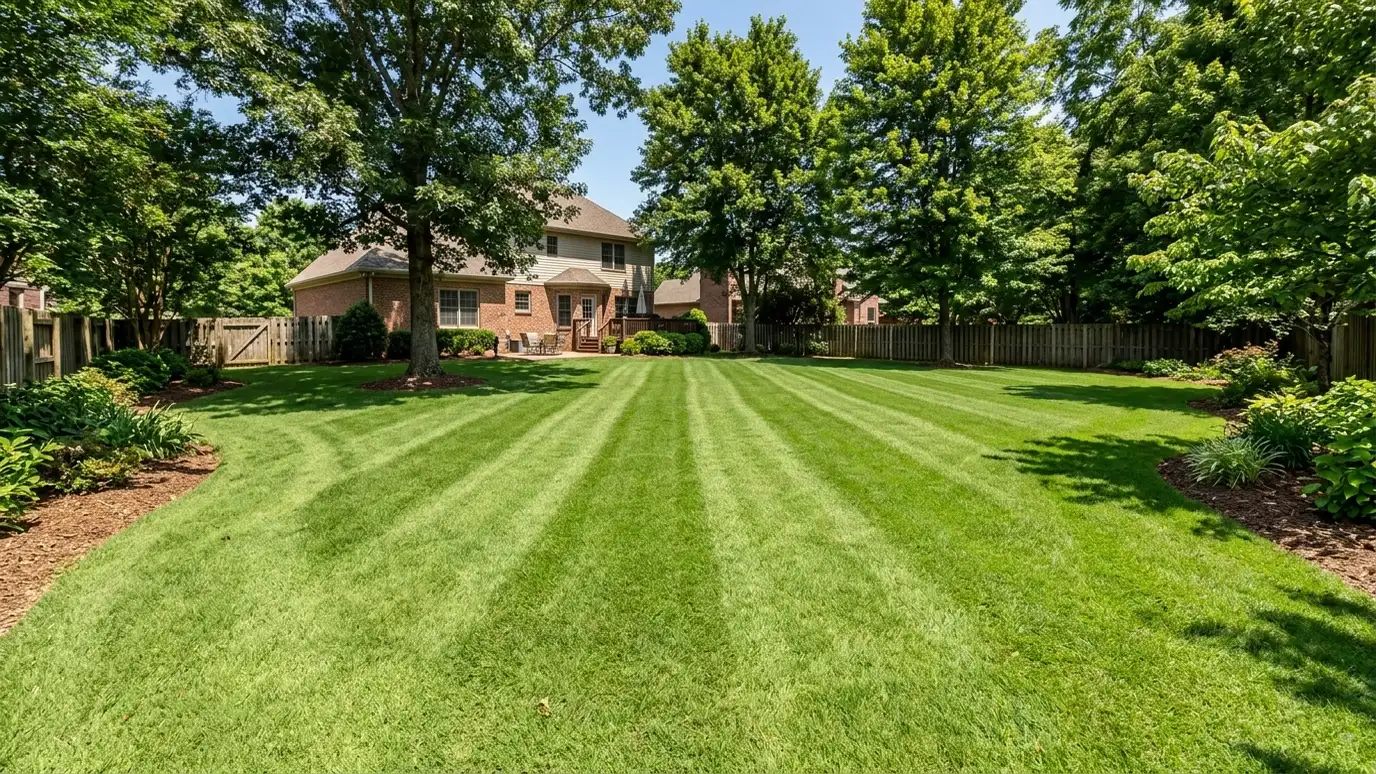
A tough, fine-textured warm-season grass that loves full sun, heat and traffic, and rests brown through winter.
Bermudagrass is a warm-season grass that thrives where fescue struggles: full sun, heat, and heavy wear. It spreads by runners above and below the ground, which lets it fill gaps and repair itself, and it has a fine, dense texture that mows into a smooth, carpet-like surface. In Middle Tennessee, bermuda is popular on sunny lots, sports fields, golf-style lawns and anywhere a tough, fast-growing turf is needed.
Bermuda does ask for sun. It needs at least six to eight hours a day, and it fades in shade. It also goes dormant after the first hard frosts, turning tan until late spring, which surprises homeowners used to green fescue. In return, it handles drought and heat better than cool-season grasses. Good bermuda care means mowing low and often, feeding through summer, controlling thatch and dealing with its tendency to creep into beds and cracks.
Six to eight hours.
Great for play.
Runners fill gaps.
One to two inches.
Tan until spring.
It creeps.
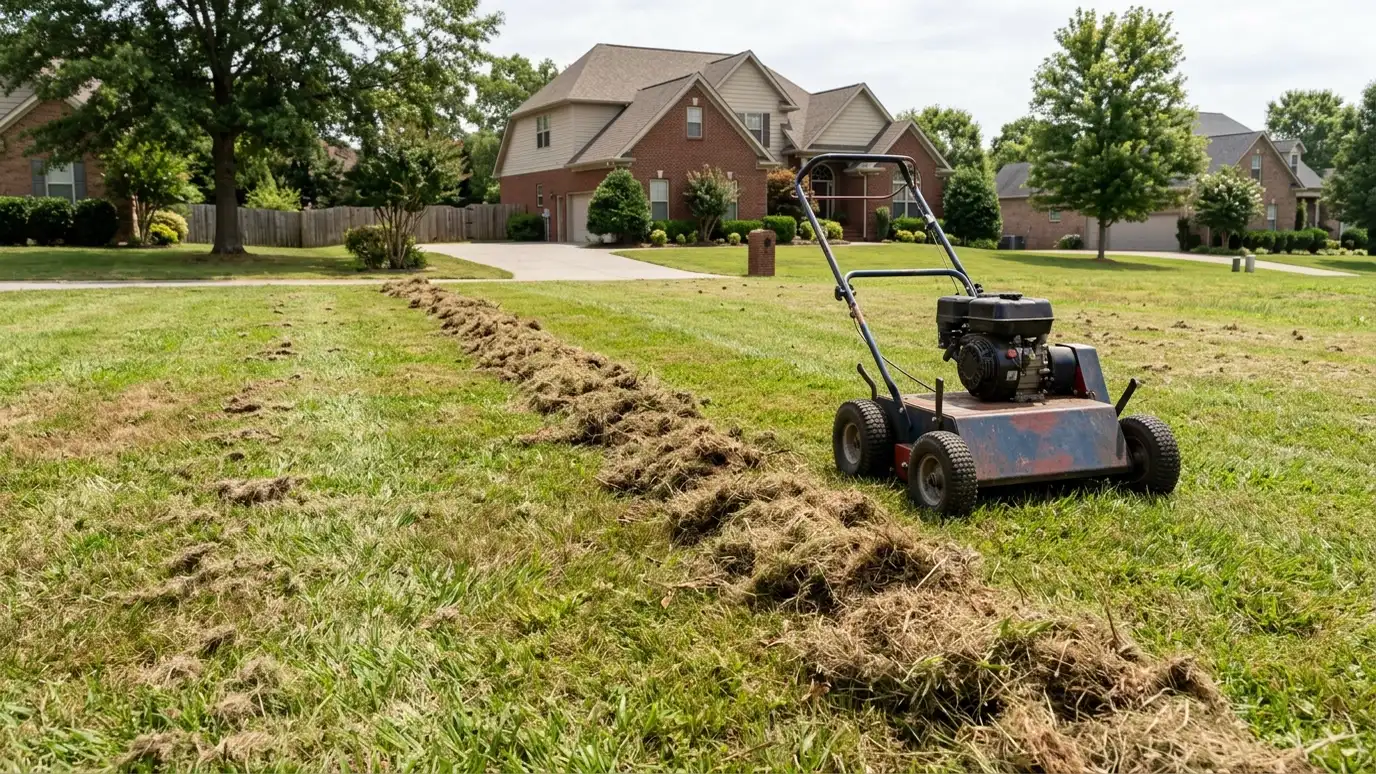 Dethatching and Power RakingRemoving the thick mat of dead stems and roots that blocks water and air, so your lawn can…Explore
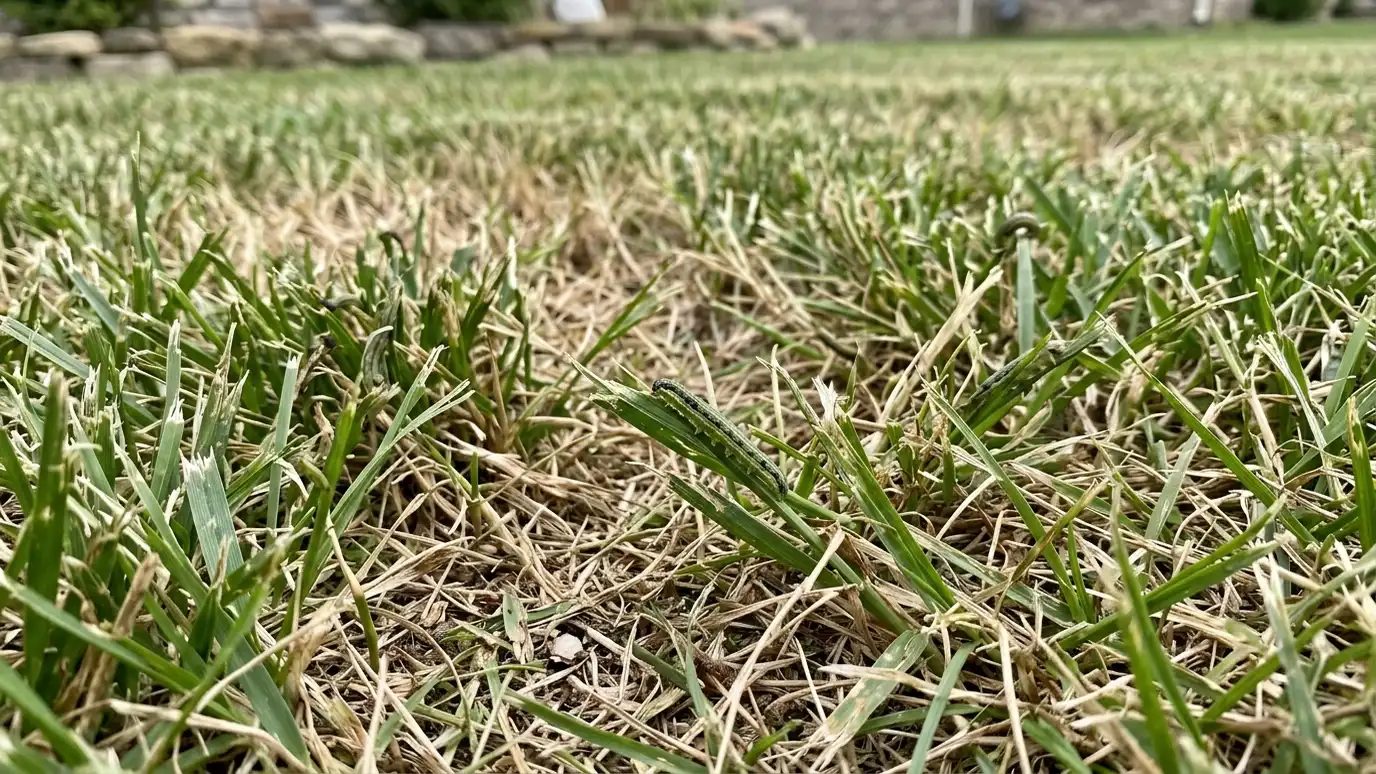 Armyworm and Sod Webworm ControlQuick response to caterpillars that chew grass blades, with scouting, treatment and recovery advice for the late-summer season.Explore
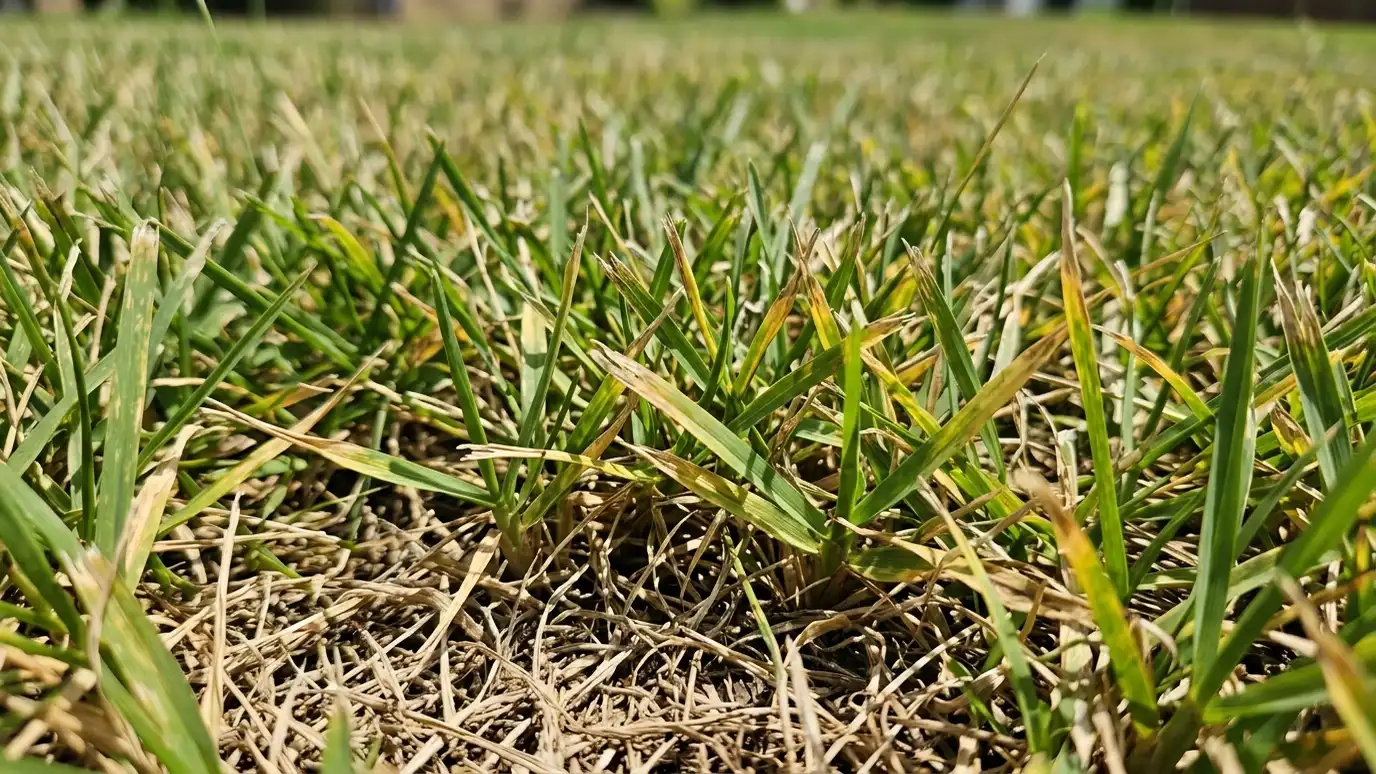 Chinch Bug and Insect ControlIdentification and treatment of chinch bugs, mites and other turf insects that cause yellow, dying patches in hot…Explore
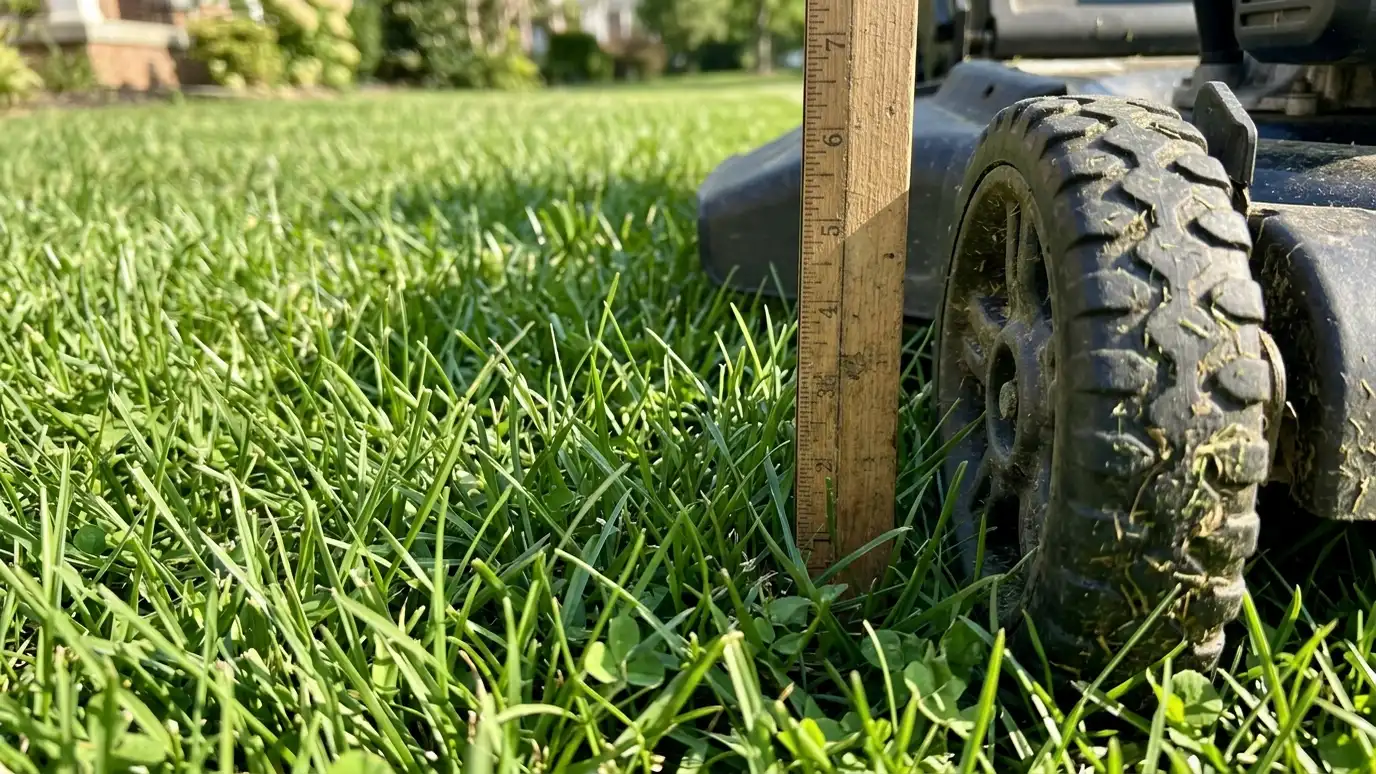 Mowing Height and Turf Health PlansA mowing plan tuned to your grass type and season, because the right height and schedule are among…Explore
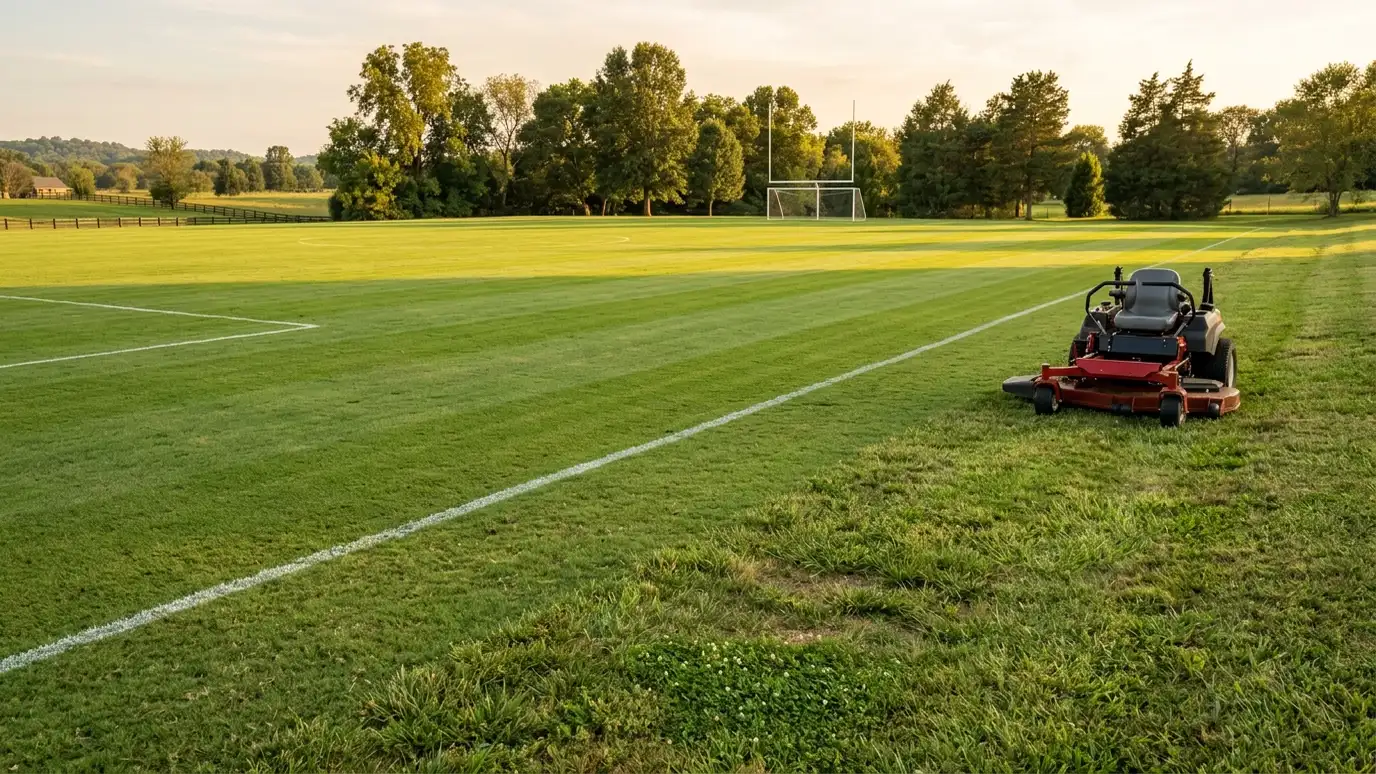 Athletic Field and Sports Turf CareMowing, aeration, seeding, fertilization and renovation for sports fields, play areas and backyard turf that takes a beating.Explore
Take the quiz, check your lawn or ballpark a budget.
 Which Lawn Service Do I Need? QuizAnswer five questions about your lawn, your goals and your budget to see which lawn services to start with.Try it
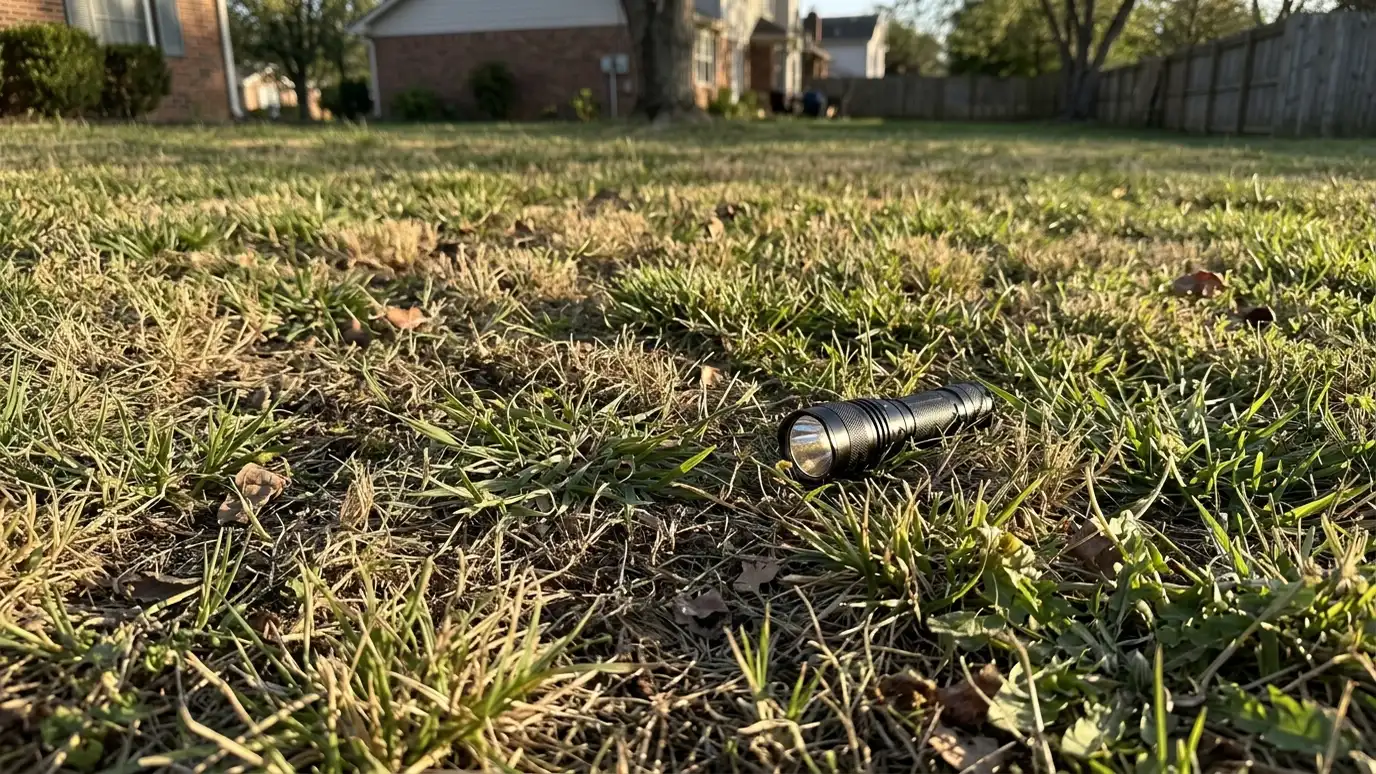 Lawn Condition Checker: Treat or Renovate?Tick what you see in your lawn and get a priority list and a plain recommendation: care, treat, renew or renovate.Try it
 Lawn Care Budget PlannerPick a service, set the lawn size and add extras to see a ballpark planning range for your lawn care.Try it
It is dormant, which is normal. It greens up again as the soil warms in late spring.
Not well. It needs strong sun, so shady areas are better suited to fescue or zoysia.
Through the warm months, from late spring into late summer, in several light rounds.
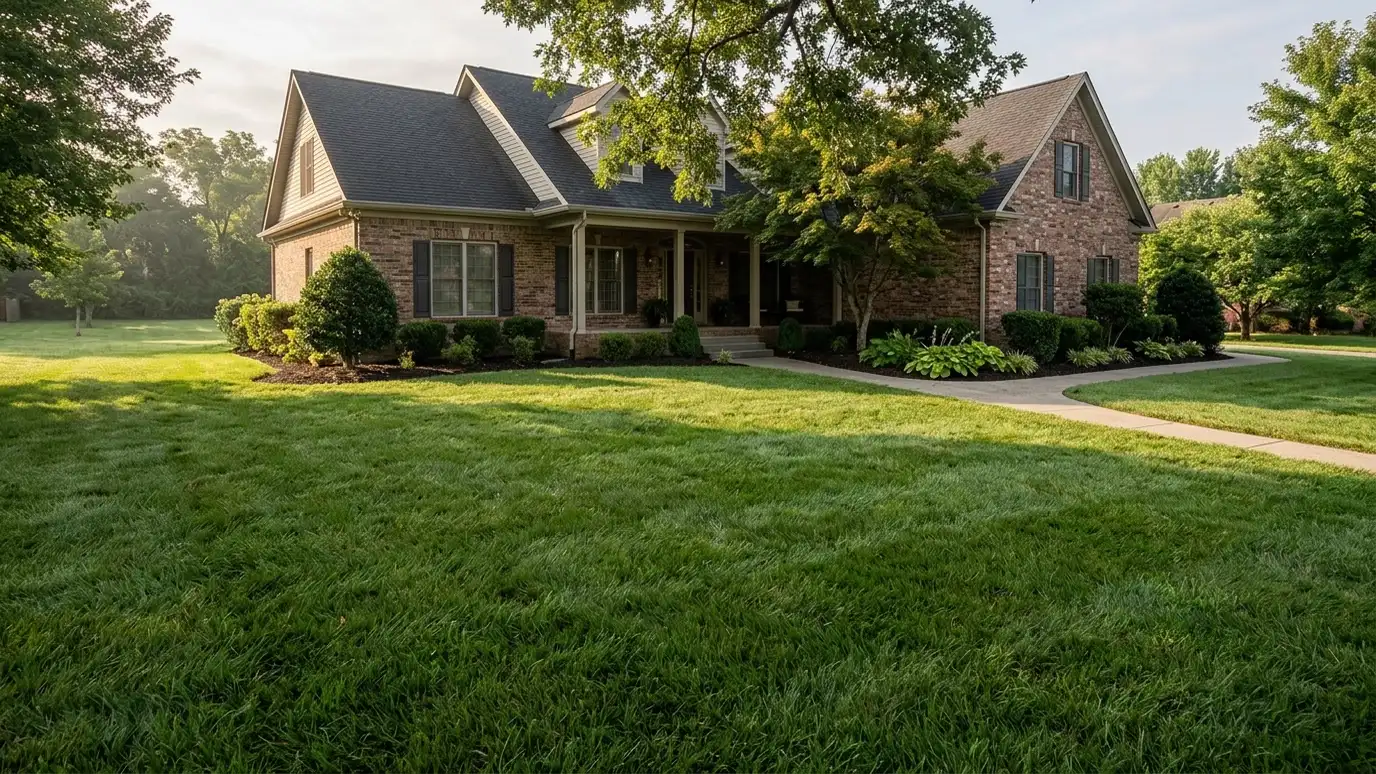 Lawn typeTall Fescue LawnsThe most common Middle Tennessee lawn: deep green, fine to medium texture and happiest in the cool seasons…Learn more
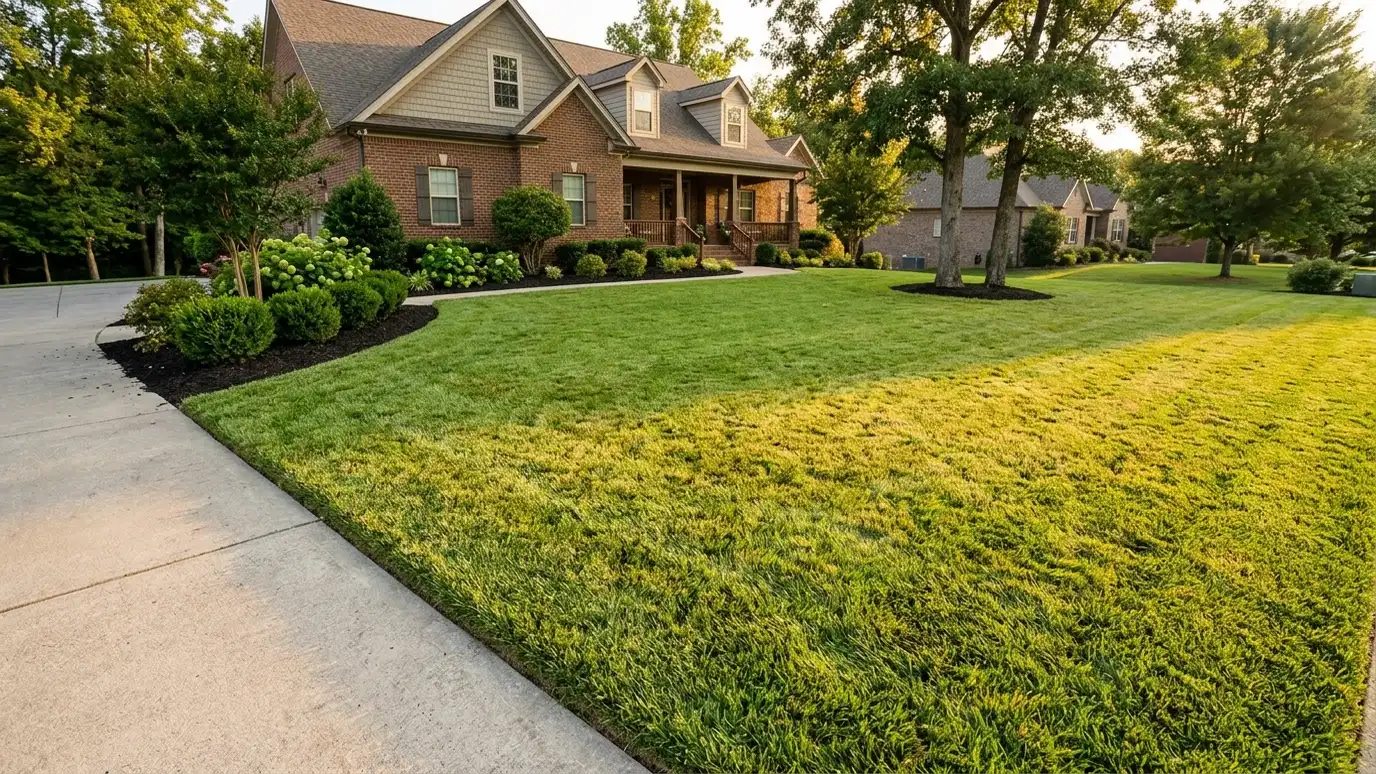 Lawn typeZoysia LawnsA dense, plush warm-season turf with good shade tolerance for a warm-season grass and a soft feel underfoot.Learn more
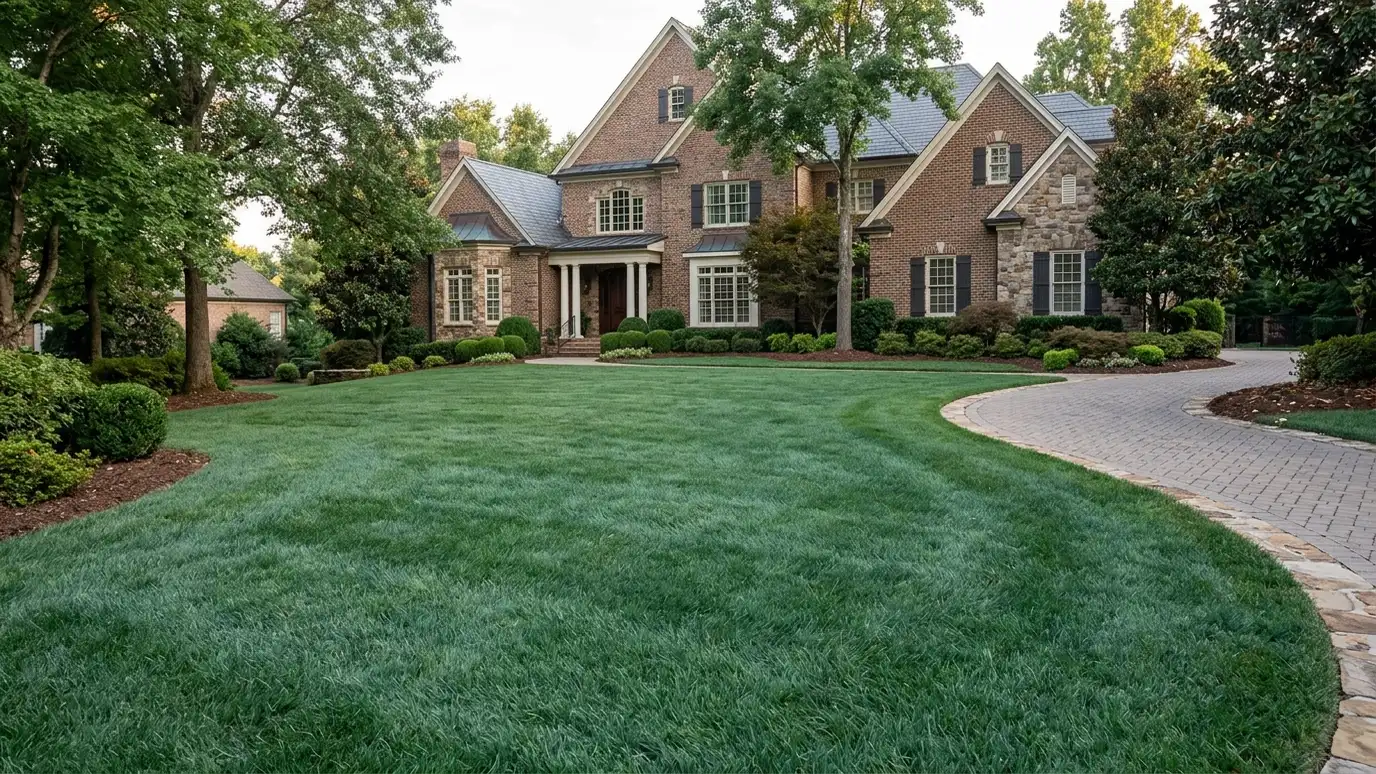 Lawn typeKentucky Bluegrass LawnsA rich blue-green cool-season grass with a fine texture that spreads and self-repairs, often blended with fescue.Learn more
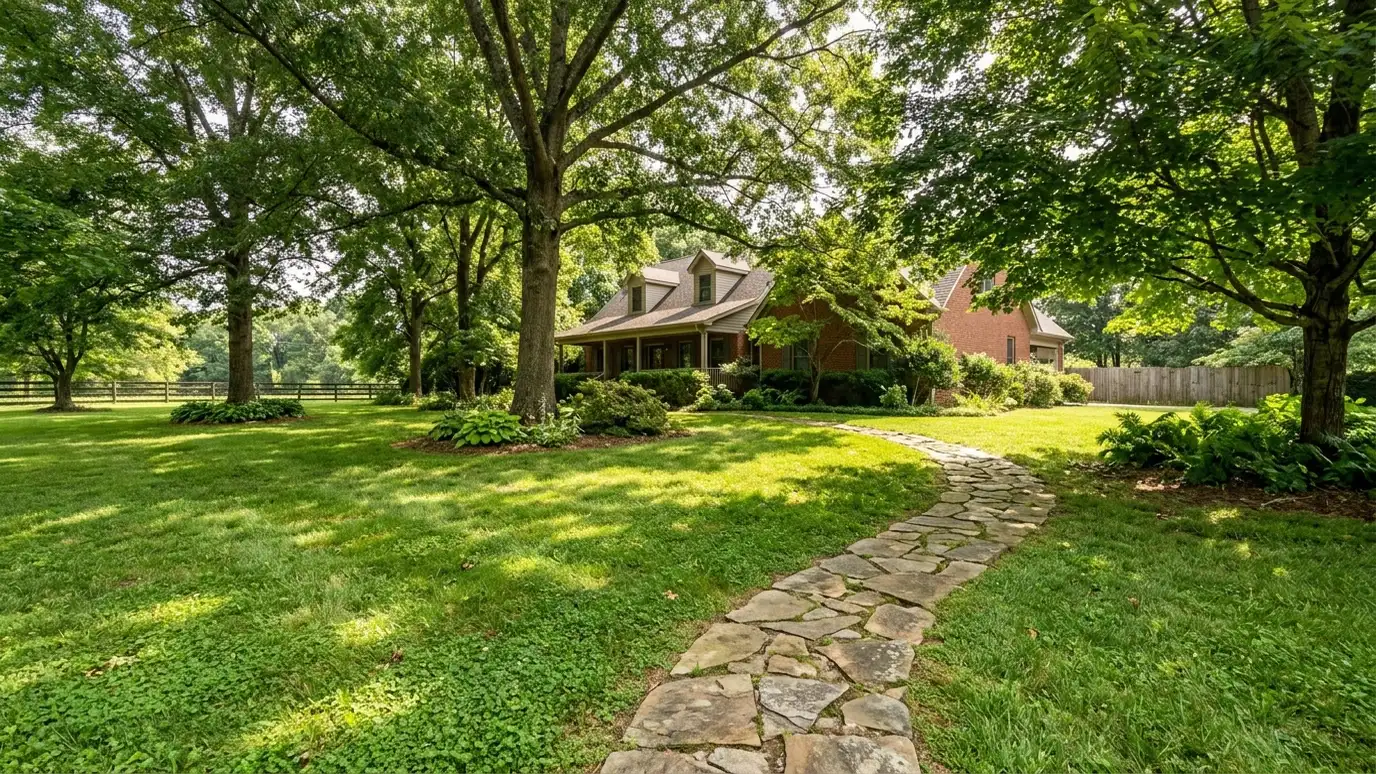 Lawn typeShade-Tolerant LawnsHow to keep grass healthy under mature trees: the right seed, taller mowing, careful watering and honest limits.Learn more
Call us and we will walk your lawn, check the turf and soil and give you an itemized written estimate.