Why there is no single price
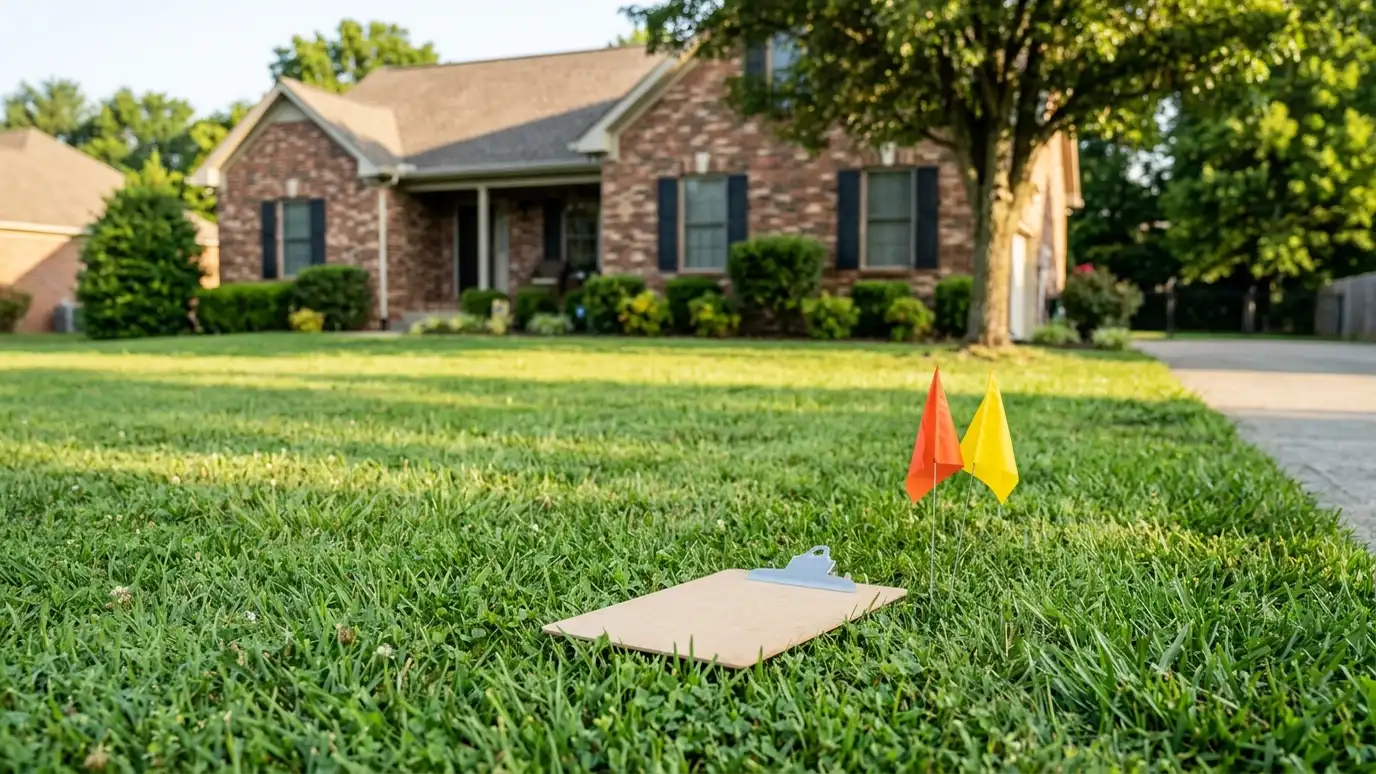
Two lawns of the same size can cost very different amounts to care for, because pricing follows the turf, the condition and the program, not just the square footage. A healthy lawn on a flat lot needs less than a thin, weedy one on a slope with obstacles. Prices you see online are averages across very different yards, which is why they rarely match your own.
The more useful question is what you want your lawn to be. Once the goals and services are written down, any company can price the same list, and you can see where the money goes.
It helps to write down your top three goals before anyone gives you a number, for example thicker grass, fewer weeds and a neat edge. When a price comes back higher than hoped, those goals show you what to protect and what to simplify.
Lot size and layout
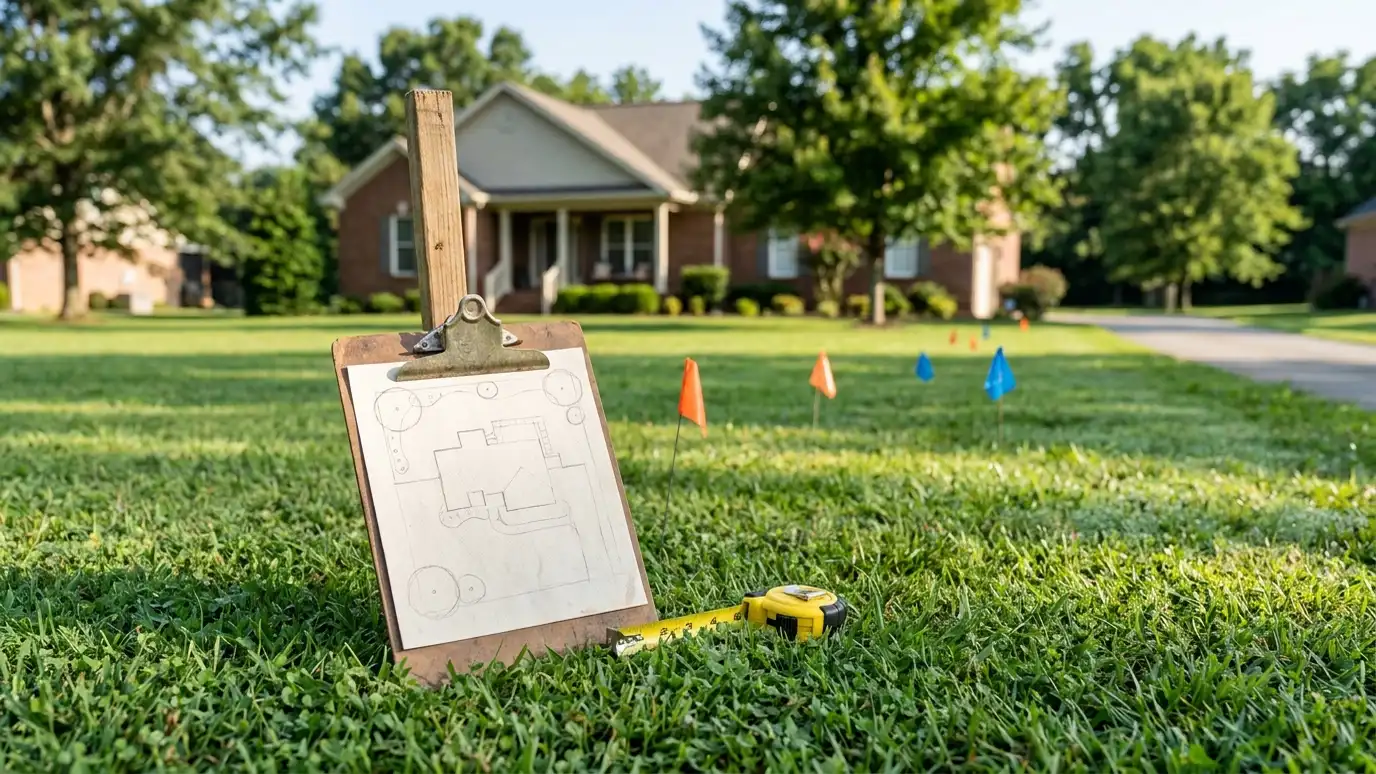
Treatable area sets the baseline, but layout matters too. A lot with many beds, trees, fences and slopes takes more time than an open rectangle of the same size. Gates, steep banks and tight access change the equipment that can be used.
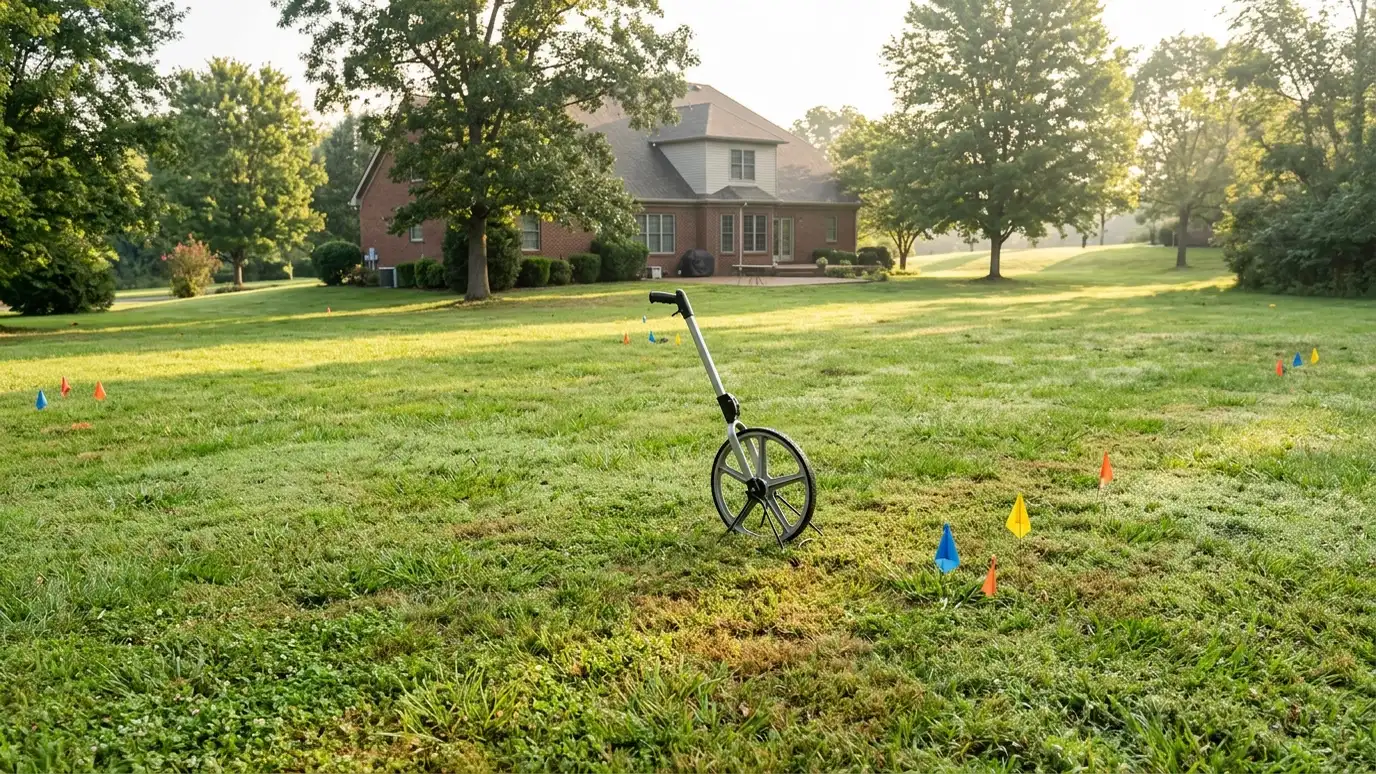
Accurate measurement keeps the estimate fair, which is why we measure your lawn rather than guessing from a map.
Ask each company how they measured the lawn. A figure taken from a satellite photo can miss gardens, drives and patios, which means you may be charged for grass that is not there or surprised by an adjustment later.
Turf type and condition
A thick, healthy lawn needs maintenance. A thin, weedy, compacted lawn needs repair first, and that usually makes the first year more costly than later ones. Warm-season and cool-season grasses also follow different calendars with different products.
Being honest about the starting point avoids disappointment, and a good company will say plainly when a lawn needs a catch-up year.
If you inherited a neglected yard, plan for a catch-up season. Most people find the second year far more affordable than the first, because the lawn is thicker, the weeds are fewer and the visits become routine.
Services and visit count
Fertilization and weed control form the base. Aeration, overseeding, grub and disease control, mowing and bed care add to it. More visits and more products mean more cost, but also more control over the results.
The best programs include the services that matter most for your lawn, not every service available, and they leave out what you do not need.
Add-ons deserve a closer look. Ask what each service does, how it changes the lawn and whether it is a one-time need or something to repeat, so you pay only for what has a clear purpose.
Products and application
Quality products and careful application cost more than the least expensive bag at the store. Slow release fertilizers, quality seed, selective herbicides and calibrated equipment all affect results. So does the time spent on timing and weather.
Ask what products are used, how rates are decided and how visits are timed. Clear answers usually mean careful work.
Product quality shows up in results, not in the invoice. A slightly higher rate that includes slow release fertilizer and careful timing often outperforms a lower rate that uses quick release and loose timing.
Where to spend and where to save
Spend on what builds a better lawn year after year: fall aeration and overseeding, a well-timed pre-emergent and a correct feeding program. Save by skipping extras that only matter on show lawns, keeping mowing in house if you enjoy it and phasing the work.
A small investment in soil and seed in the fall often does more than extra treatments in summer.
Many homeowners find that putting money into aeration and seed in the fall, instead of a long list of summer treatments, gives the best return, because it fixes the density problem that weeds exploit.
How to compare quotes fairly
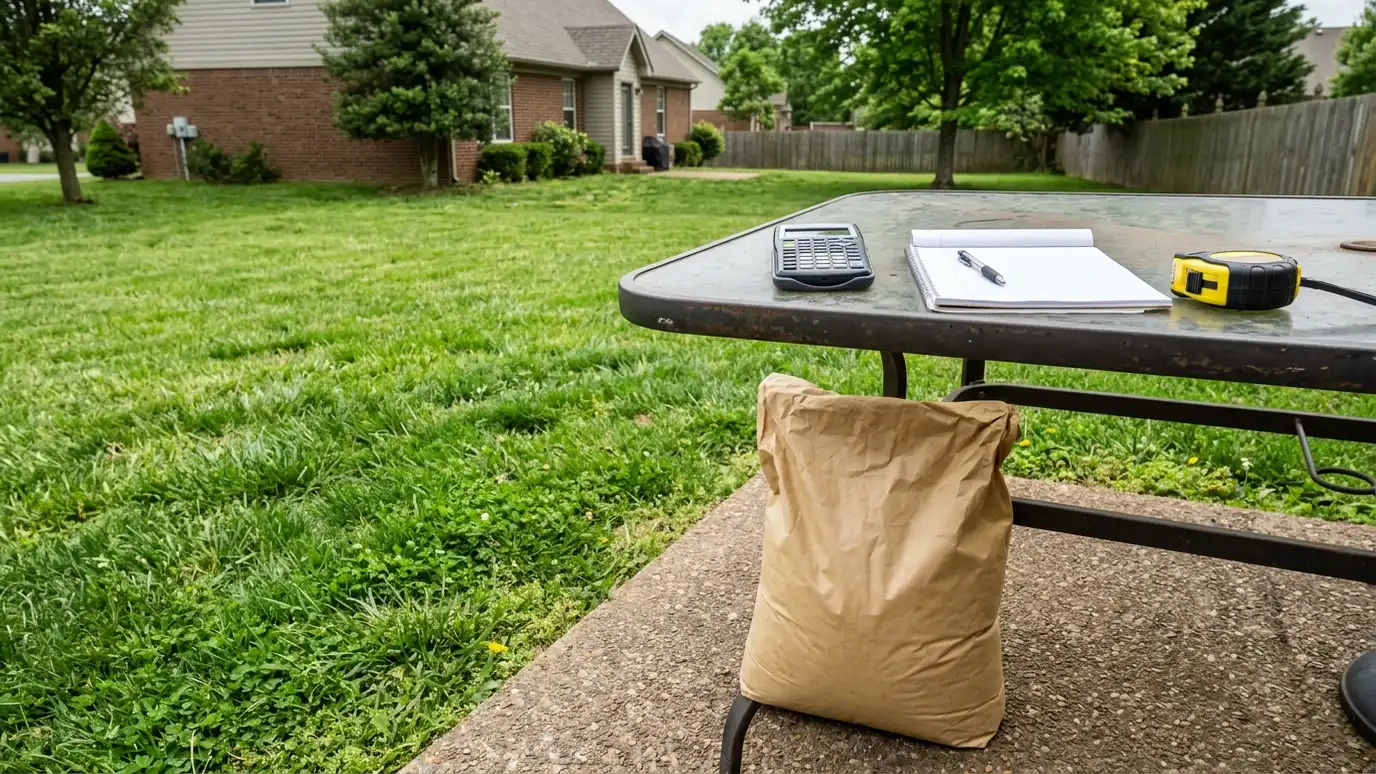
Ask each company to price the same lawn area, the same services, the same number of visits and to state what is included. Look at how weeds, pests and re-treatments are handled, and what happens if the weather delays a visit. A very low quote may leave out something you need.
Clear communication during the quoting stage is a good sign of how the service will go.
Keep your quotes in one folder, with the dates and the scope on each. When a question comes up later about what was included, a clear record protects you and the company alike.
Decide what you want from your lawn, price the same list with every company and make sure timing, products and follow-up are on it.