Specialized control for yellow nutsedge, wild garlic, goosegrass and other tough weeds that ordinary treatments miss.
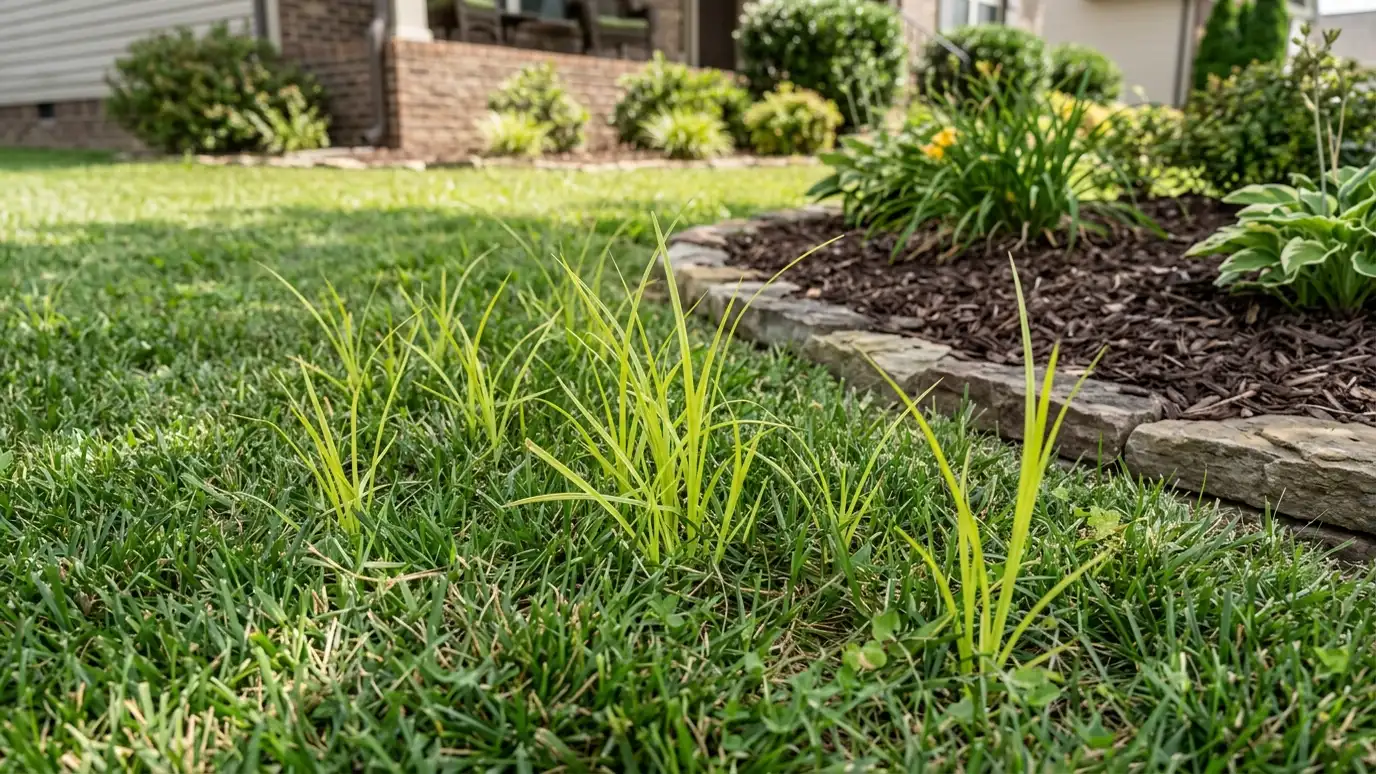
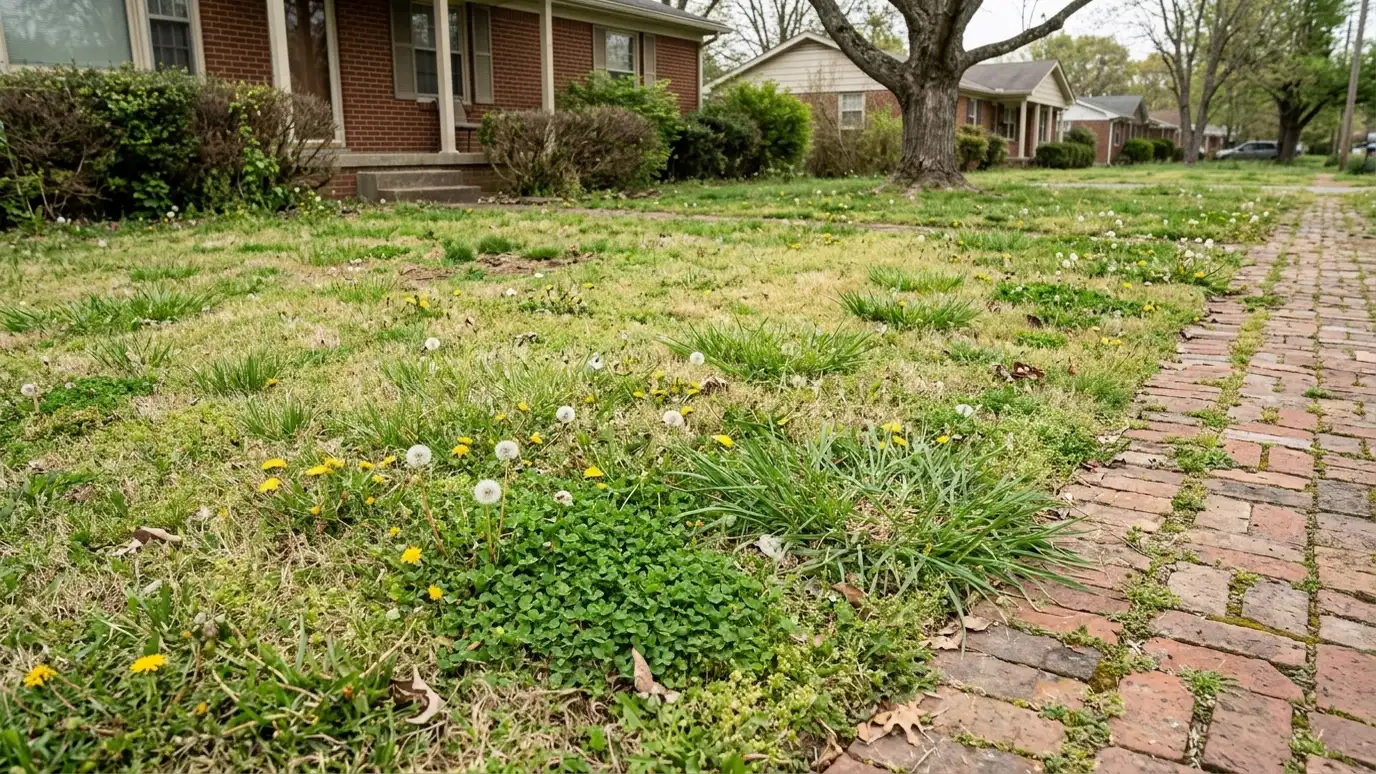
Some weeds do not respond to the usual lawn treatments, and nutsedge is the classic example. It looks like grass but is a sedge, with triangular stems, a fast growth habit and underground tubers that sprout new plants all summer. Yellow nutsedge shoots stick up above the turf a day or two after mowing, and they thrive in wet, poorly drained areas. Goosegrass, wild garlic and other grassy weeds are similar puzzles, because products that clear dandelions can leave them untouched.
We identify the exact weed before treating, since the wrong product wastes time and money. For nutsedge, we use a product designed for sedges and repeat it as needed, because killing the tubers takes more than one pass. For goosegrass, timing and a pre-emergent that targets it are key. We also look for the conditions that favor these weeds, such as overwatering, drainage problems and compaction, and recommend fixes. It takes patience, but a consistent plan can bring these tough weeds under control.
Sedges, grassy weeds and broadleaf weeds need different products. Correct identification comes first.
Nutsedge regrows from underground tubers, so more than one treatment is usually needed.
Poor drainage and overwatering make nutsedge worse, so we look at moisture as well.
Goosegrass and similar weeds respond to well-timed prevention and targeted control.
Drag the handle to compare.
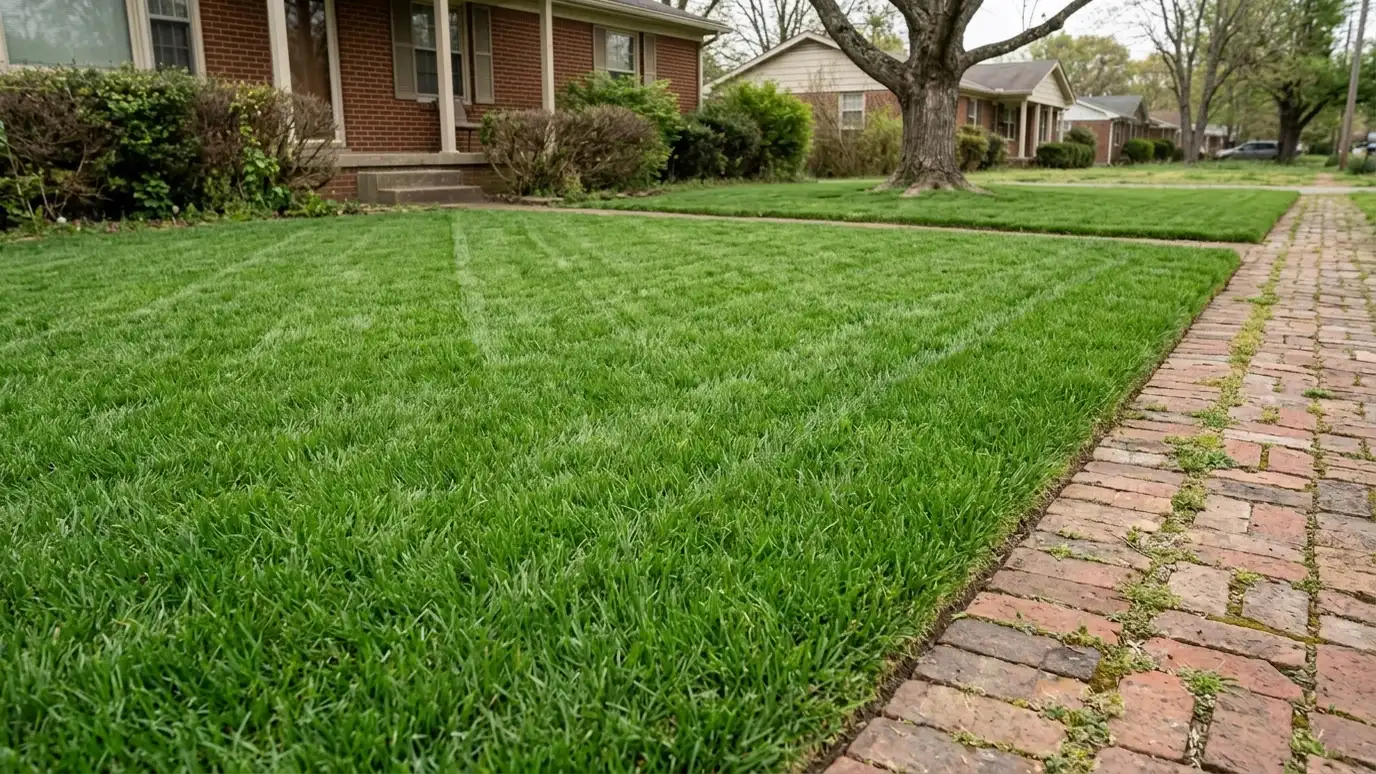
 BeforeAfter
For tough weeds.
Right treatment.
Tubers need time.
Drainage and watering.
Goosegrass control.
Patience pays.
Every topic has its own page with what to expect and how we approach it.
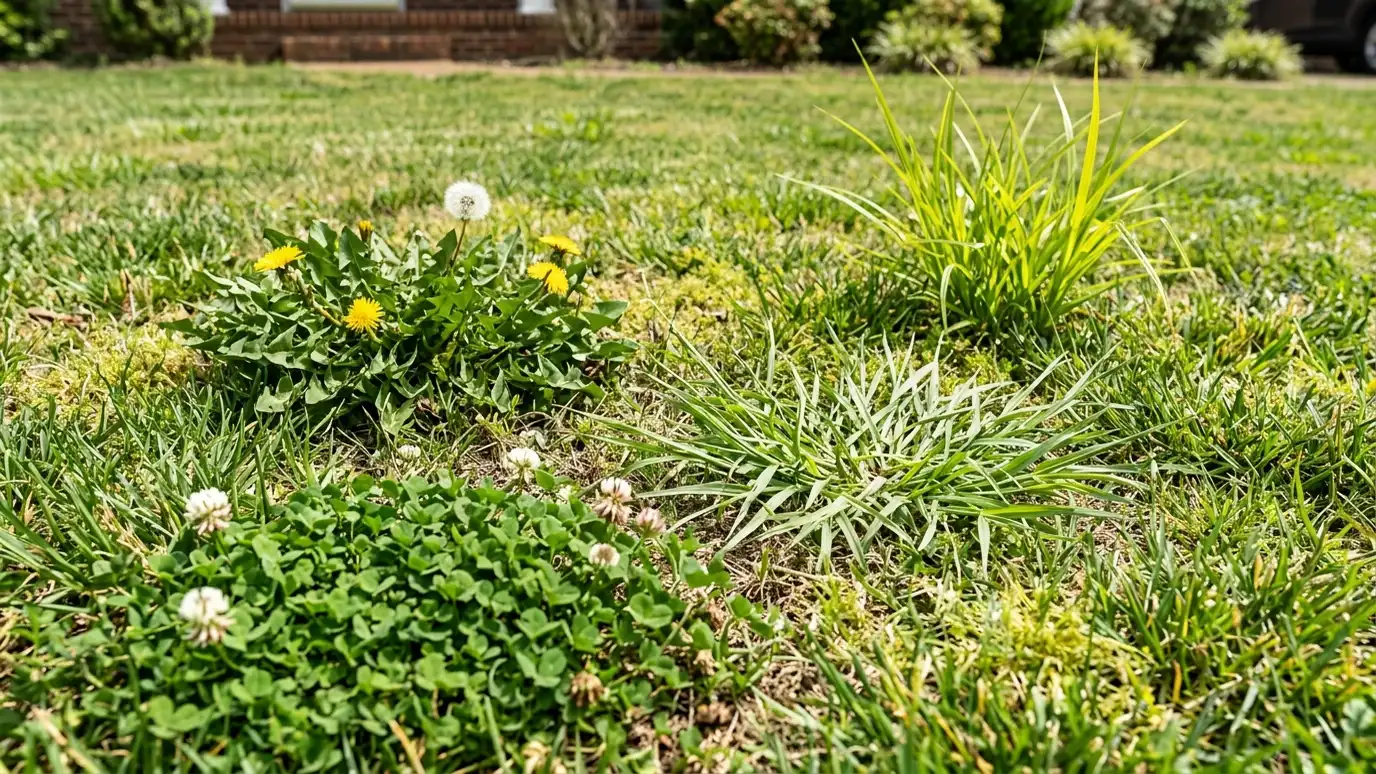 Topic guideWeed Types and ControlsCrabgrass, dandelion, clover, nutsedge, chickweed and more: how to tell them apart and what controls each.Learn more
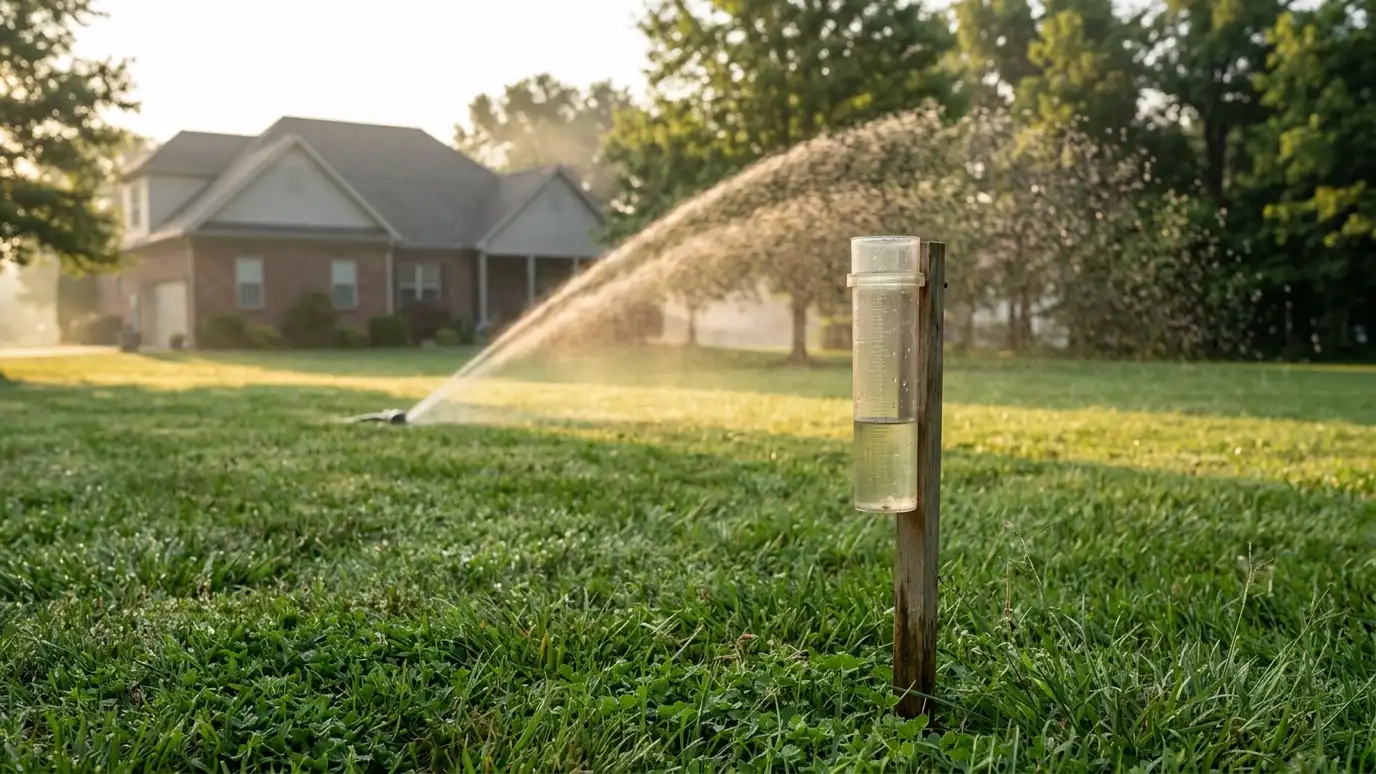 Topic guideLawn Watering GuideHow much, how often and when to water a Tennessee lawn, with tips for new seed, summer heat…Learn more
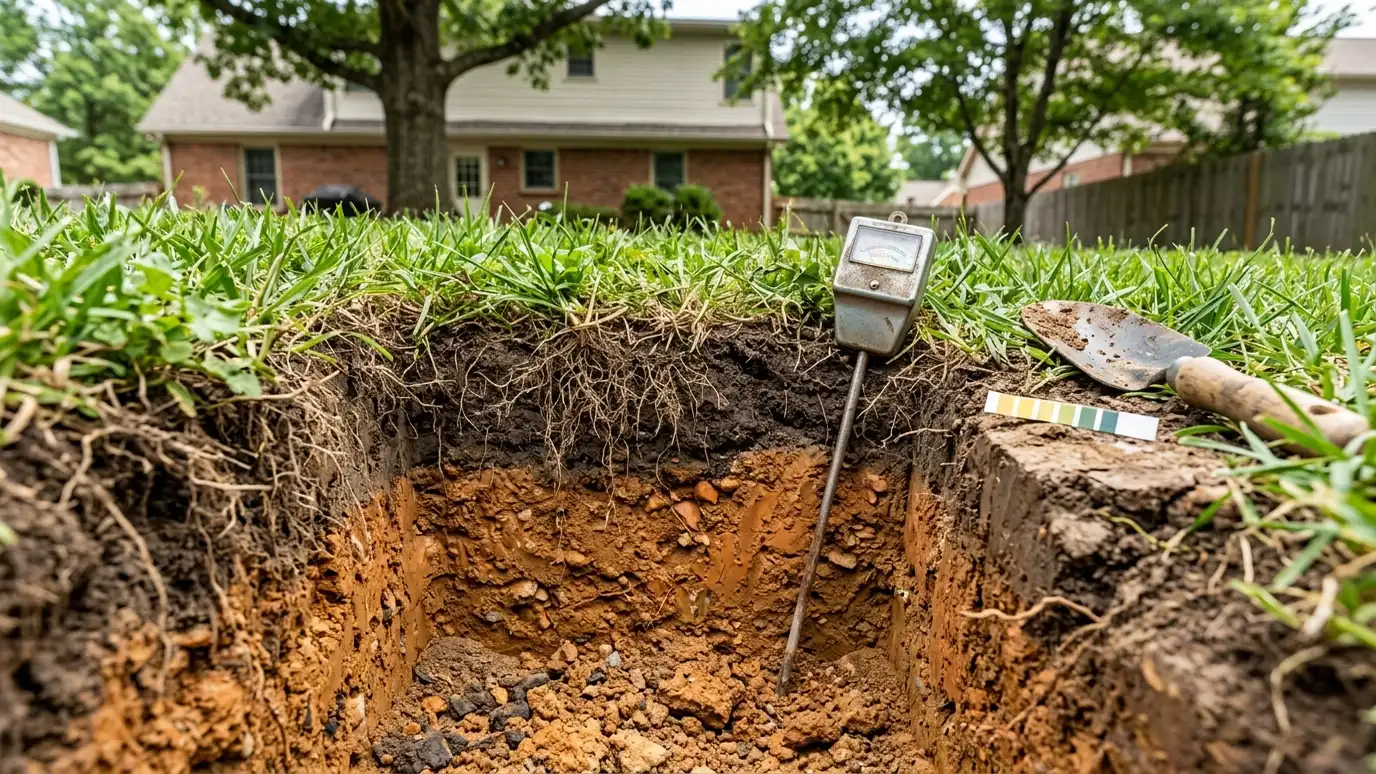 Topic guideSoil and pH GuideClay, compaction, organic matter and pH explained, with simple ways to test and improve the soil under your…Learn more
Tick what you see in your lawn and get a priority list and a plain recommendation: care, treat, renew or renovate.
You tell us about your lawn and what you want to change, from weeds to a full program, and we set a visit that fits your day.
We walk the lawn, identify the grass, check the soil, weeds, pests and drainage and talk through your goals.
We build a calendar of treatments for your grass type and give you an itemized written estimate with options.
Visits are scheduled by season and weather, and any gates, pets or irrigation are noted.
Crews apply products and perform services with calibrated equipment and leave notes after each visit.
Each season we review the results with you and adjust the plan for the next one.
It is a sedge that looks like grass but grows from underground tubers and spreads in wet spots.
The tubers sprout new plants. Several treatments and drier conditions are needed to reduce them.
Pulling usually leaves tubers behind. Treatment is more effective.
It is a cool-season weed and responds to treatment in late fall to early spring.
Often a season or more of consistent treatment, depending on how established it is.
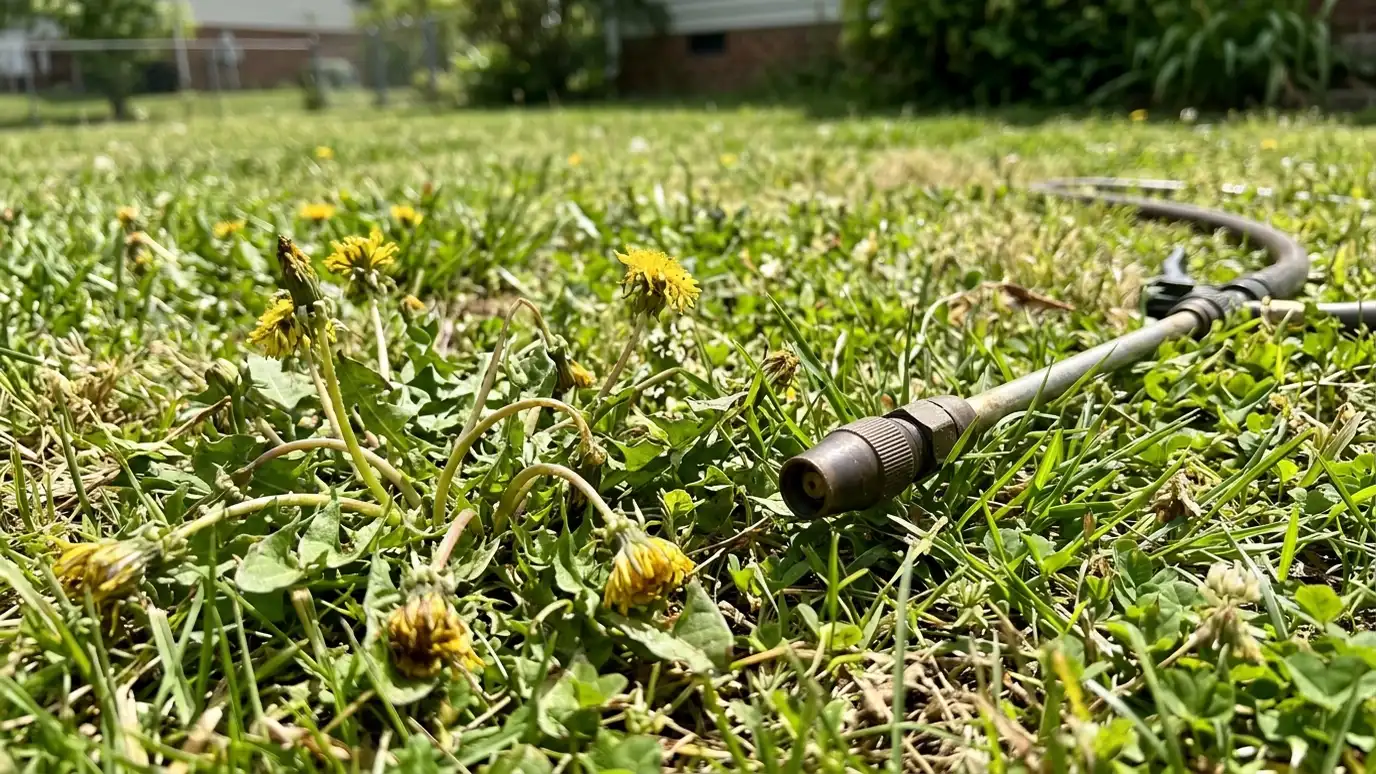 Post-Emergent Weed ControlTargeted treatments for weeds that are already growing in your lawn, matched to the weed and the turf.Explore
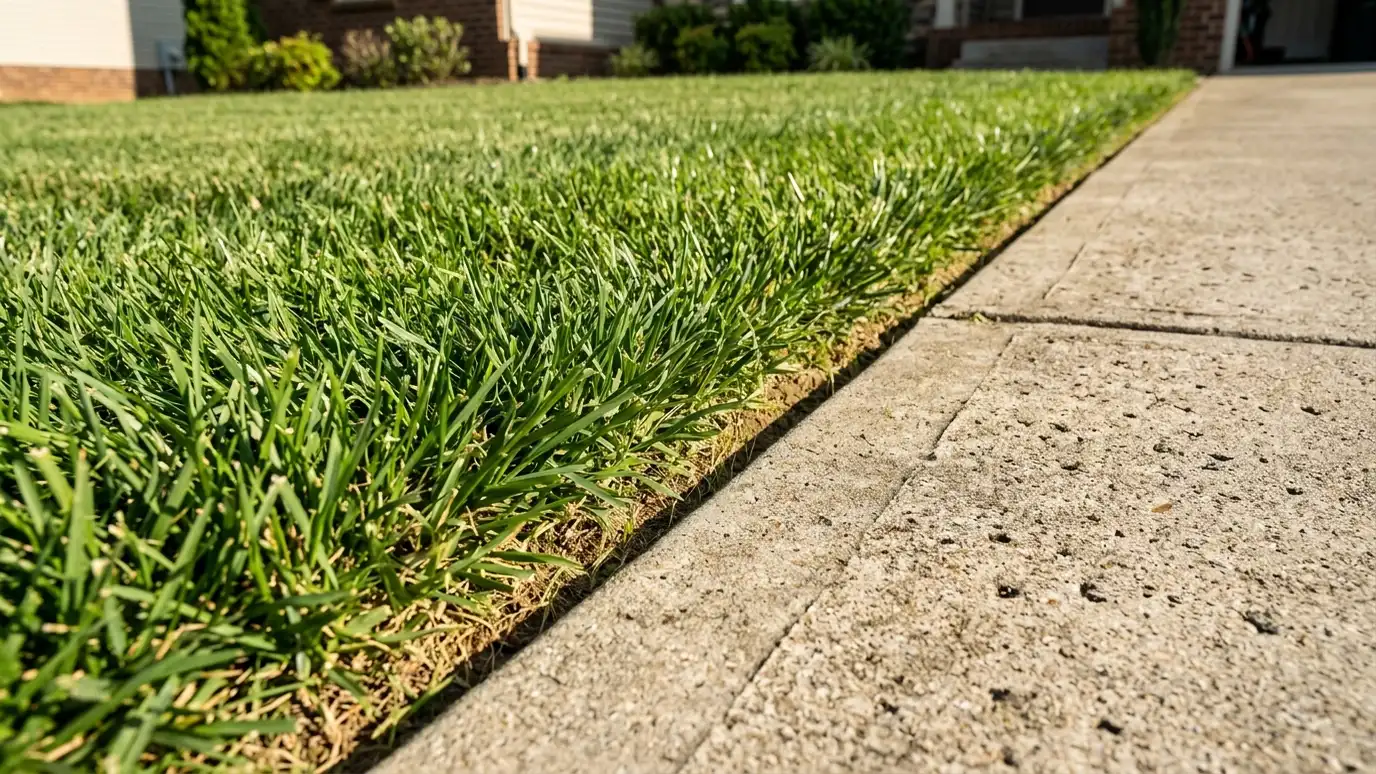 Crabgrass ControlA two-part plan to stop crabgrass before it sprouts and clean up what escapes, so thin spots do…Explore
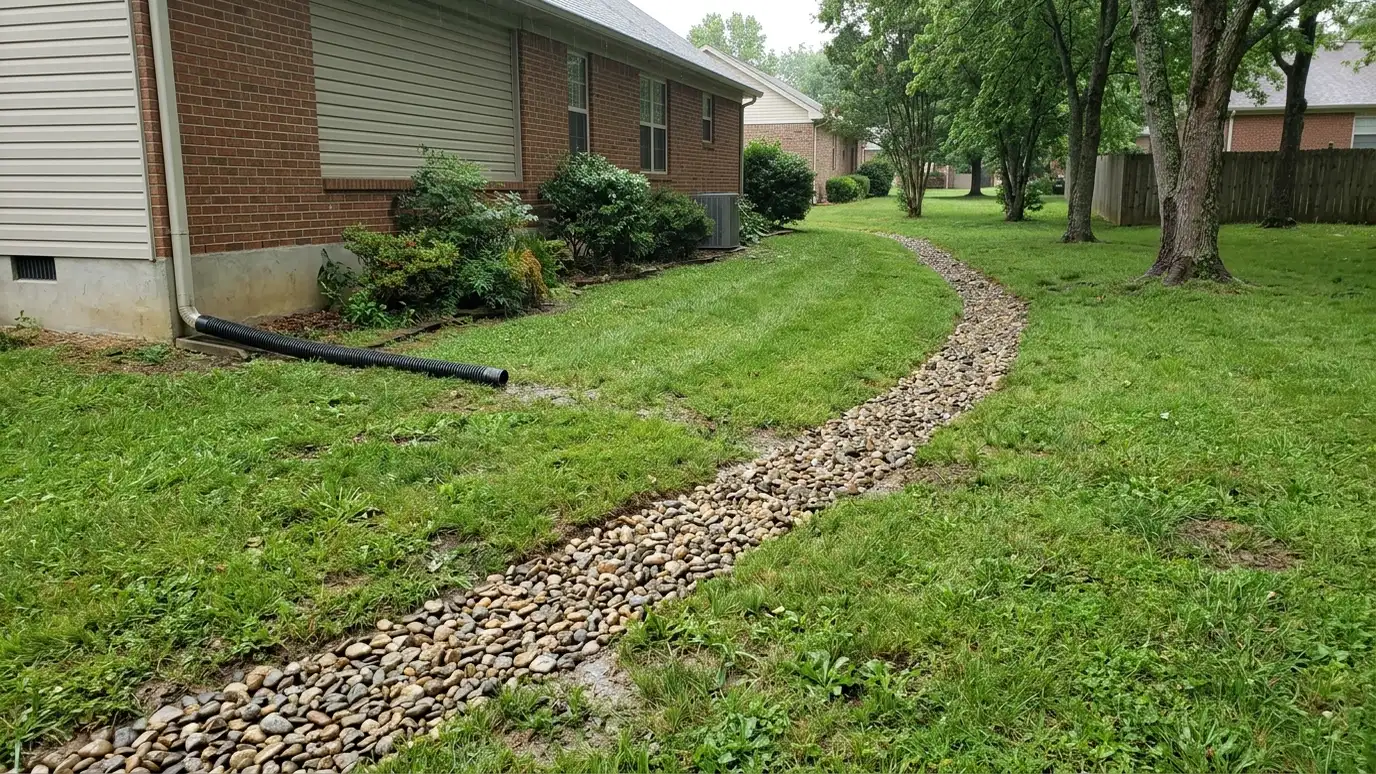 Drainage and Grading FixesSolutions for soggy spots, standing water and runoff: regrading, swales, French drains and downspout extensions.Explore
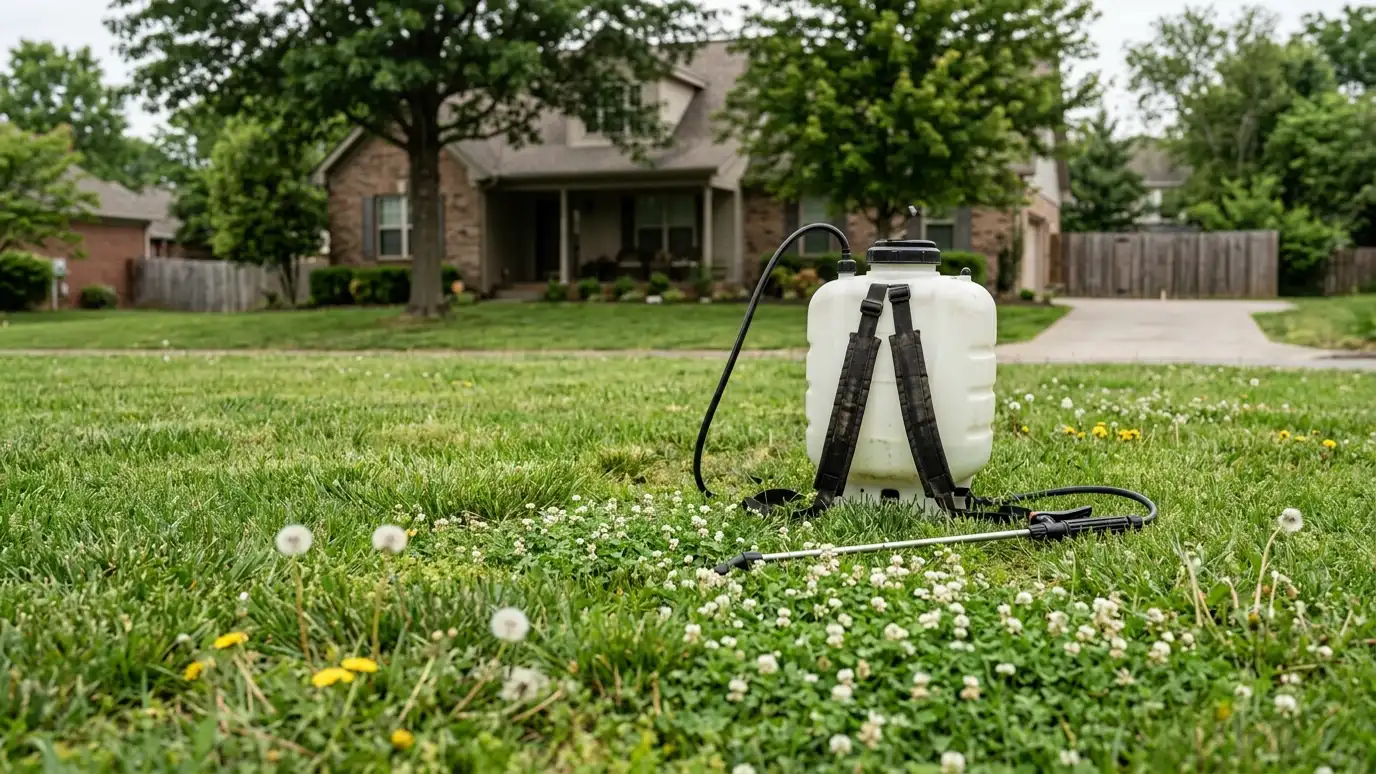 Broadleaf Weed ControlSelective treatment for dandelions, clover, chickweed, plantain and other broadleaf weeds, without harming the grass.Explore
Tell us about your lawn and we will call you back to set up a visit.
Or call (615) 357-7797 to talk now.