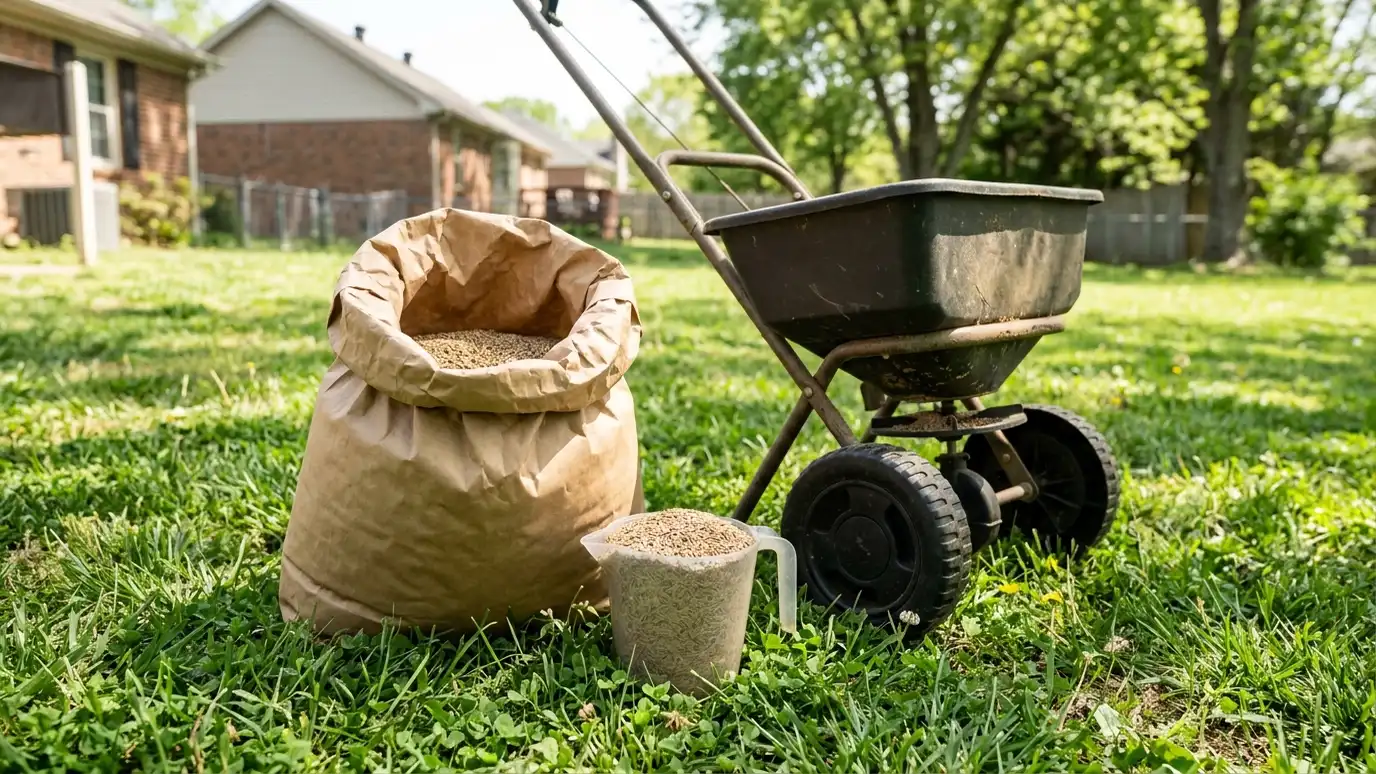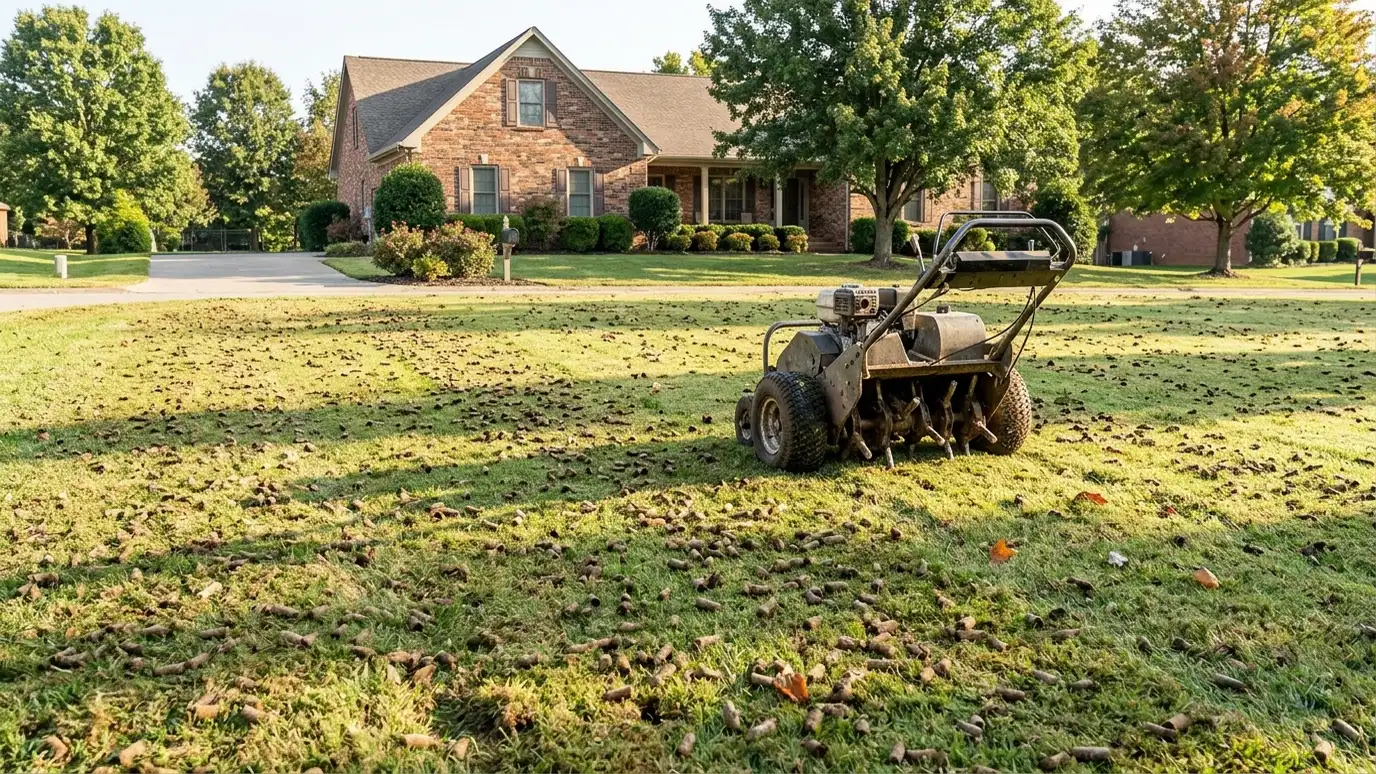
Machine aeration that pulls small soil plugs to relieve compaction, so water, air and nutrients reach the roots.
Compacted soil is one of the most common reasons lawns struggle in Middle Tennessee. Heavy clay, construction traffic, foot traffic and years of mowing press the soil particles together until water runs off, air cannot reach the roots and fertilizer sits on the surface. Core aeration fixes this by pulling small plugs of soil from the lawn, opening channels that let water, oxygen and nutrients move down where roots can use them. It is often the single most helpful thing you can do for a thin or stressed lawn.
We use a machine with hollow tines that pull plugs about two to three inches deep, spaced evenly across the lawn, often in two directions on tight soils. The plugs break down on the surface over a couple of weeks, returning soil to the turf. Timing depends on grass type: cool-season lawns are best aerated in early fall, when seed can be added, and warm-season lawns in late spring or early summer as they grow strongly. We mark irrigation heads and obstacles, and we pair aeration with overseeding, lime or fertilizer when your lawn needs them.
Opening channels in clay soil lets roots grow deeper and the lawn handle heat and drought better.
Water soaks in instead of running off, and fertilizer reaches the roots rather than sitting on top.
Fall for fescue and bluegrass, late spring and early summer for bermuda and zoysia.
The holes give seed good contact with soil, so overseeding after aeration works far better.
Drag the handle to compare.
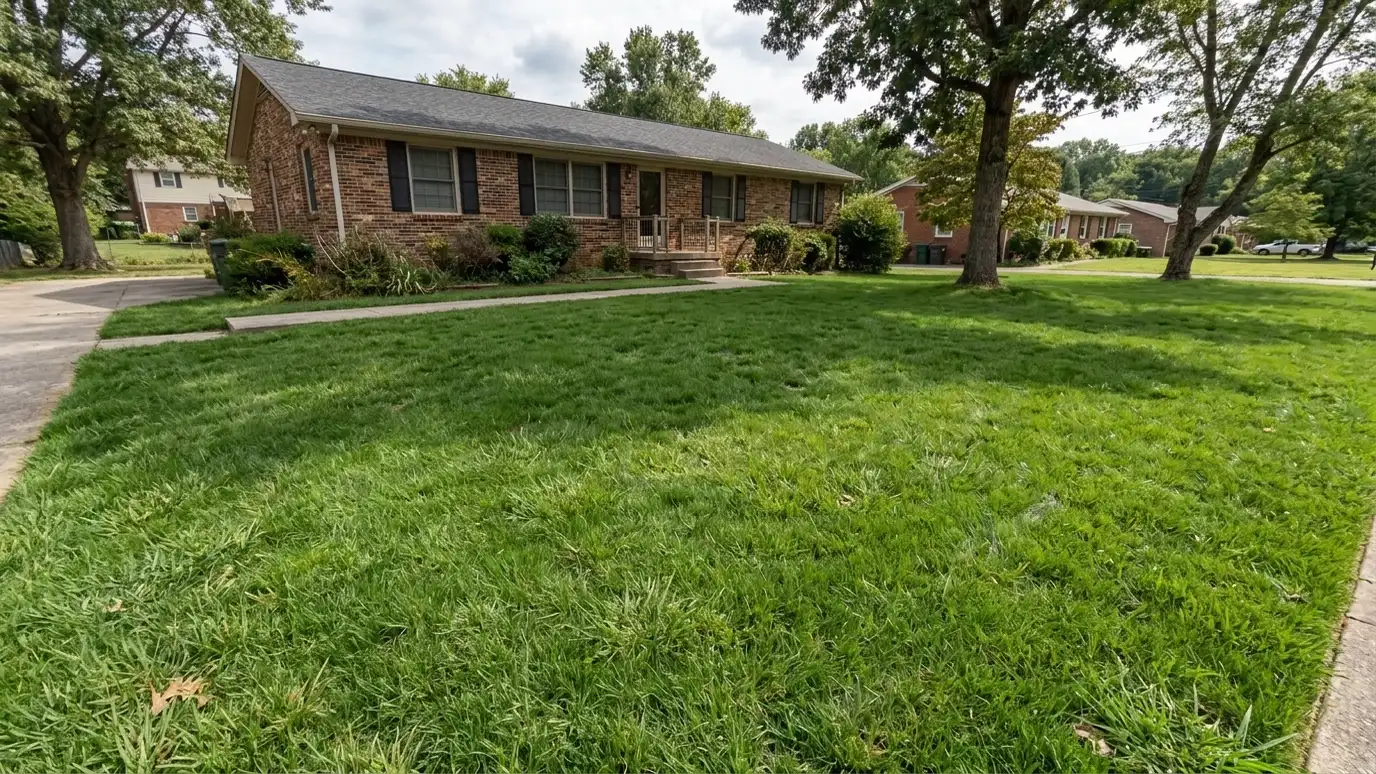
 BeforeAfter
Real soil cores.
Less runoff.
Stronger turf.
For your grass type.
Better germination.
Safe around irrigation.
Every topic has its own page with what to expect and how we approach it.
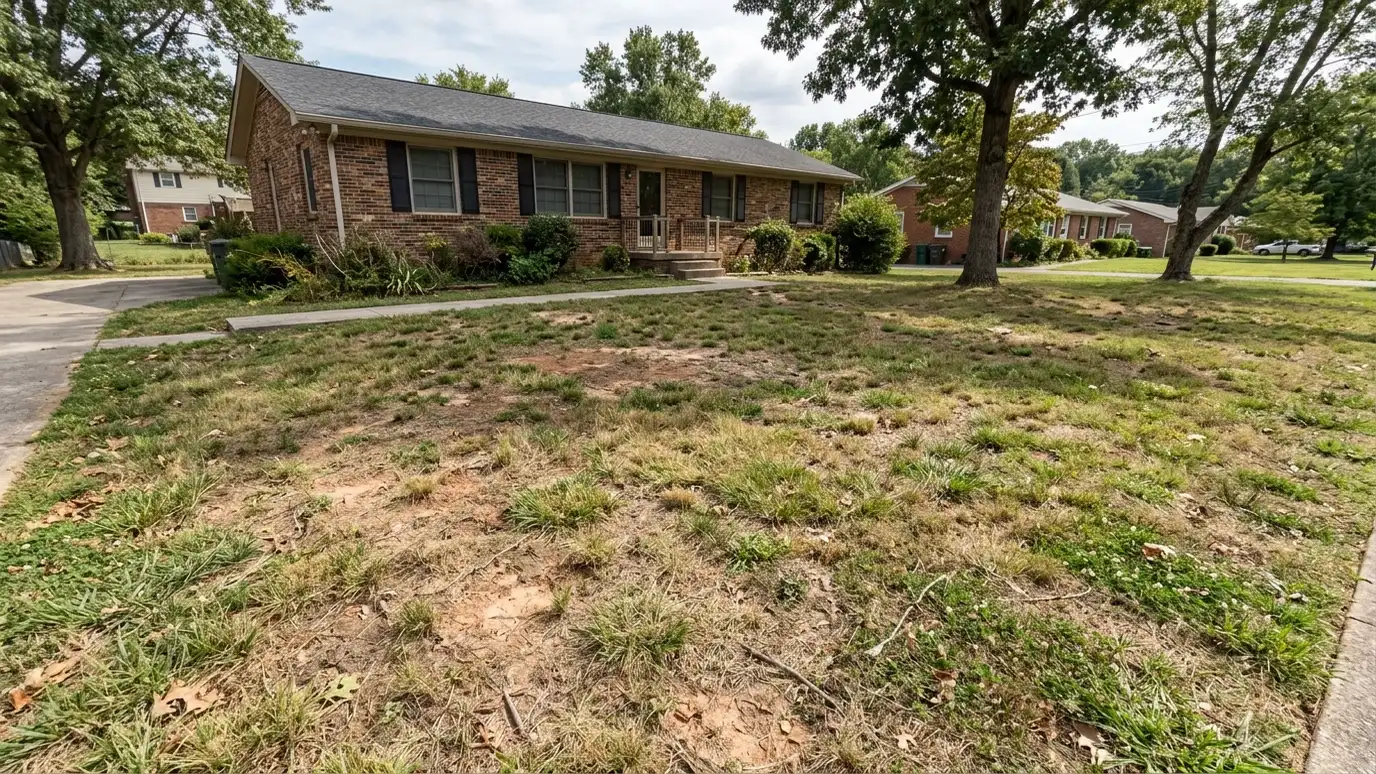
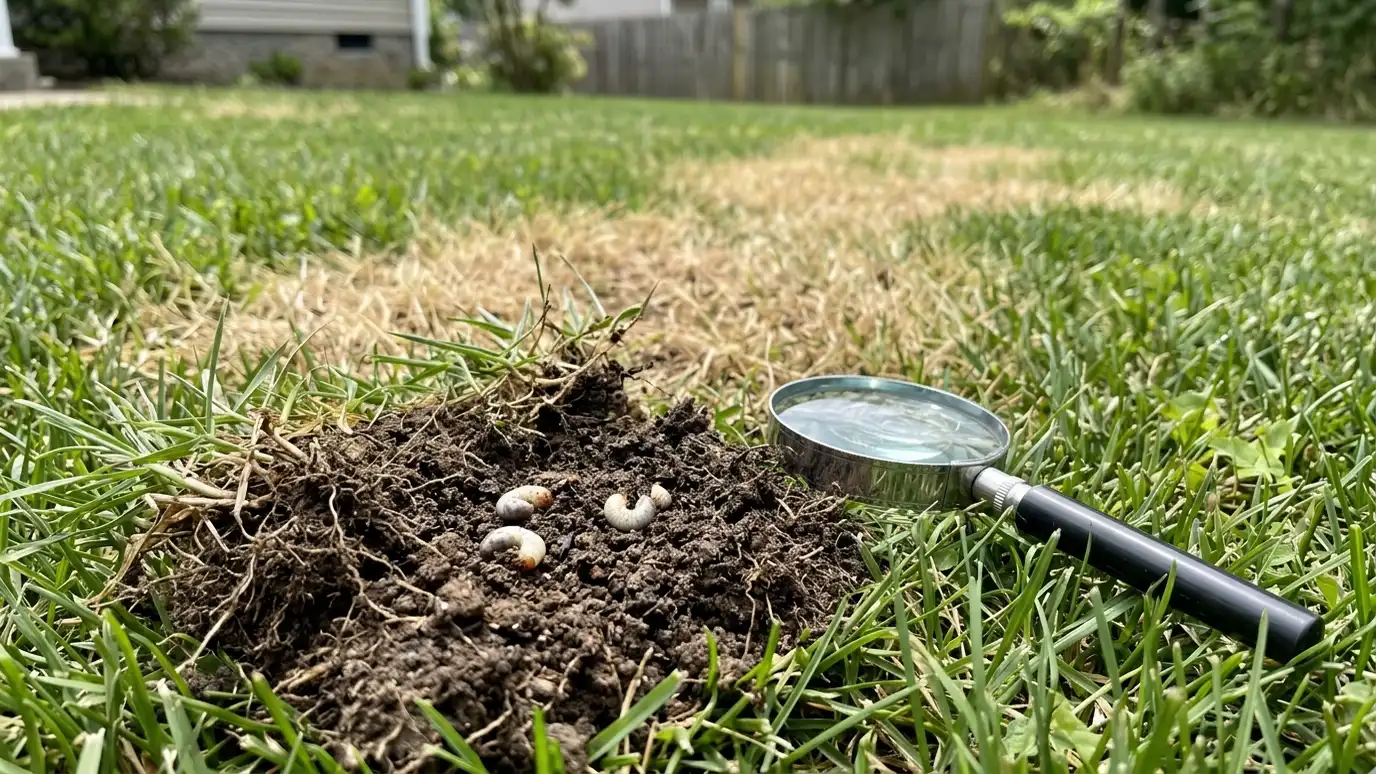 Topic guideDiseases and Pests GuideBrown patch, dollar spot, grubs, armyworms, chinch bugs and fire ants: signs, timing and what to do about…Learn more
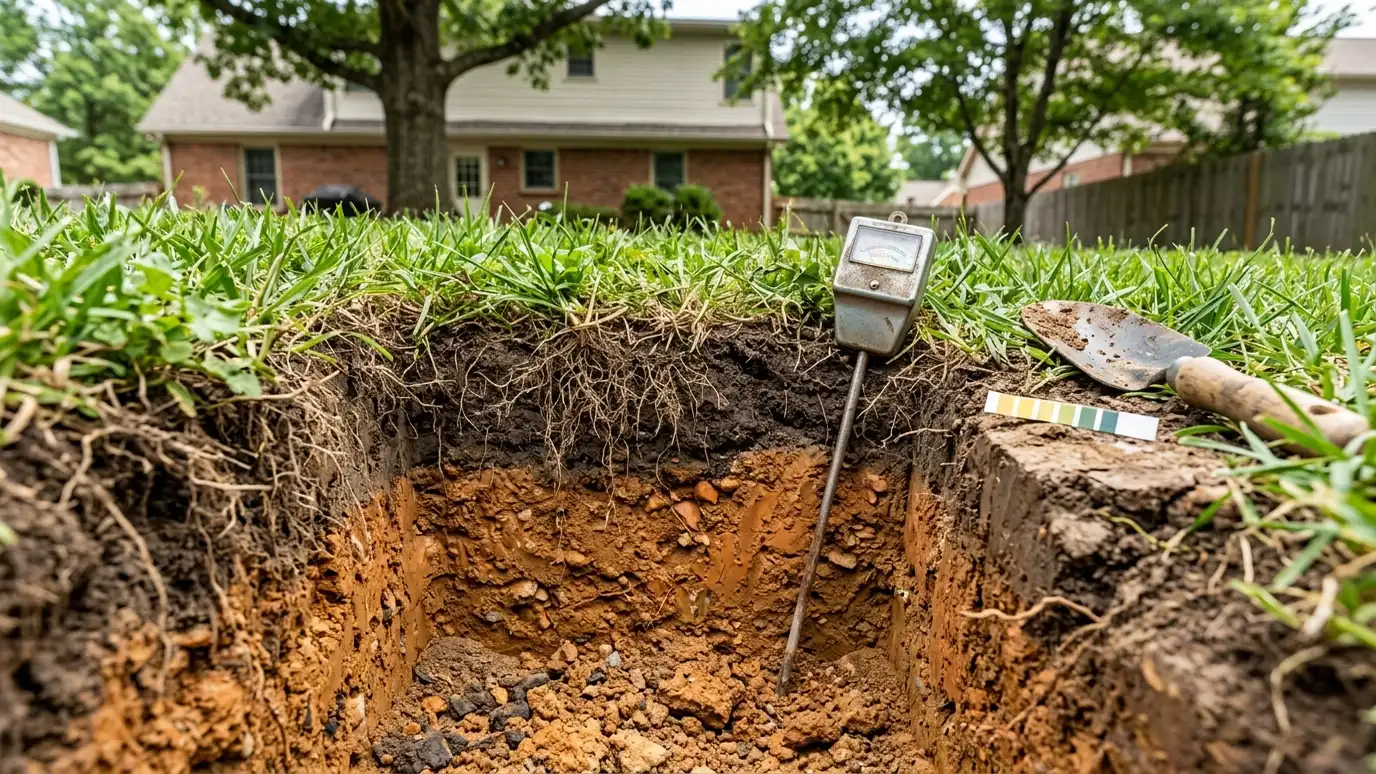 Topic guideSoil and pH GuideClay, compaction, organic matter and pH explained, with simple ways to test and improve the soil under your…Learn more
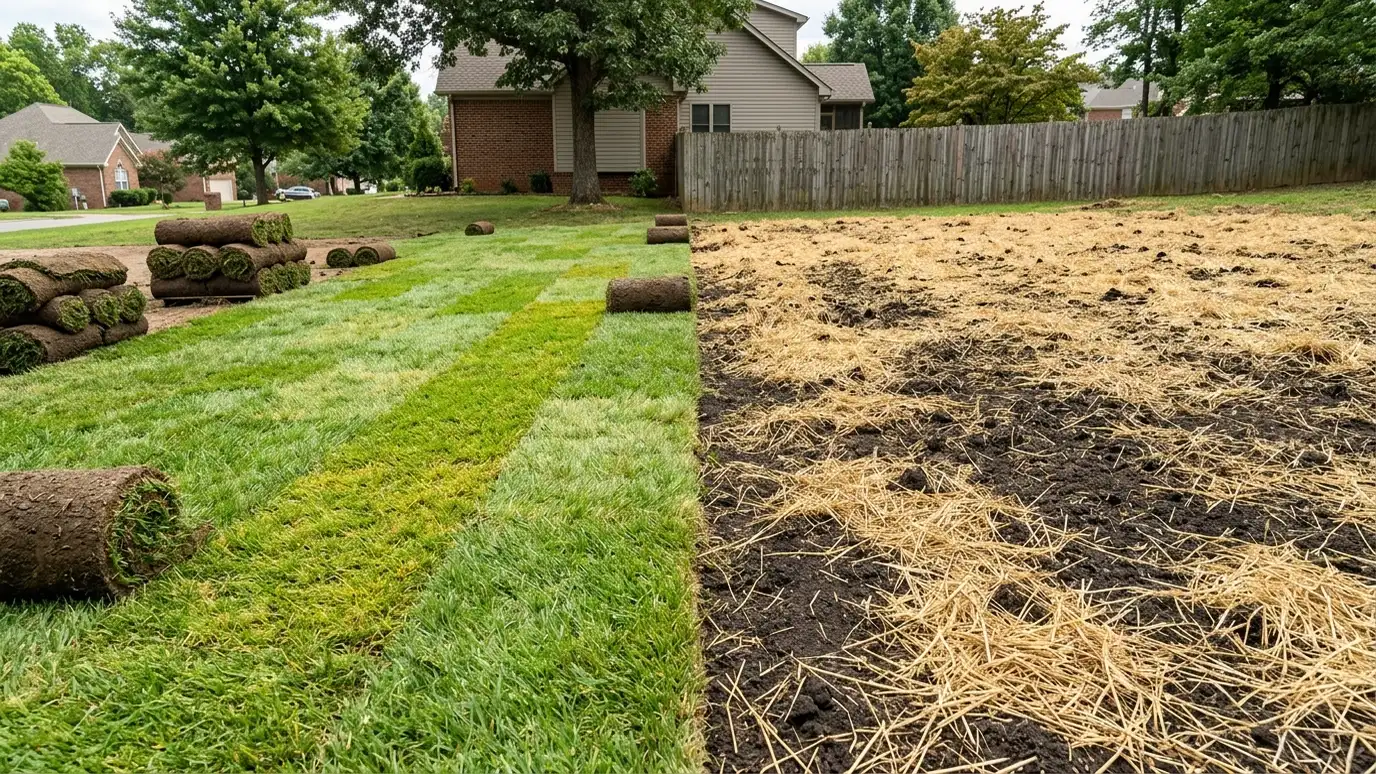 Topic guideSeeding vs Sod ComparedSeed, sod and hydroseed compared on cost, speed, grass choices, timing and the care each needs to succeed.Learn more
Choose your grass type and program level to see which treatments happen in each season of the year.
You tell us about your lawn and what you want to change, from weeds to a full program, and we set a visit that fits your day.
We walk the lawn, identify the grass, check the soil, weeds, pests and drainage and talk through your goals.
We build a calendar of treatments for your grass type and give you an itemized written estimate with options.
Visits are scheduled by season and weather, and any gates, pets or irrigation are noted.
Crews apply products and perform services with calibrated equipment and leave notes after each visit.
Each season we review the results with you and adjust the plan for the next one.
Once a year is common for clay soils and busy lawns. Some lawns need it less often.
They break down on the surface within a couple of weeks and return soil to the lawn.
Normal watering is fine, and a bit extra helps if seed was added.
Usually wait until the lawn is established, often after the first season.
You will see plugs for a couple of weeks. They are a sign the lawn was treated correctly.
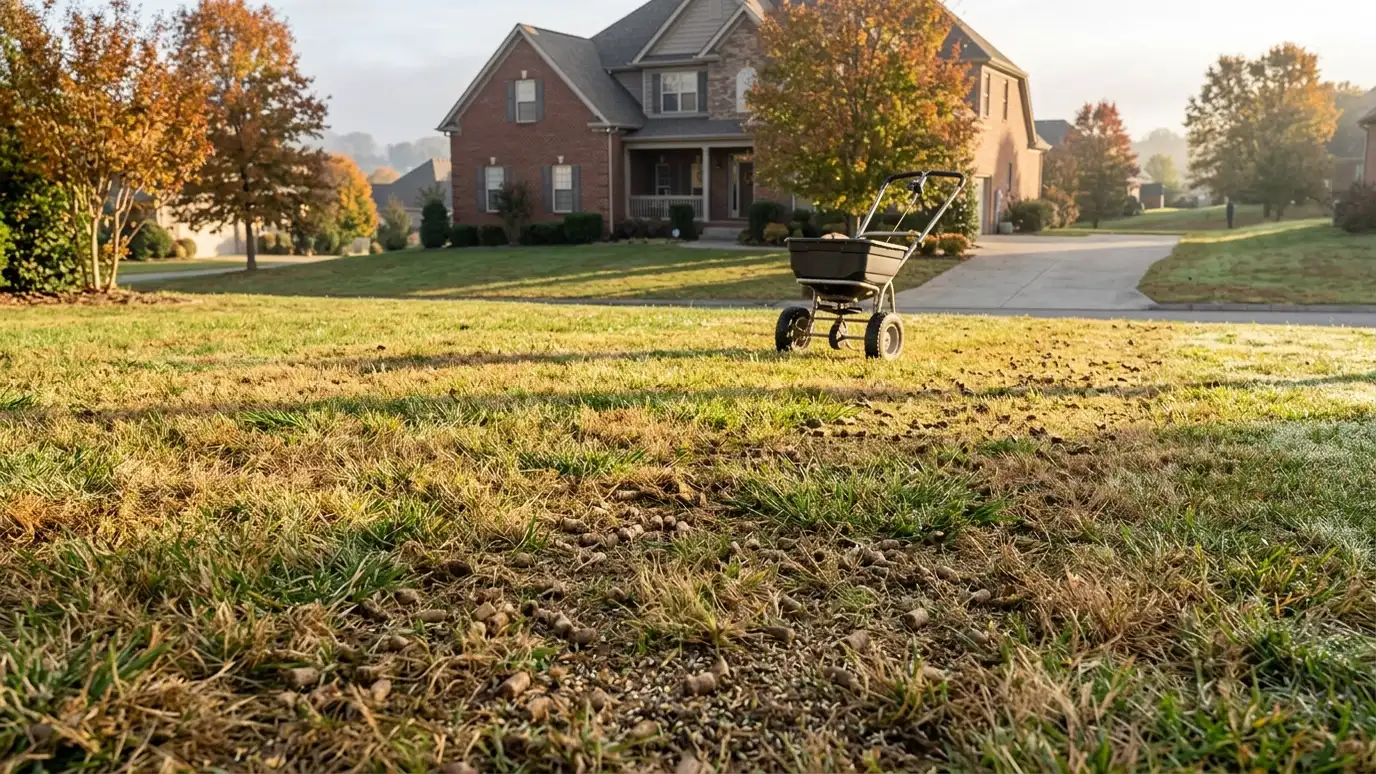 Aeration and Overseeding PackagesCore aeration, premium seed, starter fertilizer and aftercare in one fall package, the most effective way to renew…Explore
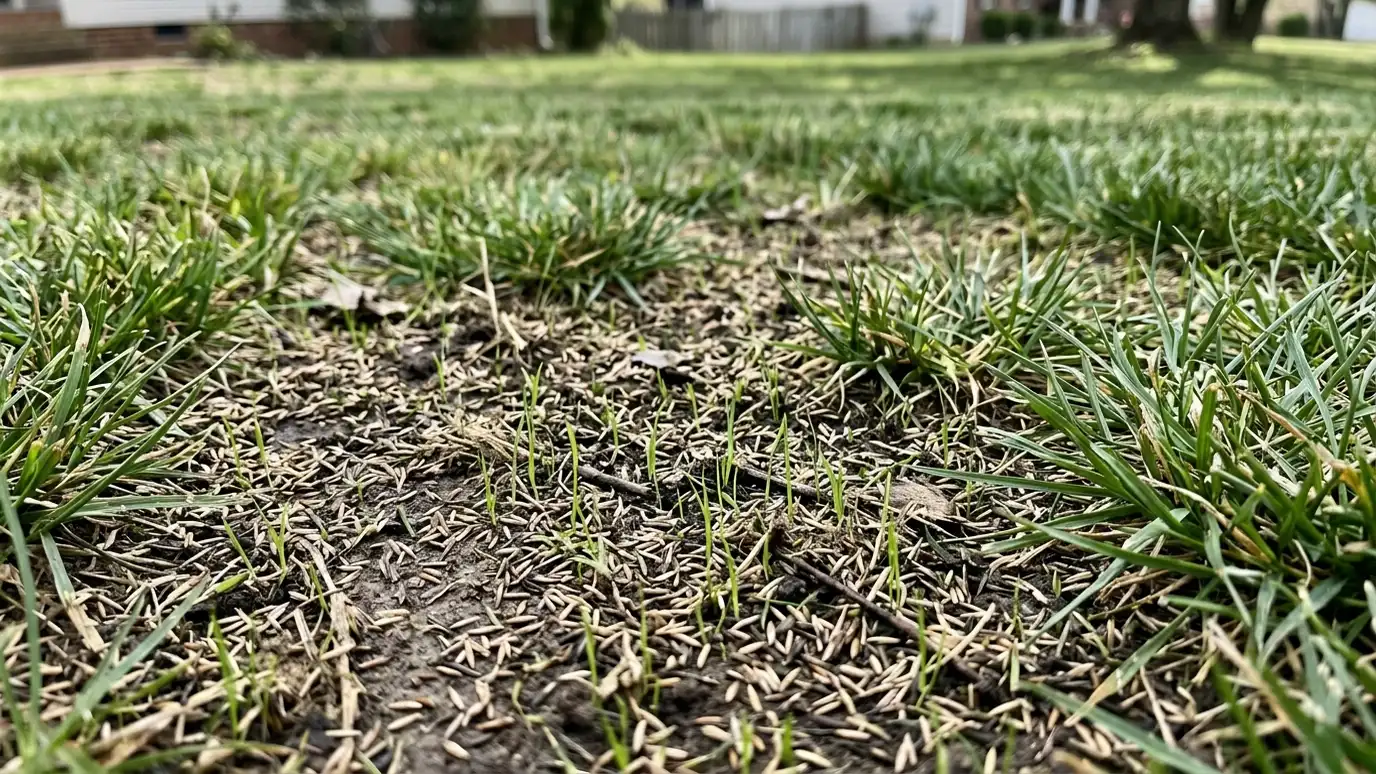 OverseedingNew seed spread across your existing lawn to thicken thin areas, repair summer damage and renew aging turf.Explore
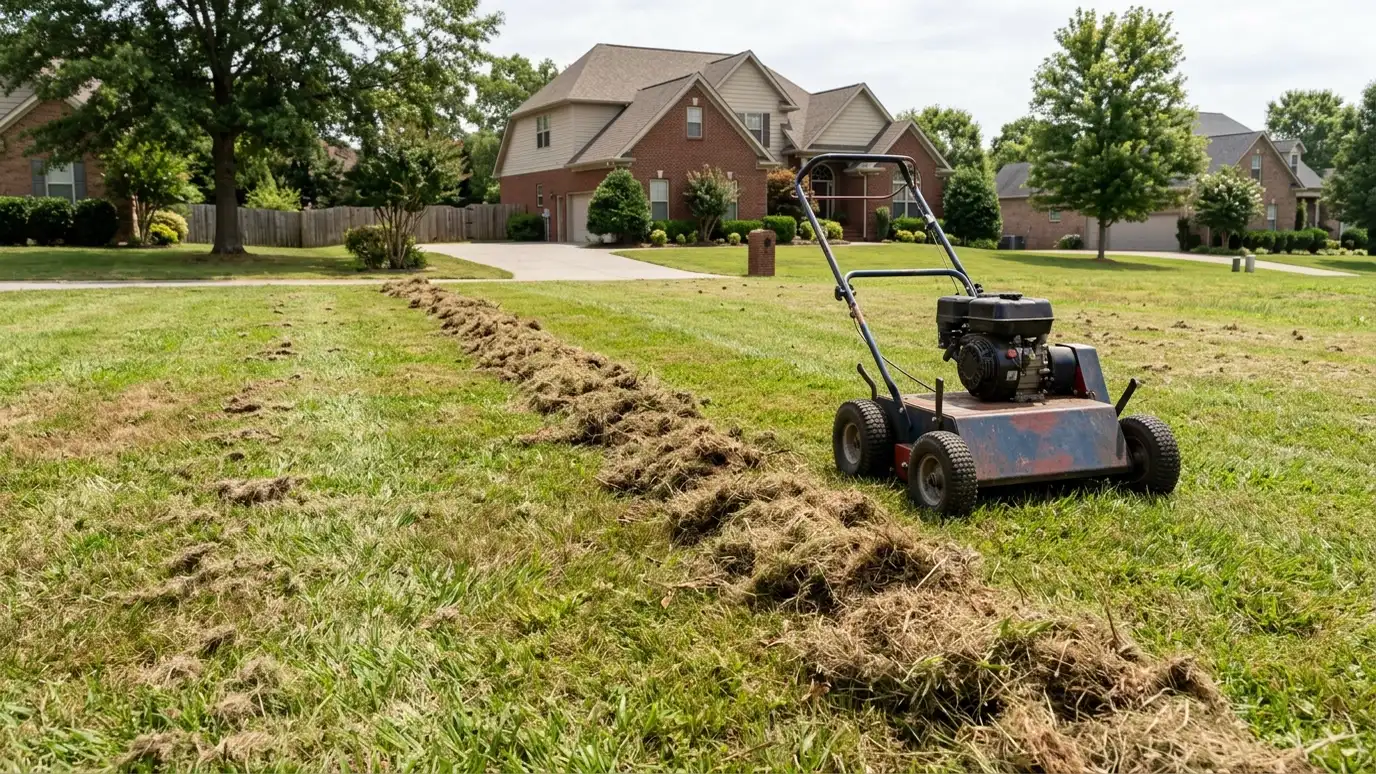 Dethatching and Power RakingRemoving the thick mat of dead stems and roots that blocks water and air, so your lawn can…Explore
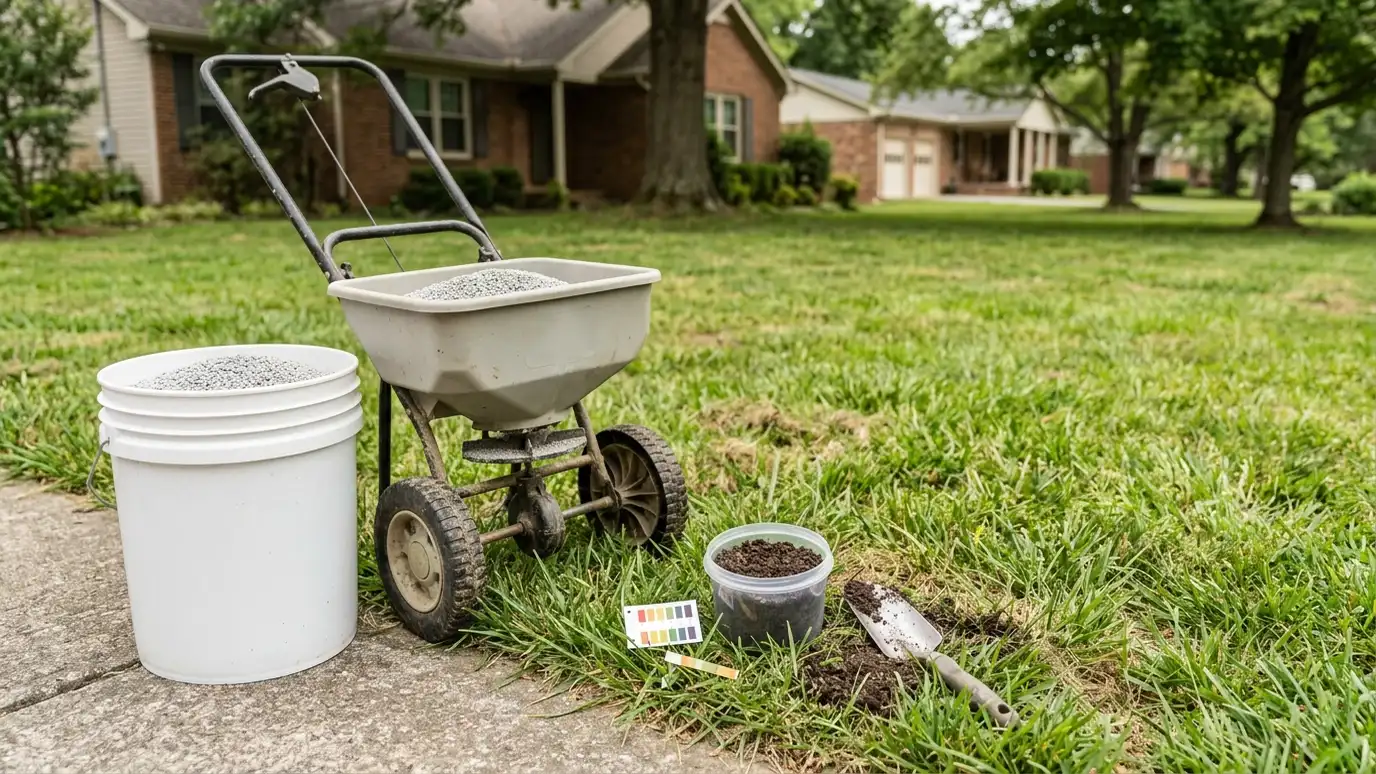 Lime and Soil pH TreatmentsLime or sulfur applications guided by soil tests, so your lawn can actually use the fertilizer you apply.Explore
Tell us about your lawn and we will call you back to set up a visit.
Or call (615) 357-7797 to talk now.